🌱 Plant Features
- Size:Typically about 10 cm (4 in) tall with a spread up to 30 cm (12 in); flowering stems may reach up to 30 cm (12 in).
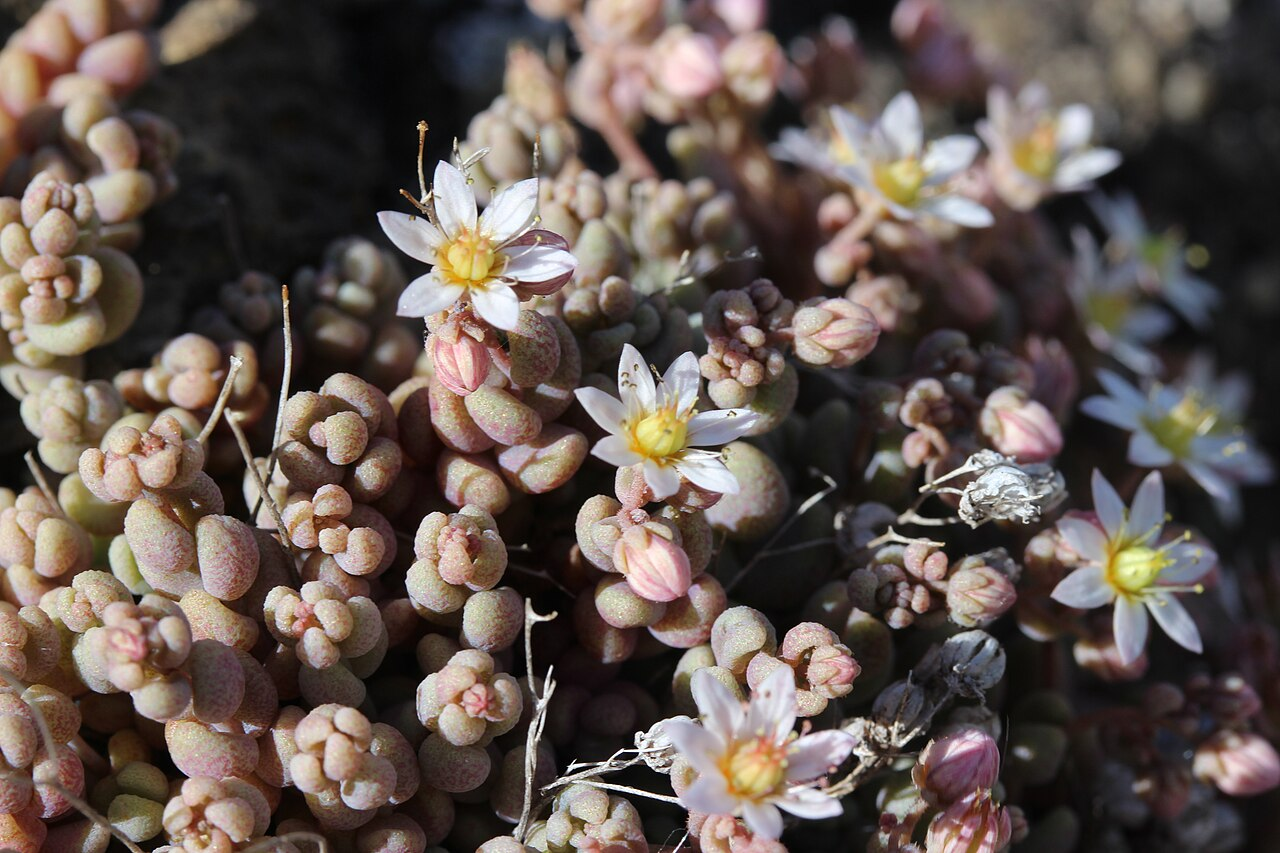
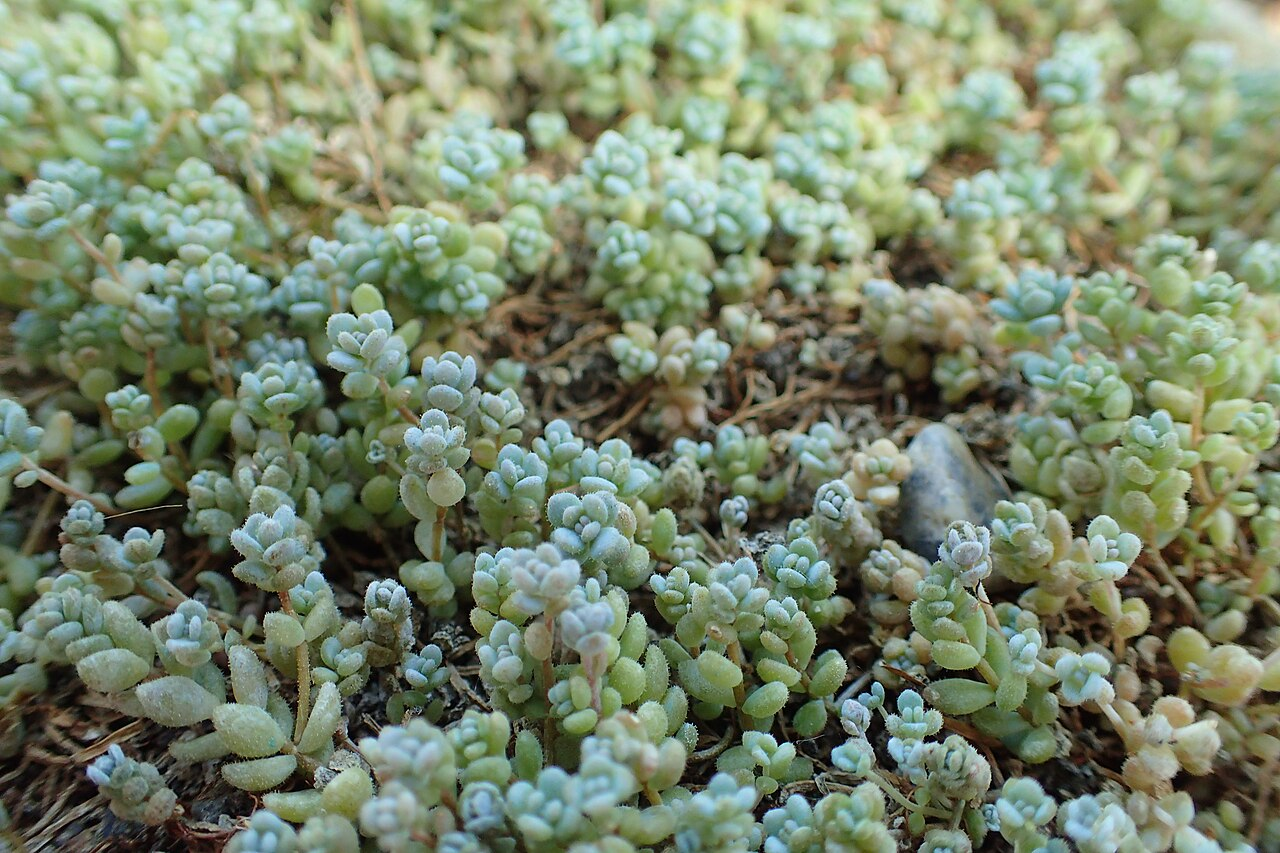
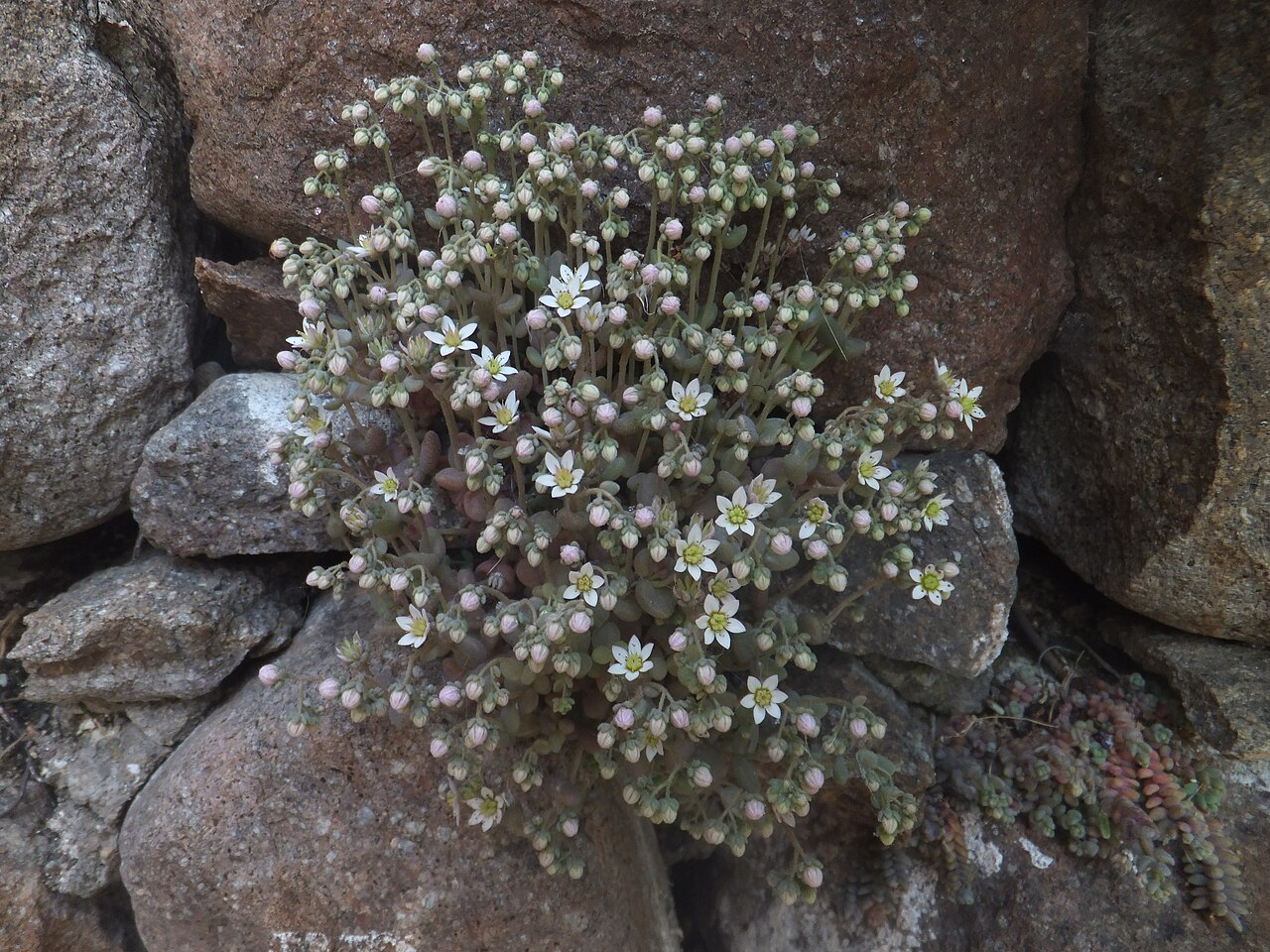
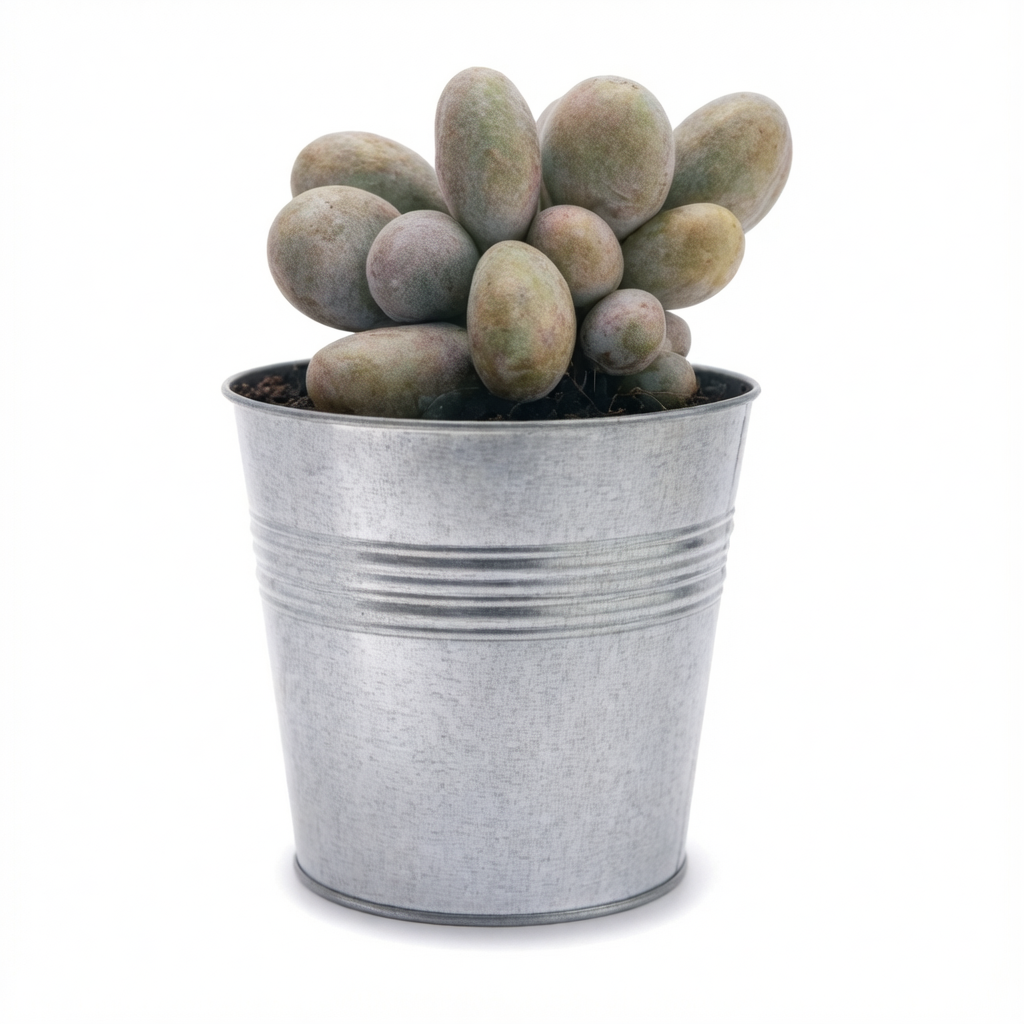
- Foliage:Plump, rounded leaves packed closely along short stems, creating a dense, pebble-like surface. Color ranges from pale blue-green to blue-purple, usually intensifying under brighter light and cooler conditions.
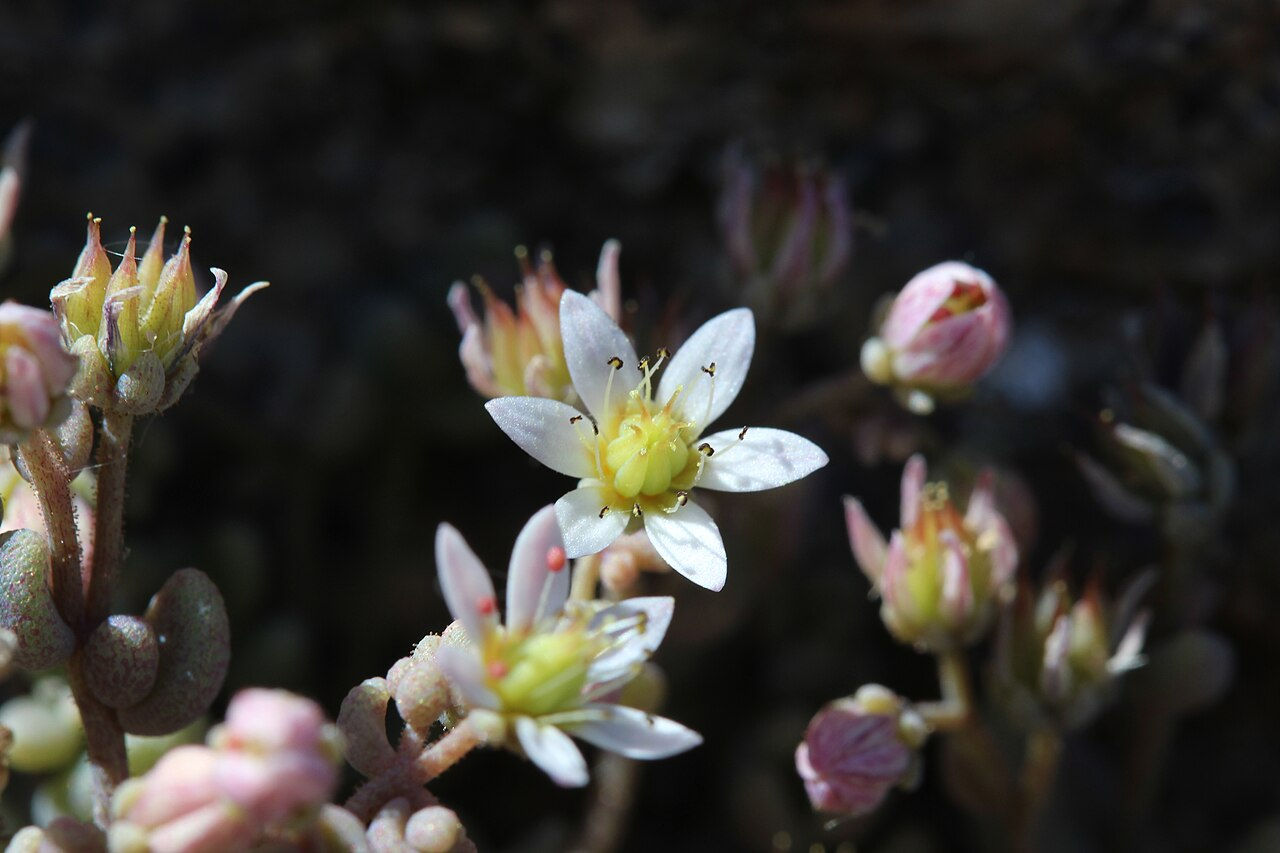
- Flower:In the cooler season it produces taller, trailing to arching stems that carry small, dangling orange-red flowers near the tips.
- Flowering Season:Winter to early spring (often during the cooler season, depending on local conditions).
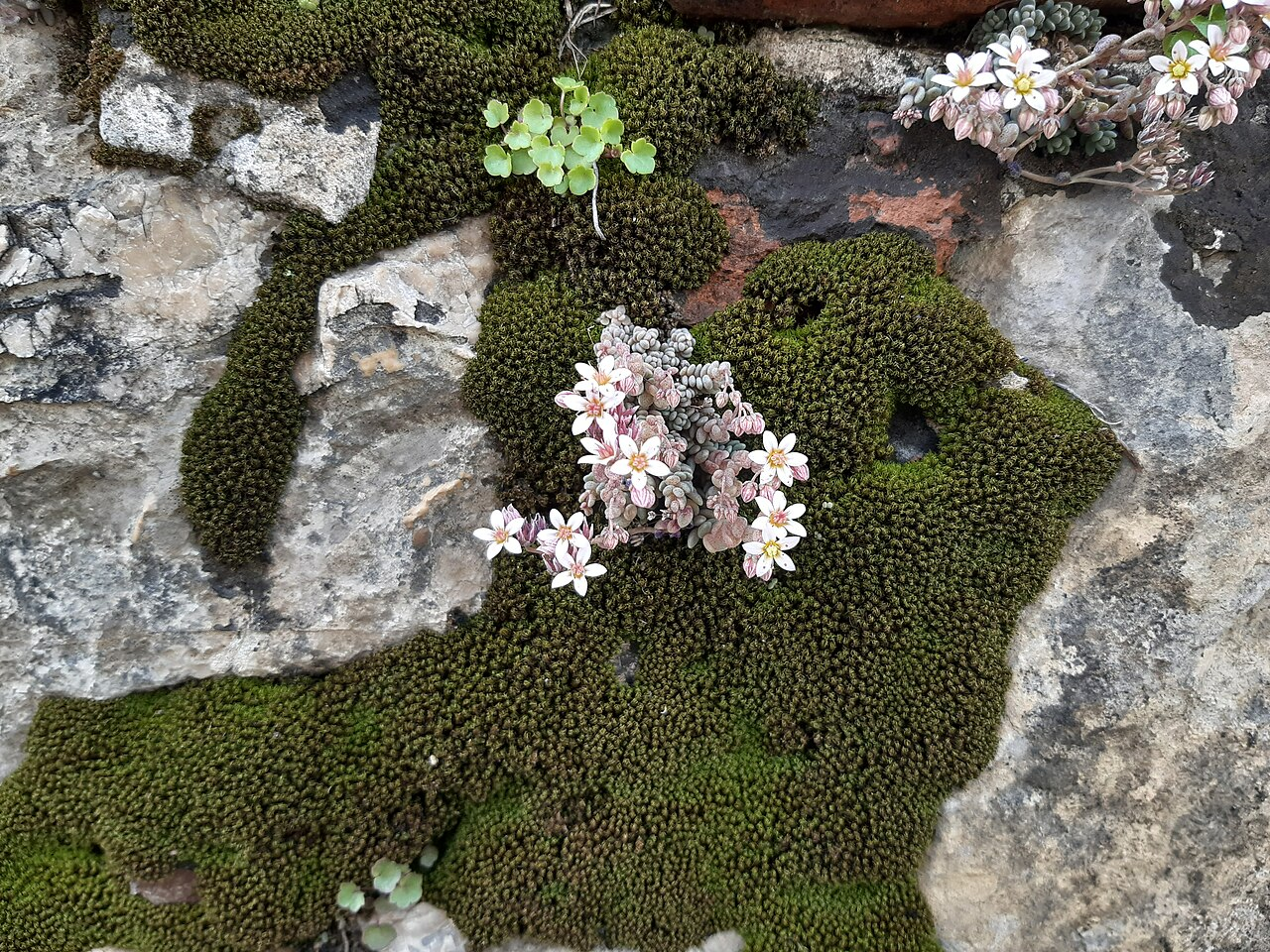
- Growth Habit:Compact, mat-forming succulent that makes tight little mounds; flowering can add longer, slightly trailing stems.
🌤️ Environment
Sunlight
Full sun; give it the brightest light you can indoors. Extra winter sun is especially helpful when it’s actively growing.
Temperature
10–27°C (50–81°F); protect from hard frost and prolonged freezing.
Humidity
Low humidity preferred; provide excellent airflow to discourage rot.
Soil
Very free-draining cactus/succulent mix. A good DIY option is about 2:1 by volume (2 parts potting mix : 1 part coarse sand/gravel/grit).
Placement
Sunniest windowsill, bright balcony, or an outdoor sunny spot. It’s especially happy in a bright winter position during its main growth period.
Hardiness
Generally hardy outdoors in USDA Zone 7–10 (down to about -17°C / 1°F in ideal, dry conditions). Winter wet is often a bigger problem than cold—keep it much drier in cold weather.
🪴 Care Guide
Difficulty
Easy—give it strong light, fast drainage, and a simple soak-and-dry routine.
Buying Guide
Pick plants with firm, plump leaves and clean stems. Avoid pots with soggy soil, black spots, or mushy areas, and check leaf joints for mealybugs.
Watering
Let the potting mix dry out completely before watering again. Water the soil directly and try not to wet the leaves (helps prevent spotting and rot). In winter/cool season, water a bit more often only if the plant is actively growing—never leave the pot standing in water.
Fertilization
Optional but helpful: feed once in the winter/cool season with a balanced liquid fertilizer at 1/4 strength. It can still grow well without feeding.
Pruning
Very minimal—snip off spent flower stems after blooming and promptly remove any damaged or rotting parts.
Propagation
Very easy from stem or leaf cuttings. Let cut ends callus for 1–3 days, then place on a gritty mix; keep barely moist until roots form.
Repotting
Only repot when root-bound. Best done after flowering; move to a slightly larger pot and refresh with a gritty, fast-draining mix.
📅 Seasonal Care Calendar
Prioritize full sun year-round, especially in winter/cool season when growth is strongest. Let soil dry fully between waterings and keep water off the leaves. If actively growing in winter, water slightly more often (still dry between). Apply one light (1/4 strength) balanced feed in winter. Repot only if root-bound, ideally after flowering.
🔬 Pests, Diseases & Safety
Common Pests & Diseases
Mealybugs, scale, and aphids (often on flower stems) are the most common pests. Overwatering and poor airflow can cause root/stem rot—improve drainage, increase light, and cut back watering if leaves turn translucent or mushy.
Toxicity
Caution: commonly reported as toxic to pets. Keep away from cats and dogs and prevent chewing; seek veterinary advice if ingestion is suspected.
🎋 Culture & Symbolism
Symbolism:Often linked with resilience and calm—staying neat and attractive with surprisingly little fuss.
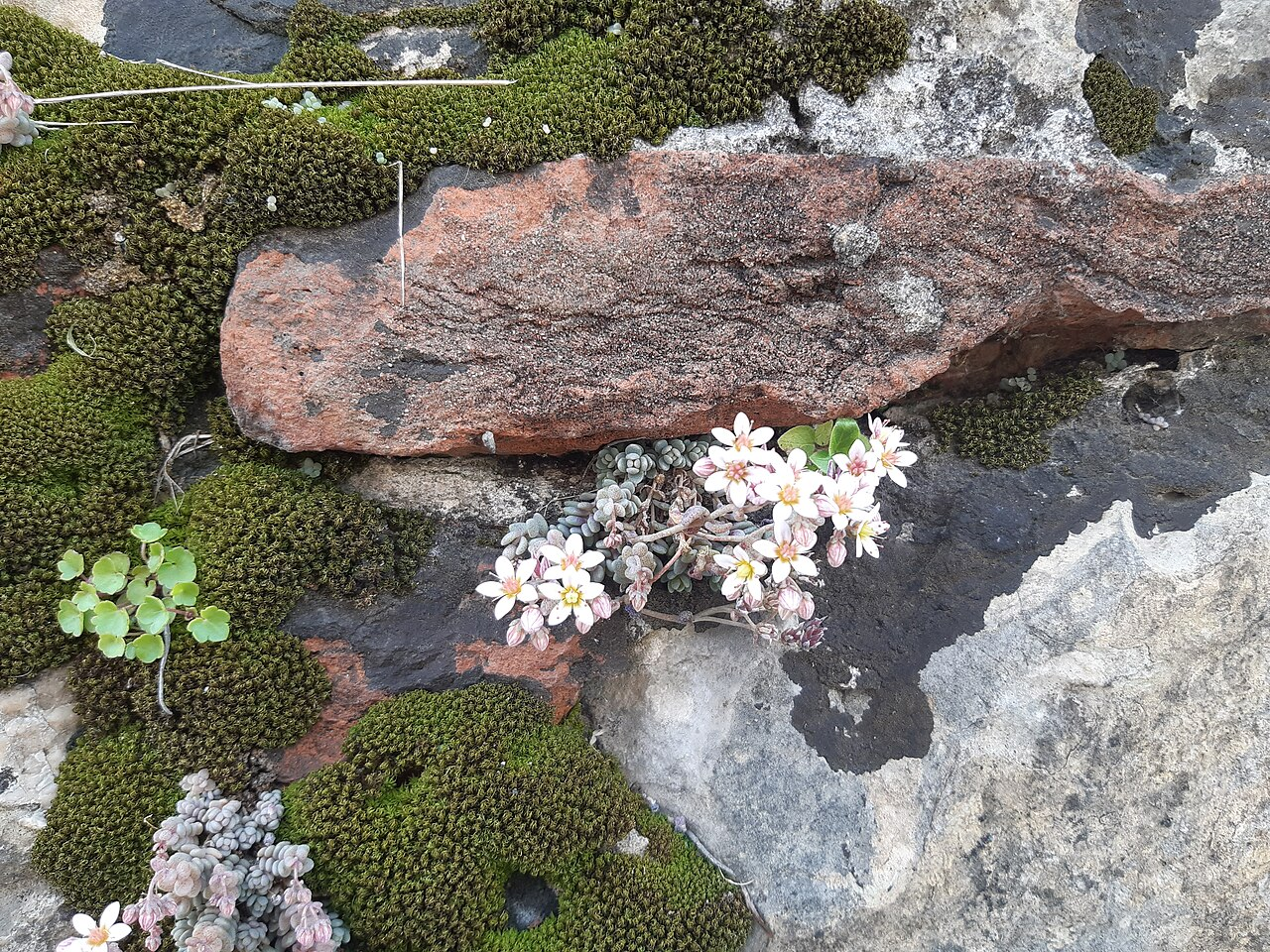
History & Legends:Stonecrops (Sedum) have a long history in European rock gardens and old stone walls, prized for their toughness and ability to root in tiny pockets of soil.
Uses:Ornamental—great for small pots, dish gardens, rock gardens, crevice plantings, and sunny windowsills.
❓ FAQ
Is it toxic?
Caution: it’s commonly reported as toxic to pets. Keep it out of reach of cats and dogs, and contact a veterinarian if you suspect any nibbling.
How should I water it?
Use a soak-and-dry method: water thoroughly, then let the soil dry out completely before watering again. Avoid wetting the leaves. If it’s actively growing in the cool season, you can water a little more often while still letting the mix dry fully.
When should I fertilize?
A single light feeding in winter/cool season is plenty—use a balanced liquid fertilizer at about 1/4 strength. Skipping fertilizer is also fine for this plant.
💡 Fun Facts
- Its tightly packed leaves can make the whole plant look like a handful of tiny beach pebbles.
- Cooler temperatures plus strong sun often bring out the prettiest blue-purple blush.