🌱 Plant Features
- Size:Typically 50–100 cm (20–39 in) tall; forms bushy, branching clumps and may spread mainly by prolific self-seeding.
- Foliage:Soft green leaves on a fast-growing annual herb; roots are fibrous (not a distinct taproot).
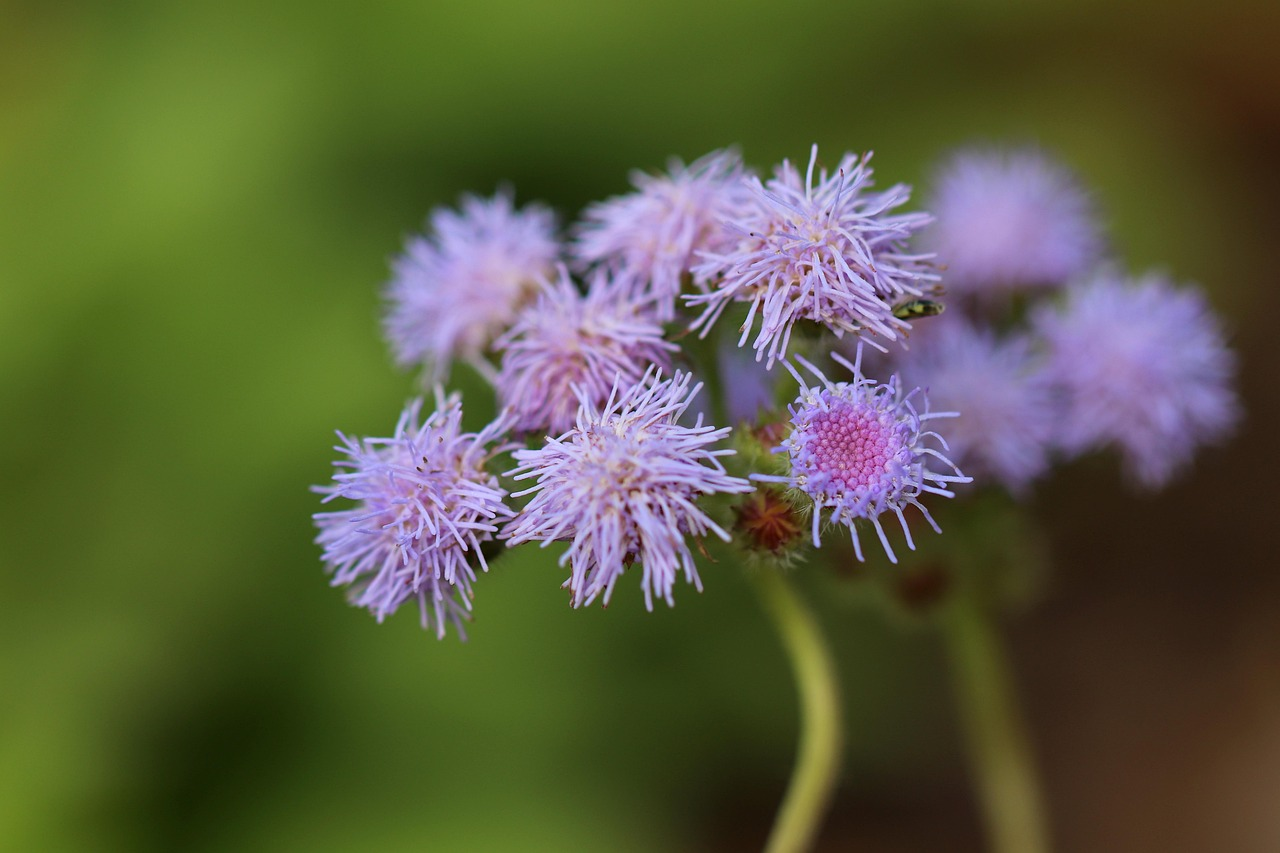
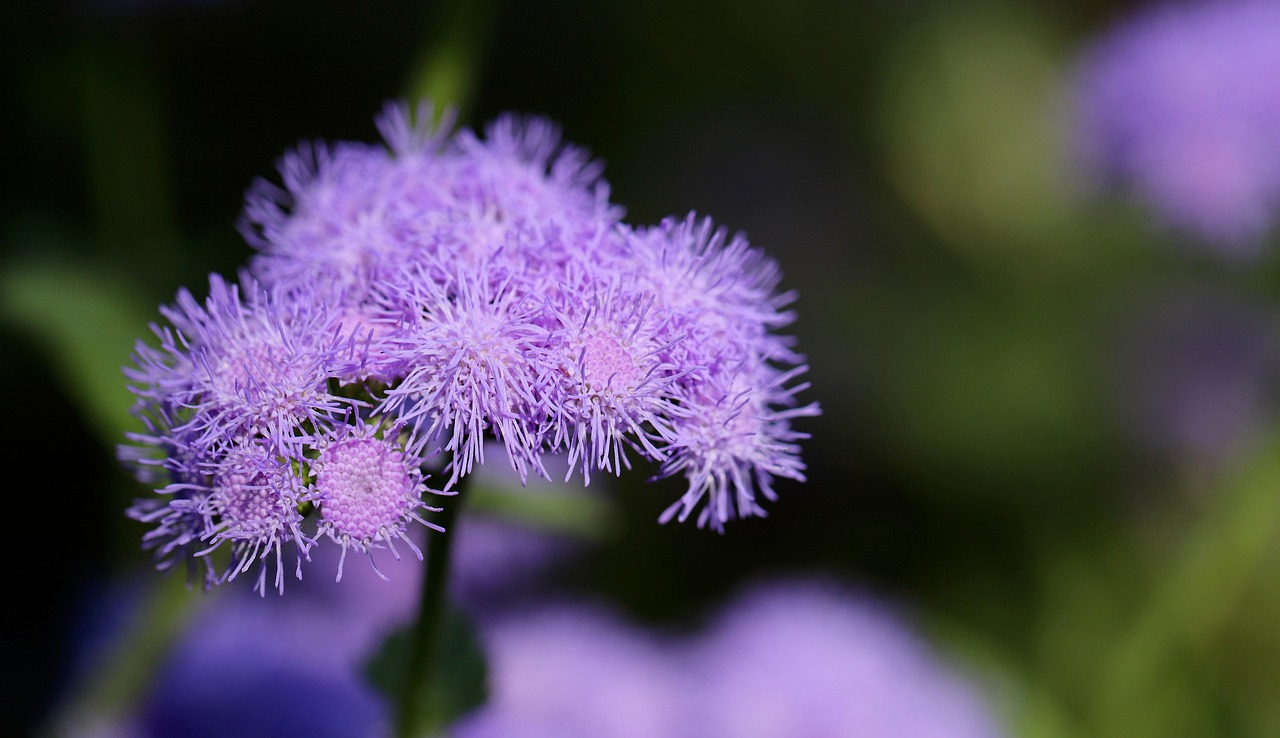
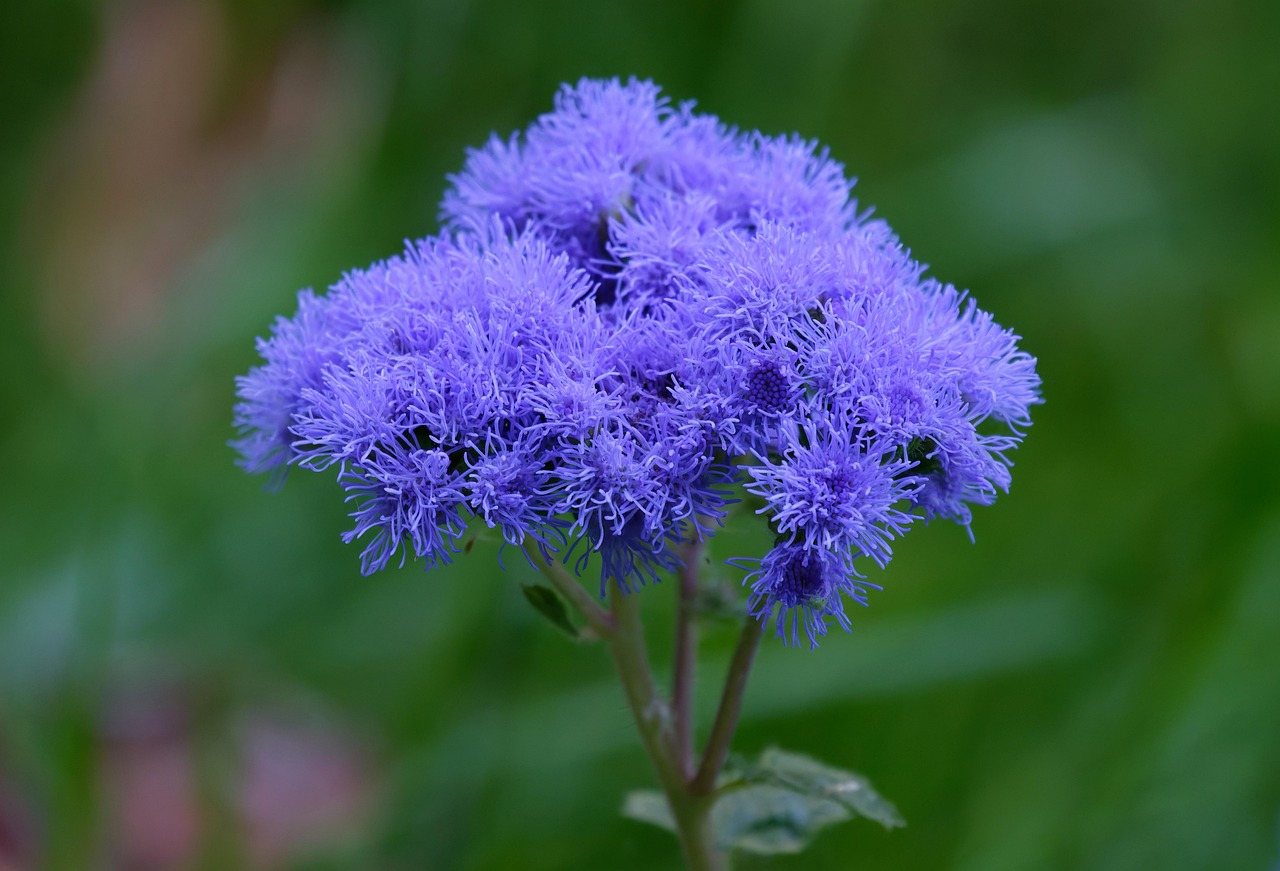
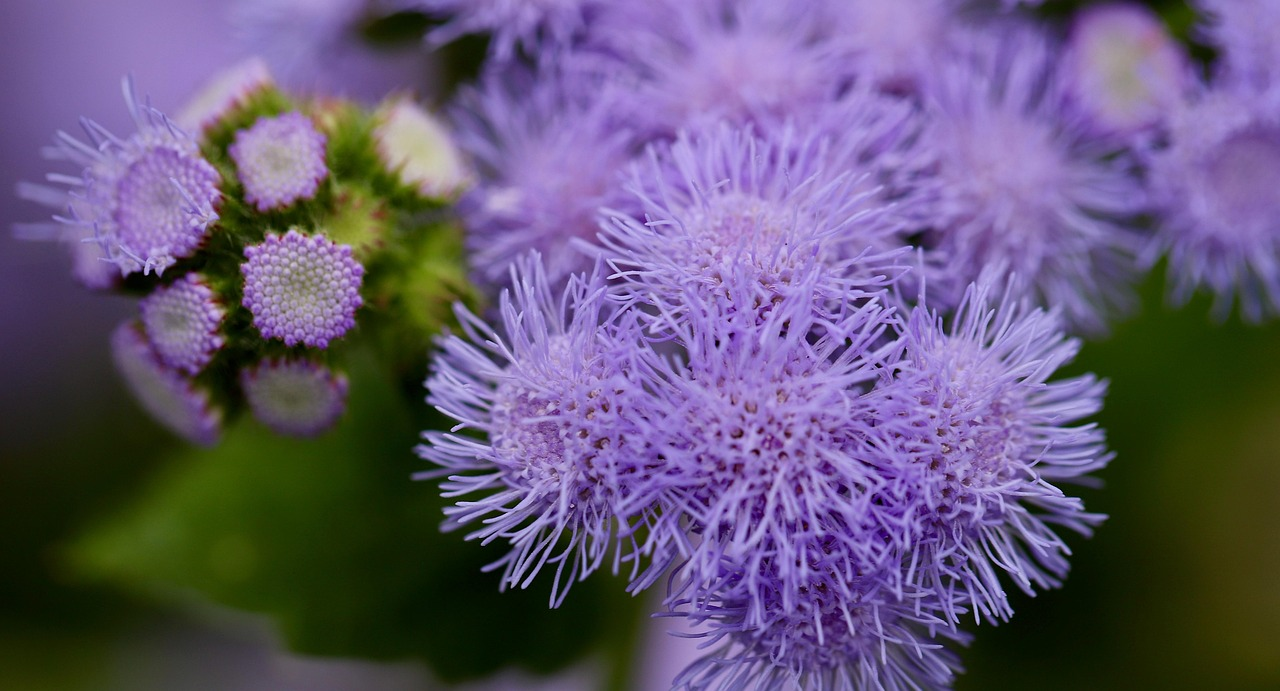
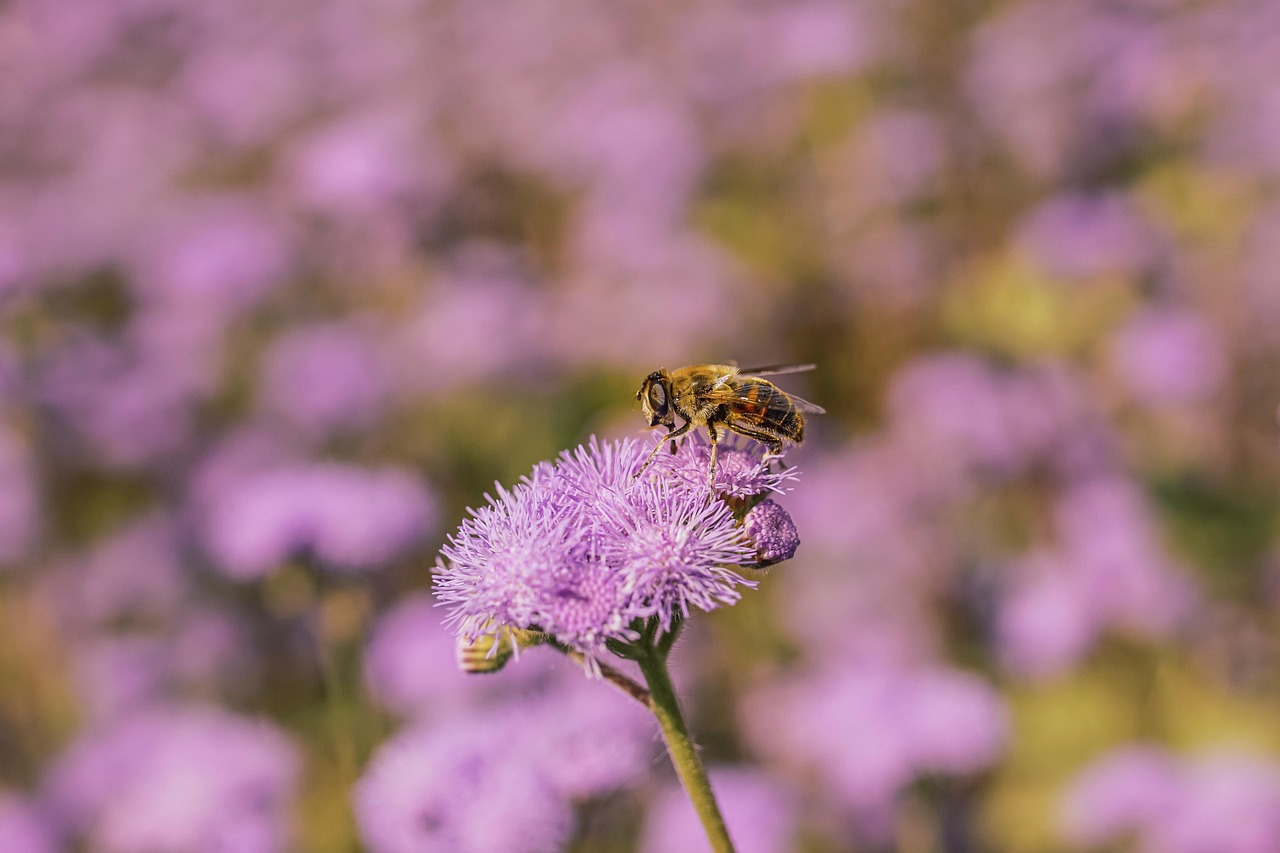
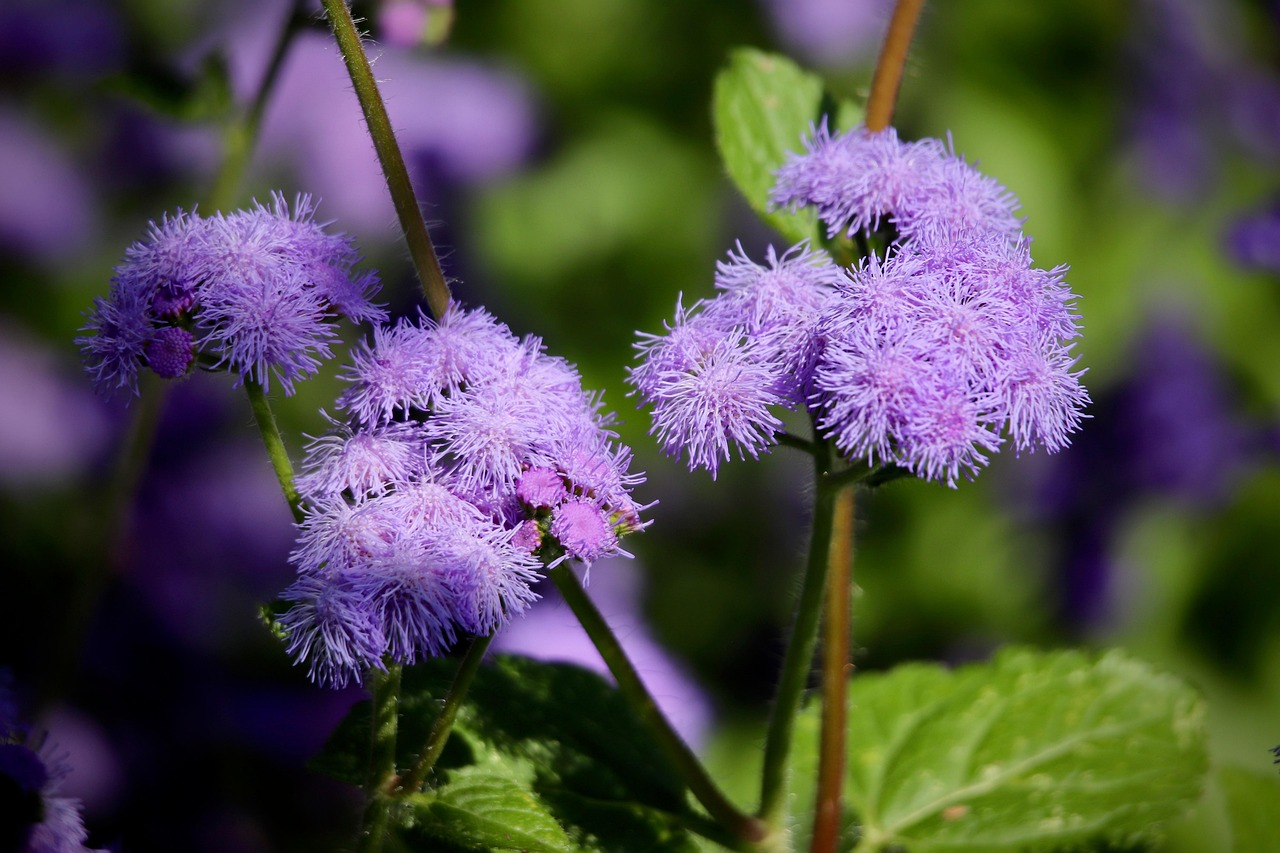
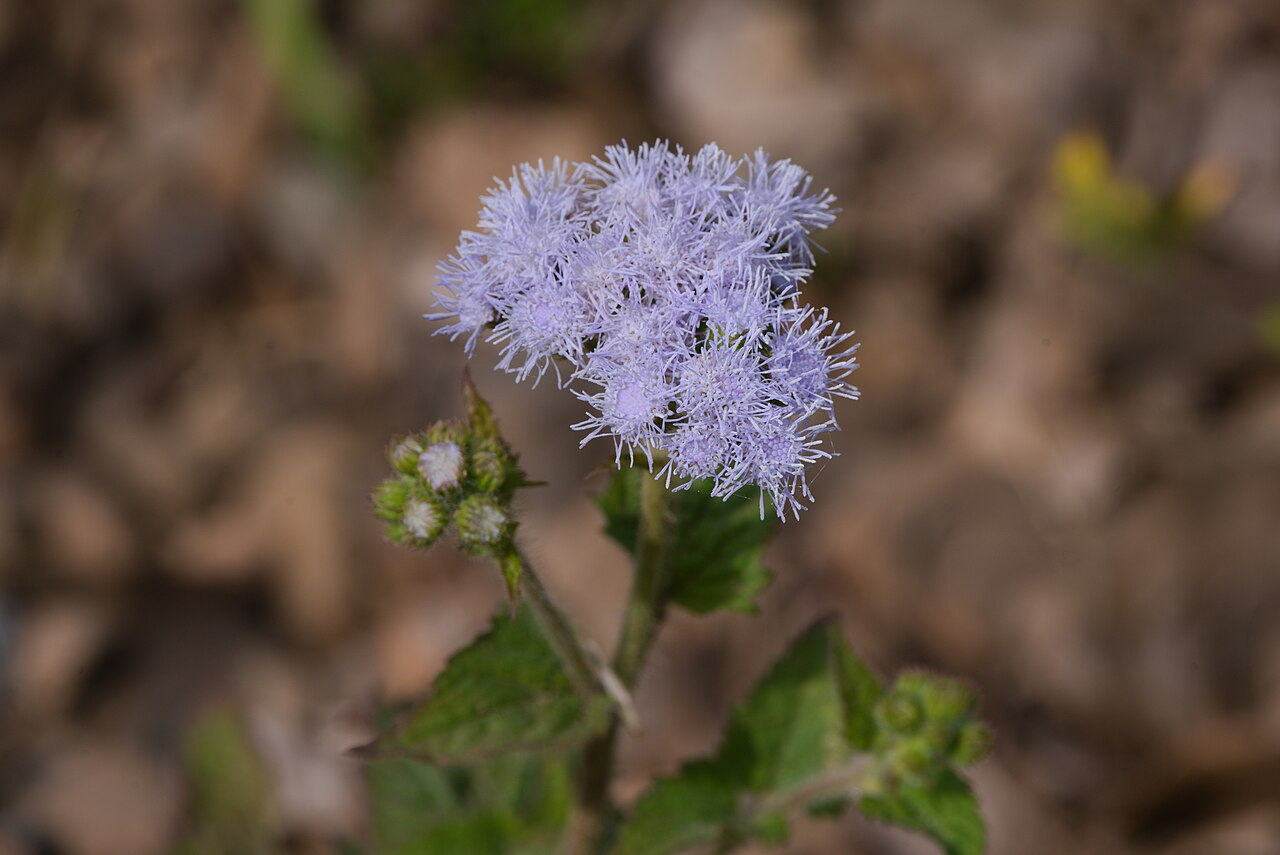
- Flower:Produces small, fluffy composite flower heads (capitula) gathered into tight, flat-topped clusters at stem tips; flowers are usually pale lavender to lilac. After flowering, it sets dark brown to nearly black achenes that are characteristically 5-angled/ridged.
- Flowering Season:Year-round in frost-free climates; mainly summer to autumn in cooler regions.
- Growth Habit:Fast-growing, freely branching annual herb; clump-forming and often self-seeding.
🌤️ Environment
Sunlight
Full sun to bright light; flowers best with at least 6 hours of sun per day.
Temperature
Warmth-loving; best growth around 20–30°C (68–86°F). Frost-tender and can be damaged below about 5°C (41°F). Prolonged heat above ~35°C (95°F) may reduce vigor.
Humidity
Adaptable; does well in moderate to fairly humid conditions when there is good airflow.
Soil
Tolerant of many soils, but happiest in well-drained, moderately fertile soil.
Placement
Best in sunny beds, borders, and mass plantings for quick seasonal cover; also works in containers, rock gardens, meadow-style plantings, and along woodland edges (where it won’t become invasive).
Hardiness
Frost-tender; commonly grown as an annual. Roughly USDA Zone 10–11 if attempting to overwinter outdoors.
🪴 Care Guide
Difficulty
Easy. The main ‘gotchas’ are cold sensitivity, occasional slowdown in extreme heat, and a tendency to self-seed heavily in suitable climates.
Buying Guide
Pick compact, well-branched plants with fresh green leaves. Avoid leggy, stretched plants (low-light growth), yellowing foliage, or any signs of insects.
Watering
Water regularly while establishing. After that, aim for evenly moist soil—never soggy. Let the top 2–3 cm (0.8–1.2 in) dry slightly between waterings. Container plants dry faster, so check more often in hot, sunny weather.
Fertilization
In-ground plants usually need only light feeding. In containers, use a balanced fertilizer at half strength every 2–4 weeks during active growth, or apply a slow-release fertilizer as directed. Don’t overdo nitrogen, or you’ll get lush leaves with fewer flowers.
Pruning
Pinch young plants to encourage bushiness. Deadhead or shear spent flower clusters to trigger fresh blooms and help limit unwanted self-seeding.
Propagation
Mostly grown from seed. Sow on the surface or barely cover (light helps germination) and keep warm at about 20–25°C (68–77°F). It also self-sows readily where happy.
Repotting
If growing in pots, move up once roots fill the container—choose a pot 2–5 cm (0.8–2 in) wider with fresh, well-drained mix. Because it’s usually treated as an annual, repotting is most useful early in the season.
📅 Seasonal Care Calendar
Spring: sow indoors or plant out after last frost; pinch to branch. Summer: water steadily, shear after flowering flushes, and feed container plants. Autumn: keep deadheading; collect seed if you want. Winter: plants fade in frosty regions; in frost-free climates they may keep flowering and reseeding.
🔬 Pests, Diseases & Safety
Common Pests & Diseases
Watch for aphids, whiteflies, and spider mites (especially during hot, dry spells). Powdery mildew can appear if plants are crowded and humidity is high. Improve airflow, avoid late-day overhead watering, and treat early with insecticidal soap or horticultural oil if needed.
Toxicity
Safety is not consistently established for people or pets. Treat as potentially irritating if ingested; keep away from pets and small children, and wear gloves if you have sensitive skin.
🎋 Culture & Symbolism
Symbolism:Often associated with resilience and bright, cheerful summer-long color in the garden.
History & Legends:Native to Mexico and nearby regions, it has spread widely through warm parts of the world. Because it grows fast and seeds generously, it’s frequently labeled invasive or weedy in tropical and subtropical areas.
Uses:Mainly ornamental—excellent for quick fill in beds, borders, and containers with soft purple flower clusters. It can also suit meadow edges or woodland margins for seasonal color, but only plant it where it’s not considered invasive.
❓ FAQ
Is billygoat-weed a good garden plant or a weed?
Both, depending on where you live. It’s a pretty, fast bedding plant, but in warm climates it can self-seed heavily and become invasive. Check local guidance before planting.
Why is my plant tall and floppy with few flowers?
Usually it’s not getting enough sun and/or it’s receiving too much nitrogen. Move it to brighter sun, feed more lightly with a balanced fertilizer, and pinch or shear to promote branching.
Can it flower all year?
Yes—where winters are mild and frost-free. In colder regions it behaves like a warm-season annual and blooms mainly from summer into autumn.
💡 Fun Facts
- It’s native to Mexico and nearby regions but now grows across many warm regions worldwide.
- In China it is cultivated and has escaped into the wild in multiple provinces, especially in disturbed habitats.
- In suitable climates it can flower and fruit nearly year-round.
- The flowers are actually many tiny florets packed into fluffy, flat-topped clusters.
- Its seeds are dark achenes with a distinctive 5-angled shape.