🌱 Plant Features
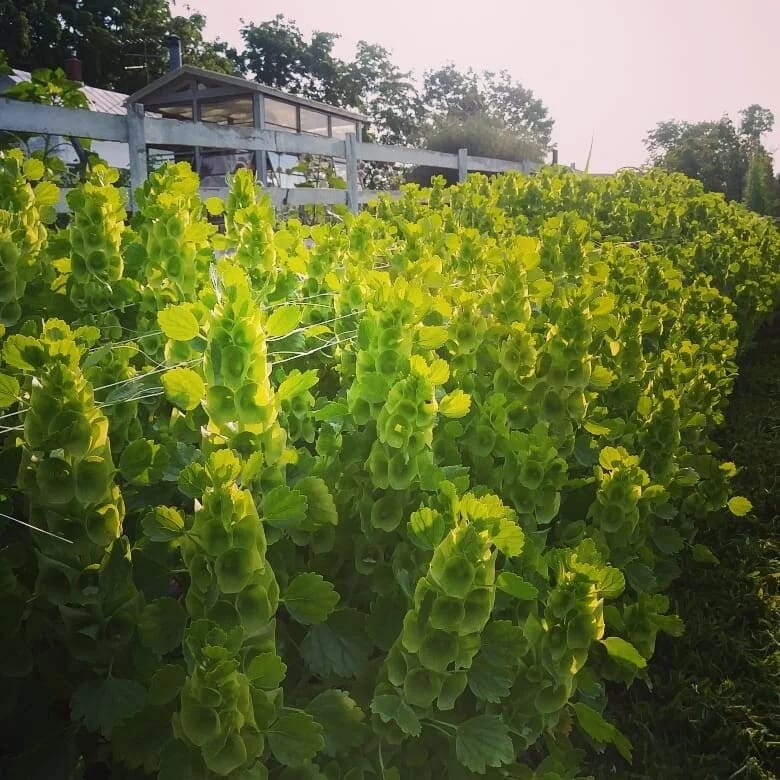
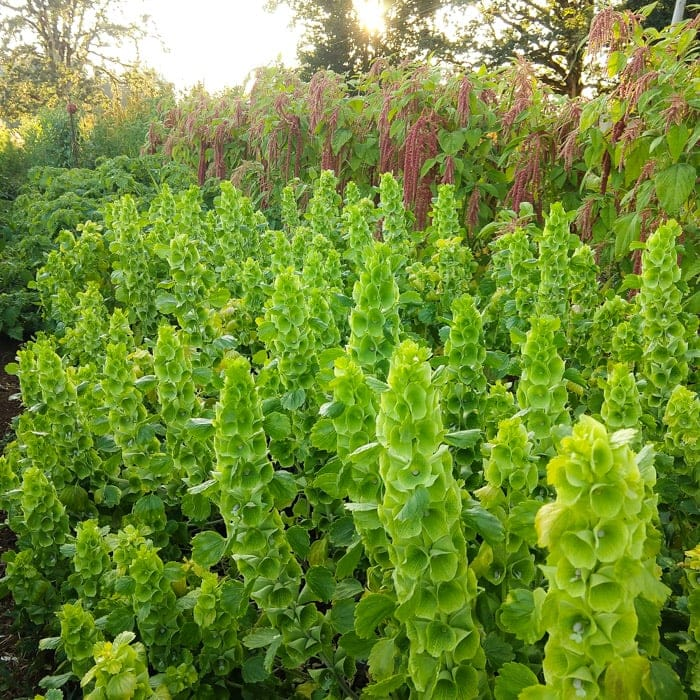
- Size:Typically 60–90 cm (2–3 ft) tall and about 30–45 cm (12–18 in) wide.
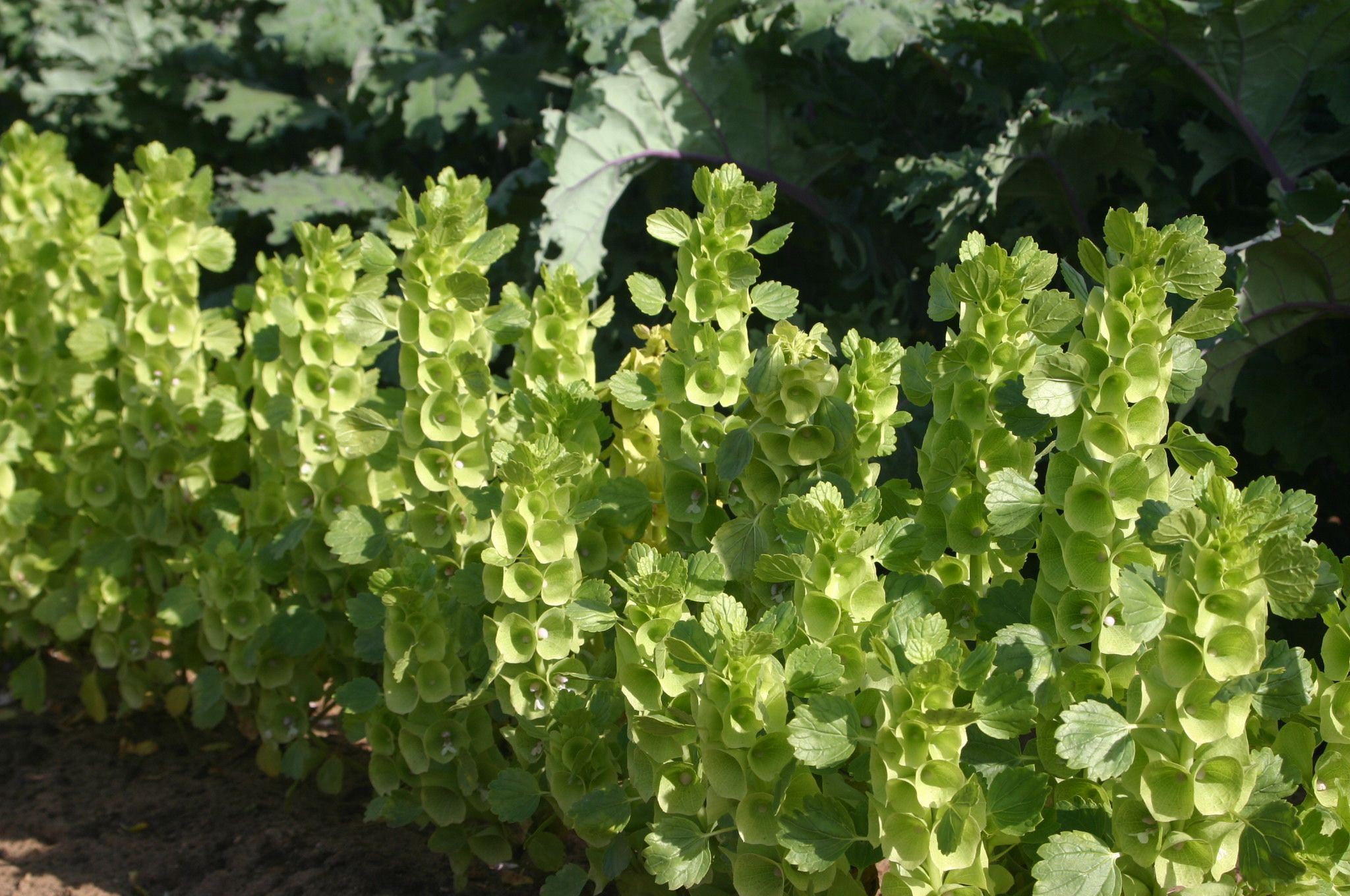
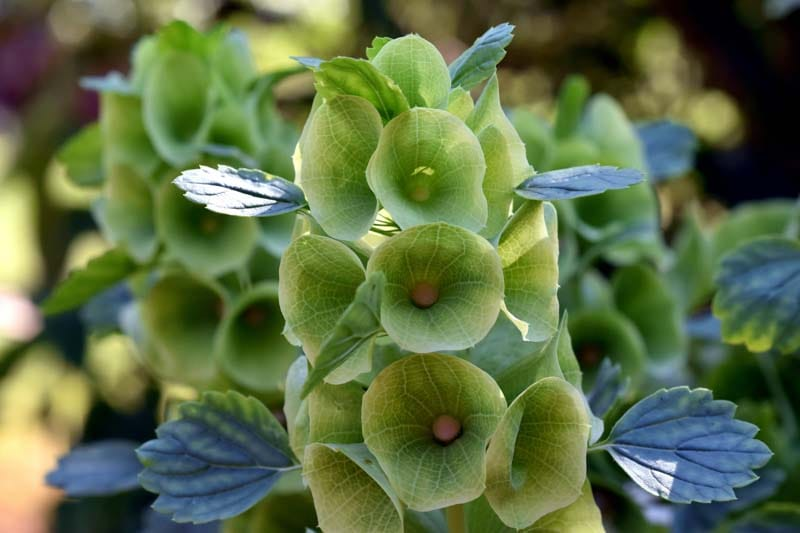
- Foliage:Leaves are about 5 cm (2 in) long, softly heart-shaped with serrated edges, appearing in clusters between the green bells. Beneath each calyx there are small spines/thorns, so harvesting and handling can be a little prickly.
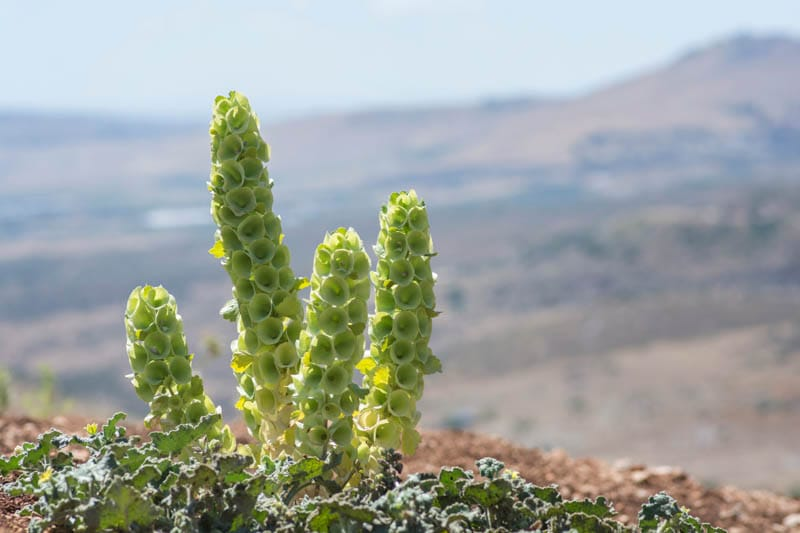
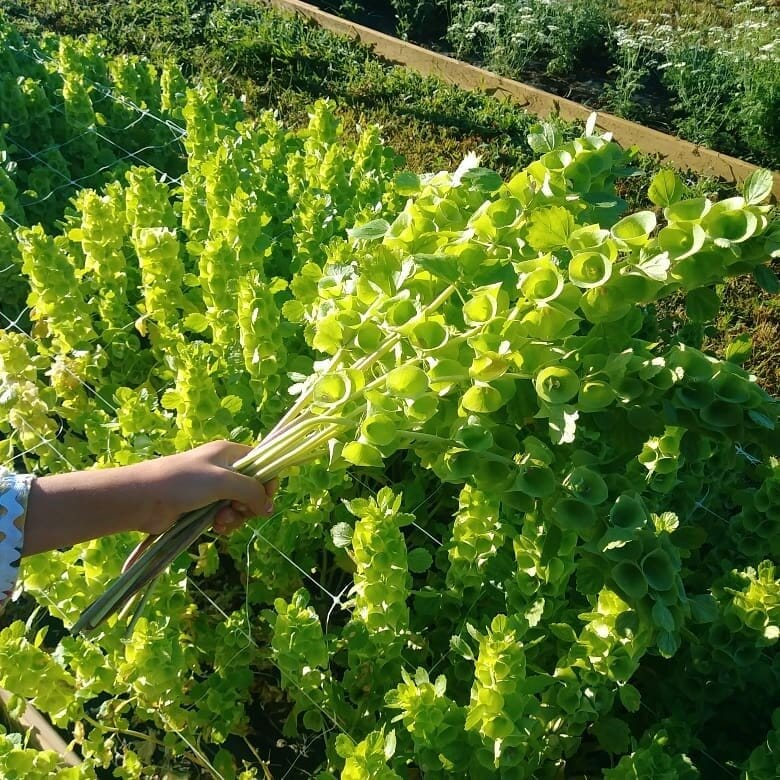
- Flower:Tiny white flowers sit inside large, cup-shaped green calyces up to about 2.5 cm (1 in) long, packed densely along tall flower spikes. The blooms can be pleasantly sweet-scented, sometimes with a light citrus note.
- Flowering Season:Mid-summer to early fall (typically June to August).
- Growth Habit:Upright, tall, sturdy, mostly unbranched stems with a distinct four-angled (square) shape typical of the mint family.
🌤️ Environment
Sunlight
Best in full sun (aim for at least 6+ hours of direct light). Tolerates partial shade, but plants may stretch and become leggy.
Temperature
A cool-season annual that prefers about 15–21°C (60–70°F). It struggles in very hot, humid summer conditions.
Humidity
Moderate humidity with good airflow; avoid persistently muggy, stagnant conditions.
Soil
Well-drained soil is essential. Does well in moderately fertile sandy or loamy soil; tolerates poorer soils if drainage is good. Generally suited to neutral to slightly acidic conditions around pH 6.5–7.5.
Placement
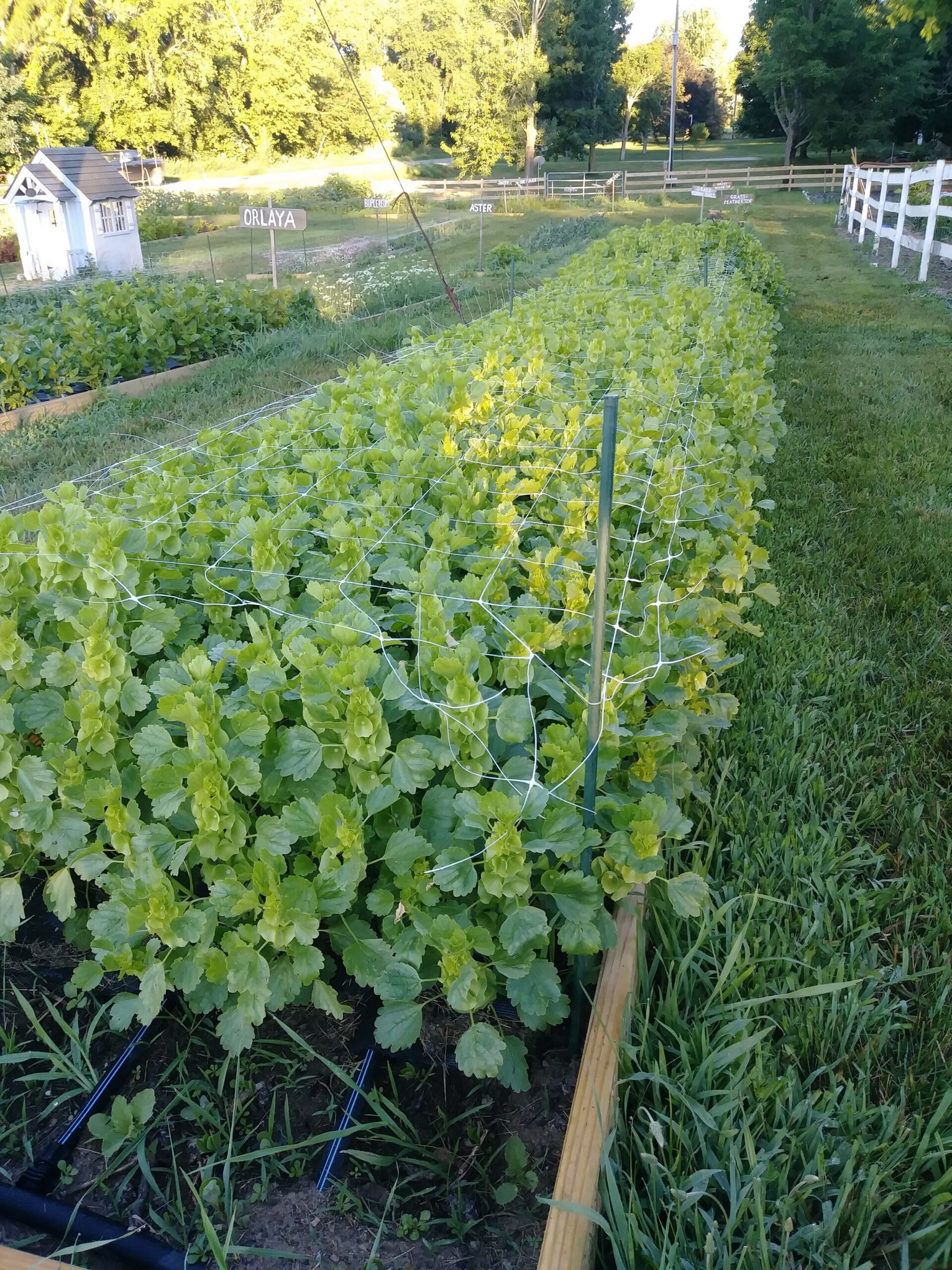
Great for back borders, mixed beds, and cutting gardens; also suitable for large containers. In windy or rainy spots, a sheltered position or support helps keep spikes standing tall.
Hardiness
Often grown as an annual across many regions; tolerates light frosts but not severe freezing. Commonly listed as annual in USDA Zones 2–11 depending on season and local conditions.
🪴 Care Guide
Difficulty
Moderate—plants are straightforward once growing, but germination can be slow and fussy without preparation.
Buying Guide
Choose plants with strong, upright stems, clean green foliage, and bright, unblemished green calyces. Avoid any with wilting tips, spotting, or visible pests (especially aphids).
Watering
Keep soil evenly moist while seedlings establish. Afterward, water when the top 2.5 cm (1 in) of soil dries out—roughly about 2.5 cm (1 in) of water per week depending on heat and soil type. Mulch can help hold moisture, but don’t let the roots sit in soggy soil.
Fertilization
A light hand works best. Feed with a balanced, water-soluble fertilizer about every 4–6 weeks during active growth (spring through summer), often at half strength. If soil was amended with compost, extra feeding may be minimal.
Pruning
Little pruning is needed. Remove spent spikes to tidy the plant and potentially encourage more blooming. If plants get leggy, a light trim can help, but heavy pinching isn’t typically recommended.
Propagation
Usually grown from seed. Cold stratification improves germination—chill seeds in the refrigerator for about 1–2 weeks before sowing. Start indoors 8–10 weeks before last frost or sow outdoors after frost risk passes. Sow on the surface or barely cover (light helps germination). Expect germination in about 12–21 days. May self-seed if some stalks are left to mature.
Repotting
Transplant seedlings when they have about 5–6 true leaves. Because roots dislike disturbance (taproot tendency), biodegradable pots or gentle handling helps. Space plants about 25–36 cm (10–14 in) apart.
📅 Seasonal Care Calendar
Sow early in spring for best performance in cooler weather. Provide netting or stakes once plants reach around 50 cm (20 in), especially in rainy climates to prevent flopping. For fresh bouquets, harvest when bells are about half open; for drying, harvest when bells are fully open and firm.
🔬 Pests, Diseases & Safety
Common Pests & Diseases
Generally trouble-free, but watch for aphids and spider mites (treat with insecticidal soap as needed). Fungal issues can include Cercospora leaf spot and botrytis on young plants—remove affected material and increase airflow. Overly wet soil can lead to crown/root rot and sudden wilting. Cut stems are notably sensitive to ethylene gas, which can speed up wilting and discoloration.
Toxicity
Generally considered non-toxic to people and pets. (As with any plant, discourage nibbling and wash hands after handling if you have sensitive skin—stems can be prickly.)
🎋 Culture & Symbolism
Symbolism:Often associated with good luck, prosperity, gratitude, hope, renewal, resilience, and serenity—one reason it’s a favorite for celebratory bouquets and Irish-themed events.
History & Legends:Grown in European gardens since at least the 1500s (often cited around 1570). The famous name is more about marketing and the plant’s rich green color than geography—its true roots are in western Asia. Over time it became a “good fortune” flower in gifting traditions and wedding floristry.
Uses:A standout ornamental for gardens and, especially, floral design. Used fresh for tall, vertical lines and texture; also excellent dried (though the vivid green usually softens to beige). Fresh stems can last up to about two weeks in a vase with clean water and proper conditioning.
❓ FAQ
Are Bells of Ireland hard to grow?
They’re fairly easy once established, but germination can be slow and uneven. Chilling the seeds (cold stratification) and giving them light for germination usually makes a big difference. Tall spikes may also need staking.
Why are my Bells of Ireland turning brown?
Late-season browning can be normal as plants finish their annual life cycle. Earlier browning can point to drought stress, fungal problems, or pests. Also keep ethylene gas in mind—near ripening fruit or poor indoor ventilation can cause cut stems to age quickly.
Can Bells of Ireland be dried?
Yes. Harvest when the bells are fully open and feel firm, then hang small bunches upside down in a dry, airy place. Expect the color to fade, but the sculptural shape dries beautifully.
Do Bells of Ireland come back every year?
Not as the same plant—this species is an annual. However, it can self-seed in friendly conditions, so you may see seedlings pop up next season if seeds are allowed to mature.
💡 Fun Facts
- The green “bells” aren’t petals—they’re enlarged calyces, while the real flowers are tiny and white inside.
- Its square, four-angled stems are a classic mint-family (Lamiaceae) trait.
- Despite the name, it’s native to western Asia—not Ireland.
- The stems have small spines under each bell, so it’s a good idea to wear gloves when cutting for arrangements.
- It has centuries of garden history and remains a florist favorite for adding tall, crisp, green structure to bouquets.