🌱 Plant Features
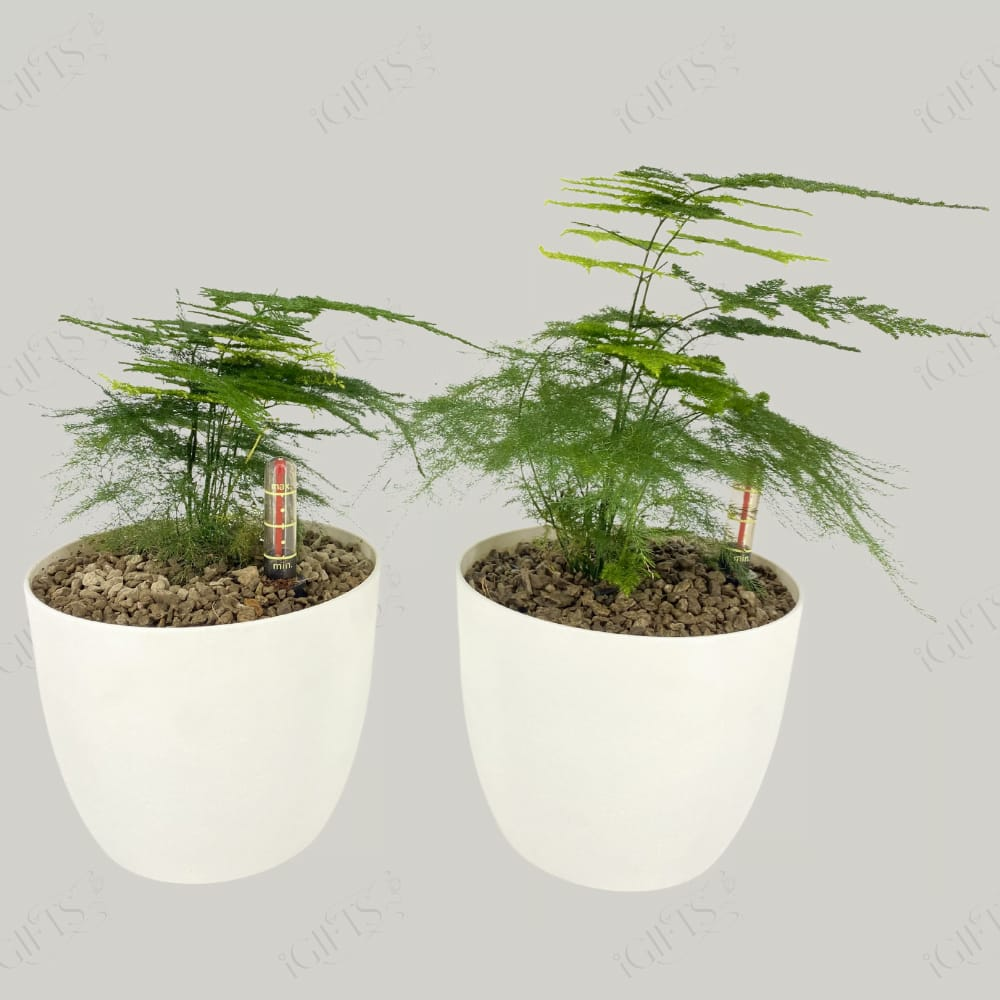
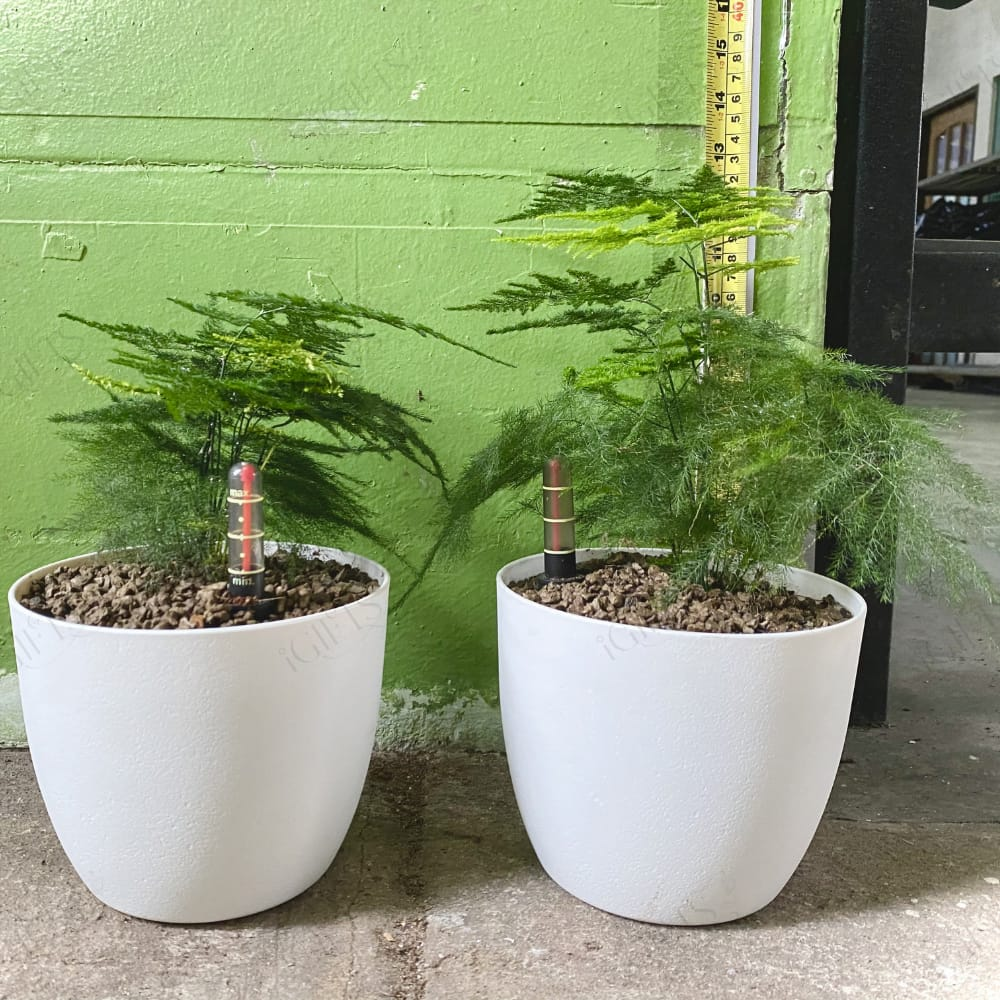
- Size:Indoors commonly 30–90 cm (12–35 in) tall with arching, trailing, or climbing stems; if trained on support and not pruned, stems can extend about 1–3 m (3–10 ft). In habitat it may reach roughly 1.8–2.4 m (6–8 ft). Often grown in 12–15 cm (4.7–5.9 in) pots; 15–18 cm (5.9–7.1 in) suits hanging baskets; 20–25 cm (7.9–9.8 in) may encourage flowering/seed set on mature plants.
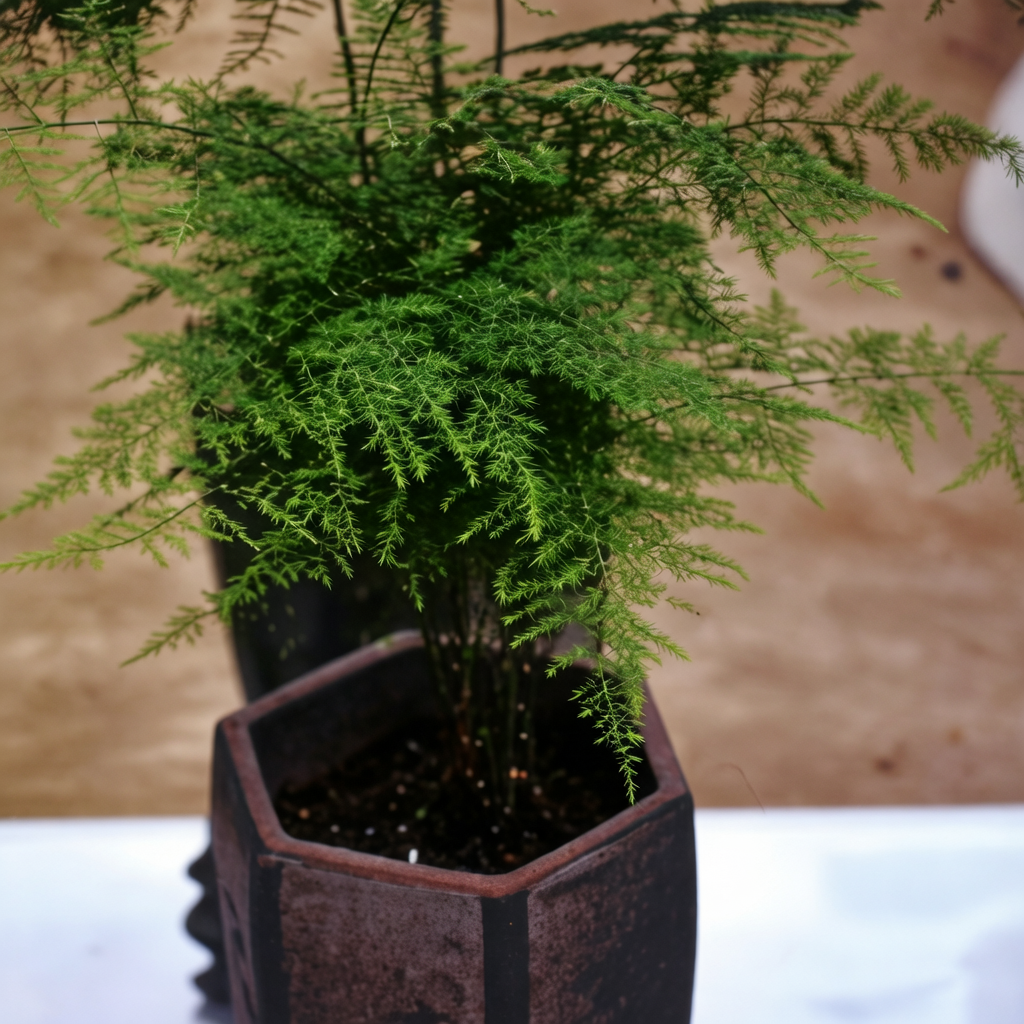
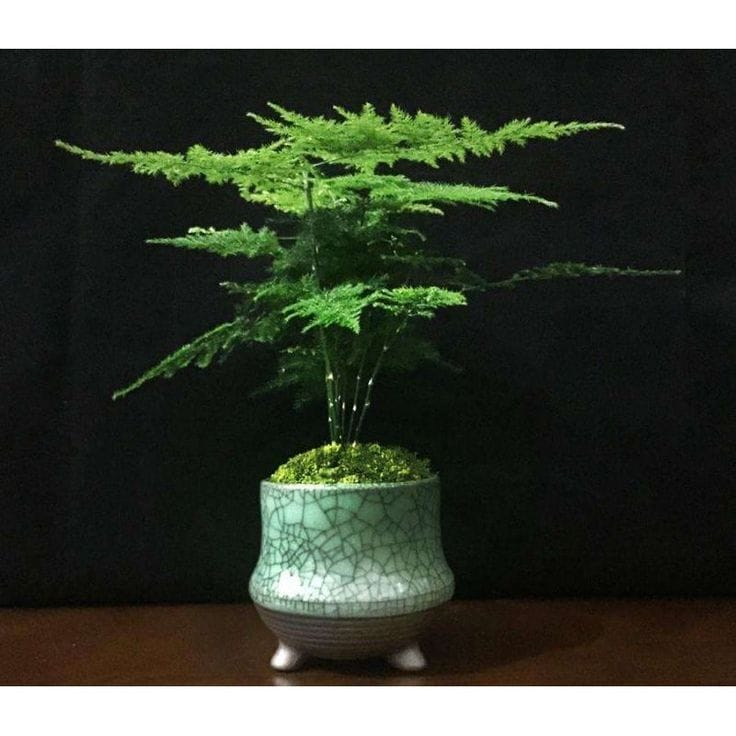
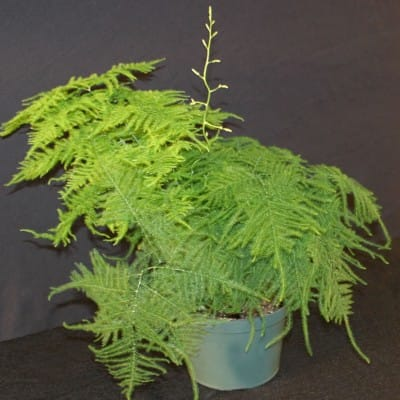
- Foliage:Feathery sprays of very fine, needle-like bright to deep green cladodes clustered along slender arching stems, giving a soft, billowy, lacey look. True leaves are reduced to tiny scales; new shoots grow quickly in warm conditions and provide the freshest, fluffiest texture.
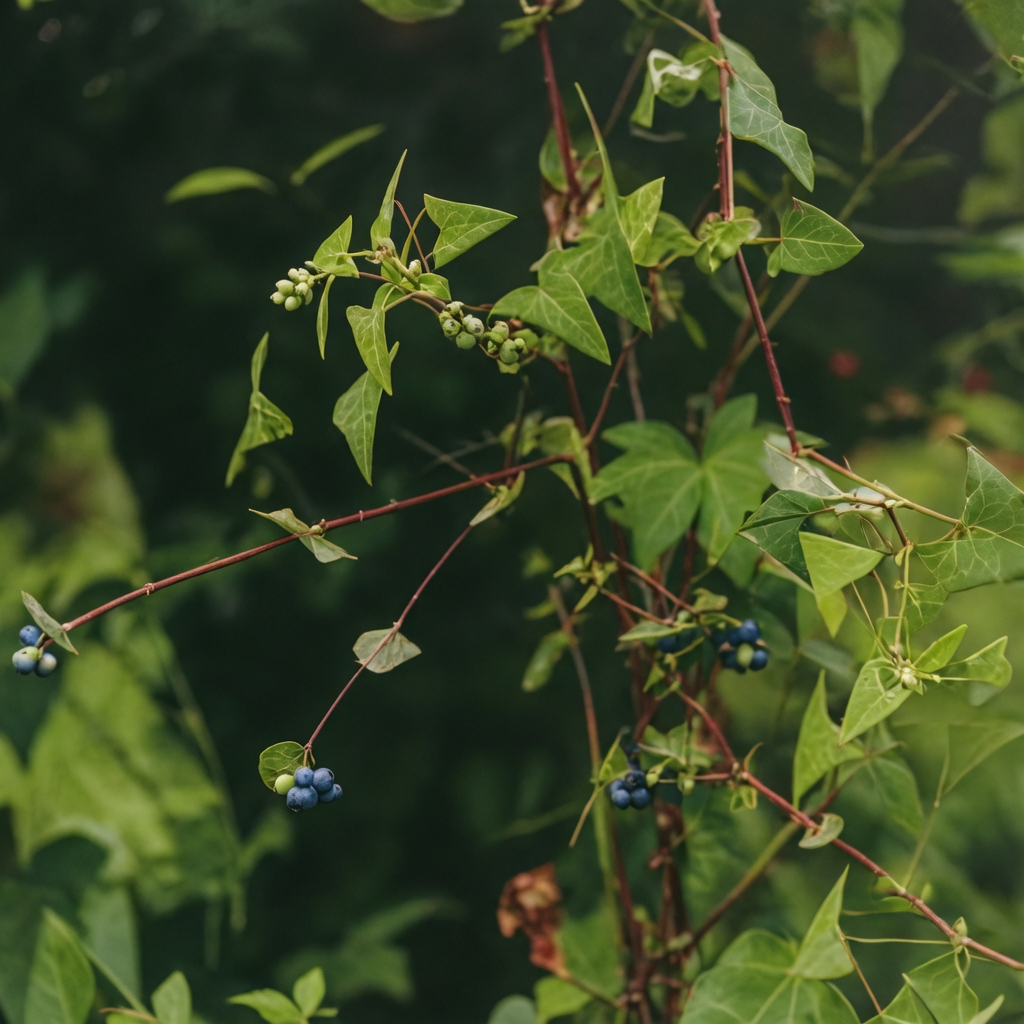
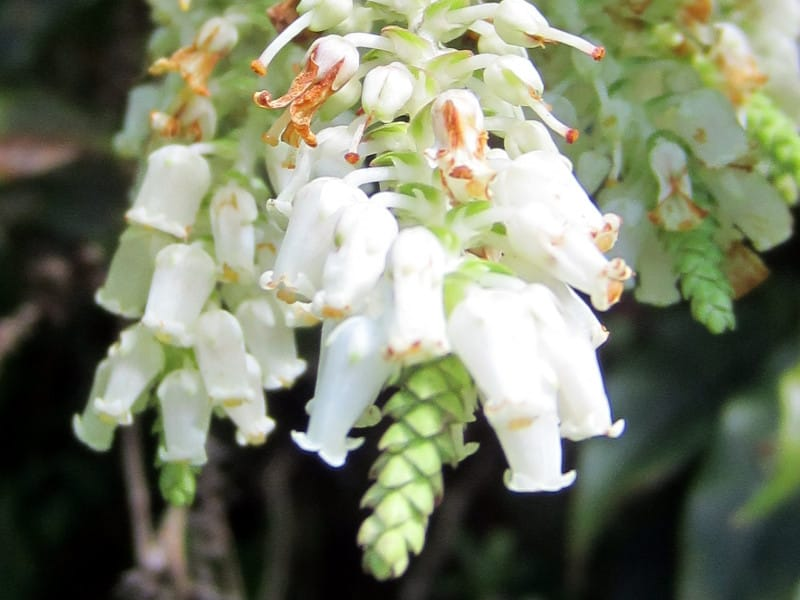
- Flower:On mature plants, small, delicate, starry white to greenish-white flowers appear in tiny clusters; they’re subtle but charming up close. If pollinated, small berries may form and ripen from green to dark purple-black, typically containing 1–3 seeds.
- Flowering Season:Spring–summer to late summer–autumn (often summer into autumn indoors); berries typically follow into autumn when conditions allow.
- Growth Habit:Fast-growing evergreen, clump-forming perennial with arching stems that trail, scramble, or climb when given support; can be trained on a small trellis for airflow and a tidier shape.
🌤️ Environment
Sunlight
Best in bright, indirect light or light shade. Avoid harsh direct sun—especially midday—which can scorch and yellow the foliage. An east window, or a few feet back from a bright south/west window with sheer filtering, is ideal; it tolerates lower light but becomes thinner and slower.
Temperature
Comfortable at about 15–25°C (59–77°F), with best growth often around 20–25°C (68–77°F). Keep above 4–5°C (39–41°F); not frost tolerant. Hot, dry air (heaters, vents, droughty rooms) can trigger yellowing and leaf drop.
Humidity
Prefers moderate to high humidity—around 50%+ is a sweet spot. Use a pebble tray, humidifier, grouping, or light misting during hot/dry spells (while still keeping reasonable airflow to prevent mold).
Soil
Loose, well-draining yet slightly moisture-retentive mix. A reliable blend is quality potting mix plus organic matter (leaf mold/compost, peat or coco coir) and drainage material like perlite/coarse sand. Slightly acidic to neutral is fine. Drainage is essential to prevent root rot.
Placement
Indoors: living room, study/office, bedroom, or a bright bathroom (great for humidity) in filtered light. Outdoors in warm months: bright shade on an east/north balcony or patio; avoid blazing sun and windy, drying spots.
Hardiness
USDA Zone 9–11 outdoors (frost-free); otherwise grown as a houseplant or brought indoors for winter.
🪴 Care Guide
Difficulty
Moderate overall (often easy once settled): it mainly asks for the “middle path”—bright filtered light, even moisture, and decent humidity. The two big pitfalls are harsh sun and waterlogged soil.
Buying Guide
Pick a plant with dense, vibrant green sprays and minimal yellowing, drop, or dry tips. Check the potting mix: avoid sour-smelling or constantly wet soil (a red flag for root issues). Also inspect for spider mites/scale/mealybugs. For hanging baskets, starting in a 15–18 cm (5.9–7.1 in) pot usually balances fullness and manageability.
Watering
Water thoroughly, then let the top 2–3 cm (0.8–1.2 in) dry slightly before watering again. Aim for evenly moist soil—not soggy, not bone-dry. Never leave water standing in the saucer. In summer or during active growth, it may need more frequent watering; in autumn/winter, reduce and allow the mix to dry a bit more between waterings, especially in cool rooms. Low humidity + underwatering commonly shows up as brown tips; overwatering commonly shows up as yellowing and collapse.
Fertilization
During spring–summer, feed about every 4–6 weeks (or roughly monthly) with a balanced liquid houseplant fertilizer at half strength. Ease off in autumn and winter (every 2 months or pause if growth stalls). Avoid overfeeding, which can push overly long, weak stems. If you’re aiming for blooms/berries on a mature plant, a light phosphorus-leaning “bloom” feed once before the flowering period may help—without heavy, frequent feeding.
Pruning
Prune in spring (often during repotting). Remove yellow, dead, or overly long stems at the base to make room for fresh shoots. Light tip-trimming/pinching of very young shoots (around 2–3 cm / 0.8–1.2 in long) can encourage branching and a fuller look. Training on a small support improves airflow and helps prevent a tangled, crowded center.
Propagation
Division is the simplest and most reliable: in spring, lift the root mass and split into sections with roughly 3–5 stems (or 2–4 shoots) per division, minimizing root damage; pot up and keep in bright shade while re-establishing. Seed is also possible: sow shallowly in a well-draining seed mix, keep warm around 20–22°C (68–72°F) and evenly moist; soaking seeds for ~24 hours can improve germination. Germination may take a few weeks; pot up when seedlings are sturdy (often around 5 cm / 2 in tall).
Repotting
Repot in spring when root-bound. Many indoor plants appreciate repotting about every 1–2 years (hanging baskets often every ~2 years), while slower-growing specimens may go 2–3 years. Move up just one pot size and refresh the mix; gently loosen circling roots. A 12–15 cm (4.7–5.9 in) pot fits standard plants; 15–18 cm (5.9–7.1 in) suits hanging baskets; 20–25 cm (7.9–9.8 in) can support larger, more mature plants and may improve chances of flowering/seed set.
📅 Seasonal Care Calendar
Spring: repot/divide, prune to shape, resume regular watering and monthly feeding. Summer: protect from harsh sun; keep evenly moist; raise humidity during heat. Autumn: reduce watering and feeding; flowering/berries may occur on mature plants. Winter: keep above 4–5°C (39–41°F), give bright light, water sparingly, and avoid cold drafts plus wet soil.
🔬 Pests, Diseases & Safety
Common Pests & Diseases
Common pests include spider mites (often in hot, dry air), scale, mealybugs, and occasionally aphids. Treat early with rinsing, insecticidal soap, or horticultural oil; repeat every 7–10 days as needed and increase humidity to discourage mites. Diseases/problems include root rot from waterlogging, plus Botrytis/leaf blight or leaf spots in stagnant, overly wet conditions—improve airflow, avoid late-day wet foliage, and remove affected growth. Typical stress signals: yellowing (too wet/too much sun/nutrient issues), brown tips (low humidity/irregular watering), and leaf drop after sudden environmental changes.
Toxicity
Mildly toxic if ingested. Berries are the main concern and can cause gastrointestinal upset (vomiting/diarrhea) in pets and people. Sap/fine foliage may irritate sensitive skin. Keep out of reach of children and pets, especially when berries are present.
🎋 Culture & Symbolism
Symbolism:Often linked with enduring love and long-lasting affection (a classic gift plant). In Feng Shui it’s also associated with gentle protection, steady growth, and supportive energy for study/career spaces.
History & Legends:Native to southern Africa, Asparagus setaceus has been grown worldwide as an ornamental for its delicate greenery and its usefulness in floral design. It has also been recognized by the Royal Horticultural Society (Award of Garden Merit) for garden performance and ornamental value.
Uses:Ornamental houseplant for pots, shelves, and hanging baskets; adds soft texture and movement to plant displays. Widely used as florist greenery (“filler”) in bouquets, baskets, and wreaths. It can modestly contribute to a fresher-feeling indoor environment by adding humidity through transpiration (and is often cited in popular sources as an air-improving plant).
❓ FAQ
Why is my asparagus fern turning yellow and dropping?
The most common culprits are waterlogged soil (or poor drainage), harsh direct sun, very dry heat/low humidity, or compacted old potting mix. Move it to bright indirect light, refresh or loosen the mix if it has compacted, water evenly without leaving it soggy, and raise humidity—especially in summer or heated rooms.
Can asparagus fern grow in low light?
It can tolerate lower light, but it will grow slower and look thinner. For that classic fluffy, lacey look, bright filtered light is the sweet spot.
How do I increase humidity without causing mold?
Use a humidifier or pebble tray, and give the plant breathing room for airflow. If you mist, do it lightly and earlier in the day so the foliage isn’t staying wet overnight.
Why does my plant flower but not set berries/seeds?
Plants may be too young, or pollination may be poor—dense growth and low airflow make it harder for pollen to move. Improve light (bright indirect), thin overcrowded stems for airflow, and give a light bloom-supporting feed before flowering if nutrition has been minimal.
Is it good for terrariums?
Yes, in larger/open terrariums or humid displays where it has room and airflow. It loves humidity, but cramped, stagnant conditions can encourage mold.
💡 Fun Facts
- It isn’t a true fern—it’s an asparagus relative, and the “needles” are actually cladodes (modified stems).
- It forms tuberous roots that store water, helping it bounce back from short dry spells (though it still dislikes prolonged drought).
- In warm, frost-free regions it can spread vigorously via seeds (often dispersed by birds) and underground growth—so it’s considered invasive in some places.
- Those airy sprays have been a floristry staple for decades as bouquet and wreath filler.