🌱 Plant Features
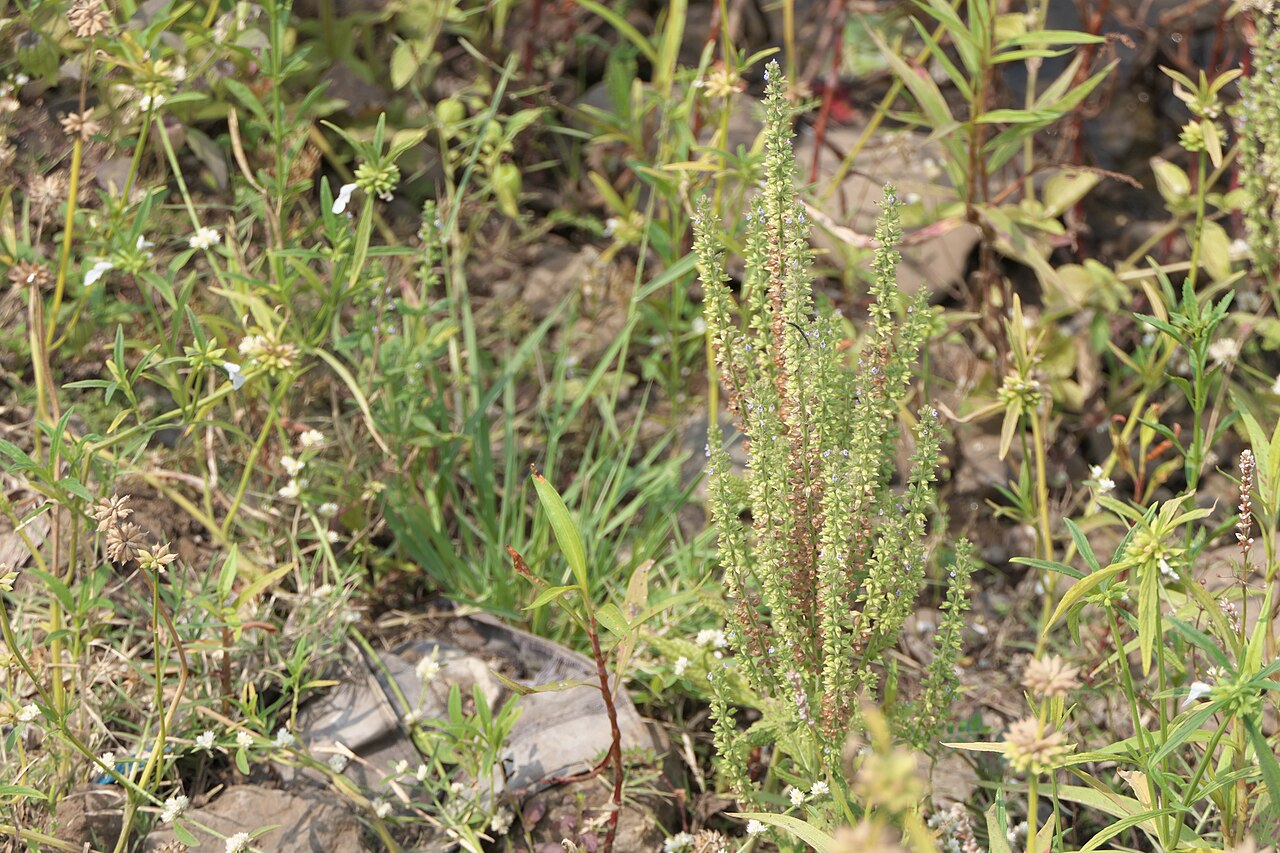
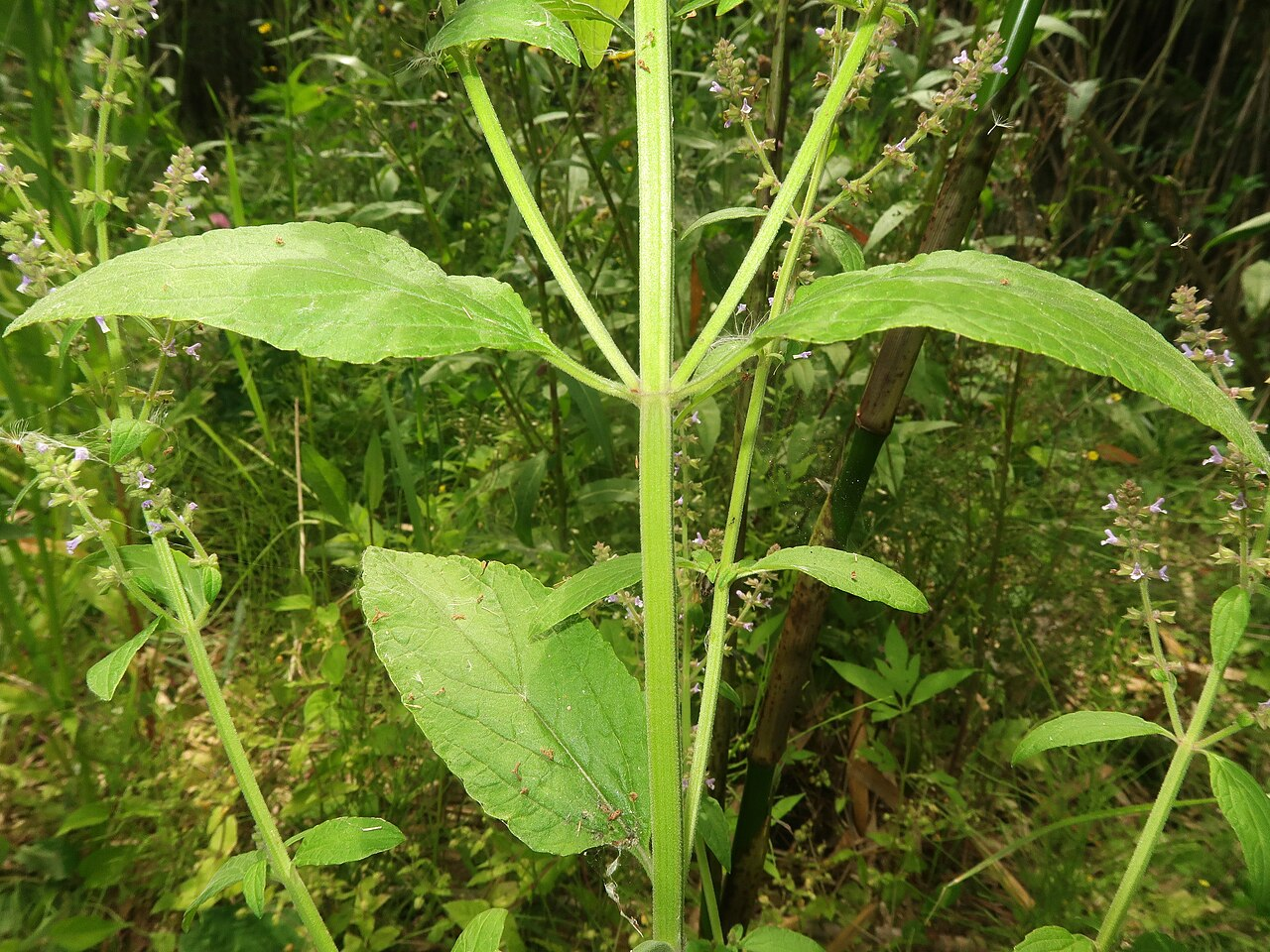
- Size:Typically 15–90 cm (6–35 in) tall; size varies strongly with moisture, soil fertility, and competition from surrounding plants.
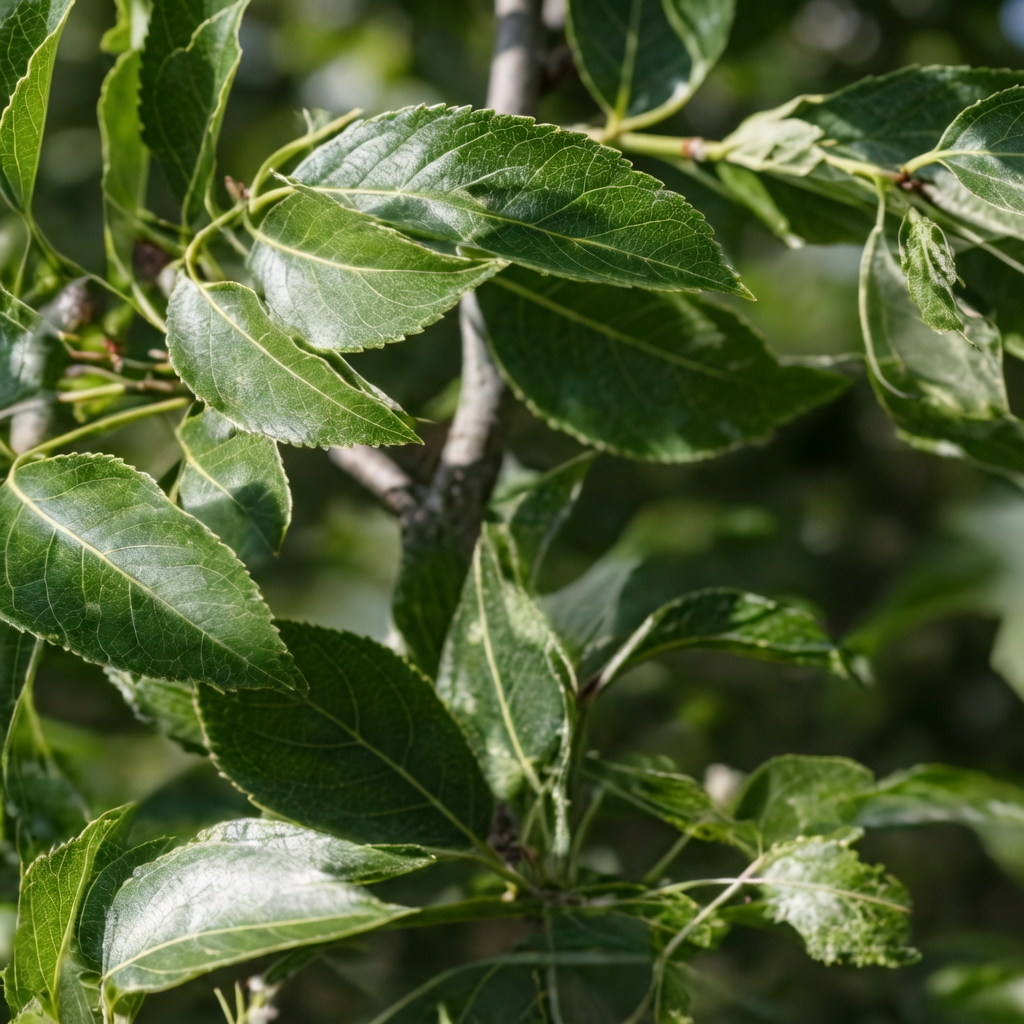
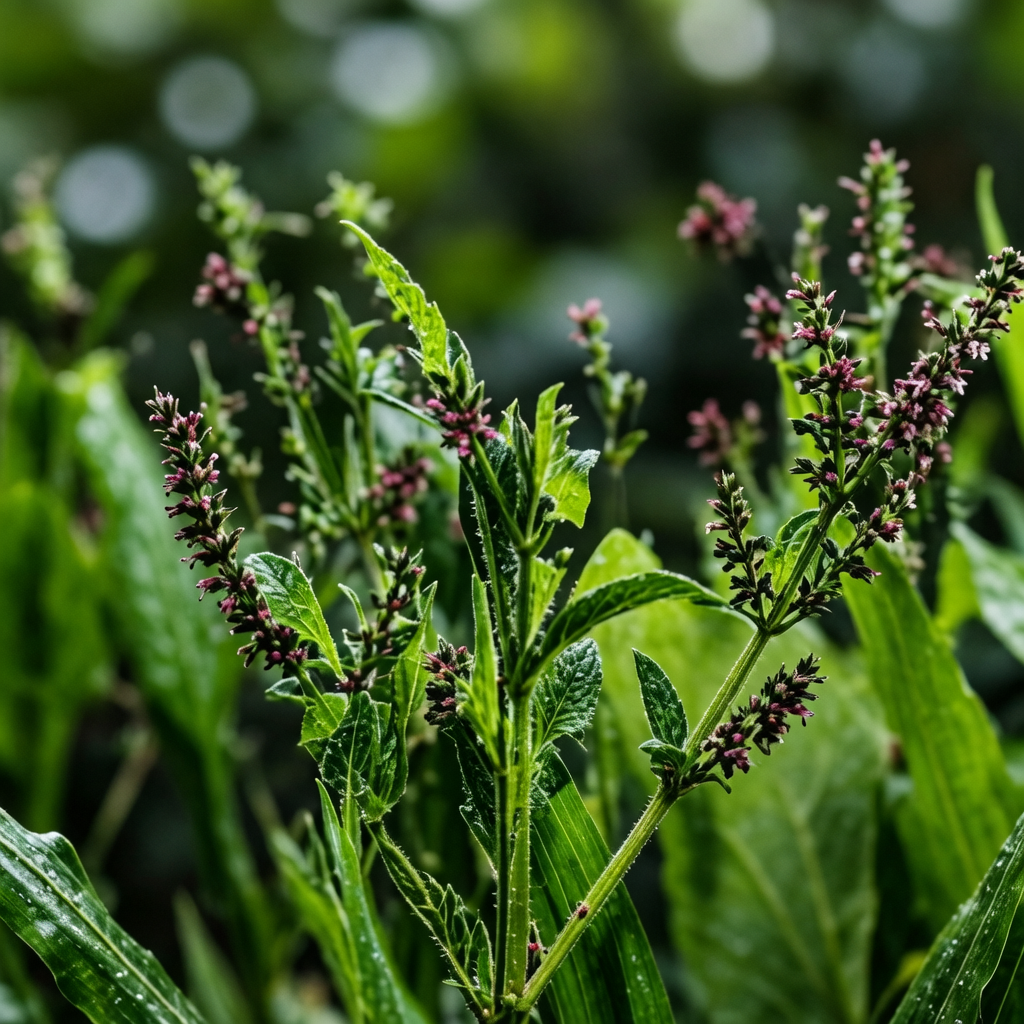
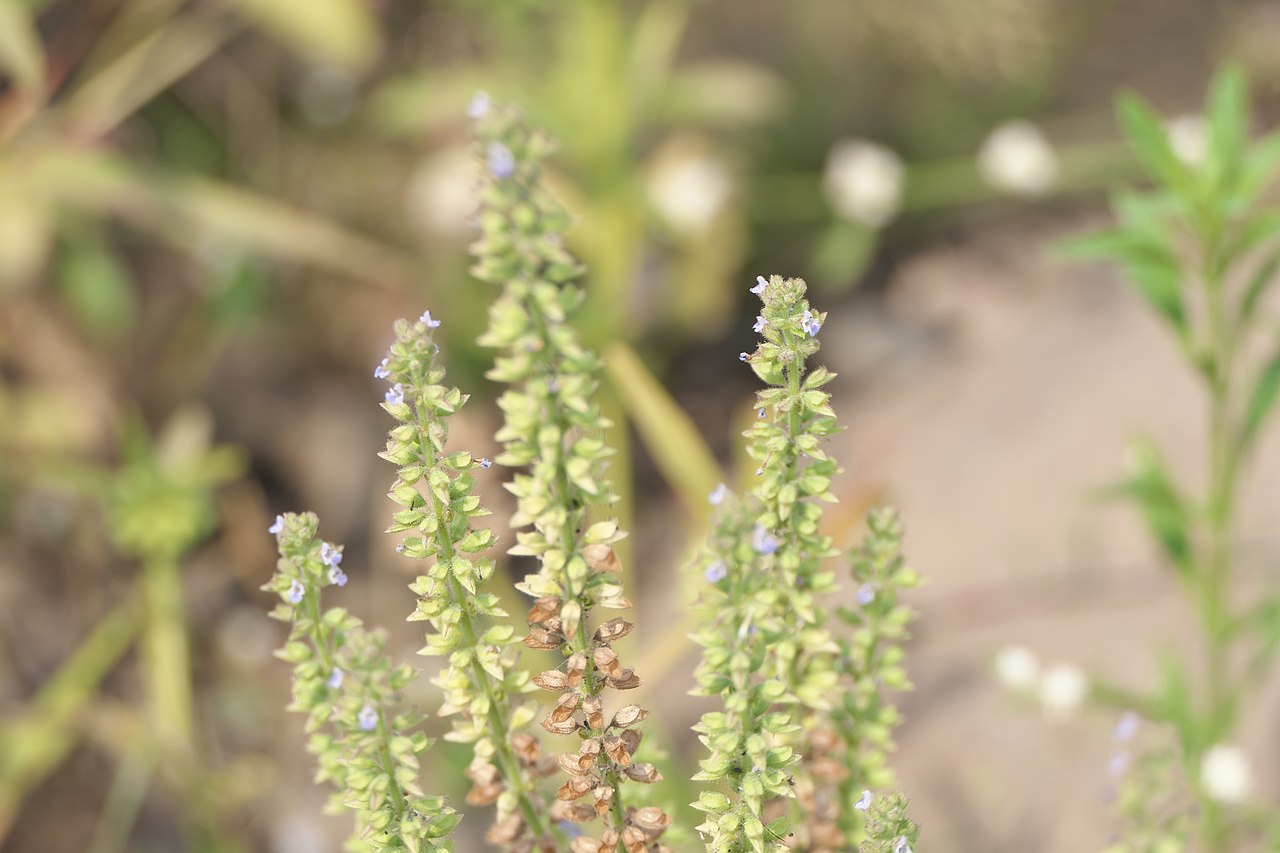
- Foliage:Leaves are oval-ovate to elliptic-lanceolate. The plant has the classic mint-family look: upright, sturdy stems that are often much-branched, giving it a busy, tufted appearance when grown well.
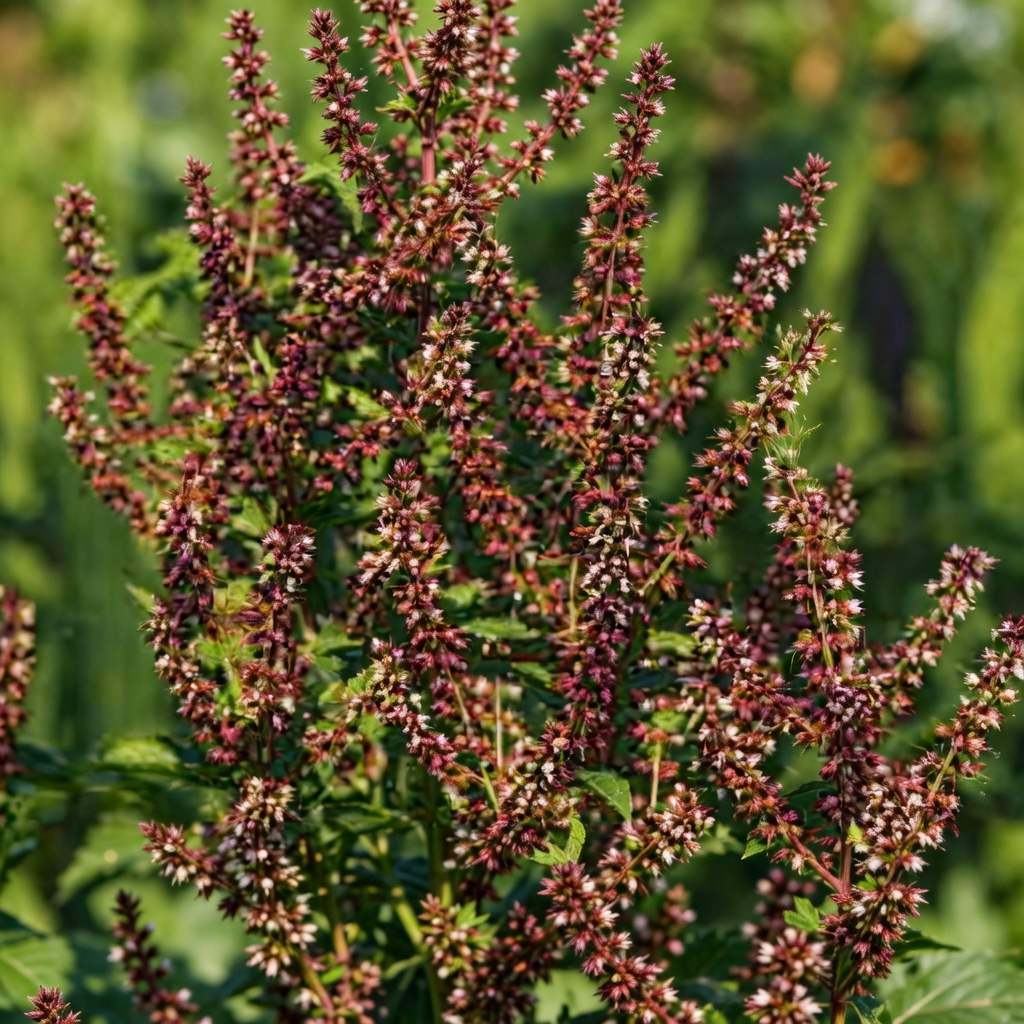
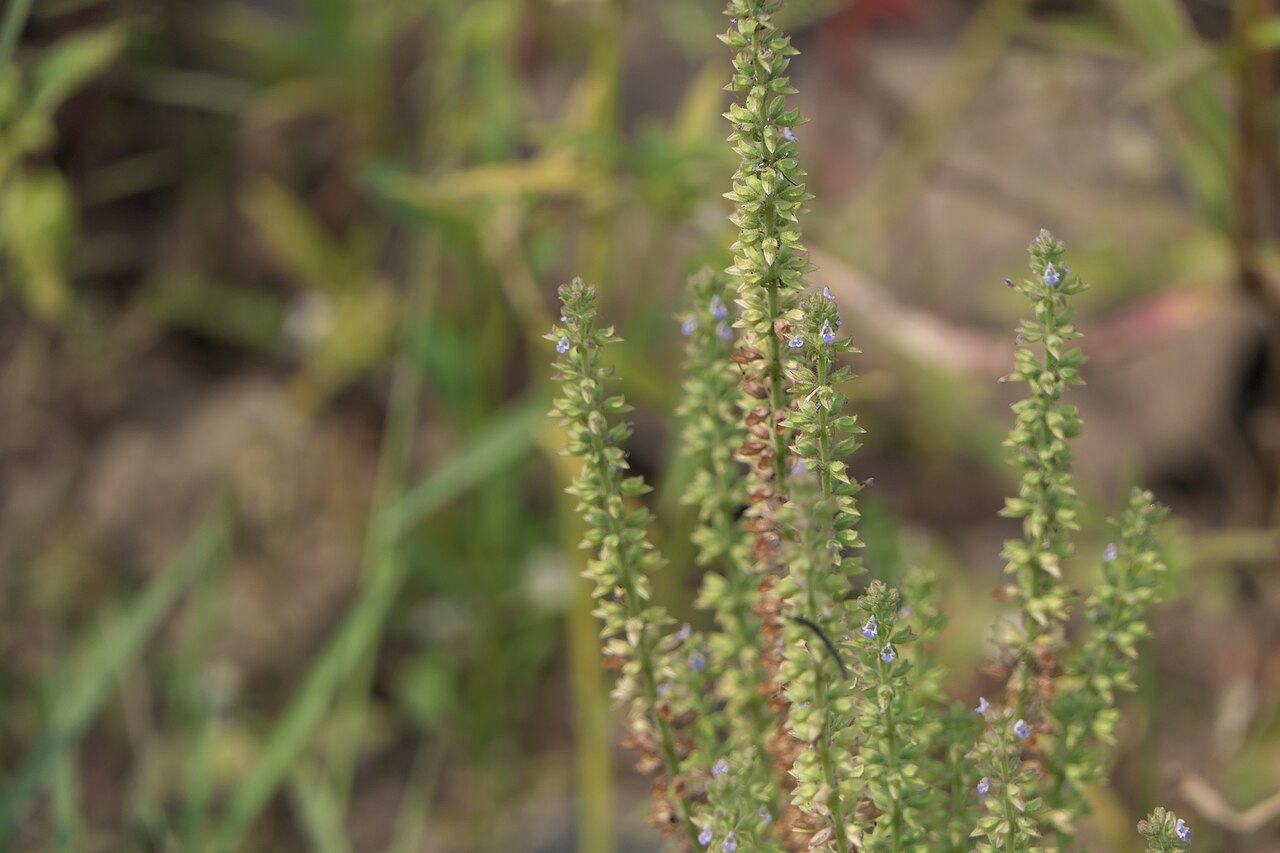
- Flower:Many small flowers are produced in whorled (verticillaster) clusters spaced along the stems. After flowering, it forms small nutlets (the typical Salvia/Lamiaceae fruit type).
- Flowering Season:April–May (spring).
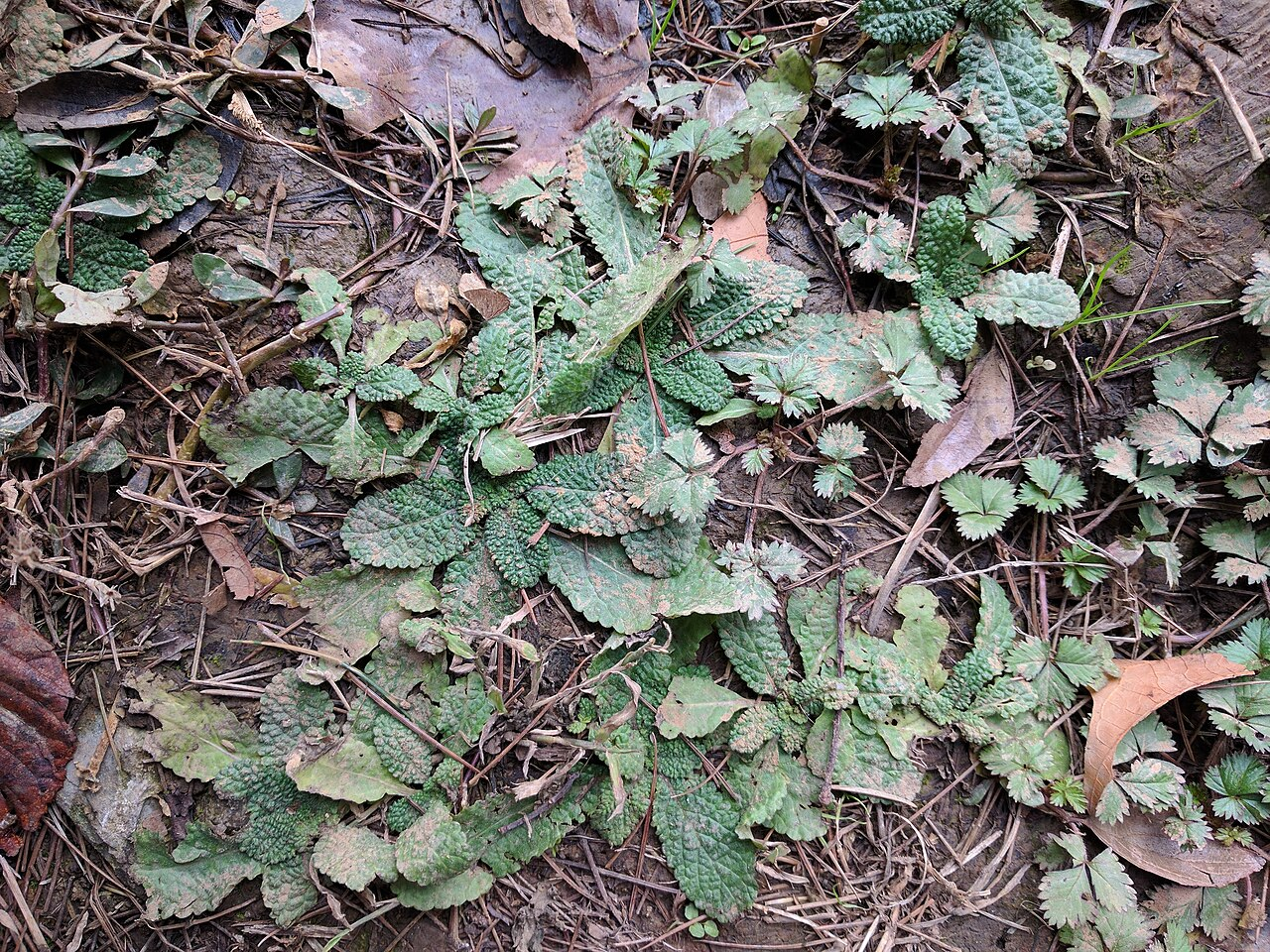
- Growth Habit:An upright, branched herb that behaves as an annual or biennial depending on local climate; biennials may overwinter as a basal rosette in milder areas.
🌤️ Environment
Sunlight
Full sun to partial shade; brighter light usually gives sturdier stems and better flowering.
Temperature
Prefers cool to warm growing conditions, about 10–30°C (50–86°F).
Humidity
Average to moderately humid conditions; not a fan of prolonged drought, and spider mites can appear if it stays too dry.
Soil
Likes consistently moist but well-drained soil; loam or sandy loam is ideal. Avoid waterlogged, sour-smelling soil.
Placement
Best outdoors in a wildflower corner, wild greens patch, or naturalistic garden bed. It also naturalizes easily at field edges, ditch banks, roadsides, and open slopes.
Hardiness
Often hardy in temperate regions; roughly USDA Zone 6–10 (about −23 to −1°C / −10 to 30°F depending on local conditions and whether it behaves as an annual or overwinters as a biennial). Not reliably frost-proof as a standing plant in colder winters, but can persist by seed.
🪴 Care Guide
Difficulty
Easy. A resilient, adaptable plant that often grows readily wherever the soil stays lightly moist and there’s decent light.
Buying Guide
Look for seed or plants clearly labeled Salvia plebeia from a reputable source. Choose compact, fresh green growth; avoid leggy plants and any potting mix that smells sour or stays constantly soggy.
Watering
To establish: keep soil evenly moist. After establishment: water when the top 2–3 cm (about 1 in) dries out. Aim for “moist, not soaked”—it dislikes constant waterlogging but also shouldn’t be left bone-dry for long periods.
Fertilization
Usually minimal feeding is enough. If grown in poor soil or containers, use a balanced fertilizer at 1/4–1/2 strength every 4–6 weeks during active growth.
Pruning
Pinch young shoots to encourage bushier branching. For a tidier look (or to reduce self-seeding), remove spent flower stems before seeds mature.
Propagation
Primarily by seed and it may self-seed readily. Sow in spring or autumn; lightly cover the seed and keep evenly moist until germination.
Repotting
If grown in containers, repot in spring into a well-draining mix and a pot with drainage holes. Move up one pot size—about 2–5 cm (1–2 in) wider.
📅 Seasonal Care Calendar
Spring: fast growth and flowering—keep evenly moist and give bright light. Summer: fruiting/seed set—water a bit less once established, but don’t let it bake dry for long stretches. Autumn: collect seed or let plants reseed naturally. Winter: annual plants die back; biennial plants may overwinter as a rosette in mild climates.
🔬 Pests, Diseases & Safety
Common Pests & Diseases
Generally hardy. Watch for aphids, spider mites during hot/dry spells, and powdery mildew when airflow is poor. Improve spacing/airflow, avoid late-day overhead watering, and rinse pests off early before populations build.
Toxicity
Not widely documented as toxic and it has a history of use as a wild edible green in some regions. Still, correct identification matters—avoid eating any wild plant unless you’re 100% sure, and keep pets/children from indiscriminate nibbling. If using medicinally, follow reliable local guidance rather than self-prescribing.
🎋 Culture & Symbolism
Symbolism:As a wild, resilient salvia, it’s often associated (informally) with toughness and adaptability—thriving where the ground is a bit rough and disturbed.
History & Legends:While not famous in global garden lore, it has a long-standing local presence in China as a familiar roadside herb—valued more for practical use than for legend.
Uses:Traditionally gathered as wild edible greens in some regions. Also used in folk herbal practice (whole plant) for issues such as bruises/sprains, swellings, and cold/flu-like symptoms—traditional use only and not a substitute for medical care.
❓ FAQ
Is Asian sage the same as culinary sage (Salvia officinalis)?
No. Salvia plebeia is a different Salvia species from culinary sage (Salvia officinalis), with a different growth habit, flavor profile, and traditional uses.
Does it need full sun?
It tolerates partial shade, but full sun to bright light usually produces sturdier growth and better flowering.
Will it come back next year?
Often yes—either by self-seeding (common) or by overwintering as a rosette where winters are mild. In colder areas it usually behaves as an annual unless seeds are allowed to mature.
💡 Fun Facts
- It’s a Salvia that often pops up in disturbed habitats like roadsides and field margins—nature’s little opportunist.
- Flowering is usually in April–May (spring), with nutlets often forming into early to mid-summer (around June–July).
- Plants can be anywhere from 15–90 cm (6–35 in) tall depending on moisture and competition.
- In China it is widespread, with notable absence mainly in parts of the far northwest and high-elevation regions.
- It’s considered a “food-and-medicine” plant in local tradition, with the whole herb used.