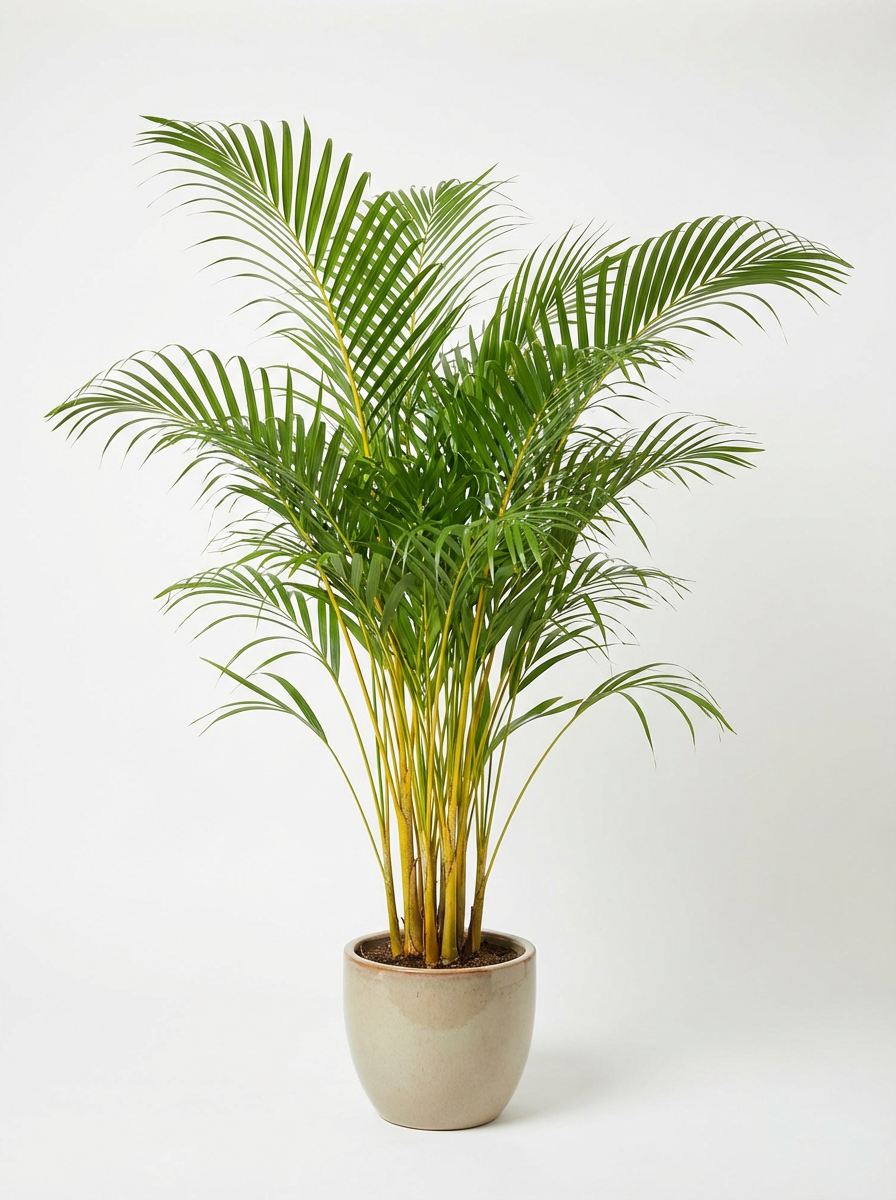
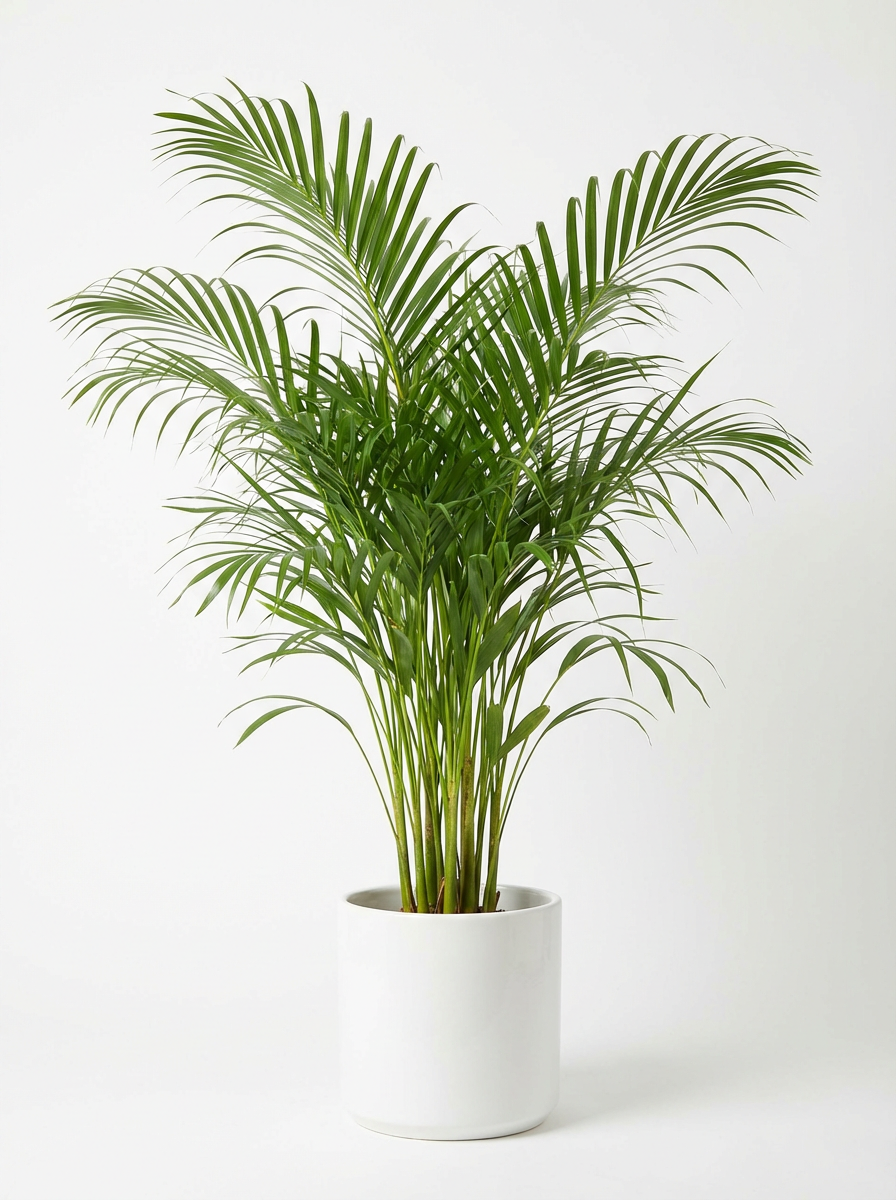
🌱 Plant Features
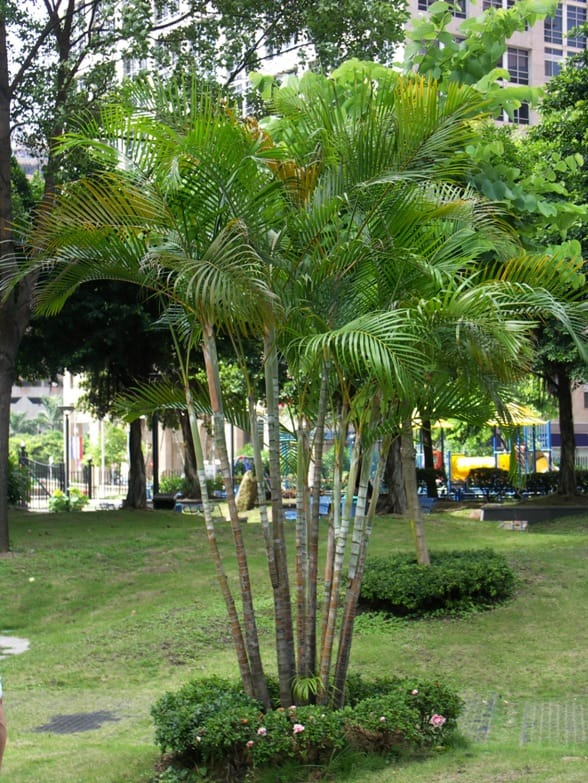
- Size:Indoors in containers, commonly reaches about 1.5–2.5 m (5–8 ft) tall with a spread around 1–2 m (3–6.5 ft); often listed as up to ~2 m × 1 m (6.6 ft × 3.3 ft) depending on pot size and light. In the ground in its native/warm climates it can reach roughly 6–10 m (20–30 ft).
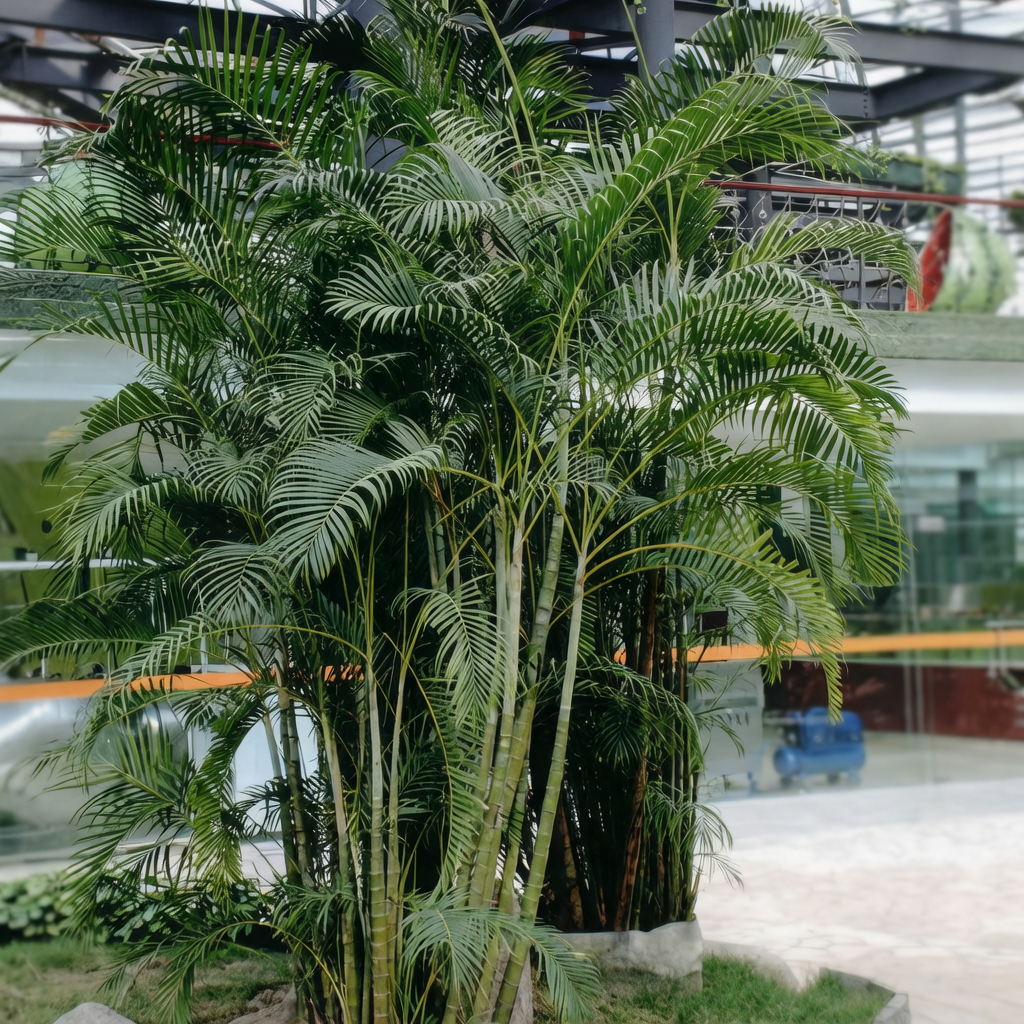
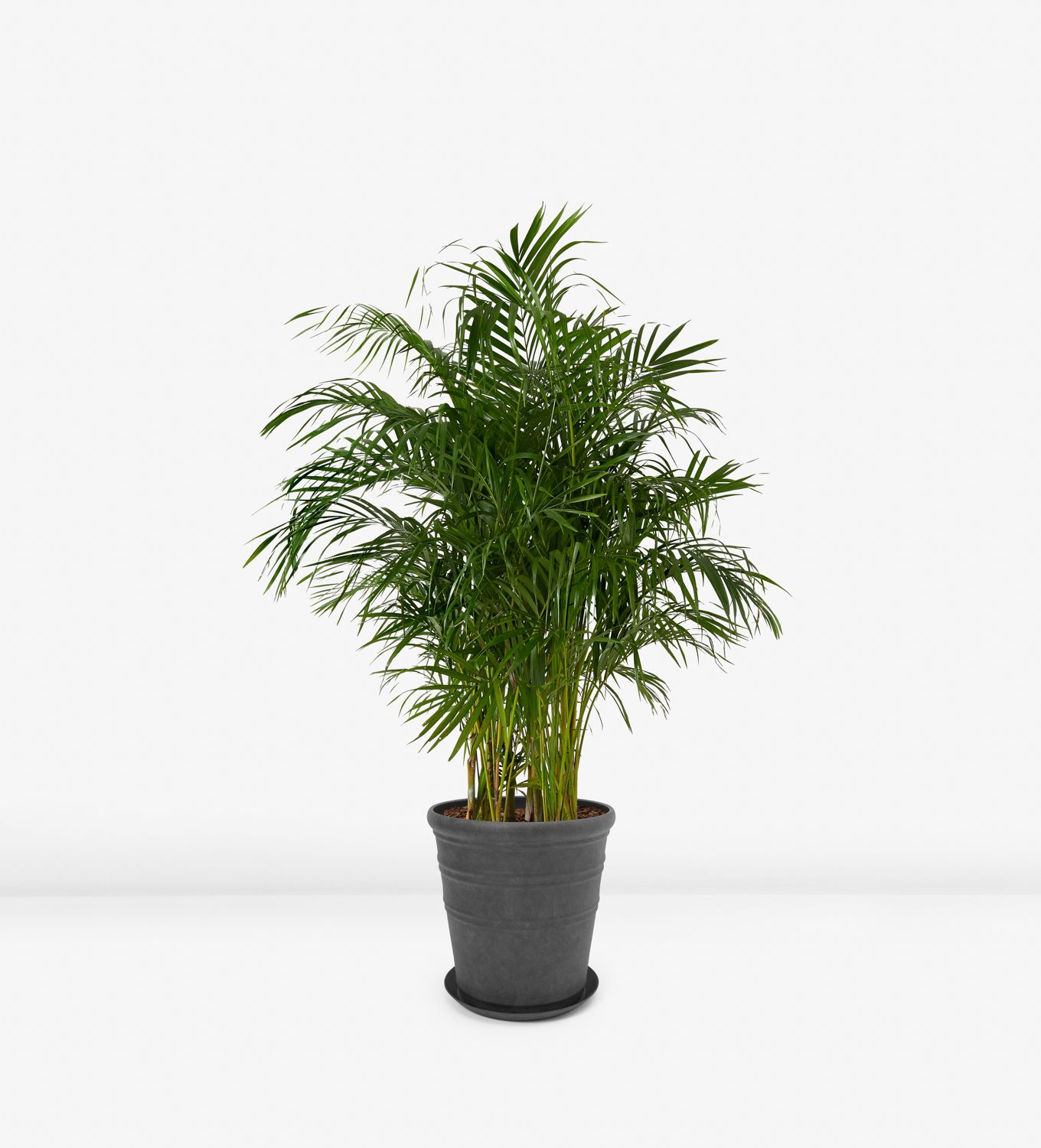
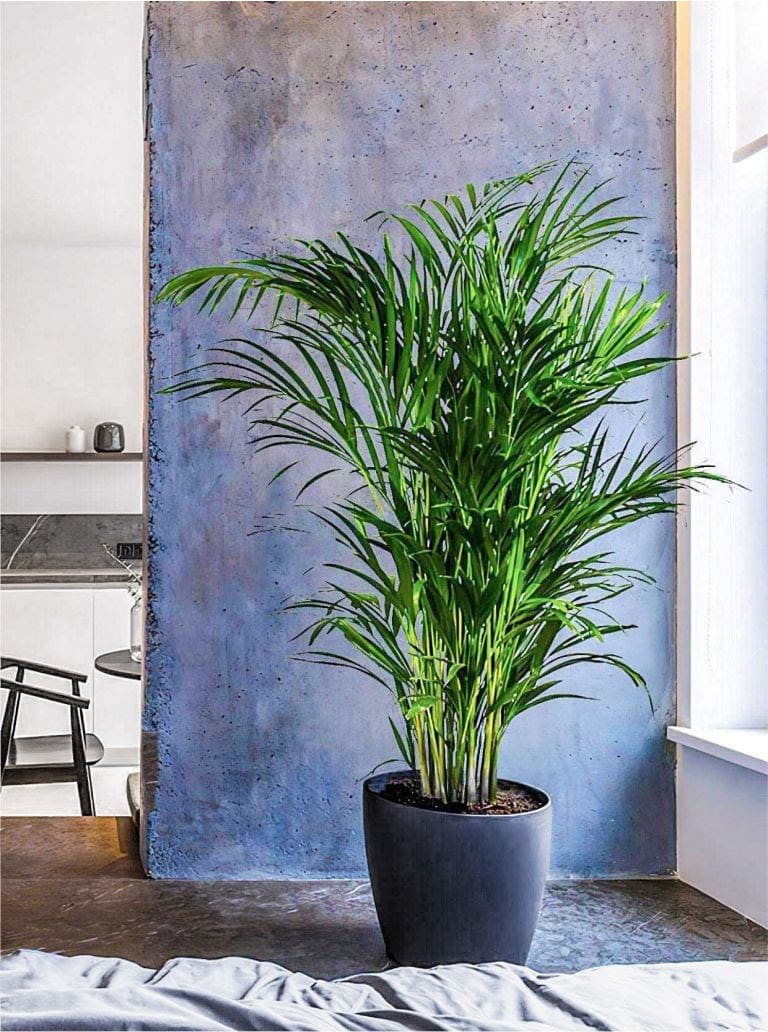
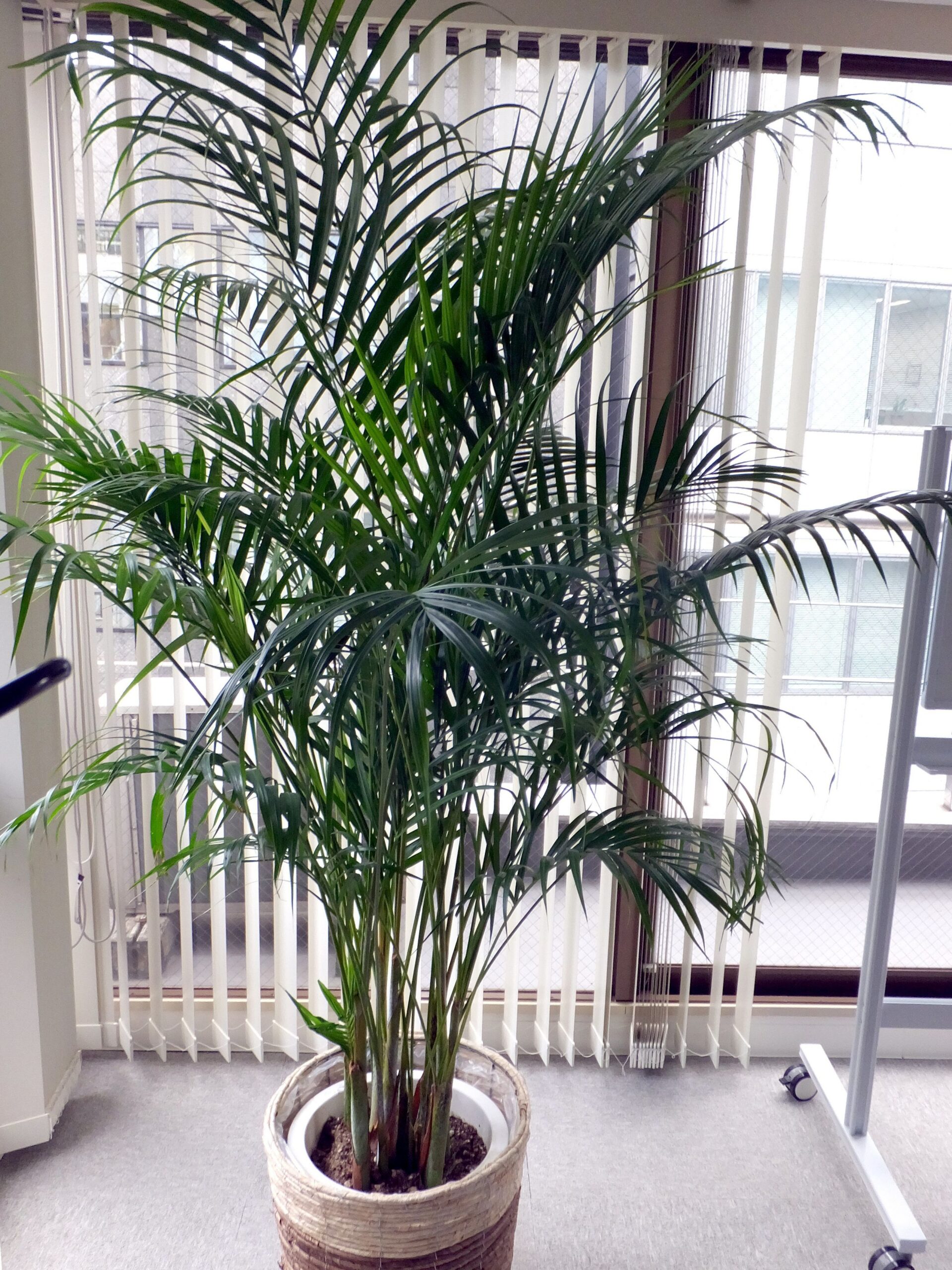
- Foliage:A dense crown of arching, pinnate (feather-like) fronds with many narrow leaflets, typically glossy mid- to deep green; some forms show yellow-green tones in the canes/rachis, giving rise to names like “Golden Cane Palm” and “Yellow Palm.” Fronds can be very long on mature plants (often around 1.5 m/5 ft or more). Low humidity, mineral-heavy water, or cold drafts commonly show up as brown leaflet tips; cold injury becomes more likely below about 5°C (41°F).
- Flower:Branched inflorescences (panicles) with small, typical palm flowers that can appear yellow to golden; blooming is most likely in warm outdoor conditions and is uncommon indoors.
- Flowering Season:Mostly summer outdoors; sometimes reported as spring (around April–May) in suitable climates. Rare indoors.
- Growth Habit:Multi-stemmed, clumping palm with many slender, upright cane-like stems arising from the base; forms offsets and develops a full, fountain-shaped silhouette as fronds arch outward.
🌤️ Environment
Sunlight
Bright, indirect or filtered light is ideal. It tolerates medium to lower light (growth slows), but harsh direct sun—especially midday—can scorch fronds. Near an east/north window, or set back from a bright south/west window with a sheer curtain works well; rotate the pot for even growth.
Temperature
Prefers warmth. A comfortable indoor range is about 13–24°C (55–75°F), and it can grow faster in warmer conditions up to around 20–35°C (68–95°F) with adequate humidity and water. Protect from cold drafts; keep above about 10°C (50°F). Damage is likely below ~5°C (41°F), and frost is not tolerated.
Humidity
Moderate to high humidity is best (aim for ~50%+). Benefits from regular misting, a pebble tray, or a humidifier. In dry air it’s prone to spider mites and brown tips.
Soil
Loose, rich, well-draining potting mix—often peat/coco-based or soil-based, amended with perlite/coarse sand (and optionally compost/leaf mold). Good drainage is essential; never let the pot sit in water.
Placement
Indoors: bright living rooms, studies, sunrooms, and offices; also works in a bright bathroom if light is sufficient. Keep away from blasting heaters/AC vents and drafty doors/windows. Outdoors (warm climates): filtered light or light shade is usually best.
Hardiness
USDA Zone 10–11; not frost-hardy.
🪴 Care Guide
Difficulty
Easy to moderate. It’s forgiving once settled, but looks its best with steady warmth, bright filtered light, evenly moist (not soggy) soil, and decent humidity. Common setbacks come from harsh sun, cold drafts, very dry air, or waterlogged soil.
Buying Guide
Choose a plant with multiple firm, cane-like stems and a full crown of clean green fronds. Avoid widespread yellowing, lots of brown tips, sticky residue, spotting, torn fronds, or signs of mites (fine webbing). Check that the pot drains freely and the root ball isn’t severely pot-bound. After bringing it home, give it bright indirect light (about light shade), keep it warm (ideally above 10–15°C / 50–59°F), and wait for clear new growth before feeding.
Watering
Keep the mix evenly moist during active growth, but never waterlog it. A good rule: water when the top 2–5 cm (1–2 in) feels dry, then water thoroughly and let excess drain away. In warmer months this may be frequent; in winter, reduce watering and allow the surface to dry more between waterings (don’t let the whole root ball stay bone-dry for long). Use room-temperature water; if your tap water is high in fluoride/salts, filtered, distilled, or rainwater can reduce brown-tip issues. Extra humidity (misting or humidifier) helps, but avoid leaving foliage wet for long periods in cool, still air.
Fertilization
Feed in spring through early autumn only. Depending on the product and growth rate, either fertilize lightly every 2 weeks with a balanced liquid feed at half strength, or give 2–3 well-spaced feeds across the growing season. Pause in winter (or whenever growth slows). Avoid over-fertilizing and flush the pot occasionally to prevent salt buildup.
Pruning
Minimal pruning: remove fully brown or dead fronds at the base. Avoid cutting healthy green fronds. If needed, you can trim only the truly brown tips for appearance (don’t cut into green tissue). Thinning an overly crowded clump during repotting can improve airflow and reduce leaf-spot problems.
Propagation
Most commonly by division in spring: lift the clump and separate into sections with a solid root system (often 2–4 canes per division). Keep divisions warm and humid while they re-establish. Seed propagation is possible but slow for home growers; sow fresh seed warm (about 22–25°C / 72–77°F or warmer), keeping moisture steady—germination can take many weeks.
Repotting
Repot every 2–4 years in spring, or sooner if badly root-bound. Move up only one pot size at a time (often into a 20–30 cm / 8–12 in pot for typical home specimens). Use fresh, well-draining mix and make sure drainage holes stay clear; keep the plant lightly shaded and evenly moist while it recovers.
📅 Seasonal Care Calendar
Spring: best time to repot/divide; increase watering as growth resumes; begin light feeding. Summer: protect from harsh sun (about 50% filtered light outdoors); water more consistently; boost humidity; watch for mites/scale. Autumn: gradually reduce feeding and watering. Winter: brightest indirect light; keep above 10°C (50°F); water less (but don’t let roots desiccate); avoid heaters/drafts; fertilize little to none.
🔬 Pests, Diseases & Safety
Common Pests & Diseases
Most common indoor pests are spider mites (especially in dry air), scale, and mealybugs. Raise humidity, rinse foliage, and treat with insecticidal soap or horticultural oil (repeat treatments are often needed). Leaf spot/blight can show up with poor airflow and persistently wet foliage—remove affected fronds, improve ventilation, and avoid late-day misting in cool rooms. Root rot is usually a drainage/overwatering issue. Outdoor palms may be vulnerable to serious palm diseases in some regions; overall, prevention through good culture (drainage, airflow, inspection) is the best defense.
Toxicity
Generally considered non-toxic to humans and commonly listed as non-toxic to cats and dogs. As with most houseplants, chewing large amounts may still cause mild stomach upset in sensitive pets.
🎋 Culture & Symbolism
Symbolism:Often linked with elegance, welcome, and calm—basically “instant resort energy” for a room. In Feng Shui it’s commonly associated with bringing positive, uplifting vibes to living spaces.
History & Legends:Native to Madagascar and cultivated worldwide since the 19th century as a signature interior palm. It’s frequently marketed as an “air-purifying” houseplant, and its cane-like stems have also inspired everyday nicknames such as “Bamboo Palm.”
Uses:Primarily ornamental—one of the best palms for bright indoor rooms and a popular choice for offices and public spaces. In frost-free climates it’s also used outdoors in gardens and courtyards for a dense, tropical screen or accent planting. Many people grow it for its reputation of improving the feel of indoor air and boosting humidity.
❓ FAQ
Why do the leaf tips turn brown?
The usual culprits are low humidity, inconsistent watering (too dry then too wet), mineral-heavy/fluoridated tap water, or excess fertilizer salts. Increase humidity, water more evenly, switch to filtered/distilled/rainwater if needed, and flush the pot occasionally. Also check for spider mites if the air is dry.
Can it live in low light?
It can tolerate lower light (even office lighting), but it won’t grow as full or fast. For the best look, give bright, indirect light—think “near a window, but not in harsh sun.”
How often should I water it?
Water when the top 2–5 cm (1–2 in) of mix is dry, then drain well. In warm, bright conditions that may be frequent; in winter it’s much less. The goal is evenly moist soil, never soggy.
When should I repot?
In spring every 2–4 years, or when roots are densely circling and the plant dries out very quickly. Move up only one pot size and use a fresh, well-draining mix.
Is areca palm the same as the ‘true’ areca palm?
No—this common houseplant is Dypsis lutescens. The “true areca palm” is Areca catechu (betel nut palm). The shared nickname is a long-standing horticultural mix-up.
💡 Fun Facts
- Despite the name, the popular houseplant “Areca Palm” is Dypsis lutescens, not Areca catechu.
- Its many cane-like stems are natural—mature plants are supposed to look like a fountain of fronds.
- Brown tips are often a humidity and water-quality clue; improving humidity can make new growth noticeably prettier.
- In warm climates it can become a sizable outdoor palm, far taller than it ever gets in a pot indoors.
- It’s frequently praised as a natural humidifier and a classic “freshen up the room” foliage plant.