🌱 Plant Features
- Size:In pots, often kept compact around 30 cm (12 in) tall with pruning, commonly in a 15–20 cm (6–8 in) diameter pot. In warm climates, mature plants are typically about 0.6–2 m (2–6.5 ft) tall and 0.6–1.5 m (2–5 ft) wide; with training as a vine/clambering plant it may reach roughly 1–3 m (3–10 ft).
- Foliage:Leaves are opposite, simple, oval to elliptic, dark green and glossy with a slightly leathery look. Strong light keeps foliage darker and growth sturdy; low light often causes paler leaves and leggy shoots. Yellowing can signal nutrient stress (often nitrogen) or root/watering issues. Cold around 0°C (32°F) can cause leaf and tip dieback.
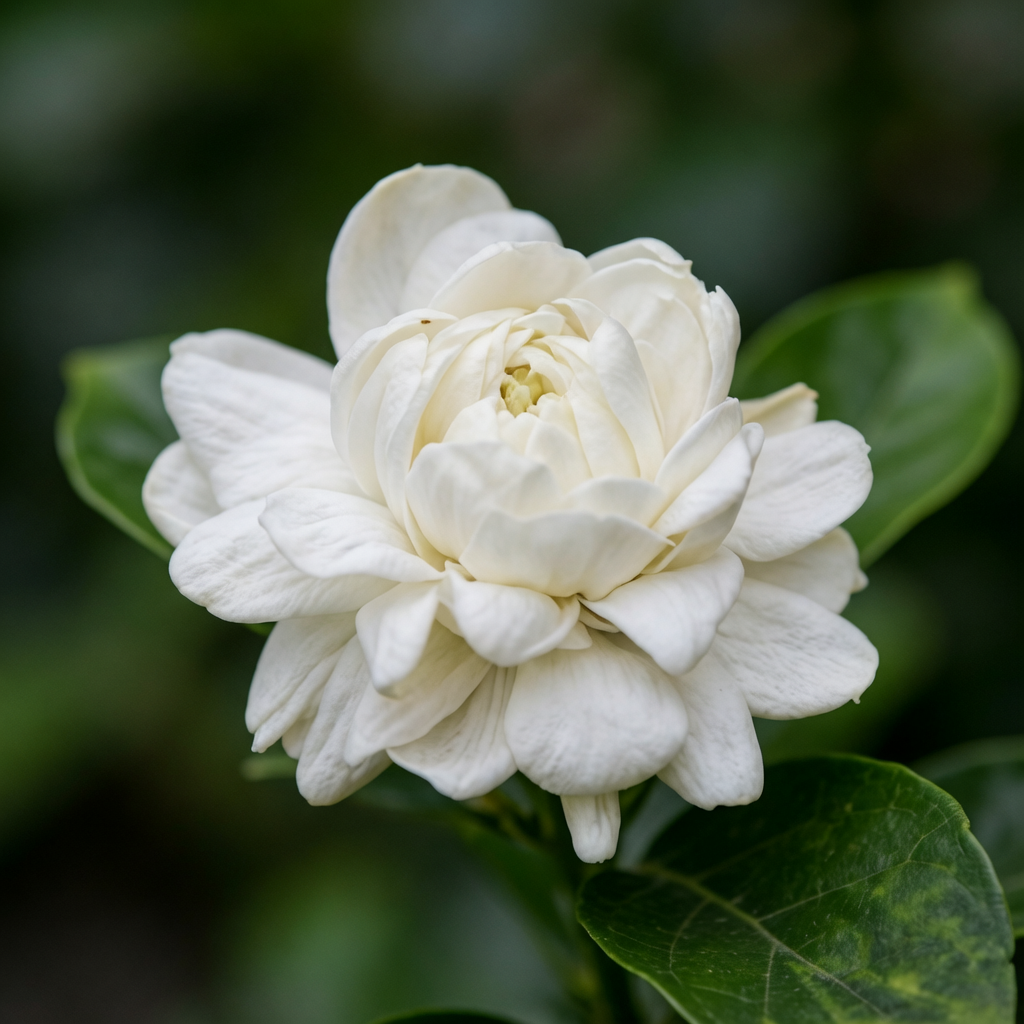
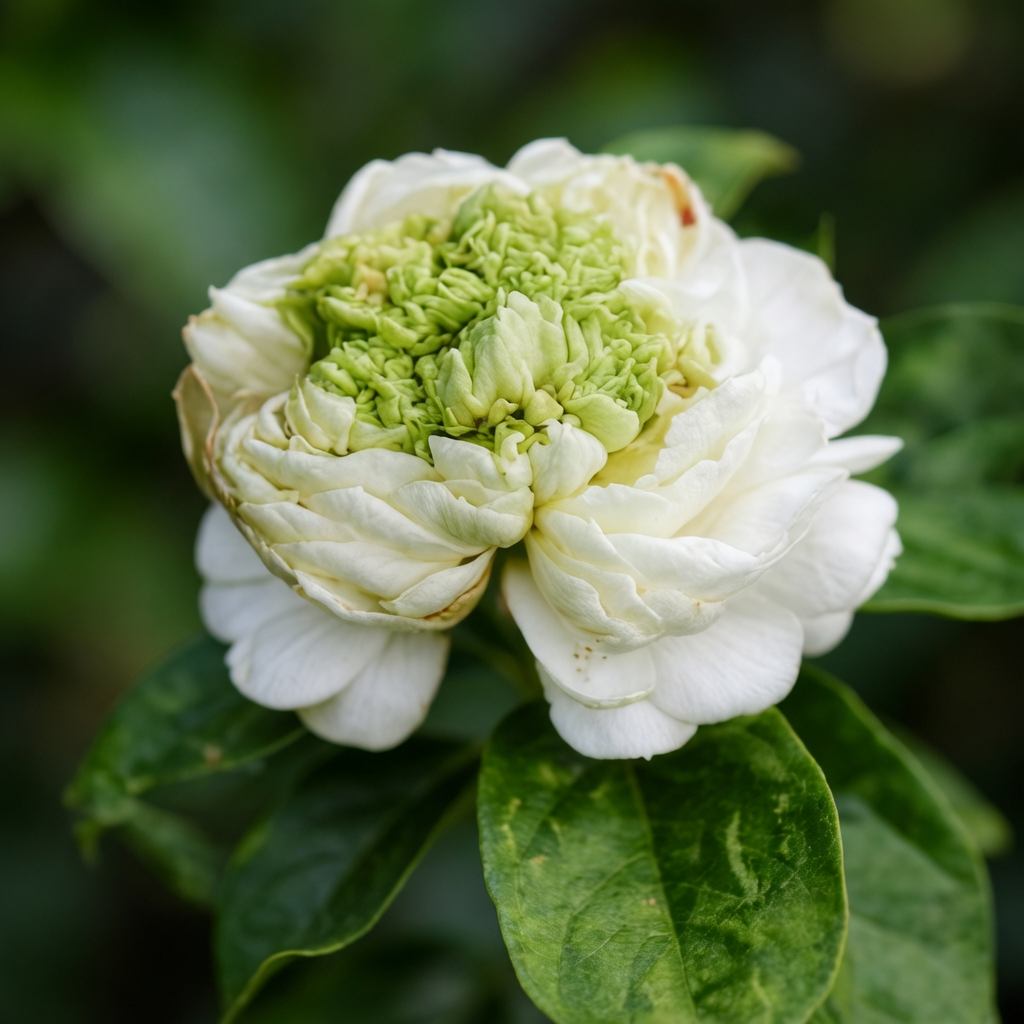
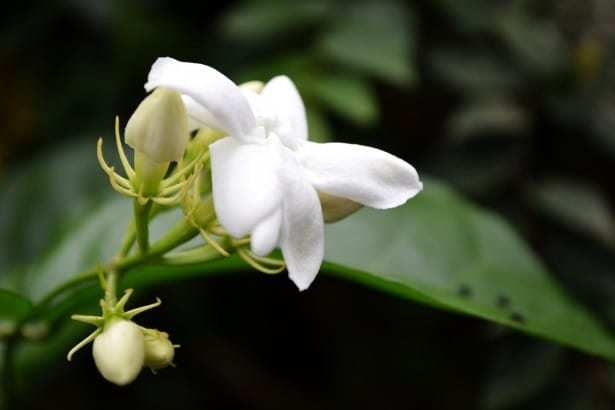
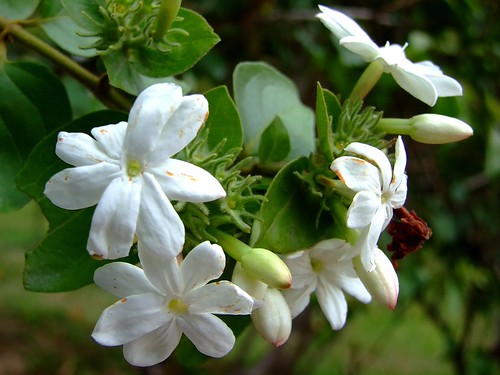
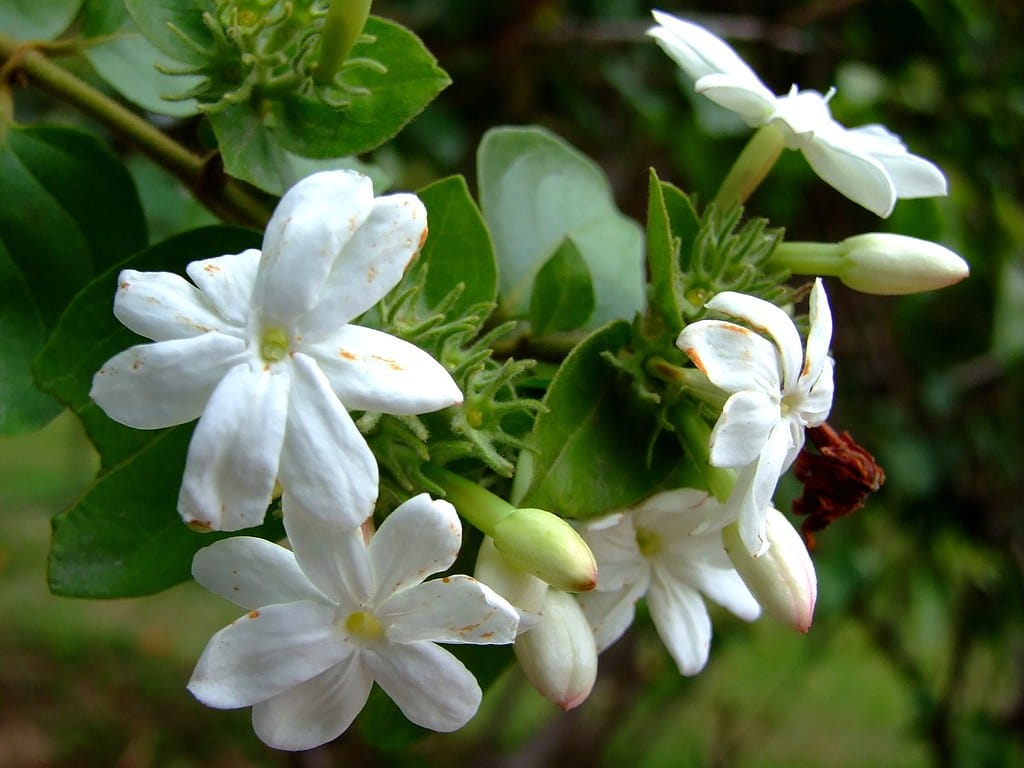
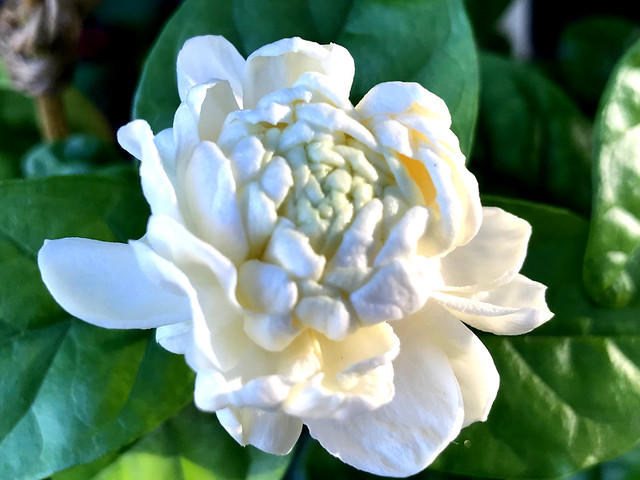
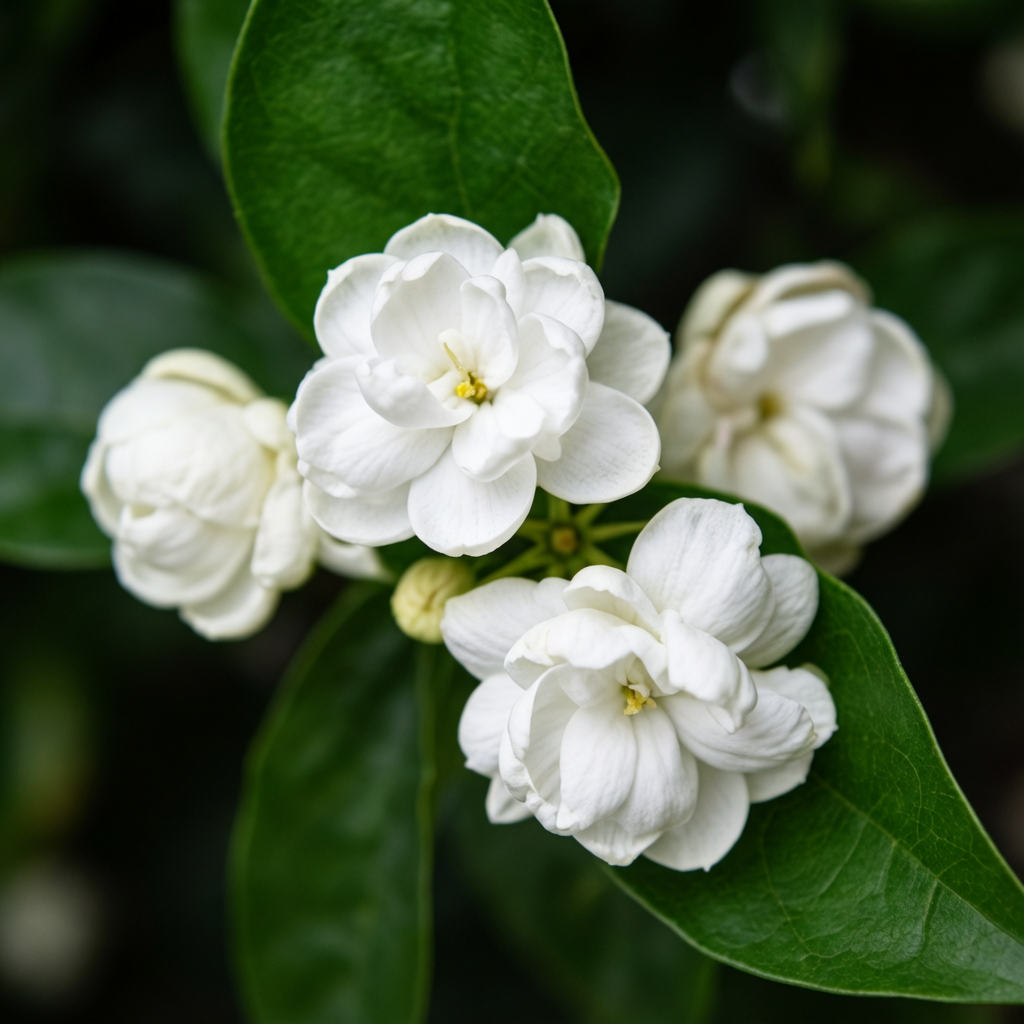
- Flower:Flowers are intensely fragrant, waxy, and usually white; many cultivated forms are double and rosette-like, while others are starry with distinct petals. Buds form in clusters and open progressively. Individual blooms are often around 2.5 cm (1 in) across, and the scent is rich, sweet, and strongest in warm weather—often most noticeable in the evening.
- Flowering Season:Summer to autumn; in warm, bright conditions it can rebloom repeatedly and may flower from spring through fall (sometimes nearly year-round in frost-free climates).
- Growth Habit:Evergreen to semi-evergreen, bushy woody shrub that can be trained as a compact potted plant, a small climber on a trellis, or a fuller patio shrub; responds very well to pinching and pruning.
🌤️ Environment
Sunlight
Full sun to bright light. For best flowering and strongest fragrance, aim for 6–8+ hours of direct sun daily. Partial shade is tolerated (especially in intense afternoon heat), but low light reduces buds and scent.
Temperature
Warm-loving. Best growth around 25–35°C (77–95°F); general comfort range about 15–24°C (59–75°F) is fine when light is strong. Protect from cold: keep above 10°C (50°F) for reliable overwintering; short dips to about 5°C (41°F) may be tolerated but risk damage and leaf drop. Around 0°C (32°F) can cause severe dieback or death.
Humidity
Prefers moderate to high humidity (about 50%+). In dry indoor air, use occasional misting (early in the day), a pebble tray, or a humidifier to reduce leaf drop and spider-mite pressure.
Soil
Rich but free-draining mix. A humus-rich loam-based potting mix amended with perlite/vermiculite (and optionally bark) works well. Slightly acidic to near-neutral is ideal (roughly pH 6.5–7.5). Avoid heavy, waterlogged soils.
Placement
Outdoors in warm months on a sunny, airy balcony/patio, near an arbor/trellis, or in a bright garden bed. Indoors, place in the brightest window (south- or west-facing) or a sunny sunroom, with good airflow.
Hardiness
Frost tender. Best outdoors year-round in USDA Zones 10–12 (may survive warm Zone 9 with protection). Not reliably frost-hardy.
🪴 Care Guide
Difficulty
Moderate. It’s easy and generous in warmth and strong sun, but it sulks in dim light, cold rooms, or if allowed to swing between drought and soggy soil. With consistent light, water, feeding, and a good prune, it rewards you with repeat blooms and room-filling fragrance.
Buying Guide
Choose a compact, sturdy plant (often around 30 cm/12 in tall or less for pots) with lots of branches and dense growth. Leaves should be deep green and clean, with no yellowing or sticky residue. Look for multiple bud clusters and a few open flowers to confirm scent; blooms should be full, white, and unblemished. Double-flowered cultivars are popular for their rosette look. After bringing it home, put it straight into very bright light with good ventilation, keep the mix evenly moist, and wait to fertilize until you see fresh new growth.
Watering
Water thoroughly until excess drains out. During active growth, keep soil evenly moist but never waterlogged—water when the top 2–3 cm (1 in) feels dry. In hot summer weather, potted plants may need watering every 2–3 days, and small pots can need daily watering; in extreme heat some growers water morning and evening as needed. In winter, reduce watering and keep the mix only lightly moist. Consistent moisture supports buds; drought stress often leads to leaf drop and fewer flowers.
Fertilization
Feed regularly in the growing season (spring through early fall). For pots, fertilize about weekly or every 1–2 weeks with a balanced fertilizer; if flowering is weak, switch to a bloom-supporting formula (higher phosphorus/potassium) and avoid excessive nitrogen that pushes leaves over buds. Some traditional growers use a light 0.2% urea foliar spray at early bud stage (evening) to support bud development—use cautiously and avoid overuse.
Pruning
Very responsive to pruning. Pinch tips after repotting to encourage bushiness. After the main flush of flowering, prune back firmly to renew the plant and stimulate strong new flowering shoots (this is where the next round of blooms forms). Remove weak, crowded, damaged, or diseased stems anytime.
Propagation
Stem cuttings are the easiest: take semi-ripe shoots about 8–10 cm (3–4 in) (or 15–20 cm/6–8 in from softer new growth), remove lower leaves, and root in a free-draining medium under warm, humid conditions. Typical rooting time is about 6–10 weeks (often around 8 weeks). Layering is also very reliable: pin a node into moist medium; roots can start in 2–3 weeks, then separate and pot up after about 8–10 weeks.
Repotting
Repot annually in spring or right after flowering, refreshing the mix. A common pot size for home plants is 15–20 cm (6–8 in) diameter; step up only slightly as needed (about 2.5–5 cm / 1–2 in wider) to avoid staying too wet. Ensure strong drainage holes.
📅 Seasonal Care Calendar
Spring: increase light, resume regular watering and feeding, repot if needed, and pinch tips for shape. Summer: maximum sun; water consistently (often very frequently in heat), feed regularly, and enjoy peak fragrance and bloom. Autumn: continue steady care while it’s still flowering; start preparing to bring indoors before nights drop below 10°C (50°F). Winter: brightest possible light indoors, keep above 10°C (50°F) if you can, reduce watering, and pause or greatly reduce fertilizer; protect from drafts and cold windowsills.
🔬 Pests, Diseases & Safety
Common Pests & Diseases
Common pests include aphids, spider mites (especially in dry indoor air), whiteflies, scale insects, thrips, and occasional leaf-rollers/budworms. Improve airflow, rinse foliage, and treat early with insecticidal soap or horticultural oil, repeating as needed. Disease issues include fungal leaf spots, rust-like spotting, and dieback in stagnant, overly wet conditions—use well-drained soil, avoid water sitting on leaves late in the day, and remove affected growth promptly.
Toxicity
Generally considered low-toxicity and widely used for scenting tea (from the flowers). Still, avoid letting children or pets chew the plant, as any plant material may cause mild stomach upset in sensitive individuals. Traditional sources caution that the root may be unsafe to ingest—avoid medicinal use without professional guidance.
🎋 Culture & Symbolism
Symbolism:A classic symbol of love, purity, and gentle devotion—one reason it shows up so often in weddings and celebrations. Many gardeners also associate it with “sunshine toughness”: give it sun and a good haircut, and it comes back blooming even better.
History & Legends:The name traces back to Persian “yasmin,” often glossed as a “gift from God.” Across Asia, Arabian jasmine has long been cherished for fragrance in ceremonies and daily life—especially for scenting teas and oils. In parts of eastern and southern China, the blooms have traditionally been made into corsages and festive floral ornaments. Internationally it’s also culturally iconic under names like sampaguita (famously the national flower of the Philippines) and pikake in Hawaii, where it’s beloved in leis.
Uses:Ornamental: a top choice for patios, balconies, sunny windows, and trellises thanks to its powerful perfume. Culinary/fragrance: the flowers are widely used to scent jasmine tea and are an important perfumery ingredient (jasmine absolute). Traditional use: flowers and leaves appear in folk herbal traditions for calming and comfort, but internal use is not recommended without qualified advice—especially avoiding the root.
❓ FAQ
Why isn’t my Arabian jasmine flowering?
The usual culprits are not enough direct sun (aim for 6–8+ hours), too much nitrogen fertilizer, missed pruning after a bloom flush, inconsistent watering (drought stress), or temperatures that are too cool for bud formation. Move it brighter, feed more sensibly, prune after flowering, and keep moisture steady.
How do I get more flowers and stronger fragrance?
Give maximum sun, keep the soil evenly moist (not soggy), and feed regularly during active growth. After a main flowering flush, prune back firmly to push vigorous new shoots—those new shoots are where the next wave of buds forms.
Can I grow Arabian jasmine indoors?
Yes—if you can give it very bright light. A south- or west-facing window (or a sunroom) is ideal. Add humidity in dry homes, and keep it warm in winter; low light indoors is the #1 reason for weak growth and few blooms.
How often should I water it in summer?
Water when the top 2–3 cm (1 in) of mix dries. In warm weather that might be every 2–3 days, and in extreme heat even daily for small pots. Always water deeply until it drains, then empty the saucer so roots don’t sit in water.
Is jasmine safe for pets?
True jasmines (Jasminum) are generally considered low-toxicity, but chewing can still cause mild stomach upset. Also, some unrelated plants nicknamed “jasmine” can be toxic—so check the scientific name on the label.
💡 Fun Facts
- Jasminum sambac is the jasmine most commonly used to scent jasmine tea.
- Many popular forms are double-flowered cultivars with rosette blooms that resemble tiny white roses.
- The fragrance is often strongest in the evening, helping attract night-active pollinators.
- Layering is a quick, reliable way to propagate because stems can root while still attached to the mother plant.
- It can bloom for months in warm climates—regular feeding plus post-bloom pruning is the secret to repeat flowering.