
🌱 Plant Features
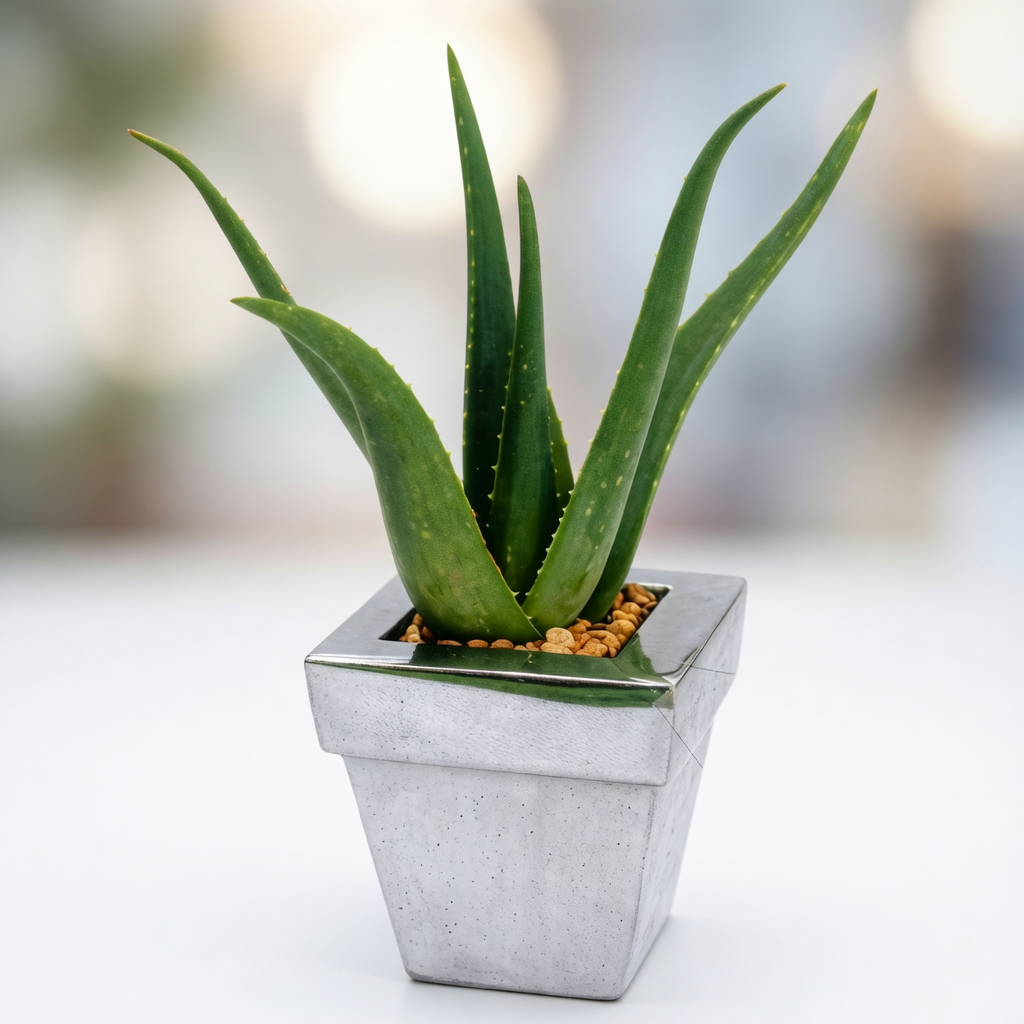
- Size:Typically about 60 × 60 cm (24 × 24 in) in containers, depending on age and growing conditions.
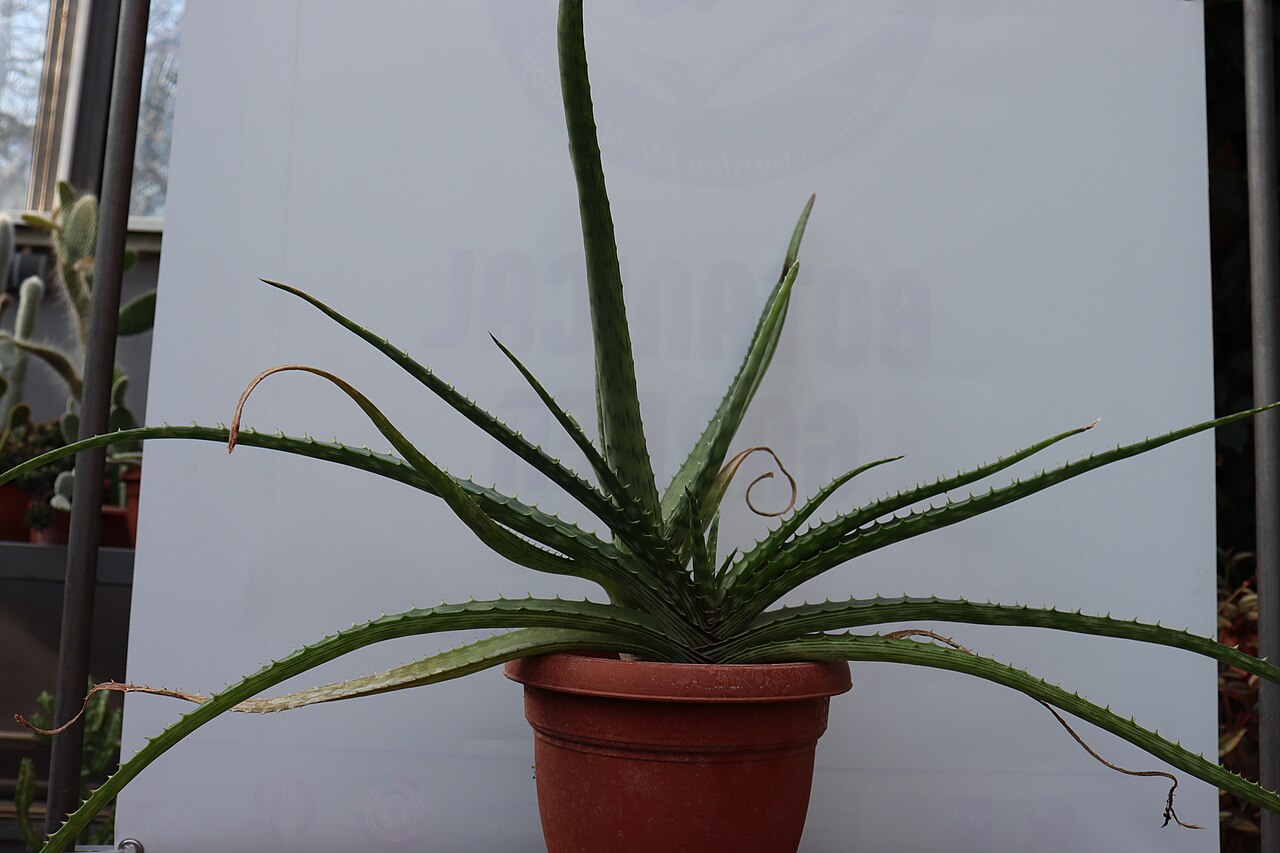
- Foliage:Thick, fleshy, lance-shaped green leaves arranged in a tidy rosette, with small tooth-like spines along the leaf margins.
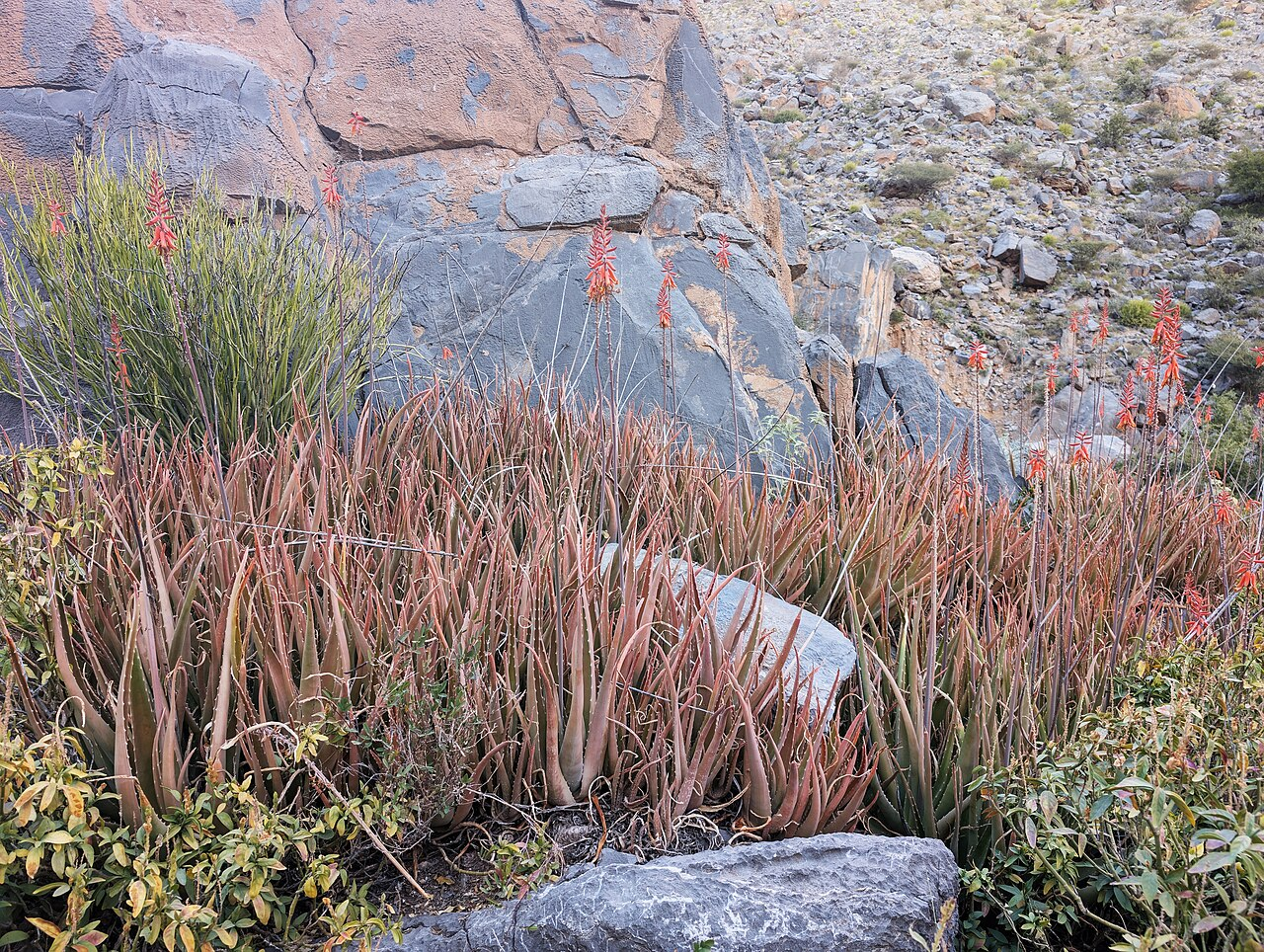
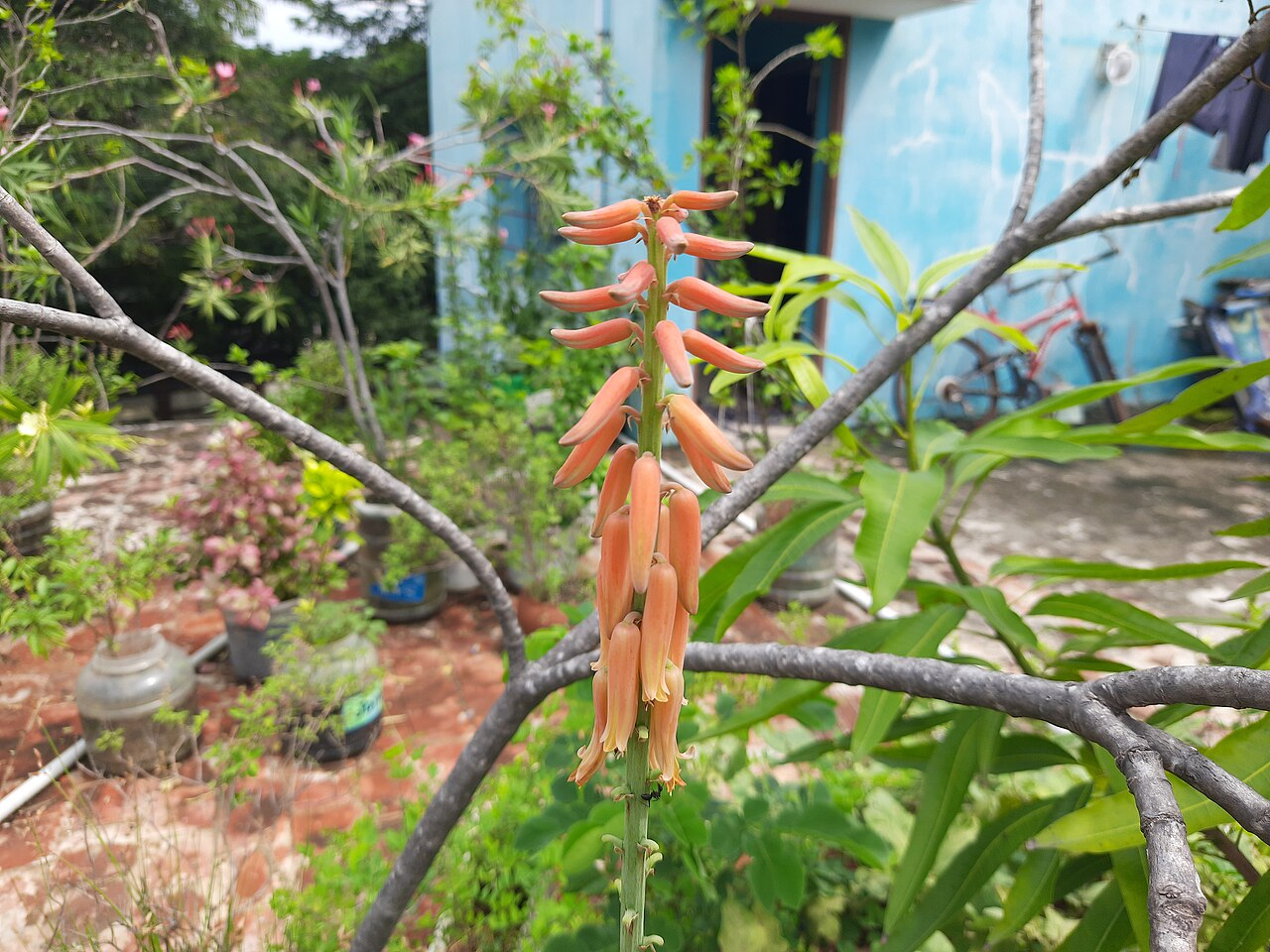
- Flower:On mature plants, a tall stalk can rise above the rosette bearing tubular flowers in yellow to orange tones. Flowering is common outdoors in warm climates but is relatively uncommon indoors unless light is very strong.
- Flowering Season:Late winter to spring (most often outdoors in warm climates).
- Growth Habit:Clump-forming succulent that produces offsets (“pups”) around the base over time.
🌤️ Environment
Sunlight
Full sun to bright light. Indoors, aim for bright indirect light or a few hours of gentle direct sun; protect from harsh midday sun in hot summers (especially behind glass) to avoid scorch.
Temperature
10–27°C (50–81°F). Protect from frost and prolonged cold.
Humidity
Low to average indoor humidity; avoid constantly damp conditions and stagnant air.
Soil
Fast-draining cactus/succulent potting mix. Use a container with drainage holes and avoid oversized pots—“just big enough” helps the mix dry properly.
Placement
A bright windowsill or a very bright room. In summer, keep it bright but out of punishing midday sun.
Hardiness
USDA Zone 10–12; not frost hardy.
🪴 Care Guide
Difficulty
Easy. Success mostly comes down to strong light, a gritty fast-draining mix, and resisting the urge to water too often.
Buying Guide
Pick plants with firm, plump leaves and no mushy or translucent spots. Avoid pots with standing water or a sour smell (possible rot). Check leaf axils and the base for mealybugs.
Watering
Spring–fall: water deeply only after the mix has dried at the surface and is mostly dry deeper in the pot. Winter: keep almost dry and water sparingly. Never leave water sitting in a saucer.
Fertilization
In the active growing season (spring–fall), feed 2–3 times with a balanced liquid fertilizer diluted to half strength. Skip feeding in winter.
Pruning
Remove damaged or older outer leaves by cutting cleanly at the base. If you want a symmetrical rosette, avoid frequent harvesting from only one side.
Propagation
Best by separating offsets (pups). Gently detach, let any cut surfaces dry and callus, then pot into dry, well-draining succulent mix and resume light watering once established.
Repotting
Repot every 2–3 years in spring, or sooner if the plant is crowded. Move up only slightly in pot size and prioritize drainage.
📅 Seasonal Care Calendar
Spring–Fall: bright light, water only when dry; fertilize 2–3 times at half strength. Summer: avoid harsh midday sun and watch for scorch. Winter: keep cooler if possible, stop feeding, and keep the mix almost dry. Every 2–3 years (spring): repot and divide pups if desired.
🔬 Pests, Diseases & Safety
Common Pests & Diseases
Mealybugs and scale may hide in leaf bases and axils; dab with cotton swabs dipped in isopropyl alcohol or use insecticidal/horticultural soap. Root rot is the most common serious issue and is usually caused by overwatering or slow-draining soil—prevent it with a gritty mix, drainage holes, and infrequent watering.
Toxicity
The yellow latex (sap) just under the leaf skin can irritate skin and is toxic if ingested. Keep away from children and pets (cats and dogs); ingestion may cause vomiting and diarrhea.
🎋 Culture & Symbolism
Symbolism:Healing, protection, and resilience—an enduring “survivor plant” in many homes.
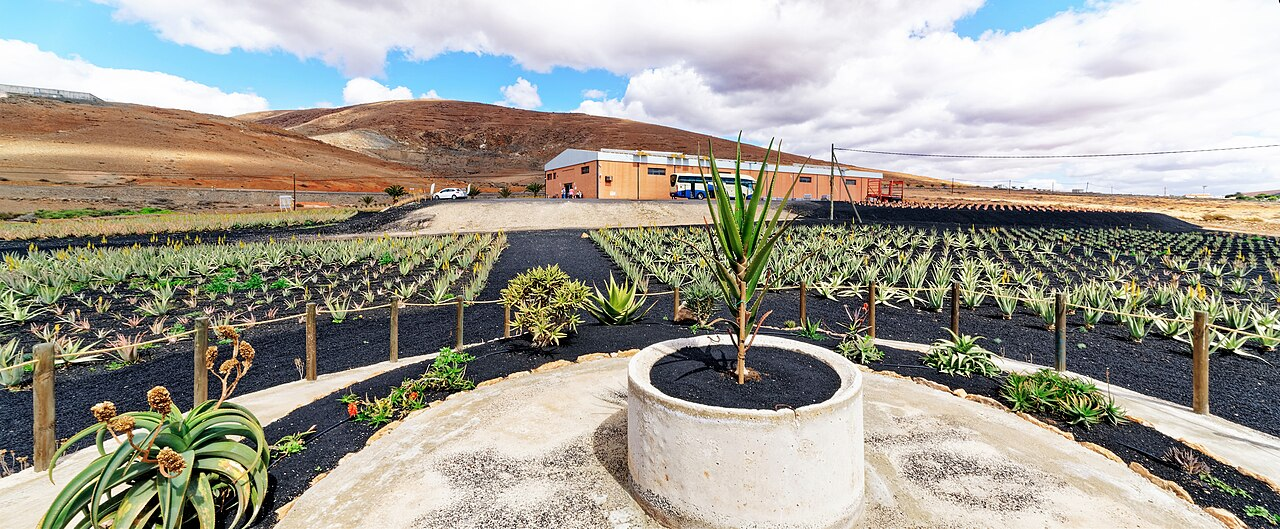
History & Legends:Aloe vera has a long history in traditional remedies across many cultures. Today it’s grown worldwide as a tough ornamental and for its famously soothing leaf gel.
Uses:Ornamental houseplant for bright windows and sunny patios. The clear inner gel is commonly used in home skincare for minor irritation and small burns (patch-test first; avoid using on serious burns or broken skin without medical guidance). Sometimes marketed as an air-cleaning plant.
❓ FAQ
How much light does Aloe vera need?
Give it full sun to bright light. Indoors, bright indirect light is ideal; a little gentle direct sun is great, but avoid harsh midday summer sun that can scorch leaves.
How should I water Aloe vera?
Water thoroughly, then wait until the potting mix is dry (not just the top) before watering again. In winter, water only occasionally and keep the mix almost dry.
How do I fertilize Aloe vera?
During spring through fall, feed 2–3 times with a balanced liquid fertilizer diluted to half strength, then stop fertilizing in winter.
How do I propagate Aloe vera?
Separate pups (offsets) from the mother plant, let the cut area callus, then pot each pup into a fast-draining succulent mix.
💡 Fun Facts
- Aloe vera often flowers readily outdoors in warm climates, but it may never bloom indoors without very strong light.
- The clear inner gel and the yellow latex are different substances—the latex is the part most likely to irritate skin or upset the stomach if eaten.