🌱 Plant Features
- Size:Typically 30–60 cm (12–24 in) tall and 30–60 cm (12–24 in) wide in a pot; sometimes up to about 90 cm (3 ft) tall outdoors in ideal climates. Flower stalks commonly reach 60–90 cm (24–35 in), occasionally up to about 90 cm (36 in).
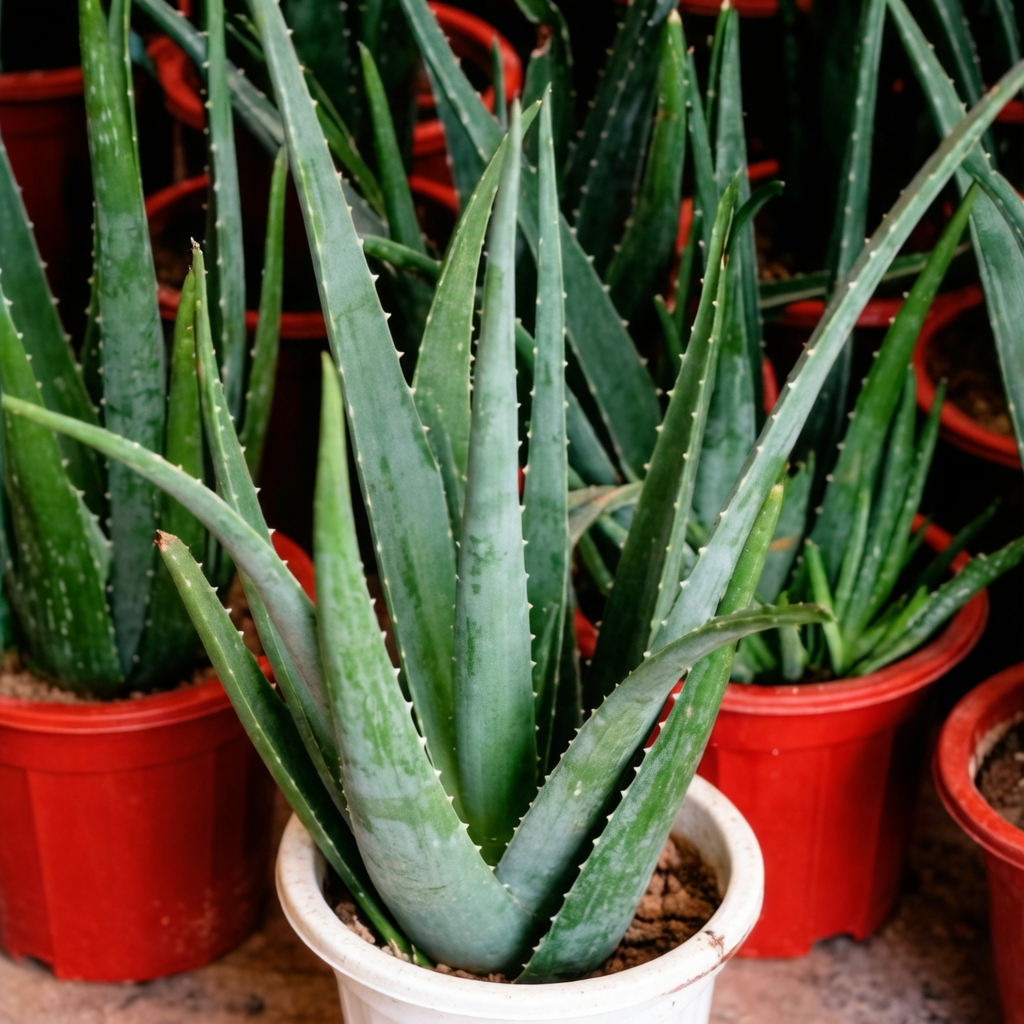
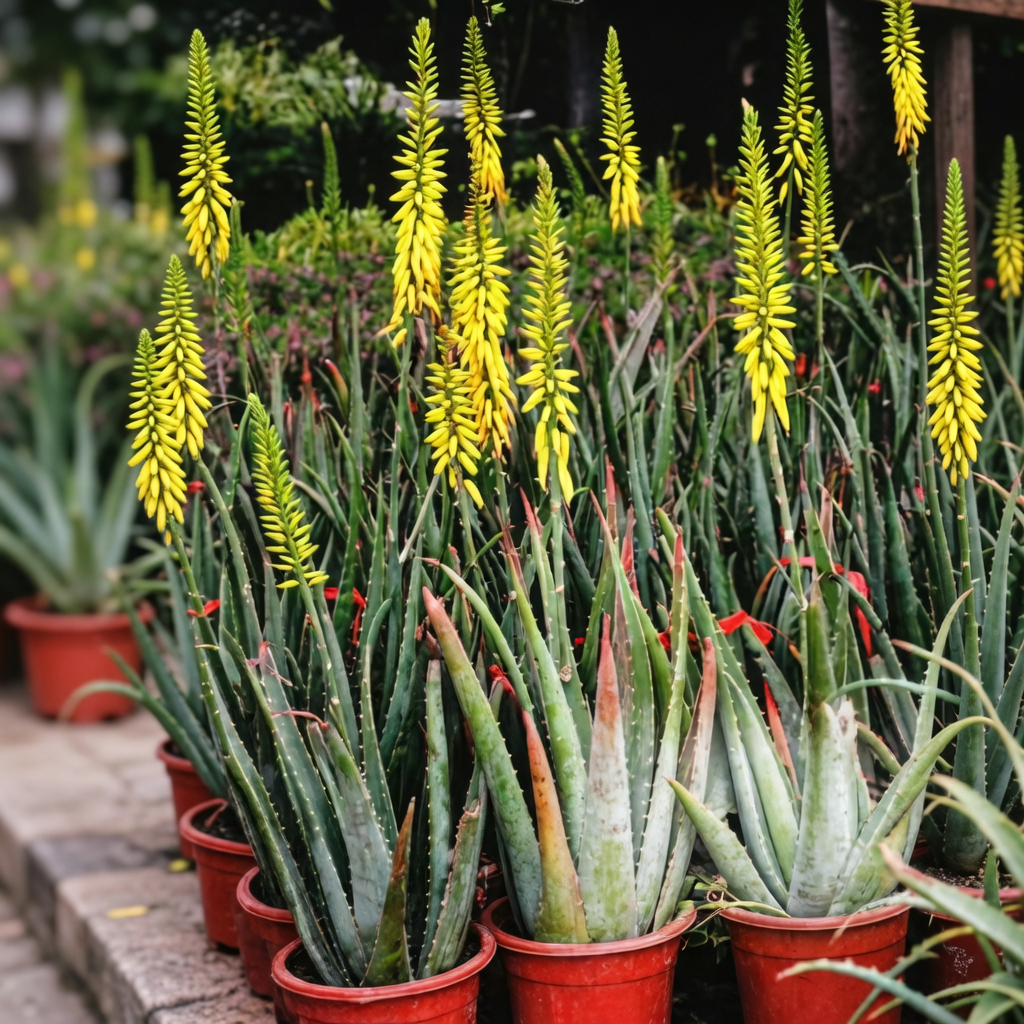
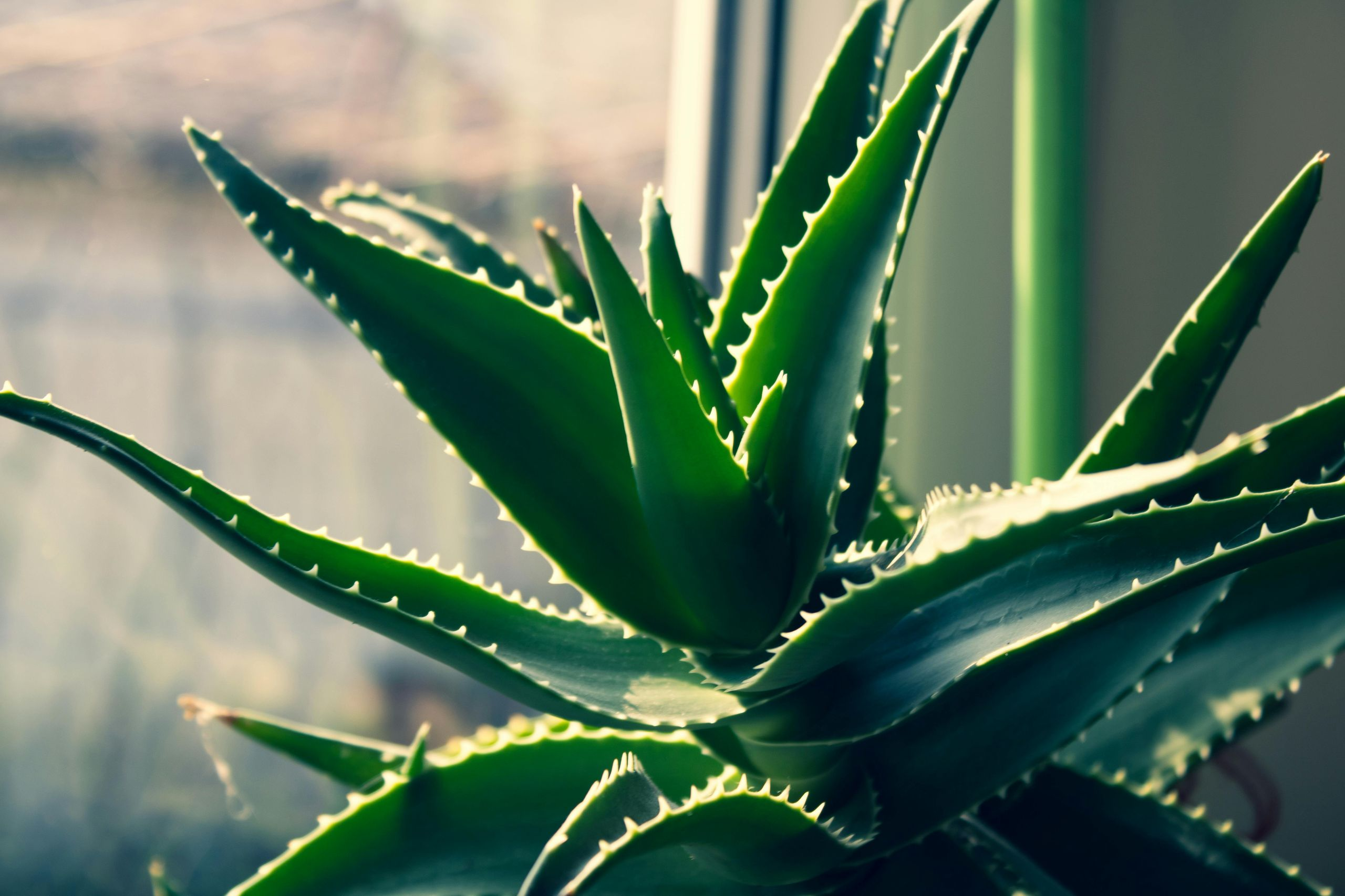
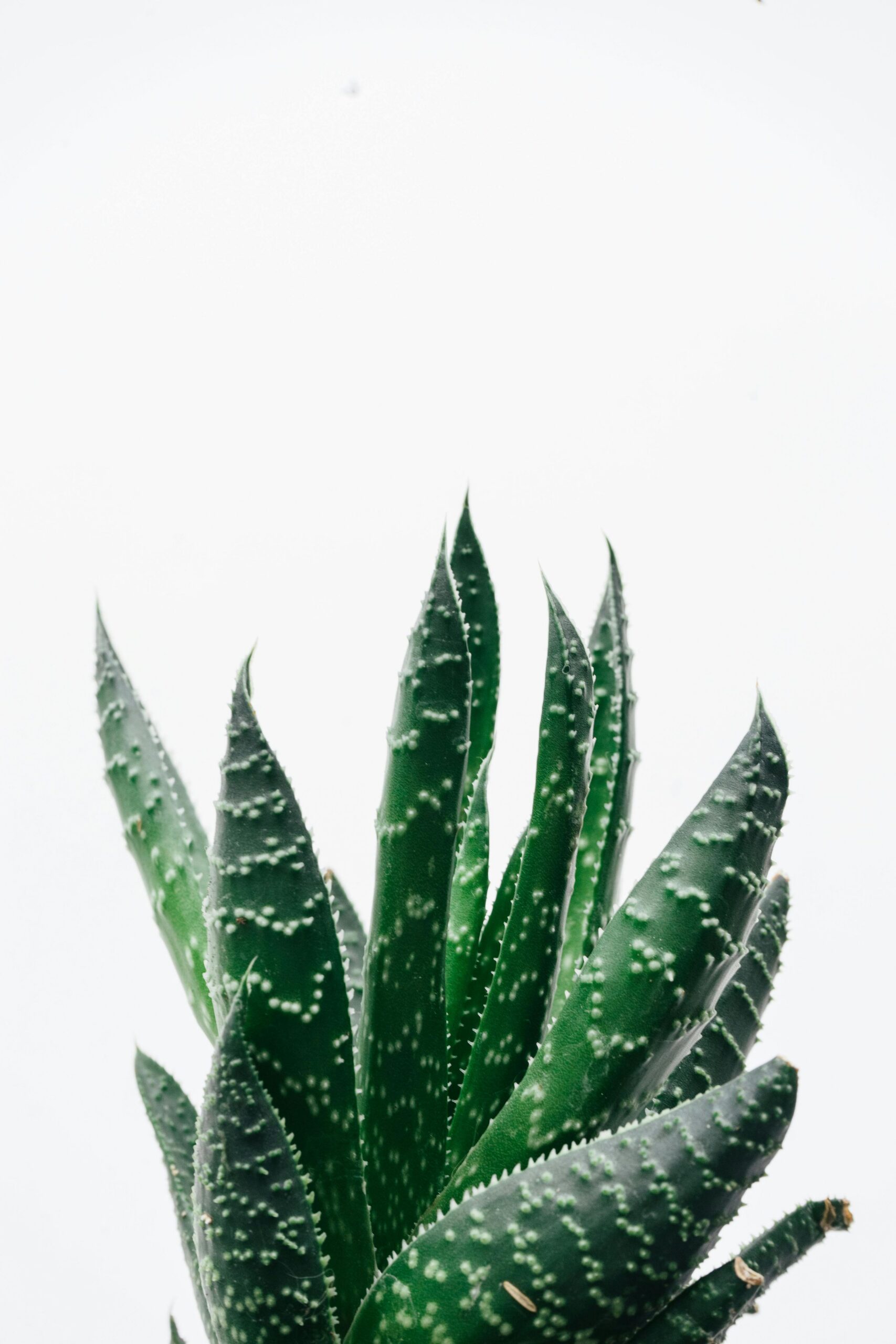
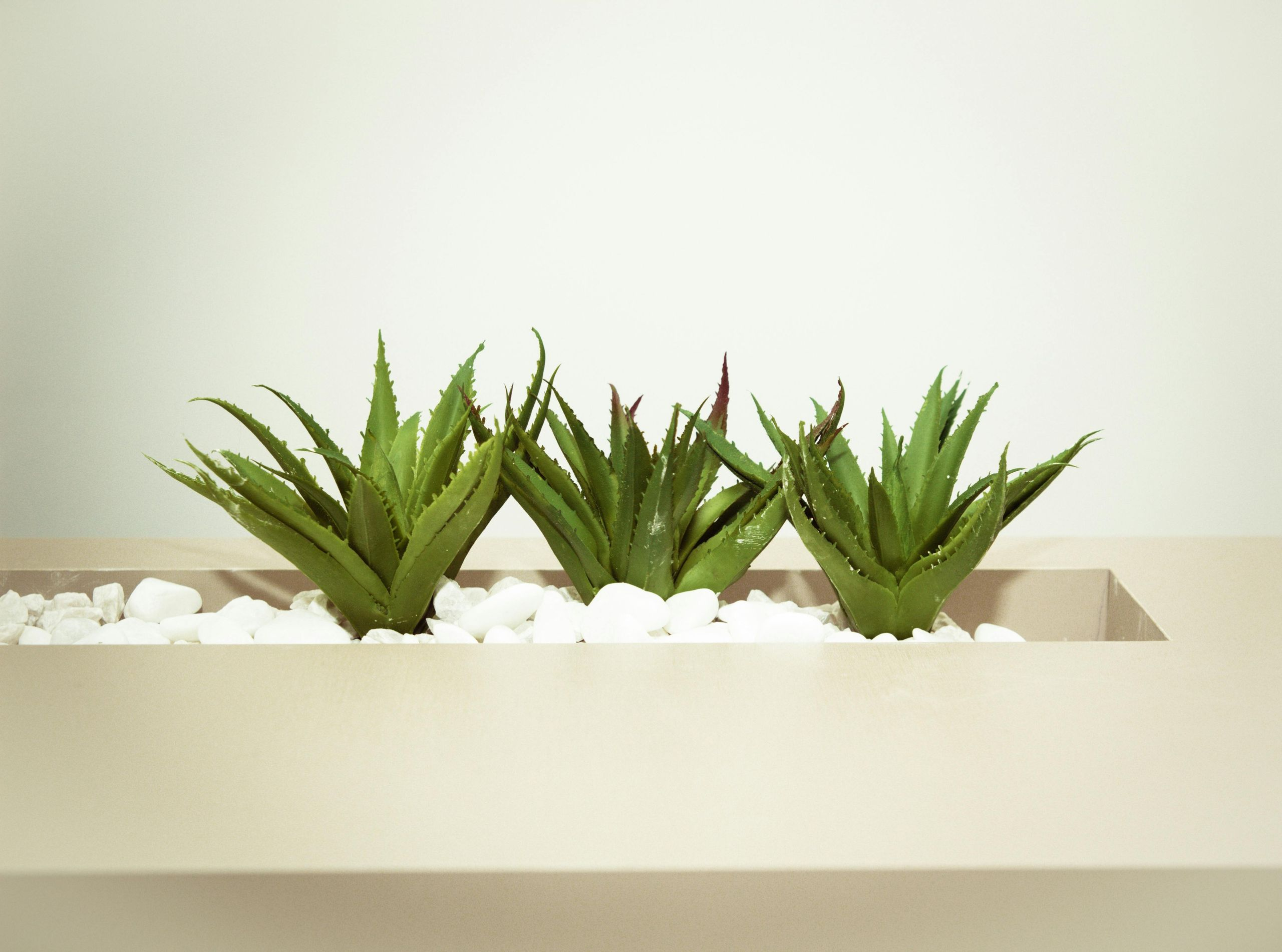
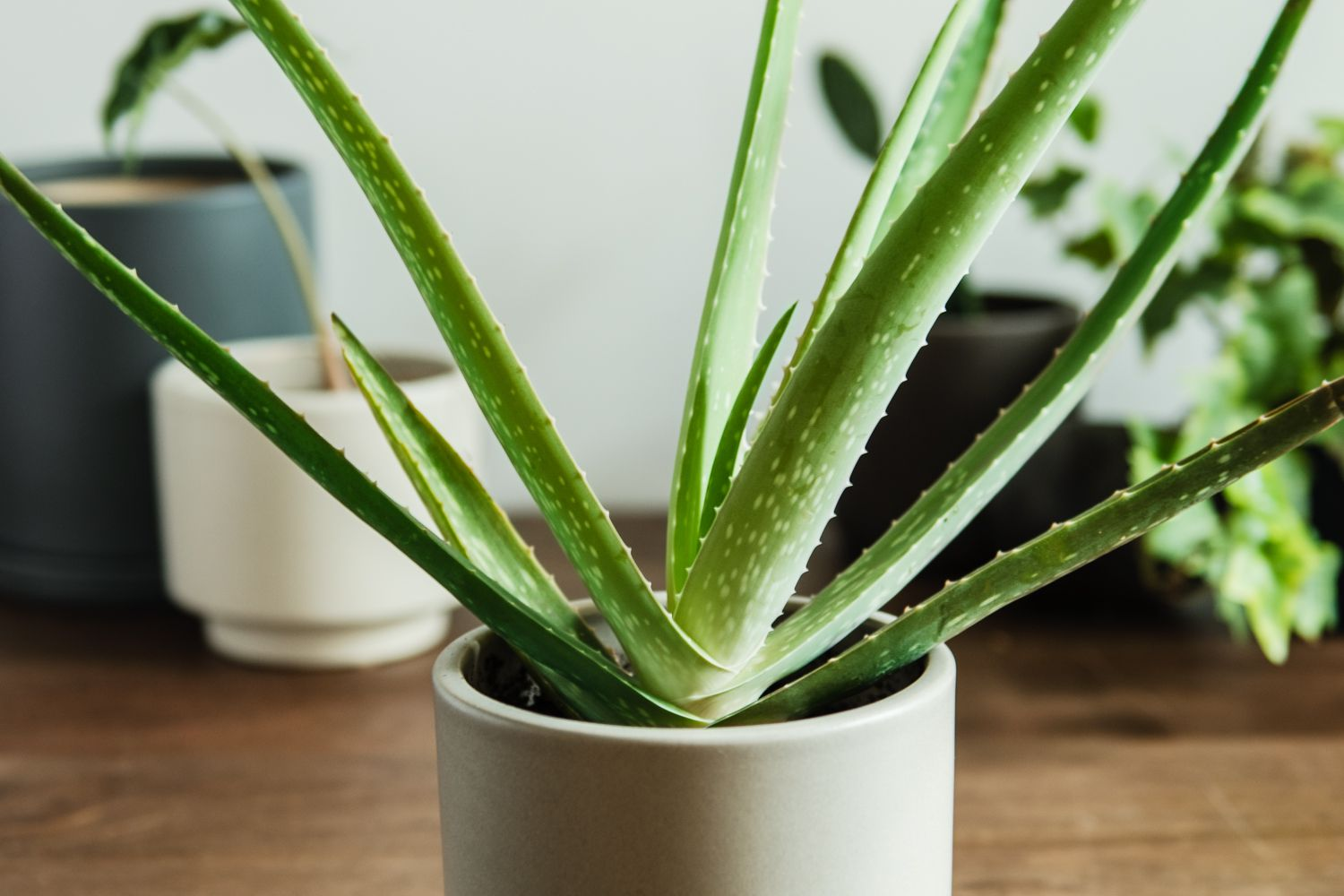
- Foliage:Thick, fleshy, lance-shaped leaves arranged in a basal rosette. Color ranges from grey-green to bluish-green or brighter green, often with a slightly waxy coating. Leaf margins have small, soft teeth; the leaves act as water-storage tanks, which is why the plant handles drought so well.
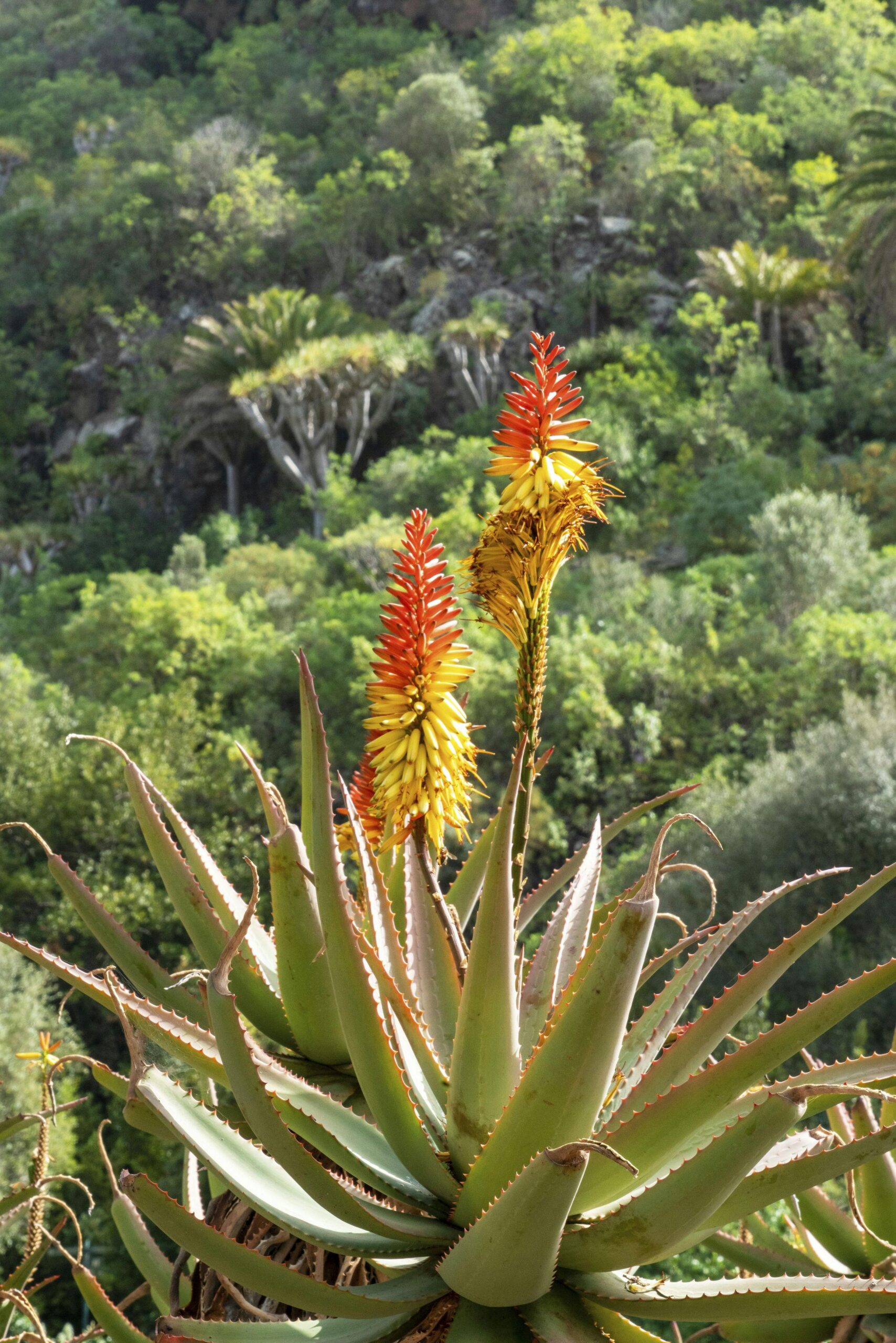
- Flower:Tubular flowers carried in dense clusters on upright stalks above the foliage. Colors are usually yellow to orange, and can sometimes lean orange-red depending on conditions and plant type. After flowering, the spent stalk can be cut off at the base.
- Flowering Season:Mostly summer; can flower from late winter through spring/early summer in very warm climates. Indoors, flowering is uncommon unless the plant is mature and grown in very strong light.
- Growth Habit:Stemless (or very short-stemmed) rosette-forming succulent with a shallow, spreading root system. Often becomes clump-forming over time by producing offsets (pups) from the base.
🌤️ Environment
Sunlight
Full sun to bright indirect light. For the most compact, sturdy growth, give strong light (up to ~6 hours of sun daily). Indoors, a bright south- or west-facing window is ideal; acclimate gradually if moving outdoors to prevent sunburn.
Temperature
Comfortable range about 13–27°C (55–80°F); many growers find best, steady growth around 15–22°C (59–72°F). Growth slows in cool conditions and it is frost-tender—aim to keep it above 5°C (41°F) in winter and protect from cold drafts; avoid freezing temperatures.
Humidity
Prefers low to average indoor humidity (around 40% is often ideal). Avoid damp, stagnant air—especially when temperatures are cool—because it encourages rot and pests.
Soil
A very fast-draining cactus/succulent mix is essential. Aim for a gritty blend (for example, cactus mix or potting mix cut about 1:1 with perlite/pumice/coarse sand). Slightly acidic to neutral is fine (roughly pH 6.0–7.0). Heavy, water-retentive soils commonly lead to root or crown rot.
Placement
Bright windowsill, sunroom, or the brightest indoor spot you have; a sunny balcony/patio in warm months works well after gradual acclimation. Good airflow helps prevent rot and keeps pests like mealybugs in check.
Hardiness
USDA Zones 10–12 (frost tender). In cooler zones, treat as a houseplant or move indoors for winter.
🪴 Care Guide
Difficulty
Easy and beginner-friendly. Aloe vera is forgiving about missed waterings, but it strongly dislikes cold, wet soil—most failures come from overwatering, especially in winter.
Buying Guide
Pick a plant with a tight, symmetrical rosette and firm, plump leaves. Avoid yellowing, mushy, translucent, or foul-smelling bases (classic rot signs). Check leaf bases and the crown for pests (especially mealybugs/scale). Pups at the base are usually a good sign of vigor.
Watering
Use the “soak and dry” approach: water thoroughly, let excess drain, then wait until the mix dries out well (often completely) before watering again. Typical schedule indoors: spring/summer about every 2–3 weeks (or every 7–14 days in very bright/hot conditions); autumn reduce; winter often every 4–6+ weeks. Never leave the pot sitting in water. Water the soil, not into the rosette—especially in cool weather—to avoid crown rot.
Fertilization
Light feeder. During active growth (spring/summer), fertilize sparingly with a balanced or cactus/succulent fertilizer at 1/4–1/2 strength about once a month (or every 2–4 weeks at low strength). Skip feeding in fall/winter; over-fertilizing can cause weak, stretched growth.
Pruning
Mostly just tidy-up work: remove damaged or dried lower leaves by cutting cleanly at the base with sterilized tools. If it flowers, cut the spent stalk off at the base. When harvesting for gel, take mature outer leaves and make a clean cut; avoid leaving ragged stubs.
Propagation
Best method is dividing offsets (pups). Separate in spring when pups are about 5–10 cm (2–4 in) tall and ideally have some roots. Let cut surfaces callus for 1–3 days, then pot into a dry, gritty mix; water lightly after a few days to a week. Seed is possible but slow; leaf propagation is unreliable for true aloe.
Repotting
Repot every 1–3 years (often 2–3 years, sooner if crowded with pups), ideally in spring. Choose a pot with drainage, only 2.5–5 cm (1–2 in) wider than the root mass; terracotta is helpful because it dries faster. Keep the crown at soil level (don’t bury it). After repotting, wait about a week before watering to reduce rot risk.
📅 Seasonal Care Calendar
Spring: resume regular watering as growth restarts; repot and divide pups.
Summer: brightest light; water only after drying; acclimate slowly to outdoor sun to prevent scorch.
Autumn: reduce watering and stop feeding; bring plants indoors before cold weather.
Winter: keep warm and very bright; water sparingly only after the mix is very dry; prioritize airflow to prevent rot.
🔬 Pests, Diseases & Safety
Common Pests & Diseases
Common pests include mealybugs (cottony clusters at leaf bases) and scale (small bumps on leaves); treat with wiping, insecticidal soap, or horticultural oil and improve airflow. Aloe mites can cause distorted, gall-like growth—remove affected tissue and isolate the plant. The biggest disease issue is root/crown rot from cold + wet conditions; prevention is fast-draining soil, bright light, and letting the mix dry well between waterings. Occasional leaf spots or rust-like spotting can occur; keep foliage dry and avoid overcrowding.
Toxicity
Topically, the clear inner gel is widely used, but patch testing is wise because some people react with irritation. Ingestion is risky: the yellow latex (sap) just under the leaf skin contains anthraquinones (including aloin) that can cause stomach cramps, vomiting, and diarrhea. Pets (cats/dogs) are especially sensitive and may develop vomiting, diarrhea, and lethargy if they chew the plant. Treat aloe as a topical/ornamental plant unless using properly prepared, food-grade products.
🎋 Culture & Symbolism
Symbolism:Often linked with resilience, protection, and healing—staying green and useful through drought. It’s also a popular “good luck/guardian” plant in some household traditions.
History & Legends:Aloe has been carried through human history as a practical healing plant. Ancient Egyptians famously celebrated it as a “plant of immortality,” and aloe lore runs through Mediterranean and Middle Eastern herbal traditions, later spreading worldwide as a familiar windowsill remedy. Stories also tie it to classical Greece and military medicine, where it was valued for treating wounds on the move.
Uses:Ornamental: a handsome, architectural succulent for pots, sunny windows, patios, rock gardens, and xeriscapes.
Traditional topical use: the inner leaf gel is commonly used for minor skin irritations such as mild burns/sunburn and small scrapes (avoid deep wounds or serious burns).
Commercial: widely processed into skincare and cosmetic products; internal/culinary aloe exists in some markets but should be limited to food-grade preparations with latex removed.
❓ FAQ
Why are my aloe leaves turning yellow, soft, or translucent?
Most often it’s overwatering—especially if the weather is cool—leading to root or crown rot. Let the mix dry much more between waterings, ensure a gritty fast-draining soil, and keep the plant warm and bright. If the base is mushy or smells bad, unpot and trim rotted roots, then repot dry and wait about a week before watering.
How often should I water aloe vera?
There’s no perfect calendar—water only after the potting mix dries well. As a rough guide: spring/summer every ~2–3 weeks indoors (more often in very hot, bright conditions), and in winter as little as every 4–6+ weeks. When you do water, soak thoroughly and drain completely.
Why is my aloe stretching and flopping over?
That’s usually low light. Aloe needs strong light to stay compact. Move it closer to a bright window (south/west is best) or add a grow light, and rotate the pot weekly so it grows evenly.
Why did my aloe rot in winter?
Cold + wet soil is the classic winter rot recipe. Keep it above 5°C (41°F), give maximum light, and water very sparingly only after the mix is truly dry. Also make sure the crown isn’t buried and the pot drains freely.
Can aloe vera be eaten?
It’s safest to treat aloe as an ornamental and topical-gel plant. Raw leaves contain a yellow latex that can irritate the gut, and pets should never ingest it. If you choose to consume aloe, use only properly prepared, food-grade products where the latex has been removed.
Why won’t my aloe flower indoors?
Indoor aloe often doesn’t get enough sun. Flowering usually needs a mature plant, very bright light (near-full sun), and a seasonal rhythm (brighter summers, drier/cooler winter rest). Even with great care, indoor blooms are still a bonus rather than a guarantee.
💡 Fun Facts
- Aloe makes baby plants (“pups”) around the base, so one plant can slowly become a shareable little colony.
- Bright light keeps aloe compact; low light makes it stretch and go floppy (etiolation).
- Aloe gel is mostly water, stored in specialized leaf tissues—nature’s built-in canteen for dry climates.
- In some cultures, hanging aloe near doorways is believed to bring protection and good fortune.
- Aloe has been cultivated for thousands of years and became one of the world’s most recognizable “windowsill remedy” plants.