🌱 Plant Features
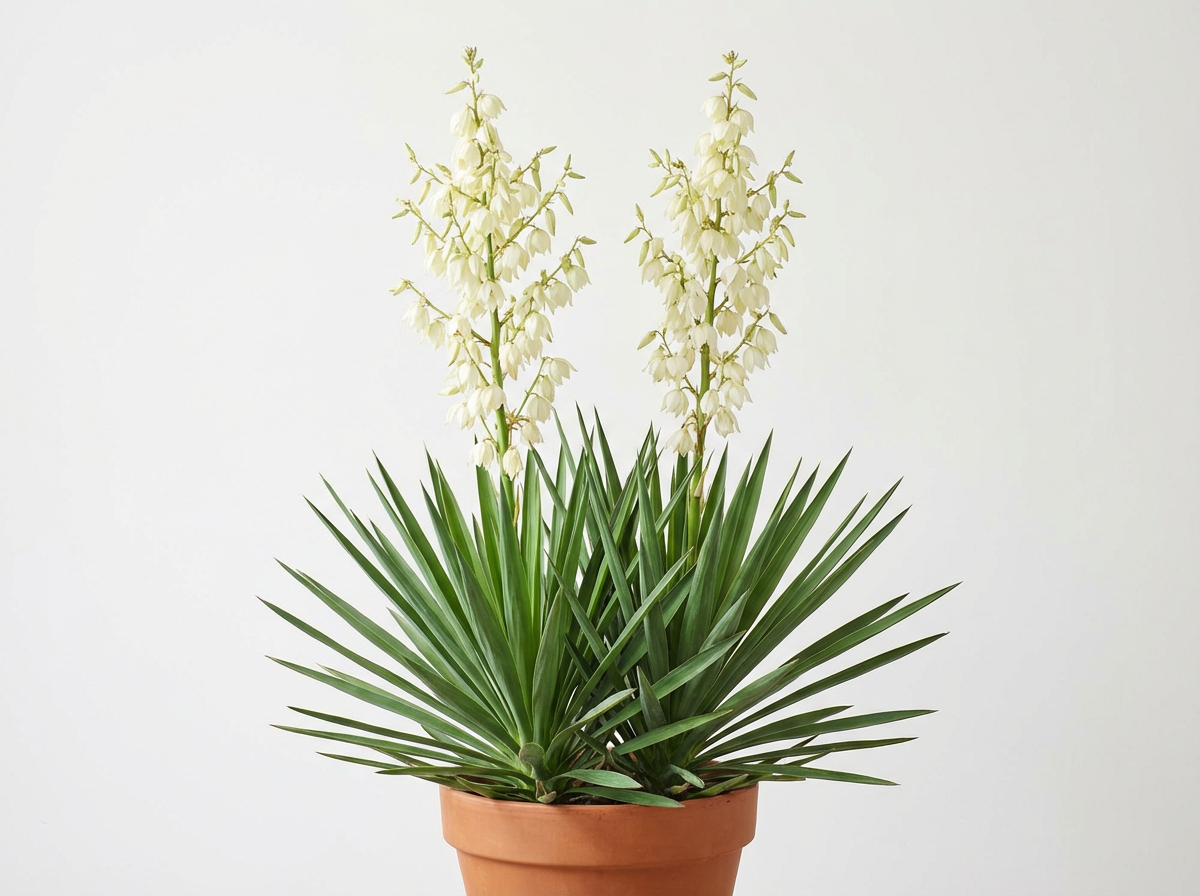
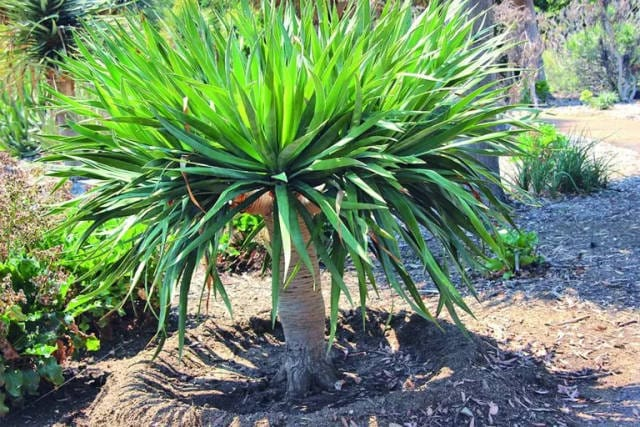
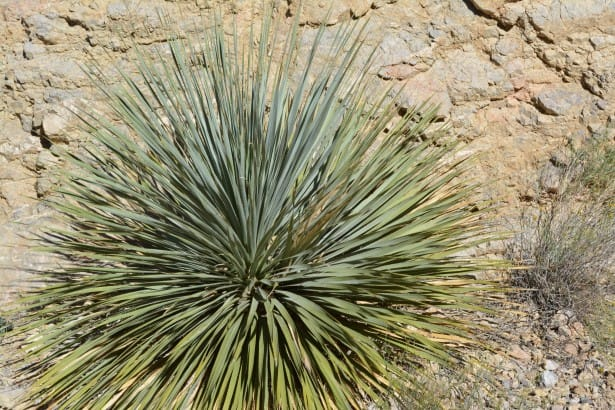
- Size:Stemless or short-stemmed, forming clumps of rosettes; leaves typically 25–60 cm (10–24 in) long and about 2.5–3 cm (1–1.2 in) wide. Flower stalks commonly reach 1–1.5 m (3–5 ft) tall.
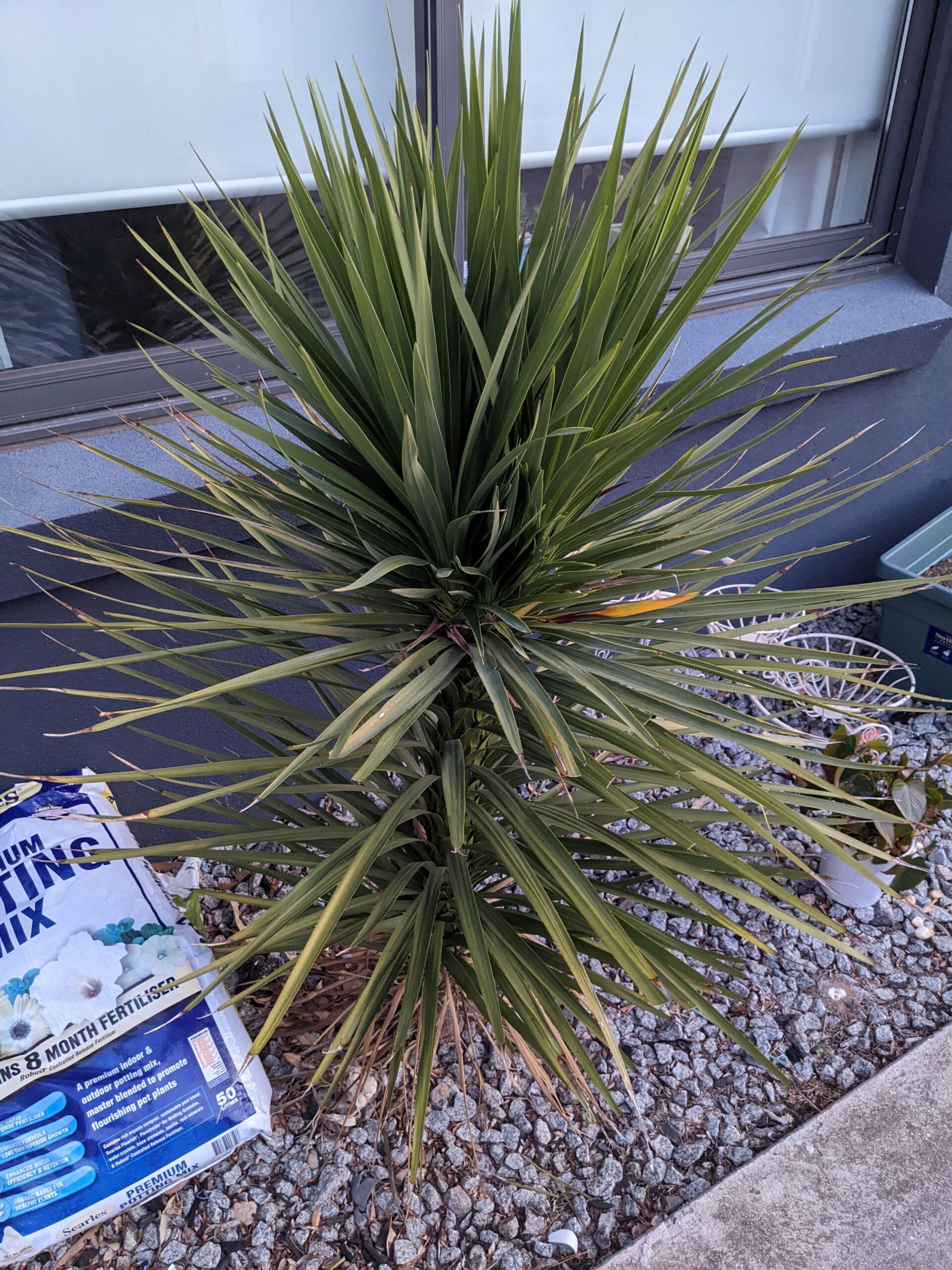
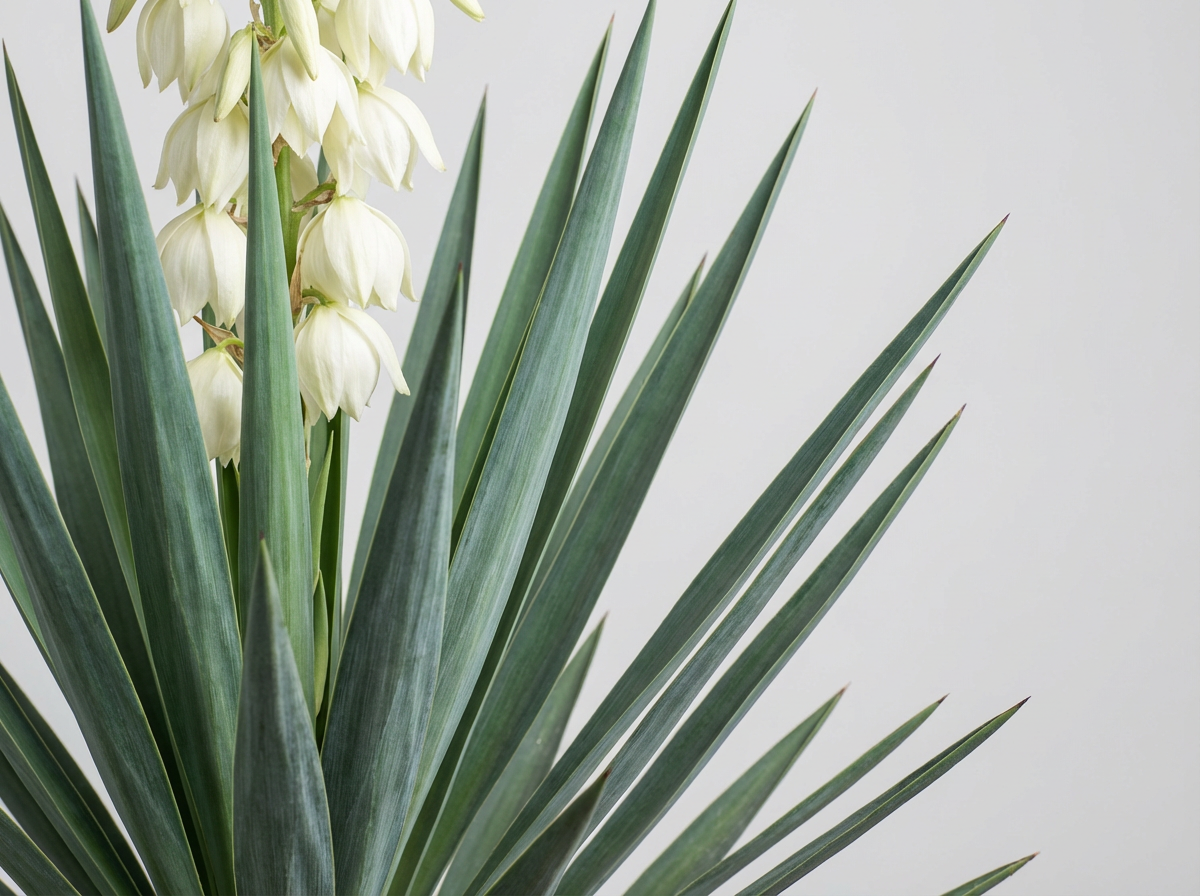
- Foliage:Stiff, deep-green, sword- to lance-shaped leaves in a spiral rosette, often with a slightly waxy or powdery cast. Leaf tips are sharp, and the margins show distinctive curly white filaments (the “threads” that help identify the species). Older lower leaves gradually yellow and die back naturally.
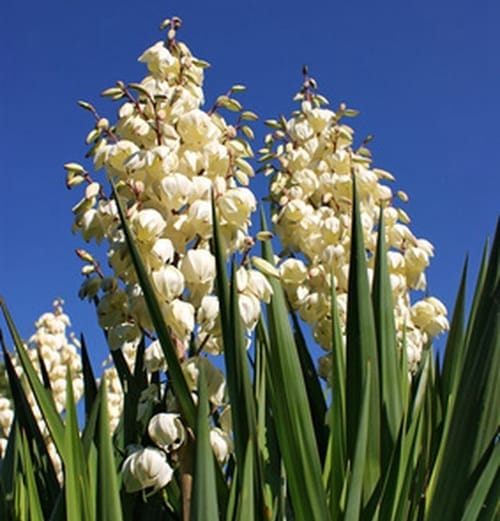
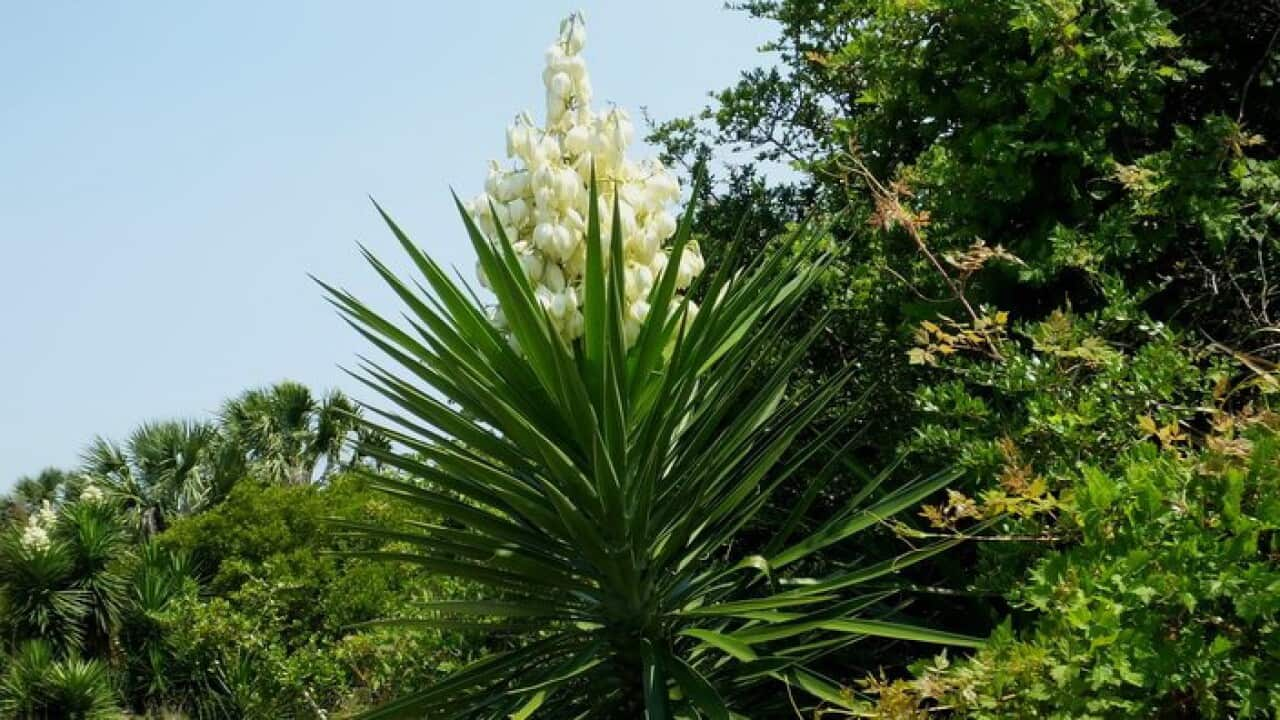
- Flower:Tall, narrow panicles of nodding, creamy-white, bell-shaped flowers that are pleasantly fragrant. Individual flowers are about 3–4 cm (1.2–1.6 in) long; blooms can appear cup-shaped and show a faint greenish-white tone, sometimes with a subtle reddish tinge on the outer parts.
- Flowering Season:Summer to early fall (often late summer)
- Growth Habit:Upright, rosette-forming, clumping; spreads by rhizomes and offsets (pups).
🌤️ Environment
Sunlight
Full sun is best for strong growth and reliable flowering; tolerates bright light and appreciates good air circulation. Indoors, place in the sunniest window you have.
Temperature
Best growth around 15–27°C (59–81°F). Very cold-hardy for a yucca; established plants can tolerate hard freezes (reports commonly range from about −12°C to below −20°C / 10°F to below −4°F depending on conditions). Indoors, avoid prolonged cold; keep above about 4°C (39°F) for comfort.
Humidity
Low to moderate humidity; happily tolerates dry air and is not a “mister-required” plant.
Soil
Well-draining soil is the key: sandy loam or a gritty mix amended with sand/perlite/grit. Tolerates poor soils as long as drainage is good; avoid waterlogged ground.
Placement
Outdoors: sunny borders, xeriscapes, rock gardens, slopes, along paths (give space for sharp leaves), poolside, courtyards. Indoors: bright, sunny windows or conservatories; keep away from narrow walkways.
Hardiness
USDA Zones 4–11 (varies by species; Yucca filamentosa is among the hardiest). Not fond of soggy winter soils even where it’s cold-hardy.
🪴 Care Guide
Difficulty
Easy and very forgiving once established—excellent for busy plant owners. Biggest risk is overwatering or poor drainage.
Buying Guide
Pick a plant with firm, upright leaves and a solid, stable base. Avoid soft spots at the crown, blackened tissue, or a sour smell (possible rot). Check leaf axils and undersides for scale or mealybugs, especially on indoor-stock plants.
Watering
Water deeply but infrequently. In the ground: roughly every 1–2 weeks in hot summer weather if there’s no rain, and much less in cool seasons. In pots: water thoroughly only after the top ~5 cm (2 in) of mix dries. Never leave the pot standing in water—overwatering is the #1 cause of decline.
Fertilization
Light feeder. During active growth (about April–September), use a balanced fertilizer about every 2–3 months (or very dilute monthly). Established landscape plants often need little to none if soil is reasonably amended.
Pruning
After flowering, cut the spent flower stalk down near the base to keep the plant tidy. Remove dead, yellowing lower leaves as needed (they naturally age out). Wear gloves and take care—leaf tips can be sharp.
Propagation
Best by division or offsets (pups): separate rhizomes with a clean, sharp knife in spring or fall, ensuring each piece has roots. Can also be grown from seed (often improved by cold stratification for about 90 days before spring sowing). Stem sections can root if planted upright in a well-draining medium and kept on the dry side until established.
Repotting
Repot about every 2–3 years in spring. Use a heavy pot (terracotta/ceramic) to prevent tipping and a gritty, fast-draining mix. Move up only 1–2 pot sizes to avoid excess wet soil around the roots.
📅 Seasonal Care Calendar
Spring: Repot, divide, and start propagation; resume more regular watering as growth picks up.
Summer: Peak growth and flowering—water only after drying, and feed lightly; provide full sun for best blooms.
Fall: Reduce watering as temperatures drop; division can still be done in mild climates.
Winter: Keep much drier; protect tender yucca species from cold, and for hardy plants focus on keeping soil from staying wet.
🔬 Pests, Diseases & Safety
Common Pests & Diseases
Usually trouble-free. Watch for scale insects, mealybugs, aphids on flower stalks, and occasional snail/slug chewing outdoors. Indoors, fungus gnats often signal overly wet soil. Leaf spots and fungal issues are more likely with high humidity, poor airflow, or overhead watering—improve ventilation, water at the soil line, and treat pests with insecticidal soap or neem if needed.
Toxicity
Toxic if eaten, especially to pets (dogs/cats) and livestock due to saponins—may cause drooling, vomiting, or diarrhea. Also a physical hazard: sharp leaf tips can poke eyes and skin. Place thoughtfully and handle with gloves (and eye protection if you’re pruning).
🎋 Culture & Symbolism
Symbolism:Resilience, endurance, protection, and fresh starts—like a plant that thrives where others give up.
History & Legends:Yucca has long been a “useful plant” for Indigenous peoples of the Americas, valued for strong leaf fibers (cordage and baskets) and saponin-rich roots that lather like soap. One of nature’s most famous partnerships is the yucca and the yucca moth (Tegeticula spp.): the moth deliberately pollinates the flowers while laying eggs, and the developing seeds feed the larvae—a classic example of tight co-evolution.
Uses:Ornamental: A striking accent for xeriscapes, rock gardens, and containers; flower spikes also make dramatic cut stems.
Practical: Some yucca roots are used traditionally for soap/shampoo; leaf fibers have been used for rope and weaving. Certain yucca species have edible flowers or fruits (use caution—edibility depends on species and preparation).
❓ FAQ
How often should I water Adam’s needle?
Less than you think. Water thoroughly, then wait until the top ~5 cm (2 in) of soil is dry before watering again. In summer that may be every 1–2 weeks outdoors (less with rain); in winter it can be only occasional.
Can it grow indoors?
Yes—give it your brightest, sunniest window and a fast-draining potting mix. Rotate the pot occasionally for even growth, and be mindful of sharp leaf tips in tight spaces.
Why isn’t my yucca flowering?
The most common reasons are not enough sun, the plant being too young, or overly rich/shady conditions. Full sun and lean, well-drained soil help. Some years also simply flower better than others depending on weather.
Is Yucca filamentosa really cold-hardy?
Yes—it’s among the hardiest yuccas (often grown in USDA Zone 4). The bigger winter threat is soggy soil, so drainage matters as much as temperature.
Why are the lower leaves turning yellow?
A few older lower leaves yellowing is normal. If many leaves yellow quickly or the base feels soft, suspect overwatering or poor drainage.
💡 Fun Facts
- Those curly white “threads” along the leaf edges are a signature clue for identifying Yucca filamentosa.
- Yucca roots can foam in water because they contain natural saponins—one reason some species are nicknamed “soap tree.”
- Yucca flowers are often strongly scented at night, helping attract their specialized pollinators.
- The famous Joshua tree (Yucca brevifolia) is actually a yucca—just a very tree-like one.