

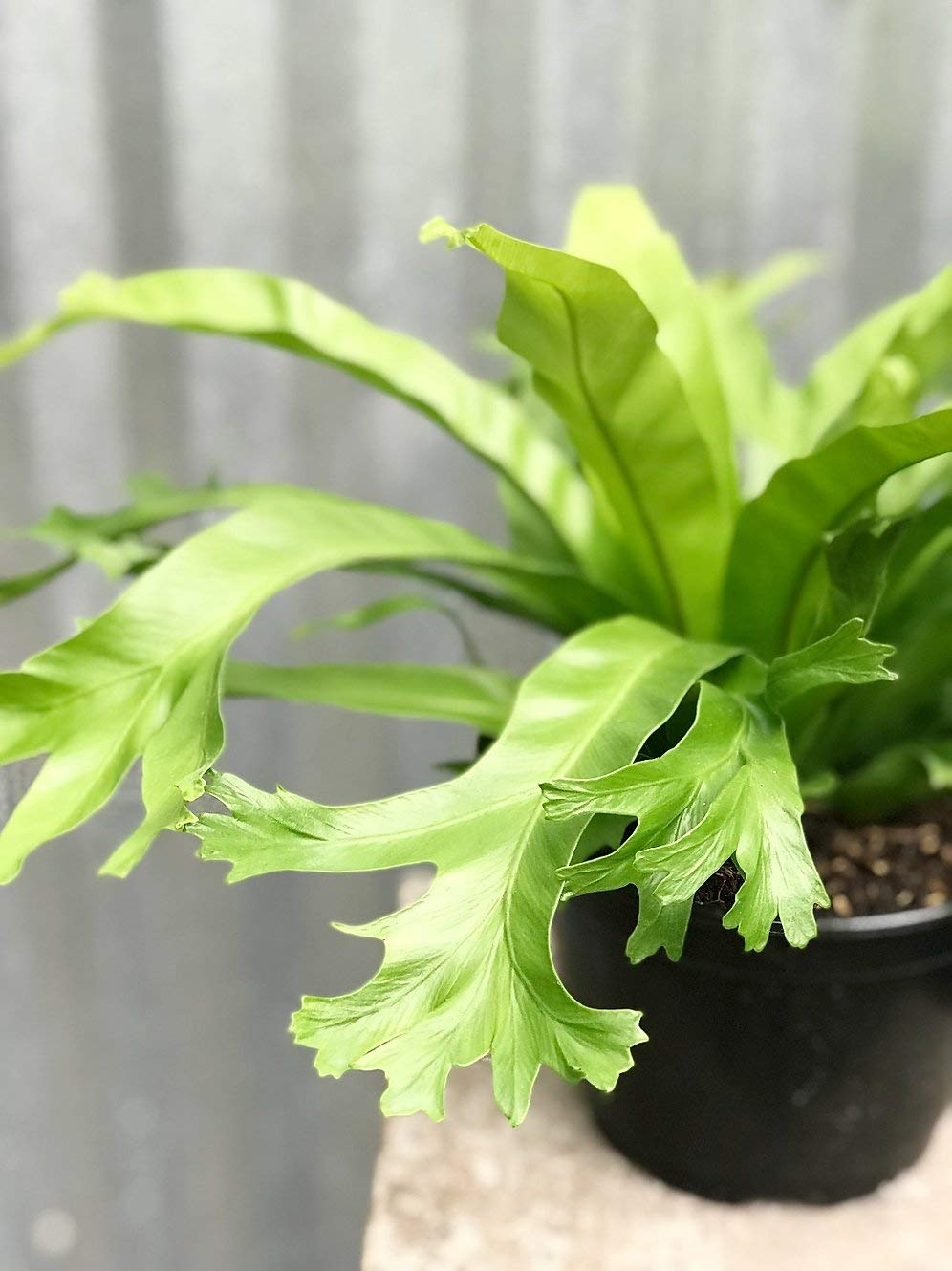
Whether you’re a seasoned plant enthusiast or a budding green thumb, the Bird’s Nest Fern, scientifically known as Asplenium nidus, can be a charming addition to your indoor jungle. This tropical beauty is not just a visual delight with its broad, strap-like fronds; it’s also a fantastic air purifier and a beacon of calm and renewal in your living space. However, like any living thing, it occasionally encounters a few bumps along the road. Let’s delve into the common pests and diseases that might affect your Bird’s Nest Fern and explore how to keep it at its lush best.
Identifying and Treating Common Pests
Scale Insects
What to Look For: Scale insects are sneaky little creatures that latch onto the leaves and stems, appearing as small, brown, or gray bumps. They can be hard to spot initially but can cause significant damage by sucking the sap from your fern.
Solution: Gently wipe the fronds with a cloth soaked in a mild solution of insecticidal soap. Regular inspections can prevent a full-scale invasion. If you notice a heavy infestation, consider using horticultural oil to smother these pests effectively.
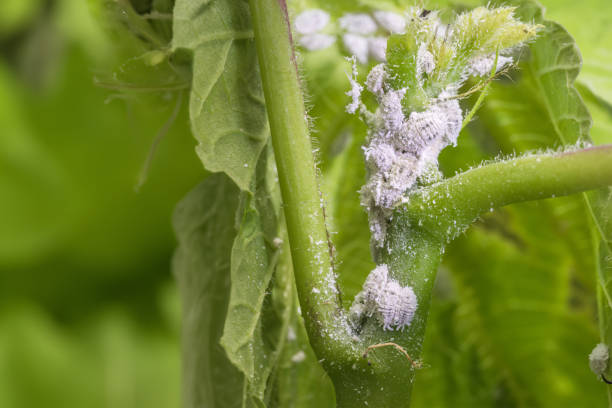
Mealybugs
What to Look For: These pests resemble tiny cotton balls and often hide in the nooks of the plant. They, too, feast on your fern’s sap, leaving behind a sticky residue.
Solution: Dab affected areas with a swab dipped in alcohol or use insecticidal soap. Keeping humidity high can also discourage their presence, as mealybugs prefer drier environments.
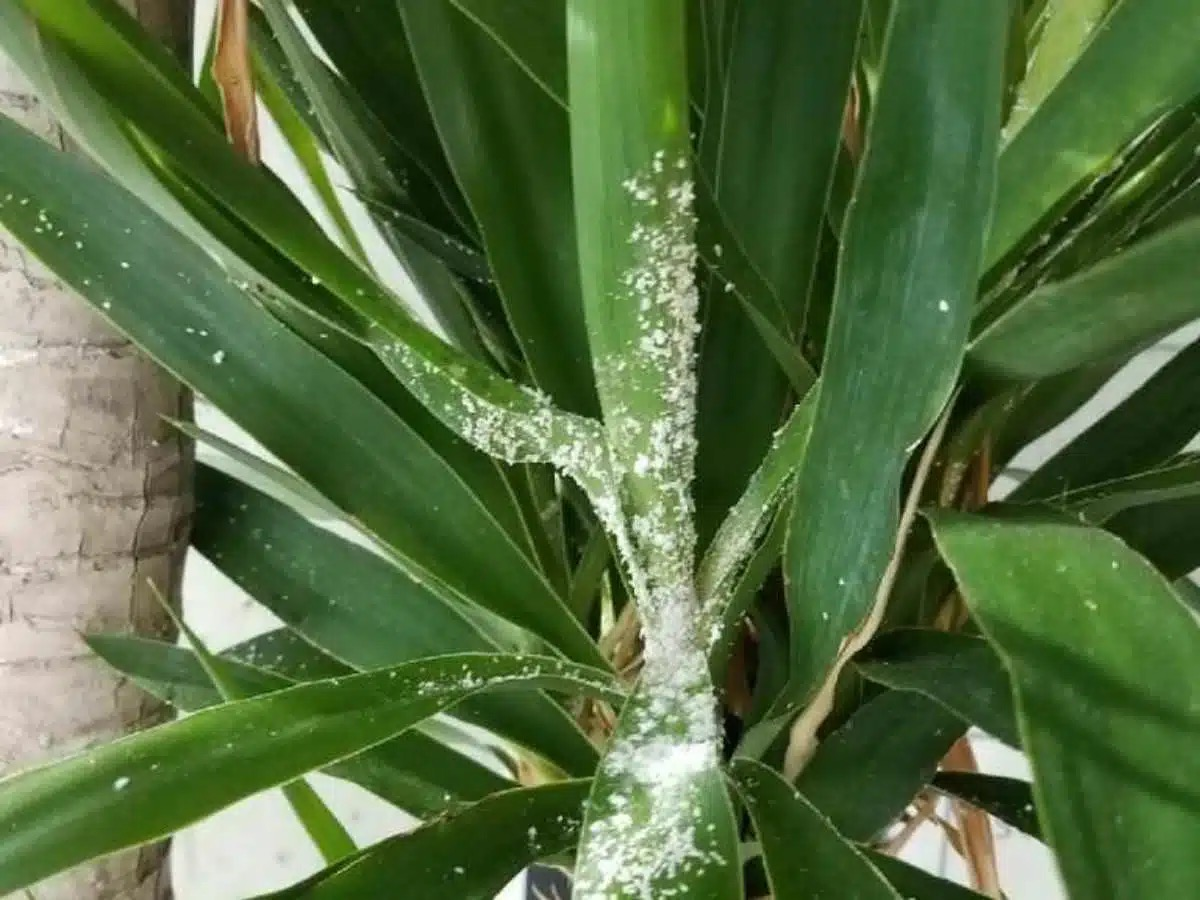
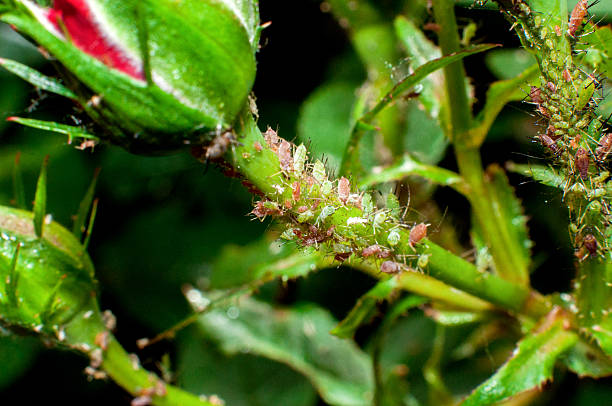
Aphids and Spider Mites
What to Look For: Aphids are small, often green, and cluster on new growth. Spider mites are even tinier and might only be noticed by the fine webbing they create.
Solution: A strong spray of water can dislodge these pests. Follow up with insecticidal soap for lingering populations. Increasing humidity and ensuring good air circulation can also deter spider mites.
Diseases and What to Do About Them
Crown Rot
Cause: This is often caused by water pooling in the plant’s central rosette. It’s the number one killer of Bird’s Nest Ferns if not addressed promptly.
Prevention and Treatment: Always water around the base of the plant, not into the rosette. Ensure your potting mix is well-draining and that your pot has adequate drainage holes. If rot has set in, remove any mushy fronds and improve ventilation around the plant.
Leaf Spot (Including Anthracnose)
What to Look For: Spots on the leaves can range from yellow to brown and are often a result of fungi thriving in warm, humid environments.
Solution: Remove affected fronds and increase air circulation. Keep leaves dry and avoid overhead watering. If the problem persists, a fungicidal treatment might be necessary.
Prevention Strategies
- Humidity: Bird’s Nest Ferns thrive in humid environments. Aim for a humidity level of 60-80%. A room humidifier, pebble tray, or regular misting can help maintain these levels.
- Light and Placement: Position your fern in bright, indirect light. Avoid direct sunlight, which can scorch the fronds, and keep it away from cold drafts or heat vents.
- Watering Routine: Keep the soil evenly moist but not soggy. Water when the top inch feels dry, and always use room-temperature, distilled, or rainwater if possible.
- Regular Checks: Inspect your fern regularly for any signs of pests or disease. Early detection can save your plant from more severe issues.
Bonus Tips for a Happy Fern
- Fertilization: During the growing season, feed your fern with a balanced liquid fertilizer at half strength every two weeks. Reduce feeding in the winter.
- Pruning: Trim any yellowing or damaged fronds to encourage healthy new growth. Remember, the key is not to cut into the central crown or emerging fronds.
- Repotting: Every 2–3 years, or when the plant becomes root-bound, repot your fern in a fresh, airy mix to provide it with the best growing conditions.
The Bird’s Nest Fern is not just a plant; it’s a living piece of art that brings the tranquility of a rainforest to your home. With a little care and attention to its needs, it will reward you with its lush, vibrant presence and perhaps even a little extra peace of mind. Keep these tips in your gardening toolkit, and your fern will thrive, turning any room into a green sanctuary.