

From Rainforest Canopy to Living Room Centerpiece: The Journey of the Bird’s Nest Fern
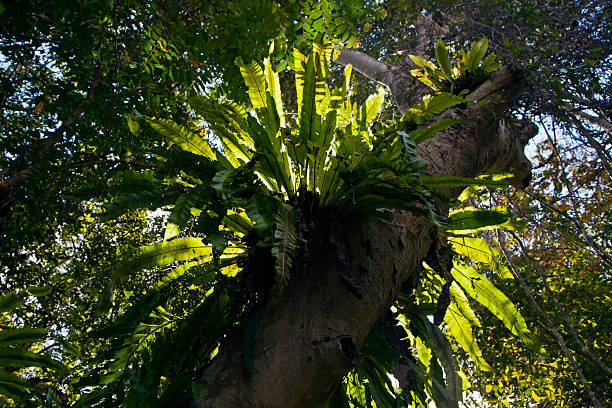
Imagine wandering through a lush, tropical rainforest where the air is thick with humidity and life pulses in every leaf. High above, nestled in the crooks of ancient trees, resides a botanical marvel—the Bird’s Nest Fern (Asplenium nidus). This fern, with its glossy, apple-green fronds stretching skyward like nature’s own ribbon dancers, has gracefully transitioned from its wild, epiphytic origins to become a beloved resident in our homes.
The Fern’s Native Stage: A Canopy Dweller
Native to the tropical regions stretching from Southeast Asia to Australia, and even across the Pacific islands, the Bird’s Nest Fern thrives as an epiphyte in the wild. Think of it as a tree hugger, not a tree thief; it uses the towering giants of the forest as its stage, anchoring itself high above the ground. Here, in the rainforest’s canopy, it captures rainwater and organic debris in its central rosette, crafting its own cozy microhabitat.
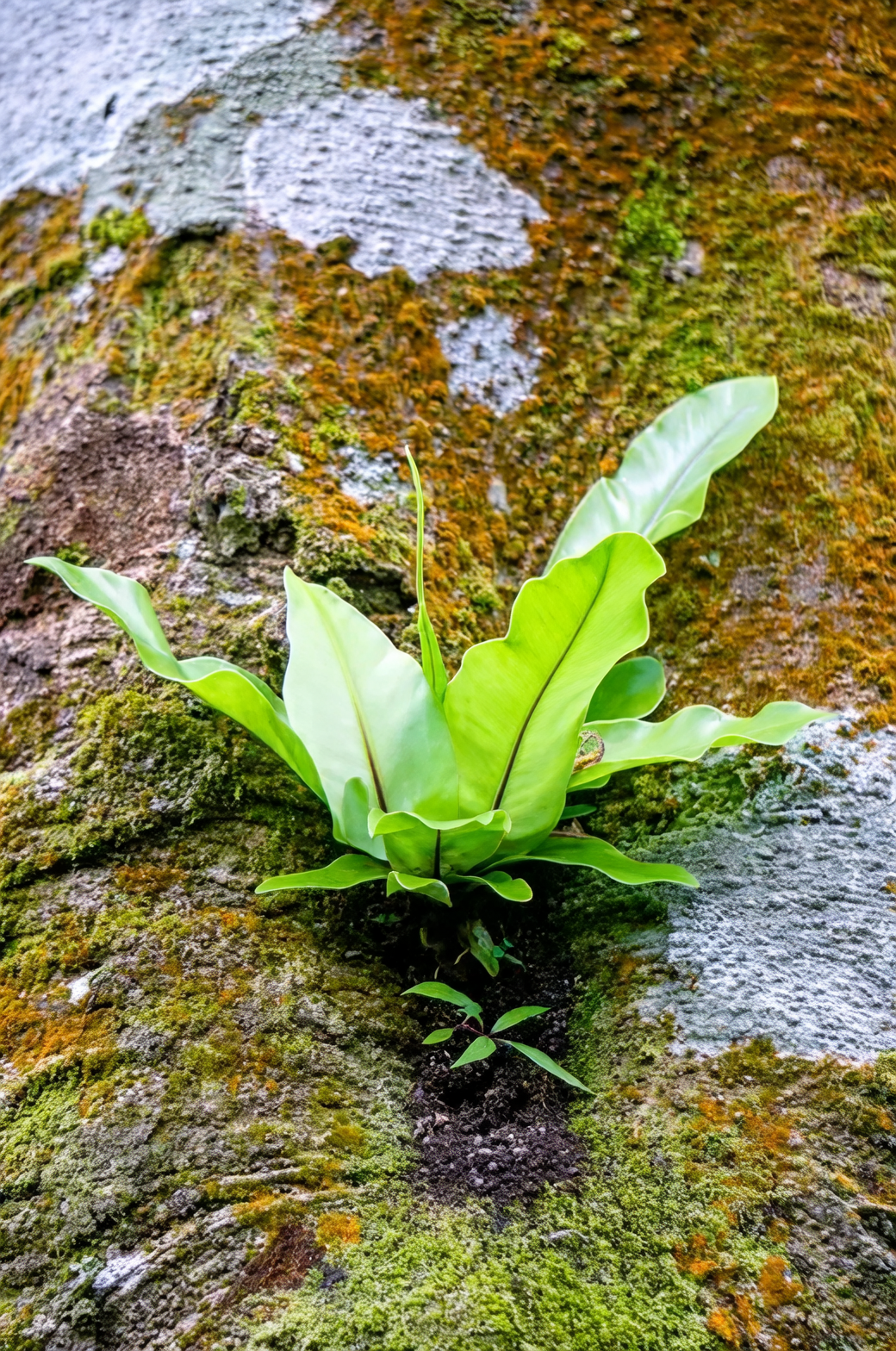
The fern’s ability to thrive on minimal soil is a testament to its adaptability. Its fronds, reminiscent of banana leaves, radiate from a central crown, forming a nest-like structure that is both functional and symbolic—a shelter, a home within a home.
A Journey into Modern Homes
The Bird’s Nest Fern’s journey from forest to foyer is not just a tale of transplantation but of transformation. In the mid-20th century, as houseplant culture blossomed, the fern’s striking form and air-purifying capabilities made it a coveted addition to indoor spaces. Its broad fronds, which can grow up to 150 cm in ideal conditions, bring a touch of the tropics to temperate zones.
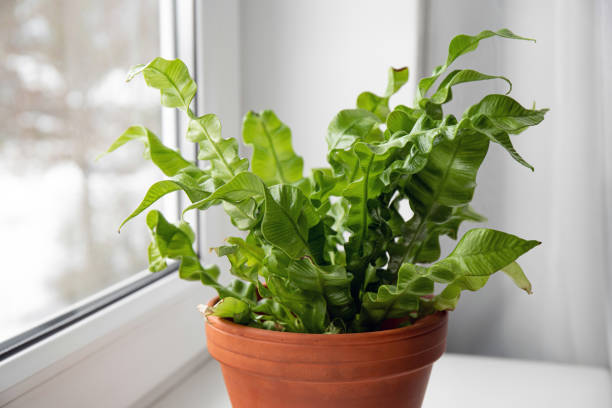
Why the Bird’s Nest Fern? Its allure lies not just in its beauty but in its resilience. Unlike some of its fern cousins, Asplenium nidus is forgiving, tolerating a range of conditions from bright indirect light to partial shade. It asks for just a bit of pampering: a humid environment, well-draining soil, and protection from direct sunlight that can scorch its delicate fronds.
Nurturing Your Indoor Fern
Bringing a Bird’s Nest Fern into your home is like inviting a piece of rainforest tranquility into your daily life. Consider these tips to keep your fern thriving:
- Light: Place your fern in bright, indirect light. An east-facing window or a spot with filtered sunlight works wonders.
- Watering: Keep the soil evenly moist but never waterlogged. Remember, it’s best to water the soil around the plant rather than pouring water directly into the central rosette to prevent rot.
- Humidity: This fern loves humidity. A bathroom, kitchen, or a room with a humidifier can provide the moisture it craves.

- Temperature: Aim for a cozy range of 15–27°C (60–80°F). Keep it away from cold drafts or overheating vents.
Symbolism and Cultural Significance
The Bird’s Nest Fern carries a symbolism as profound as its roots are ancient. In many cultures, it represents home, shelter, and renewal. Its nest-like appearance invites notions of safety and protection, while its vibrant green fronds symbolize growth and prosperity. In feng shui, it is often placed in workspaces to foster a calming, supportive atmosphere.
Fun Facts and Folklore
- Air Purification: It’s often cited as an air-purifying plant, making it a healthy addition to any room.
- Epiphyte’s Feast: In the wild, the fern’s “nest” collects organic matter and rainwater, creating a self-sustaining mini-ecosystem.
- Spore Magic: Unlike flowering plants, it reproduces through spores, tiny particles that mature on the underside of its fronds.
Conclusion
Whether you’re a seasoned plant enthusiast or just starting your green journey, the Bird’s Nest Fern offers a slice of rainforest magic with a touch of elegance. Its transition from the wild to our homes is a reminder of nature’s adaptability and beauty. As it unfurls new fronds, it invites you to pause, breathe, and enjoy the serenity it so effortlessly embodies. So, why not welcome this living piece of history into your space and let its verdant charm bring a whisper of the wild into your everyday life?