

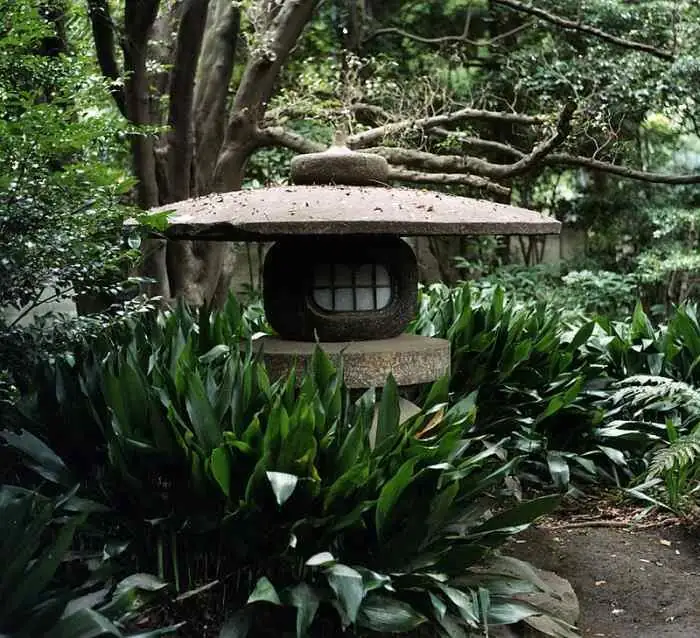
If you’ve got a dry, dappled spot beneath trees where most plants sigh and give up, Aspidistra elatior—the cast-iron plant—steps in like a calm, evergreen carpet. It doesn’t flaunt; it soothes. With leathery leaves and a slow, steady rhythm, it builds a restful under-canopy tapestry that looks good through every season. Here’s how to prep the site, space your plants, guard them from frost, and layer in companions that amplify the serenity.
Meet Aspidistra elatior: the cast‑iron backbone
- Evergreen, clump-forming perennial with slowly spreading rhizomes
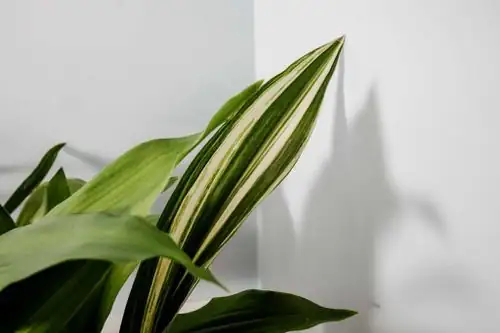
- Long, arching, leathery leaves; classic deep-green plus cultivars with creamy stripes or speckles
- Mature size around 60 × 60 cm (24 × 24 in)
- Shade specialist: partial shade to full shade; avoid harsh direct sun
- Hardy outdoors in USDA Zones 8–11; protect from severe freezes
- Famously forgiving—just don’t let the soil stay soggy
- Non-toxic to cats, dogs, and people
Tiny bell-shaped, brownish‑purple flowers appear at soil level from late winter into spring. They’re subtle, often hidden by foliage—more secret treasure than main event.
Choosing the under‑tree site
Under a canopy, light and moisture shift across the day and seasons. Cast-iron plant excels in:
- Dappled or deep shade, including north and east sides of trunks and walls
- Areas sheltered from hot, reflected afternoon sun and drying winds
- Spaces with decent drainage—wet pockets invite root rot
Tree roots matter:
- Work around large, shallow roots; plant in wide, shallow pockets between them rather than digging deep.
- Keep all mulch and soil away from the trunk flare; no “volcano” mulching.
- Where roots are dense, consider a low, broad berm (10–15 cm high) of improved soil or use handsome containers tucked under the canopy.
Soil preparation for calm, not clingy, moisture
Aspidistra likes moisture that moves—never waterlogged soil. Aim for a loose, humus‑rich base that drains well.
Step‑by‑step:
- Mark planting pockets between major roots. Loosen the top 10–15 cm of soil, 2–3 times wider than each rootball.
- Blend in 3–5 cm of leaf mold or compost to boost fertility and sponge up just‑enough moisture.
- In heavier soils, mix in coarse grit or pumice for air space. The goal: crumbly, free-draining texture.
- Plant so crowns (where leaves emerge) sit at the same depth as in the pot.
- Water to settle, then mulch 5–7.5 cm with shredded leaves, fine bark, or compost—keeping mulch pulled back from crowns and trunk flare.
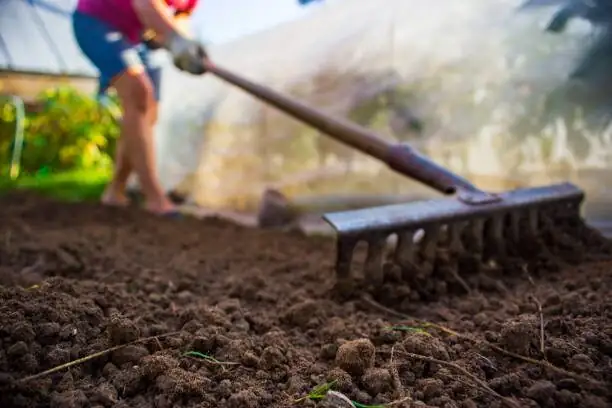
Tip: Under mature trees, steady moisture during establishment is essential. A simple ooze hose snaked through the bed beats frequent sprinkles.
Spacing and layout for a serene, evergreen tapestry
Cast‑iron plant spreads slowly, so your spacing sets the visual pace.
- For a continuous, quick-filling carpet: 30–38 cm (12–15 in) on center
- For standard fill within 2–3 seasons: 45–60 cm (18–24 in) on center
- For budget drifts that mature over time: 60–75 cm (24–30 in) on center
Design notes:
- Mass in sweeps under the dripline; repeat every few meters to unify the scene.
- Use tall clumps near the trunk, medium drifts mid‑canopy, and low, fine textures at the edge.
- Tuck a few variegated aspidistras among the deep green to “catch light” without breaking the calm.
Watering and feeding outdoors
- Establishment (first growing season): Deeply water once or twice weekly in dry spells so the top 3–5 cm can dry slightly between waterings. Avoid standing water.
- Thereafter: Water during extended droughts; otherwise rainfall + mulch often suffice in shade.
- Feeding: In beds, a spring top-dress of compost is usually enough. In containers, feed monthly from spring through late summer with a balanced liquid fertilizer at half strength.
Cold and frost protection
Aspidistra is hardy in USDA Zones 8–11, but it dislikes hard freezes.
- Choose sheltered microclimates: under evergreen canopies, near walls, or in courtyards.
- Before cold snaps, water the soil (moist soil holds a touch more warmth), then cover plants overnight with breathable frost cloth. Remove during the day.
- Add a winter mulch ring (5–7.5 cm) after the ground cools.
- In colder zones, plant in containers you can whisk into a garage or porch during freezes.
Companion planting that keeps the peace
Prioritize shade lovers with graceful forms, evergreen presence, and steady textures. Think contrast in leaf shape, harmony in tone.
Calm, evergreen anchors:
- Ferns (e.g., holly fern, autumn fern) for fine, lacy contrast against broad aspidistra leaves
- Liriope and mondo grass for low borders and paths that read as “stitched edges”
- Asarum (wild ginger) as a glossy, low groundcover patchwork
- Aucuba and Fatsia (mild climates) as bold, glossy shrub punctuation
- Sarcococca for winter fragrance and tidy structure in deeper shade
Dry‑shade specialists with delicate motion:
- Epimedium for spring flowers and elegant, heart-shaped leaves
- Hellebores for late‑winter/early‑spring bloom that overlaps aspidistra’s subtle ground‑level flowers
Seasonal sparkle without chaos:
- Cyclamen hederifolium or snowdrops to dapple the floor with gentle bloom in low, early-season light
- Hostas where soil can be kept more evenly moist; their bold mounds pair beautifully, but keep them to the shadier, moister arcs of the bed
Keep the palette restrained—deep greens, soft variegation, and a few highlights—to maintain the meditative feel.
Three easy under‑tree planting recipes
1) Deep-green sanctuary (low maintenance, year‑round)
- Mass of cast‑iron plants, 45–60 cm centers
- Drifts of holly fern weaving through
- A low edging of mondo grass to frame paths
- Mulch with shredded leaves for a woodland look
2) Variegated hush (brightening dark corners)
- Green cast‑iron plant matrix, 45 cm centers
- Punctuate with a few variegated aspidistras
- Add Aucuba (variegated) as shrub accents
- Thread in Epimedium for spring lift and fine texture
3) Winter‑to‑spring whisper
- Cast‑iron plant base layer
- Pockets of hellebores and Cyclamen hederifolium
- Sarcococca near paths for fragrance
- A slim ribbon of liriope along the bed edge
Planting and early care checklist
- Planting: Late spring or early autumn when soil is workable and mild
- First month: Water deeply once or twice weekly; check that crowns aren’t mulched over
- Ongoing: Allow the top layer to dry slightly between waterings; never let soil stay sodden
- Pruning: Snip any tired or yellowed leaves cleanly at the base to keep clumps looking crisp
Pests and problems
Cast‑iron plant is generally trouble‑free outdoors. The main risk is root rot in soils that stay wet—excellent drainage is non‑negotiable. In containers or very sheltered corners, watch occasionally for scale or mealybugs; wipe off or treat early.
Expanding your tapestry by division
Aspidistra divides beautifully.
- Best time: During active growth in spring
- Method: Lift a clump, slice the rhizome into sections with roots and leaves attached, and replant divisions at the same depth. Water in and mulch.
Safety, indoors and out
It’s commonly regarded as non‑toxic to people and pets—one less worry in family gardens and shaded courtyards.
Symbolism and the small wonders
Cast‑iron plant has long signified endurance and resilience—fitting for a plant that keeps its poise in dim, demanding places. Its understated, ground‑level flowers appear in late winter to spring, a reminder that quiet strength often blooms close to the earth and out of the spotlight.
—
Under trees, drama fades and texture takes the lead. With thoughtful soil prep, mindful spacing, light-touch watering, and a few well-chosen companions, Aspidistra elatior composes a calm, evergreen canvas that holds the garden’s hush—365 days a year.