

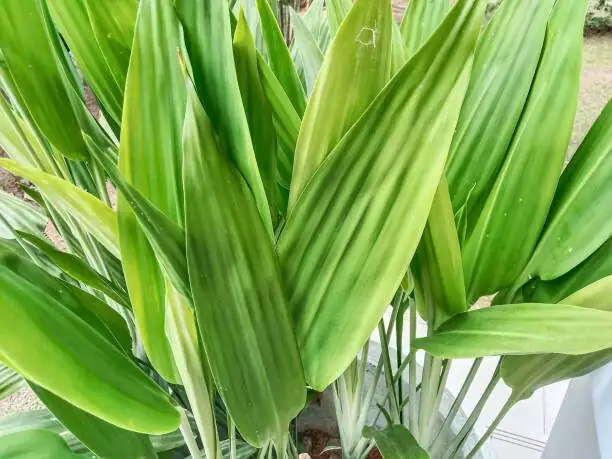
If plants had a nightlife, Aspidistra elatior would be the effortlessly cool regular holding court in the darkest corner—perfectly poised, quietly resilient, and impossibly good-looking under low light. Known as the Cast-Iron Plant (and charmingly, the “bar-room plant”), it’s a botanical study in shade tolerance: long, leathery leaves built like stealth solar panels, a slow-and-steady growth strategy, and a physiology that flourishes in dim rooms yet protests under harsh sun.
Here’s a geek-chic tour of why this plant thrives where others sulk—and how to keep yours impervious and polished.
Meet the plant: cool credentials at a glance
- Scientific name: Aspidistra elatior (family Asparagaceae)
- Origins: Native to Japan (especially the Ryukyu Islands) and Taiwan; now a houseplant icon worldwide
- Habit: Clump-forming evergreen with slowly spreading rhizomes
- Size: About 60 × 60 cm (24 × 24 in) indoors
- Foliage: Long, leathery, arching blades—classic deep green; some cultivars display creamy stripes or speckles (think ‘Asahi’, ‘Milky Way’, ‘Hoshi-zora’)
- Flowers: Small, bell-shaped, brownish-purple blooms at soil level, late winter to spring (often missed indoors)
- Personality: Beginner friendly, shade tolerant, and not fussy about humidity
Shade, by design: how its leaves hack low light
Aspidistra’s leaves look simple—sleek, deep green, and sturdy—but their performance in low light is anything but basic.

- Light-harvesting tuned to dimness:
- The dark, glossy blades are loaded with chlorophyll (including ample chlorophyll b), broadening the wavelengths they can capture in low-light settings.
- Inside, the spongy mesophyll acts a bit like a diffuser—scattering scarce photons so more chloroplasts get a turn.
- Architecture that avoids “photon overload”:
- Leaves typically present nearly vertical or gently arching, which naturally sheds intense midday sun and favors softer, lateral light. It’s a physical shade filter.
- The coriaceous (leathery) texture adds longevity and gentle protection, helping leaves persist for years—perfect for low-energy environments where frequent leaf replacement would be too costly.
- Low light economy:
- Its “light compensation point” sits low: the plant can photosynthesize enough to break even under dim conditions. Extra-bright conditions don’t buy much more growth—but do increase risk (read on).
Bottom line: Aspidistra is built for the understory—think hallways, shaded corners, or rooms with indirect light—where every photon counts and durability pays off.
Why harsh sun scorches while dim light suits it fine
Picture a shade-tuned leaf suddenly hit by a spotlight. That’s photoinhibition: too many photons slam Photosystem II before the leaf’s protective systems can safely dissipate the energy. Here’s what happens in practical terms:
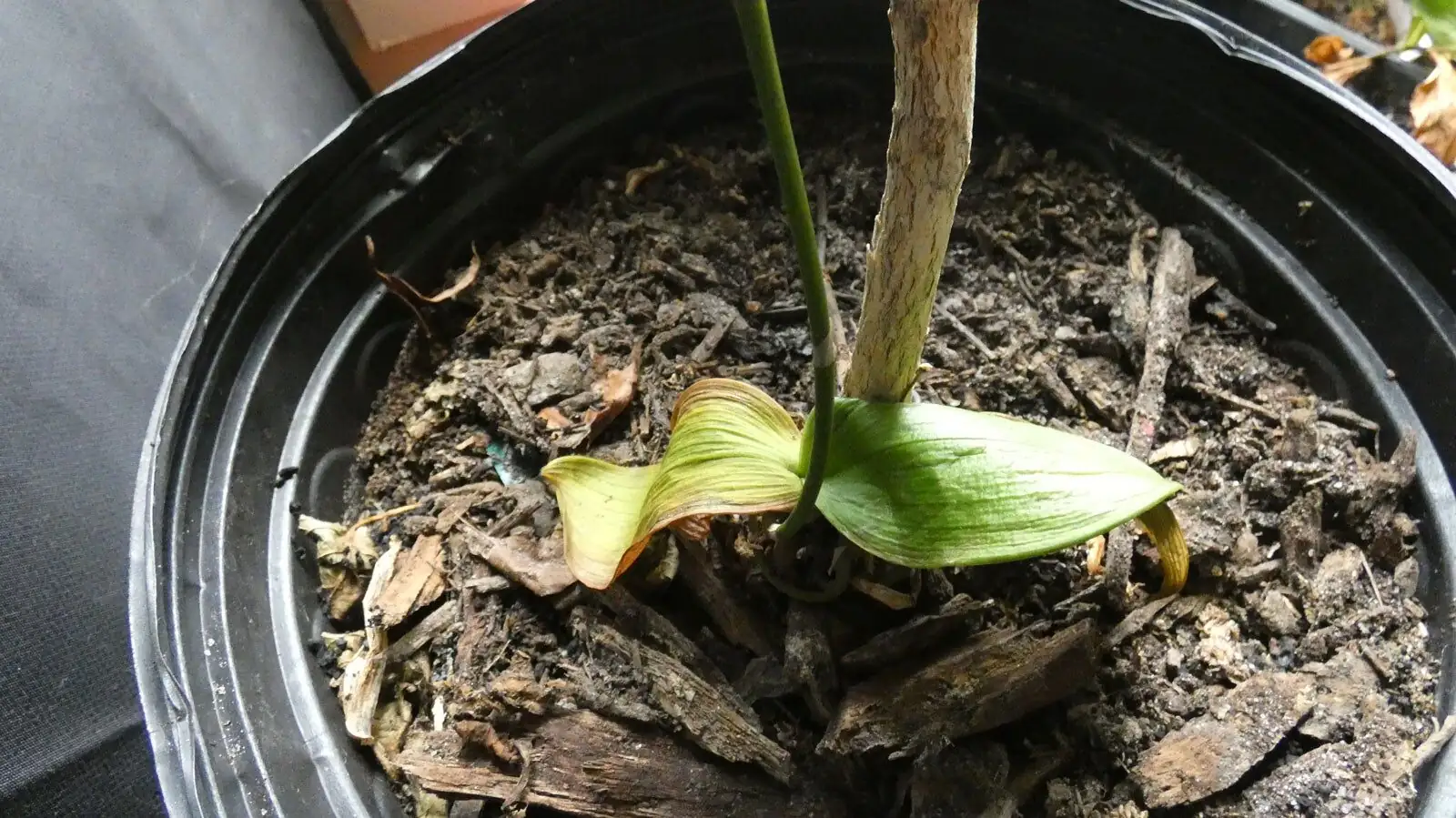
- Heat and hydration mismatch: Long, tough leaves plus lower stomatal activity can mean slower evaporative cooling. Under direct sun, tissues heat up faster than the plant can cool them, leading to browning at the tips or scorched patches.
- Cue the crispy edges: Sunburn shows as yellowing that turns brown and papery, especially on leaf margins or variegated areas (pale tissue lacks chlorophyll, so it overheats faster).
- Bright light ≠ faster growth: Because Aspidistra saturates at relatively modest light, stronger sun won’t speed it up—just stresses it.
Translation: partial shade to full shade is ideal; bright, indirect light is fine. Keep it away from harsh, direct rays.
Slow growth is a power move
Aspidistra plays the long game, and that’s its secret weapon.
- Rhizome strategy: It invests in underground storage and few, long-lived leaves rather than rapid, leafy expansion.
- Durable tissue, low turnover: Each leaf is engineered to last, keeping energy costs low in meager light.
- Nutrient thrift: A modest appetite—monthly feeding at half strength during the growing season is plenty.
The result? A plant that looks composed with minimal input—and forgives the occasional lapse in watering or feeding.
Where it’s happiest: placement and light hacks
- Indoors:
- North-facing windowsills, several feet back from east/west windows, or rooms with good ambient light but no hard sun.
- Ideal for dim rooms, hallways, and shaded corners—spaces where other plants fade.
- If you see strong sun-patches on the floor or on the leaves at midday, move it further back or filter the light with a sheer curtain.
- Outdoors (mild climates):
- USDA Zone 8–11; protect from severe freezes and winter winds.
- Tuck it into full to partial shade under shrubs, porches, or trees.
Tip for variegated forms: Bright, indirect light helps maintain crisp patterning, but keep all cultivars out of strong direct sun.
Water, soil, and the Goldilocks zone
- Watering rhythm:
- Water when the surface of the mix has dried. Reduce in winter.
- Never leave the pot sitting in water; avoid waterlogging (root rot risk).
- Potting mix:
- Loose, well-draining is key. A practical blend: 1:1 standard potting soil and multi-purpose mix; add perlite if needed to keep it airy.
- Pot size: 12.5–20 cm (5–8 in) is usually sufficient; step up gradually.
- Temperature and humidity:
- Prefers cool to moderate rooms: 5–20°C (41–68°F). Tolerates cooler spells; protect from hard frost.
- Low to average indoor humidity is fine—no misting needed.
Care calendar (easy mode)
- Spring to late summer: Feed monthly with a balanced liquid fertilizer at half strength.
- Winter: Water less; no feeding.
- Every 2–3 years: Repot, just one pot size up.
Grooming, buying, and propagation
- Pruning: Remove yellowing or damaged leaves at the base for a tidy clump.
- Buying guide:
- Choose plants with firm, upright leaves and healthy-looking crowns (the base where leaves emerge).
- Avoid pots that smell sour, feel constantly wet, or show widespread yellowing.
- Propagation:
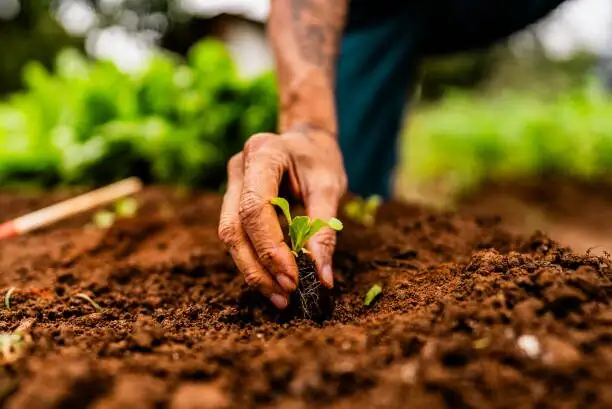
- Best by division during repotting. Separate rhizome sections with roots attached and pot them individually.
Troubleshooting: smart diagnostics
- Brown, crispy tips or blotches? Usually sun scorch or heat stress. Move to shade; trim only if unsightly.
- Yellowing and limp? Likely overwatering. Check drainage and let the top of the mix dry before watering again.
- Pests (uncommon but possible): Watch for scale, mealybugs, and spider mites in dry indoor conditions. Wipe leaves and treat early if spotted.
Good news: It’s commonly regarded as non-toxic to cats, dogs, and people.
The tiny flowers at your feet
Aspidistra’s bell-shaped, brownish-purple blooms appear right at soil level, typically late winter to spring. Indoors they’re easy to miss, hiding beneath the foliage like little secrets. In nature, ground-level bloom placement hints at pollination strategies close to the forest floor—another nod to its understory lifestyle.
History, symbolism, and that “bar-room” nickname
- Victorian fame: It thrived in smoky, dim interiors long before LED grow lights, earning a place in parlors and pubs—hence “bar-room plant.”
- Symbolism:
- Endurance and resilience. The plant’s cultural “flower language” reflects its lived behavior: it keeps its composure under neglect and in low light, standing as a quiet emblem of stamina and steady grace.
Quick answers to common questions
- Is it good for beginners?
- Absolutely. It’s one of the most forgiving houseplants and keeps its looks where others struggle.
- How much light does it need?
- Partial shade to full shade is ideal. Bright, indirect light works, but avoid strong direct sun.
- How should I water it?
- Water when the surface of the potting mix feels dry; water less in winter. Never let it sit in water.
- When should I fertilize?
- Monthly from spring through late summer with a balanced liquid feed at half strength.
- When should I repot, and what pot size?
- Every 2–3 years, moving up just one pot size. A 12.5–20 cm (5–8 in) pot is usually right.
Fun to know
- It earned its “cast-iron” reputation by shrugging off dim light, average home humidity, and the occasional missed watering.
- Those quirky, ground-hugging flowers are so discreet that many indoor growers never notice them.
Geek-chic takeaway: Aspidistra elatior isn’t merely “tolerant” of shade—it’s engineered for it. Give it soft light, airy soil, and unhurried care, and it will reward you with years of glossy, architectural calm where most plants won’t dare to dwell.