

If your cast-iron plant (Aspidistra elatior) could talk, it would probably say, “I’ll handle it.” This famously unflappable houseplant thrives where others throw in the towel—dim corners, average humidity, and the occasional missed watering. But even a stoic plant appreciates a savvy caretaker. Here’s your troubleshooting playbook: early symptom checklists, quick-clean tactics, a foolproof dry-down watering strategy, and how to know when to repot or escalate.
First, the vibe: what Aspidistra wants
- Light: Partial to full shade; bright, indirect light is fine. Keep it out of harsh direct sun.
- Water: Let the surface of the mix dry between waterings; go lighter in winter. Never let it sit in water.
- Temperatures: Comfortable in cool to average rooms (around 5–20°C / 41–68°F). Protect from hard frost.
- Humidity: Low to average is fine—no special misting needed.
- Soil and pot: Loose, well-draining mix in a 12.5–20 cm (5–8 in) pot. A practical blend: 1:1 standard potting soil and a general multi-purpose mix, kept airy with added perlite if needed.
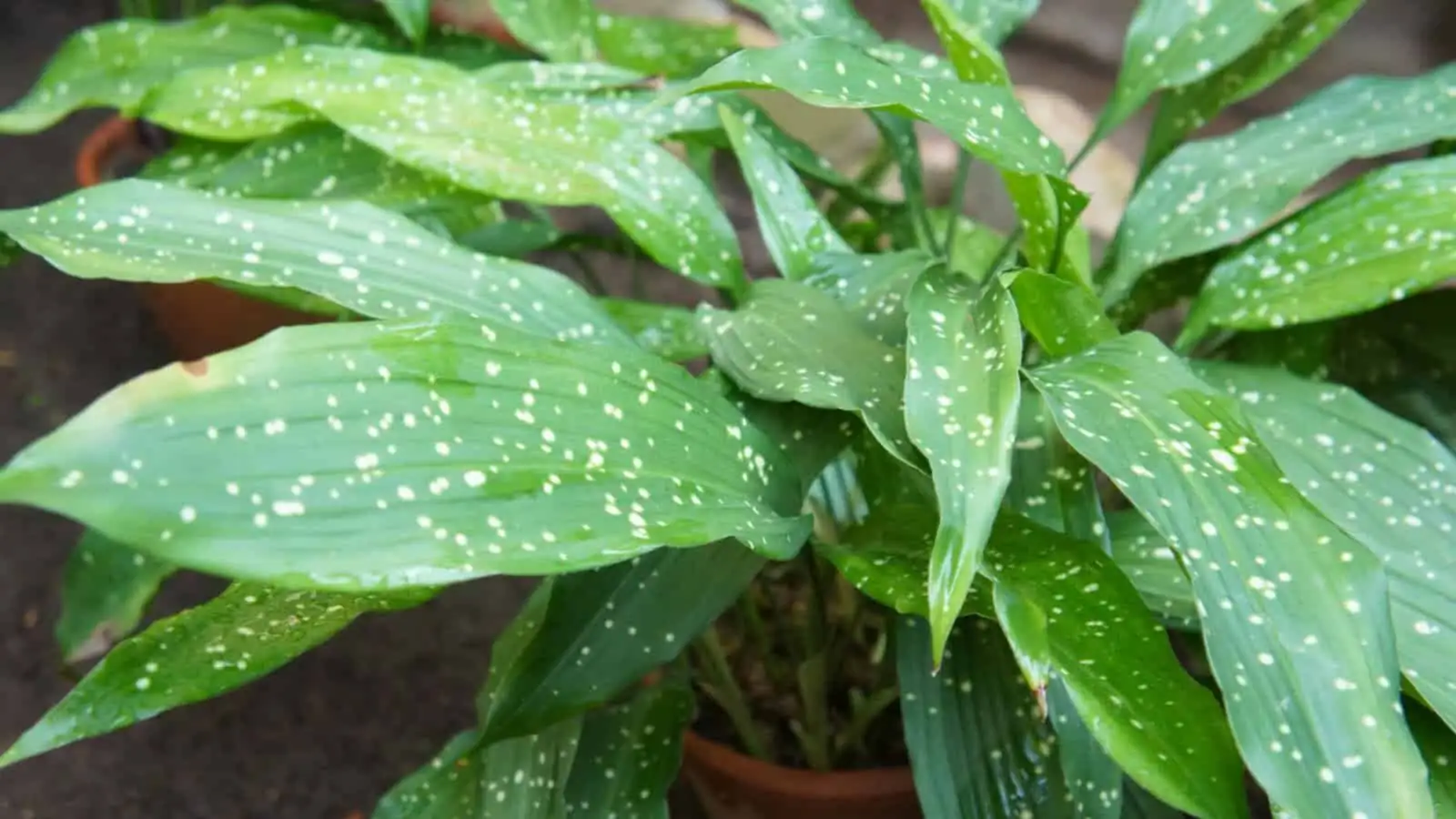
Tip: This plant grows slowly from rhizomes and forms tidy clumps of leathery leaves. Some cultivars show creamy striping or speckles—keep these in bright, indirect light to hold their color.
—
Rapid symptom checklists: catch problems early
Overwatering (the #1 issue to rule out)
- Leaves yellowing one by one (often starting with older leaves)
- Soggy, heavy pot; soil that stays wet for days
- A sour or swampy smell from the pot
- Fungus gnats hovering (a telltale “too wet” flag)
- In severe cases: soft, mushy roots or rhizomes
What to do now:
- Let the top of the mix dry thoroughly before you water again.
- Tip out any water in saucers or cachepots.
- Improve airflow and light (still indirect) to speed drying.
Underwatering (less common, but it happens)
- Leaf tips or margins turn crispy brown
- Soil pulls away from the pot’s edges; pot feels feather-light
- Leaves droop and look tired, then perk up after a deep drink
What to do now:
- Water thoroughly, then allow the surface to dry again before the next go.
- If the mix is hydrophobic (water runs off), bottom-water once to rehydrate, then return to normal.
Too much sun
- Bleached, pale patches that later turn tan and crispy
- Sharp, localized scorch on leaf sections facing the window
Fix:
- Move it out of direct sun; bright, indirect or shaded positions are ideal.
Too little light
- Growth slows to a crawl (it’s already slow by nature, so think “really slow”)
- Leaves may emerge smaller, and variegation can dull
Fix:
- Shift a bit closer to a bright window (still out of direct sun) or choose a brighter shaded spot.
Cold or draft stress
- Limp, water-soaked-looking patches or sudden yellowing after a chill
- Edges darkening after exposure to cold windows or door drafts
Fix:
- Keep off freezing windowsills and away from exterior door drafts; protect from frost.
Nutrition and salts
- Pale, lackluster foliage during active growth can hint at low nutrients
- Brown tips despite correct watering can indicate fertilizer salt buildup
Fix:
- Feed monthly at half strength from spring through late summer only.
- Periodically flush the pot with plain water to wash out salts.
Pests: quick ID
- Scale: Dome-like brown bumps on leaves/stems; sticky honeydew; may develop sooty mold
- Mealybugs: White cottony tufts in leaf bases or along midribs
- Spider mites: Stippled, dusty-looking leaves with fine webbing (often along edges)
Action:
- Isolate the plant, wipe pests off with a damp cloth or cotton swab dipped in isopropyl alcohol, and repeat weekly until clear.
- A gentle shower and insecticidal soap can assist. Keep leaves clean (dust-free) to discourage mites.
—
Simple cleaning tactics that actually help
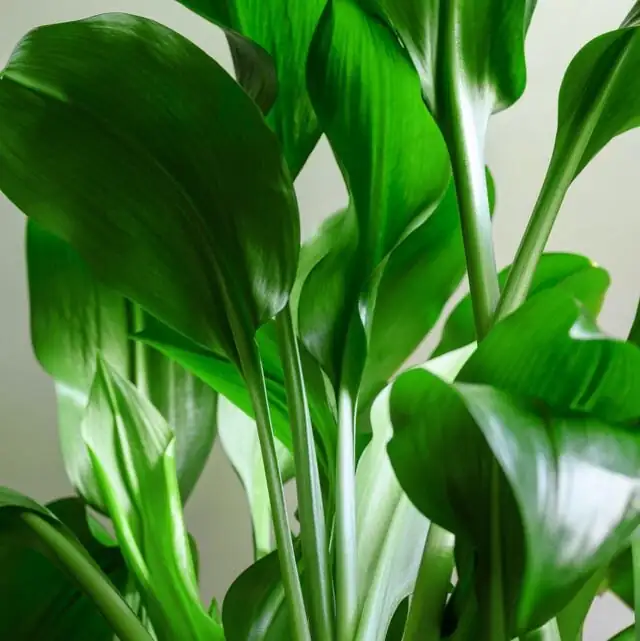
- Dust-off routine: Every 1–3 months, support each leaf with one hand and wipe both sides with a soft, damp cloth. Add a drop of mild dish soap in a liter of lukewarm water for grimy buildup; rinse or re-wipe with plain water.
- Shower reset: Place the plant in a tub and give it a gentle, lukewarm rinse to wash off dust and pests—let it drain fully.
- Surface refresh: If you see algae, fungus, or a white crust on the top of the soil, gently scrape and replace the top 1–2 cm with fresh mix.
- Tool hygiene: Pruners and scissors should be cleaned with alcohol before snipping off yellowed leaves at the base.
Clean leaves = better photosynthesis and fewer mite problems.
—
The cast-iron dry-down strategy (your watering autopilot)
1) Check dryness the right way
- Finger test: The top 2–3 cm (about an inch) should feel dry before watering.
- Weight check: Learn the pot’s “light vs. heavy” feel.
- Optional: A wooden chopstick or moisture probe can help confirm.
2) Water deeply, then wait
- Water until you see a gentle runoff; discard any water collected in the saucer.
- Let the surface dry again before the next watering. In winter, stretch the interval further.
3) Timing cues by season and pot size
- Typical indoor rhythm: every 10–21+ days, depending on light, temperature, and pot size.
- In low light and cool rooms, water less often; in brighter, warmer spots, a bit more often.
4) If you overdid it
- Stop watering and let the mix dry to the touch before resuming the cycle.
- Improve drainage and airflow; consider adding perlite next repot.
—
When to repot—and when to escalate
Signs it’s time to repot (every 2–3 years is typical)
- The plant is top-heavy or the rhizomes are pressing against the pot sides
- Roots circling the bottom; water zips through without soaking in
- The mix has broken down (stays wet too long or compacts)
- Persistent salt crust on the soil surface
How to repot (step by step)
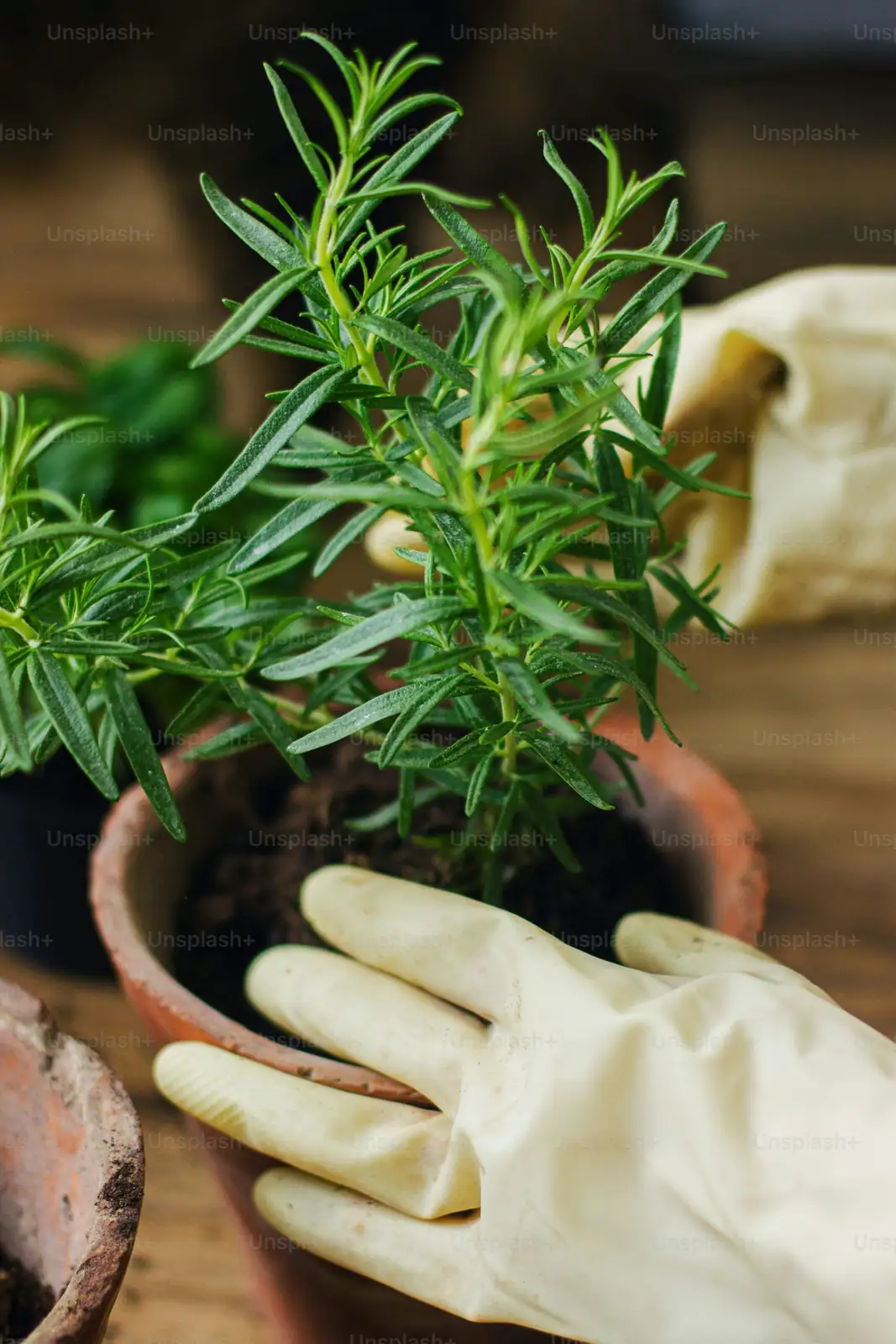
- Timing: Best in spring to early summer.
- Pot: Increase just one size (for example, from 15 cm to 18 cm). Ensure drainage holes.
- Mix: A loose, well-draining blend—try 1:1 standard potting soil and a multi-purpose mix, kept airy with added perlite.
- Prep: Water the plant the day before to reduce transplant shock.
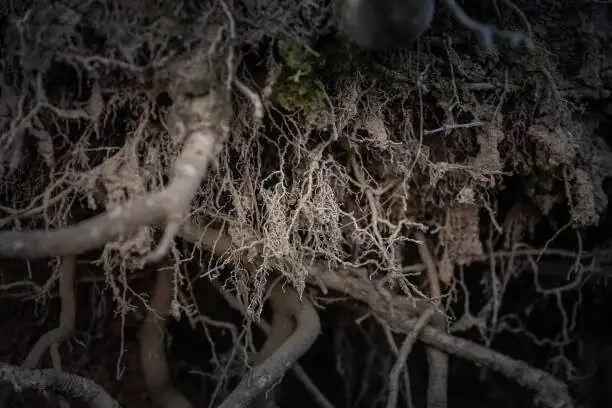
- Lift and inspect: Tease away old, compacted mix. Healthy roots are firm; trim dead, mushy tissue.
- Set high: Position rhizomes just below the surface; don’t bury crowns deeply.
- Water-in lightly: Settle the mix, then let the surface dry before resuming your usual schedule.
Post-repot care
- Bright, indirect light; no direct sun.
- Hold fertilizer for 4–6 weeks to avoid root burn.
- Keep slightly on the drier side while new roots establish.
Emergency escalation: suspected root rot
- Symptoms: Multiple leaves yellowing quickly, sour smell, consistently wet soil, mushy brown roots/rhizomes.
- Triage:
1) Unpot and gently rinse off the mix.
2) Sterilize scissors; trim all mushy roots back to firm tissue.
3) Dust cuts lightly with cinnamon (optional) and let surfaces air-dry 30–60 minutes.
4) Repot into fresh, airy mix and a clean pot with drainage.
5) Place in bright, indirect light; water sparingly until recovery.
Pest escalation timeline
- Week 0: Isolate, wipe leaves (top and underside), spot-treat with alcohol on scale/mealybugs, then wash with insecticidal soap.
- Week 1 and Week 2: Repeat wipe + wash. Vacuum or rinse away spider-mite webbing.
- Watch for honeydew and sooty mold (typical with scale)—these clear as the pests decline.
—
Placement, environment, and simple routines that prevent problems
- Placement: Shaded corners, hallways, and dim rooms are its natural beat. Keep it out of harsh, direct sun.
- Temperatures: Cool-to-average rooms are fine; protect from frost and cold drafts.
- Humidity: Average home air works; no misting needed.
- Feeding: During spring to late summer, feed monthly at half strength; skip fertilizer in fall and winter.
- Pruning: Cut aging or yellow leaves cleanly at the base.
- Propagation: Divide rhizomes during repotting, ensuring each piece has roots attached.
Bonus: Its small, brownish-purple flowers bloom right at soil level—easy to miss unless you’re looking during late winter to spring.
—
Symbolism, lightly unpacked
Aspidistra is synonymous with endurance and resilience—fitting for a plant that once thrived in smoky Victorian “bar-rooms” and still keeps its poise in modern low-light homes. The symbolism isn’t airy folklore; it reflects the plant’s genuine ability to tolerate shade, irregular care, and everyday indoor life without drama.
—
Fast fixes (at a glance)
- Yellow leaves? Check for overwatering and drainage; let the surface dry before the next drink.
- Brown tips? Could be salts or drought swings—flush the pot and tighten up your dry-down rhythm.
- Sticky leaves or black smudges? Likely scale honeydew and sooty mold—wipe, then treat.
- No growth? It’s a slowpoke—improve light (indirect), feed monthly in spring–late summer, and don’t overpot.
The beauty of Aspidistra elatior is that small, simple moves go a long way: keep the leaves clean, water only after the surface dries, and repot modestly every few years. Do that, and your cast-iron plant will quietly look flawless in the places most houseplants fear to tread.