

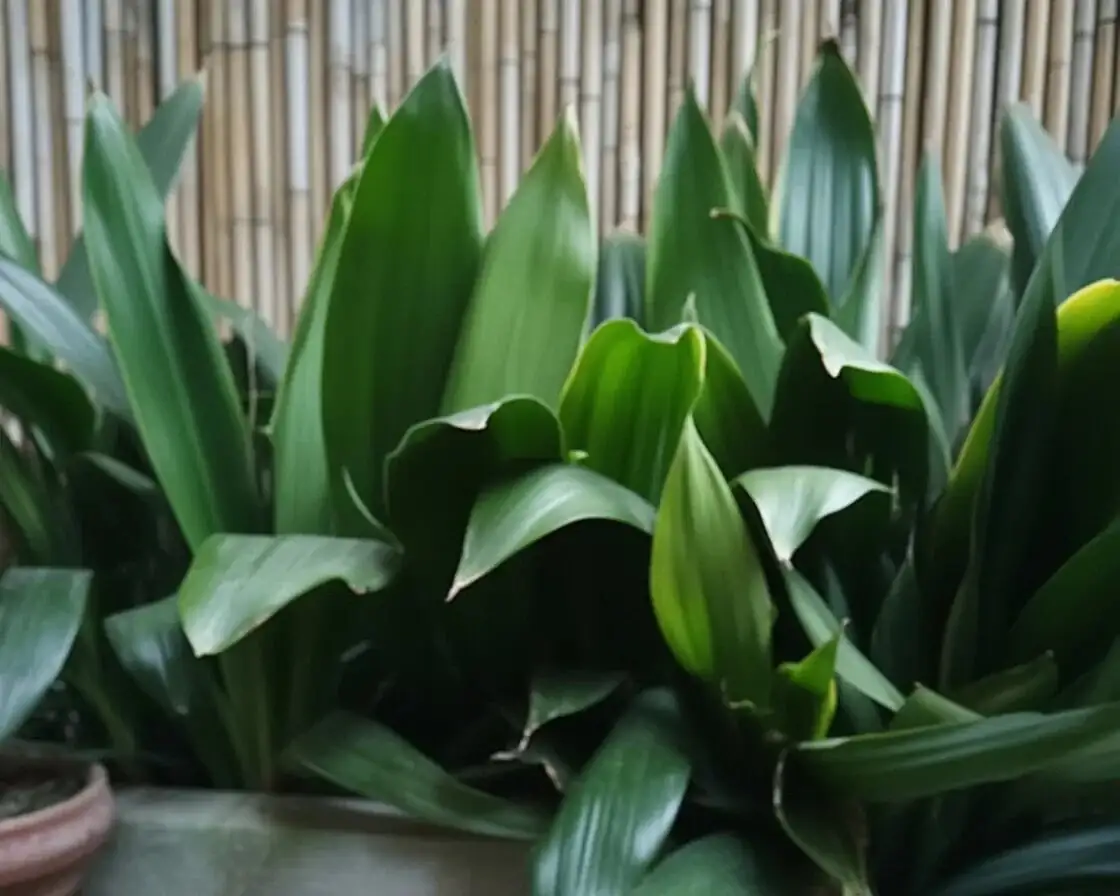
If you’ve ever wished your houseplants could thrive in the dim corners where you actually have space, meet Aspidistra elatior—the cast-iron plant that made low light chic long before it was cool. This is your friendly, myth-busting guide to watering by dryness, mapping light for shade, seasonal tweaks, and mixing an airy potting blend that keeps roots happy—not soggy.
Meet Aspidistra elatior (Cast-Iron Plant)
- Also known as: Aspidistra, Bar-Room Plant
- Family: Asparagaceae; Genus: Aspidistra
- Origin: Forest floors of Japan (especially the Ryukyu Islands) and Taiwan
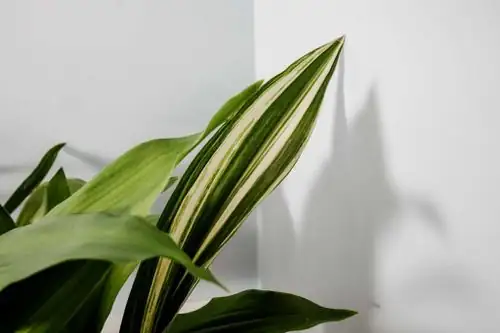
- Look: Long, leathery, arching leaves; deep green or handsomely variegated with creamy stripes/speckles
- Size indoors: About 60 × 60 cm (24 × 24 in), clump-forming from slow-spreading rhizomes
- Flowers: Small, bell-shaped, brownish-purple blooms at soil level, mostly late winter to spring—easy to miss indoors
- Personality: Beginner-friendly, shade tolerant, low-humidity tolerant, and forgiving—but not a fan of soggy soil
Myth-Busting: What This Shade Lover Really Wants
- Myth: “It’s indestructible—ignore it forever.”
Reality: It’s forgiving, not immortal. Let the surface of the mix dry before watering and give it gentle shade.
- Myth: “It can live in total darkness.”
Reality: It tolerates low light but still needs some light. Bright, indirect or partial-to-full shade is ideal. Avoid harsh direct sun.
- Myth: “Misting is essential.”
Reality: Average indoor humidity is fine; no special misting needed.
- Myth: “Bigger pot = faster growth.”
Reality: Overpotting traps moisture and risks root rot. Use a modest container with excellent drainage and repot only every 2–3 years, one size up.
- Myth: “Pebbles at the bottom improve drainage.”
Reality: They raise the water table. Properly airy mix + a pot with a drainage hole beats pebble layers every time.
Watering by Dryness: A Simple, Foolproof Routine
Aspidistra dislikes waterlogged mix, but it does appreciate thorough drinks—timed right.
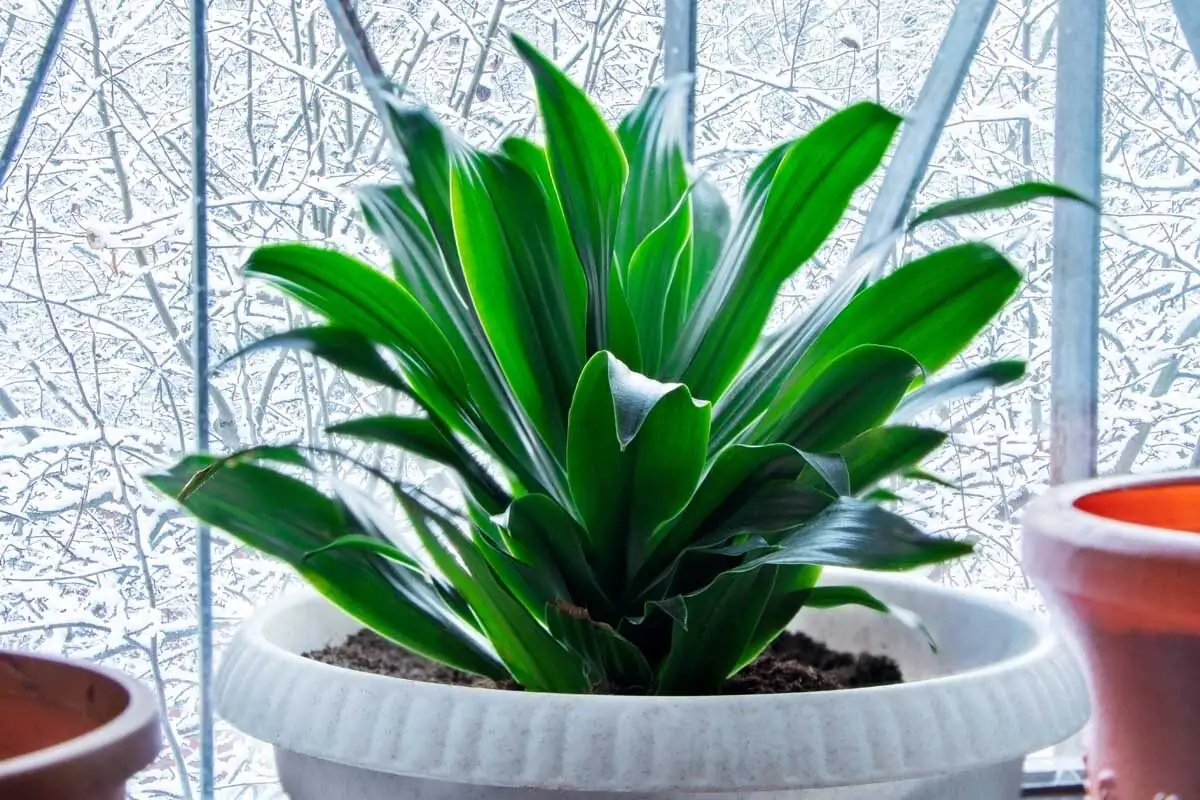
- Your cue: Water when the surface of the potting mix has dried. In brighter rooms and warmer months, this happens faster; in winter, slower.
- How to check dryness:
- Finger test: Top 1–2 cm (about a fingertip) feels dry? Time to water.
- Wooden skewer: Insert, wait a minute, and check for dampness or mix clinging.
- Pot weight: Learn the “freshly watered” heft vs. “time-to-water” lightness.
- How to water:
- Water evenly until excess drains from the hole. Never let the pot sit in a saucer of water.
- If the mix has pulled from the pot edge or seems hydrophobic, water in two rounds a few minutes apart to re-wet.
- Seasonal tweaks:
- Spring–late summer: Expect moderately frequent watering; growth is steady.
- Winter: Reduce watering. The plant sips more slowly in cooler temps and dimmer days.
- Red flags:
- Too wet for too long: Yellowing leaves from the base, sour smell, mushy rhizomes.
- Too dry for too long: Crispy tips, dull droop, mix shrinking from pot sides.
Light Mapping for a Shade Specialist
Aim for partial shade to full shade or bright, indirect light. The trick is avoiding harsh direct sun that can scorch leaves.
- Quick “shadow test”:
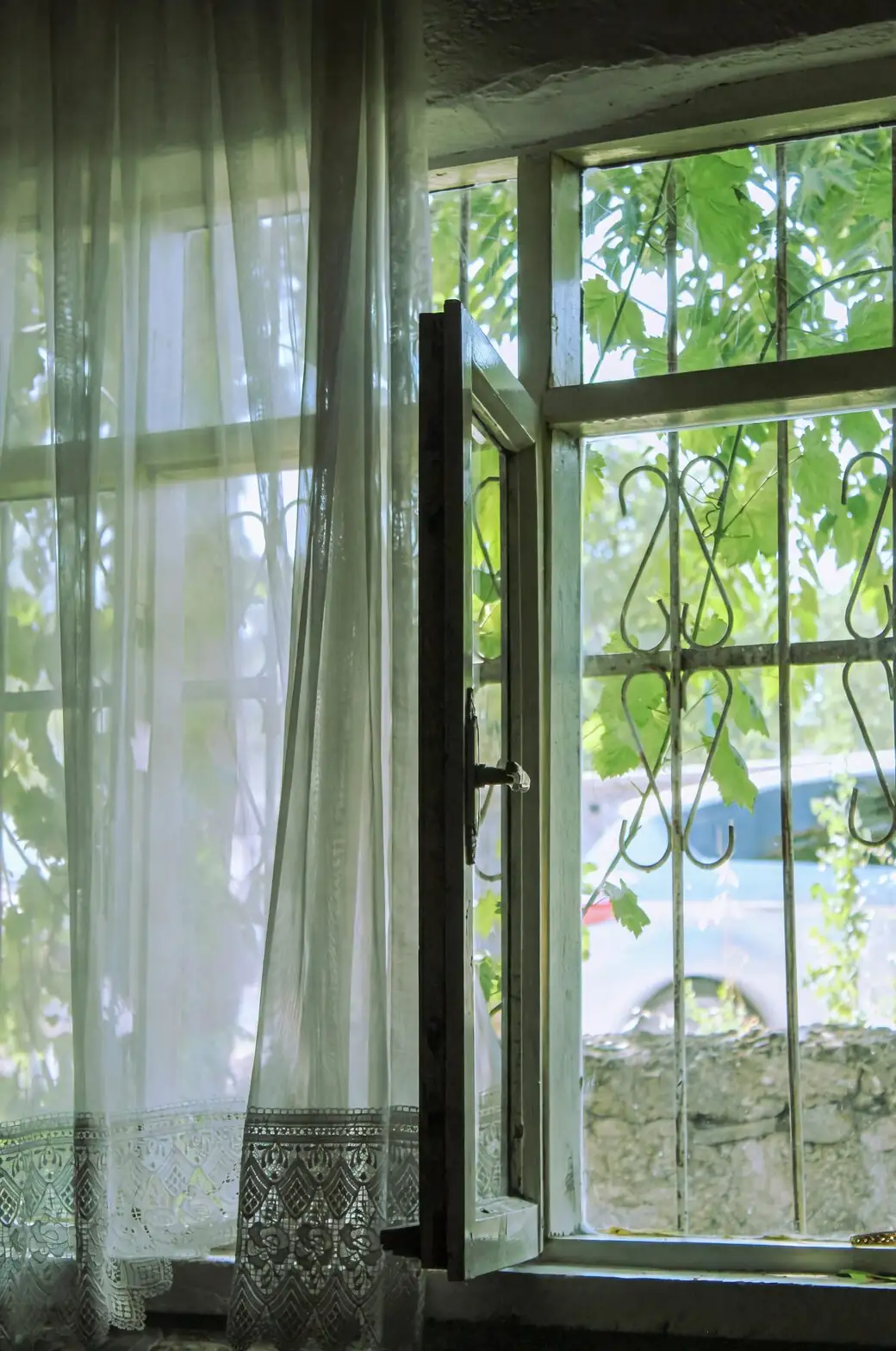
- Sharp, crisp shadow: Too direct—move farther from the window or diffuse with a sheer curtain.
- Soft, fuzzy shadow: Perfect bright, indirect light.
- Barely any shadow: Low light—still acceptable for Aspidistra, just don’t expect speedy growth.
- Where it thrives:
- North-facing rooms, shaded corners, hallways, or several feet back from east windows
- A few steps inside a bright room behind a sheer curtain
- Variegated cultivars: Give them the brighter end of “indirect” to keep variegation crisp—still no harsh midday sun.
- Pro move:
- Rotate the pot a quarter turn every month for even, symmetrical clumping.
- Reassess light seasonally; winter often means moving a bit closer to windows (still shielded from direct rays).
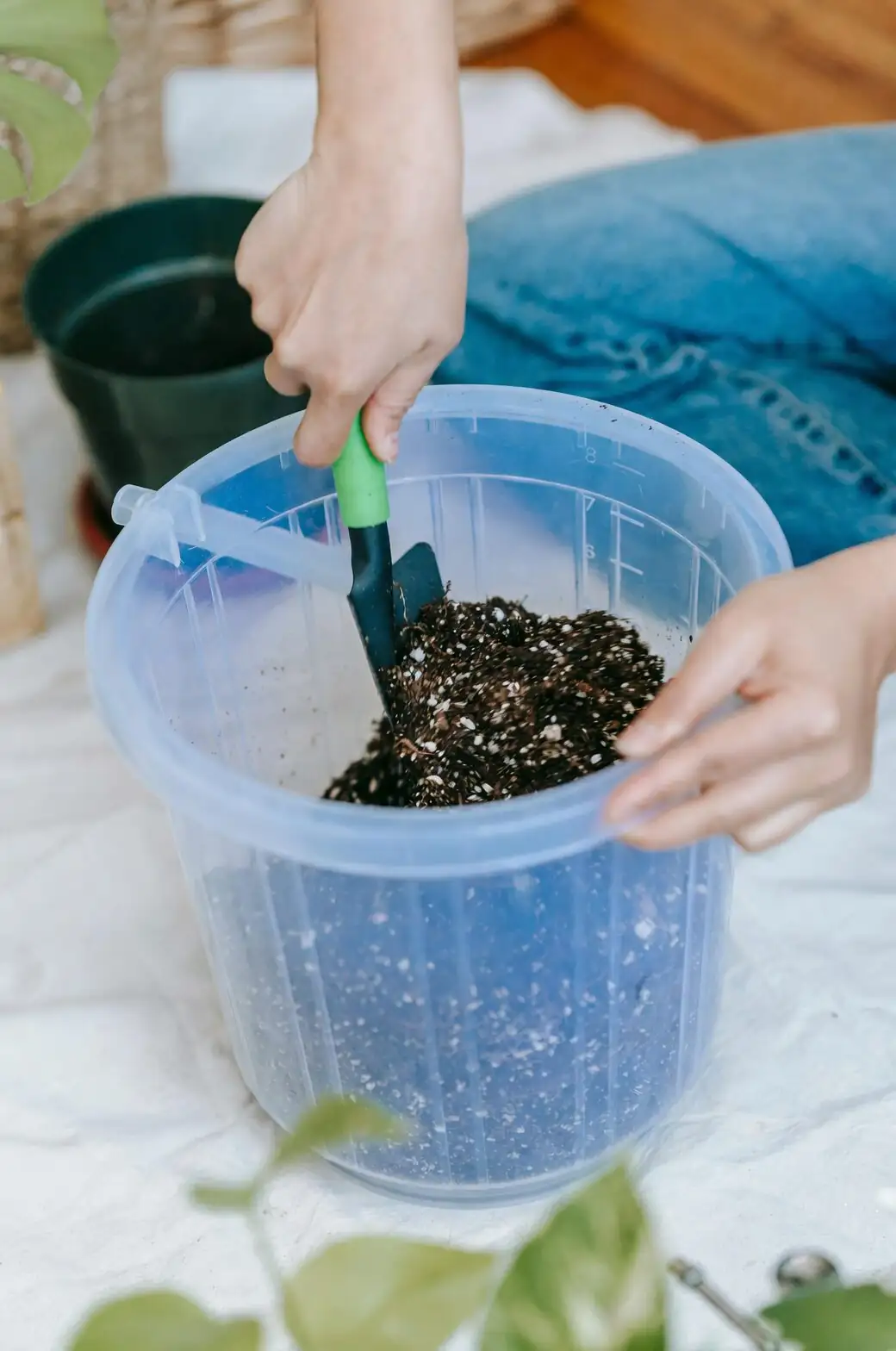
The Perfect Airy Potting Mix (No Soggy Roots)
Aspidistra’s rhizomes love oxygen and detest a swampy home. Build a mix that breathes.
- Pot and size:
- Use a pot with a drainage hole; 12.5–20 cm (5–8 in) suits most indoor plants.
- Go up only one pot size at repotting.
- Mix recipe (simple and effective):
- 1 part standard potting soil
- 1 part multi-purpose mix
- Keep it airy—add perlite if needed to boost drainage and reduce compaction
- Planting notes:
- Set the crown (where leaves emerge) at the same level as before—don’t bury it.
- Water to settle the mix; then let the surface dry between waterings.
- Why airy matters:
- Loose texture = oxygen around rhizomes = fewer rot issues, steadier growth, and less guesswork.
Seasonal Tweaks That Make Care Effortless
- Spring to late summer:
- Feed monthly at half strength with a balanced liquid fertilizer.
- Maintain your water-by-dryness rhythm; growth may subtly pick up.
- Autumn to winter:
- Water less frequently—shorter days and cooler temps mean slower uptake.
- No fertilizer needed.
- Temperature:
- Comfortable between 5–20°C (41–68°F). It tolerates cool spells but protect from frost and harsh freezes.
- Outdoors (mild climates):
- Generally hardy in USDA Zones 8–11. Keep in shade and shield from severe freezes.
Grooming, Repotting, and Multiplying Your Clump
- Pruning:
- Remove yellowing or damaged leaves by cutting cleanly at the base.
- Repotting:
- Every 2–3 years, one size up only. Tight quarters are fine; oversized pots invite waterlogging.
- Propagation:
- Best by division during repotting. Separate sections of rhizome with healthy roots and pot individually in the same airy mix.
Troubleshooting: Fast Fixes
- Yellowing leaves starting low:
- Likely overwatering or heavy, compacted mix. Let the surface dry before watering; consider refreshing the mix with added perlite.
- Brown tips:
- Often a dryness delay or general stress. Reset to water-by-dryness and check for drafts or heat blasts.
- No growth:
- Normal—Aspidistra is inherently slow. Ensure it has gentle indirect light and is fed monthly (spring–late summer).
- Pests:
- Generally trouble-free. In drier homes, watch for scale, mealybugs, and spider mites. Treat early with a gentle wipe-down and repeat applications of insecticidal soap or horticultural oil. Improve airflow; avoid over-fertilizing.
Safety, Flowers, and Fun Bits
- Non-toxic: Commonly regarded as non-toxic to cats, dogs, and people.
- Flowers: Small, brownish-purple, right at soil level—late winter to spring and easy to miss indoors. A quirky delight if you spot them.
- Symbolism and stories:
- Known as the “bar-room plant” for thriving in Victorian-era smoky parlors, it became a living emblem of endurance. Its so-called flower language (花语) revolves around resilience and quiet strength—qualities earned from centuries of surviving low light, erratic watering, and household neglect with stoic grace.
Quick Care Recap
- Light: Partial shade to full shade; bright, indirect light is fine. Avoid harsh direct sun.
- Water: When the surface dries. Never let the pot sit in water. Less in winter.
- Mix: Loose, well-draining 1:1 potting soil and multi-purpose mix; add perlite if needed.
- Feeding: Monthly at half strength, spring through late summer.
- Repot: Every 2–3 years, one pot size up.
- Temperature & humidity: 5–20°C (41–68°F); low to average indoor humidity, no misting needed.
Treat your cast-iron plant like a shade-dwelling friend who likes a good drink when the top of the soil dries, prefers breathable shoes (an airy mix), and enjoys calm, indirect light. Do that, and it will reward you with glossy, evergreen poise in the very spots most plants refuse to tolerate.