

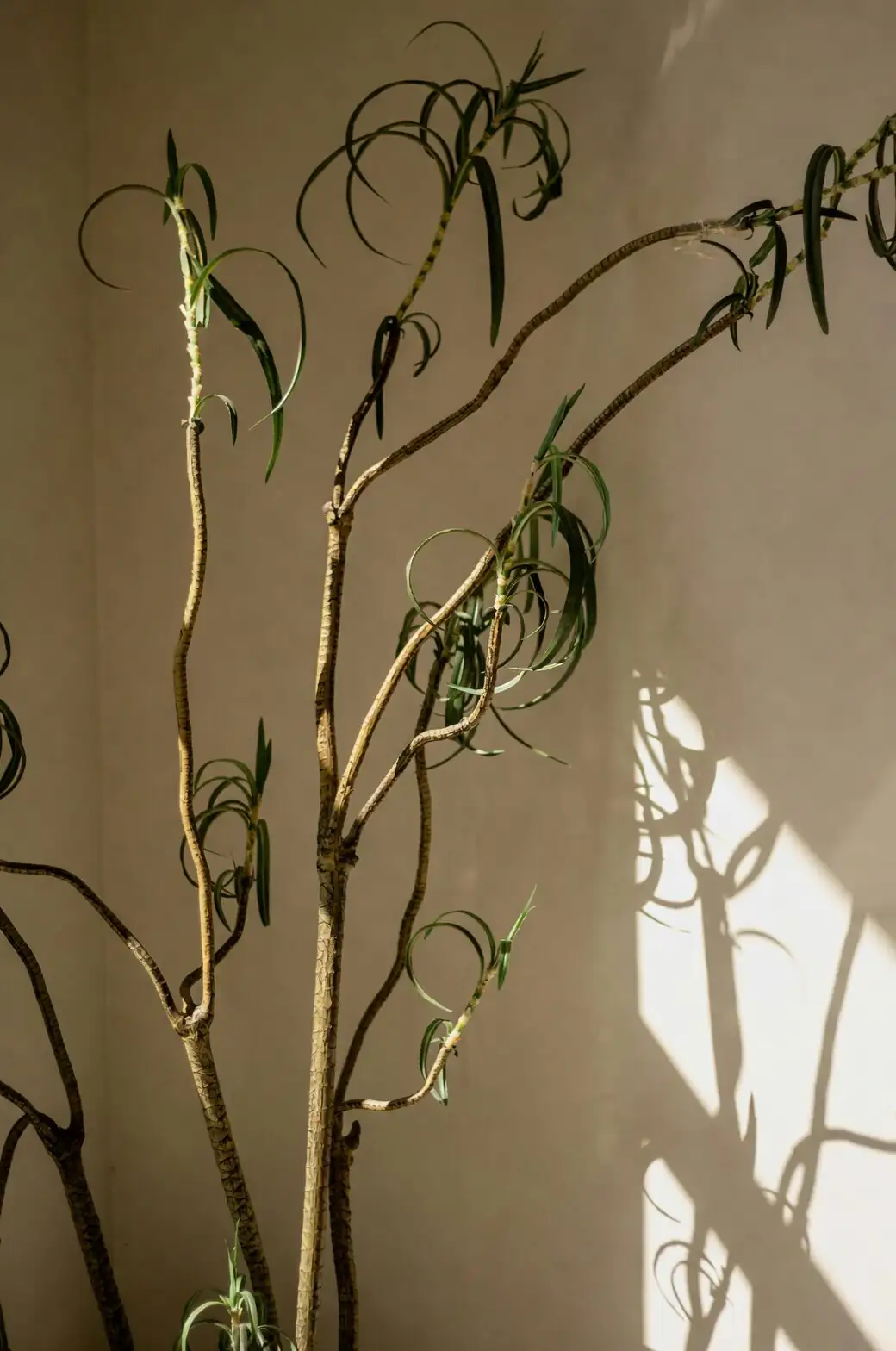
Meet the houseplant that practically runs on autopilot. Aspidistra elatior—better known as the Cast-Iron Plant—earns its nickname by staying lush in the dim corners where others fade. Use this month-by-month checklist to set your watering rhythm, nail the half-strength feeding window, and catch the perfect repotting moment every 2–3 years.
H2: First, set it up for success

- Light: Partial to full shade; bright, indirect light is fine. Avoid harsh direct sun.
- Temperature: Ideally 5–20°C (41–68°F). Protect from hard frost and keep away from heat blasts and cold drafts.
- Humidity: Low to average is fine; no special misting needed.
- Soil & pot: Use a loose, well-draining mix (a practical 1:1 blend of standard potting soil and a multi-purpose mix, kept airy with perlite). A 12.5–20 cm (5–8 in) pot typically suits this slow grower.
- Golden rule: Never let it sit in water; avoid waterlogging.
H2: The month-by-month care checklist
Note: Intervals below are guides. Always check the top 2–3 cm (about an inch) of mix; water only when the surface feels dry. Reduce watering in winter.
H3: January
- Water: About every 3–4 weeks, or when the surface dries.
- Feed: None.
- Extras: Dust leaves with a soft cloth; low winter light means every photon counts.
H3: February
- Water: Every 3–4 weeks as needed.
- Feed: None.
- Extras: Peek at soil level—tiny brownish-purple flowers can appear late winter, often hidden under leaves.
H3: March
- Water: Every 2–3 weeks, adjusting to light and room warmth.
- Feed: Start monthly feeding at half strength with a balanced liquid fertilizer (spring through late summer).
- Repot window opens: If it’s a repot year, plan for this month or next.
H3: April
- Water: About every 10–20 days, depending on how fast the top layer dries.
- Feed: Half-strength, once this month.
- Repot: Ideal time if roots are crowded; move up just one pot size.
H3: May
- Water: Every 10–14 days, watching for faster dry-down in brighter rooms.
- Feed: Half-strength, once.
- Extras: Keep out of direct sun; even this toughie can scorch.
H3: June
- Water: Every 7–14 days, always guided by soil dryness.
- Feed: Half-strength, once.
- Extras: If you summer it outdoors, choose full shade to deep shade and mind the rain—no waterlogged pots.
H3: July
- Water: Every 7–14 days.
- Feed: Half-strength, once.
- Extras: Quick pest scan (scale, mealybugs, spider mites) in dry, warm rooms.
H3: August
- Water: Every 10–14 days.
- Feed: Half-strength, once—this is the last regular feed of the season (late summer).
- Extras: If light is strong, pull it a bit deeper into shade.
H3: September
- Water: Every 2–3 weeks.
- Feed: None (pause until spring).
- Extras: Shift gradually toward brighter indirect light as days shorten.
H3: October
- Water: Every 2–4 weeks.
- Feed: None.
- Extras: Wipe foliage; clearer leaves equal better low-light photosynthesis.
H3: November
- Water: Every 3–4 weeks.
- Feed: None.
- Extras: Keep steady temps; avoid cold windowsills and heaters.
H3: December
- Water: Every 3–4 weeks.
- Feed: None.
- Extras: Celebrate how unbothered this plant is by holiday chaos.
H2: Your repot-every-2–3-years plan (and the “it’s time” signs)

Best moment: Spring (March–April) when growth stirs.
- Signs it’s due:
- Roots peeking from drainage holes or circling tightly.
- Water rushes straight through, or the clump is pushing against the pot.
- The plant looks crowded though overall growth is slow.
- How to repot:
- Step up only one pot size (e.g., 14 cm to 16–18 cm).
- Use the airy, well-draining mix described above.
- Set at the same depth, firm gently, water once to settle, then let the surface dry before the next drink.
- Thinking of multiplying? Divide at repot:
- Separate rhizome sections with roots attached and pot each division snugly.
H2: Watering rhythm, simplified
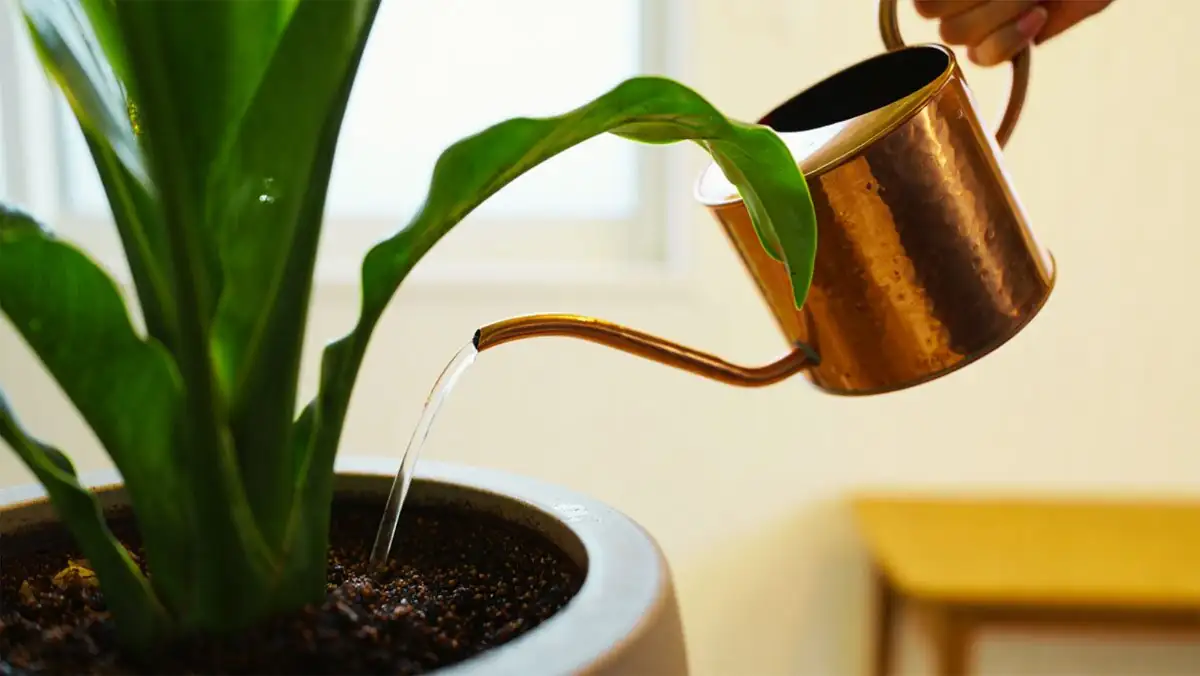
- Always water when the surface layer has dried. In winter, stretch intervals; in brighter, warmer rooms, they’ll shorten.
- Soak thoroughly, then drain fully. Empty saucers after 10 minutes.
- Yellowing leaves or a sour smell? That’s a nudge you’re watering too often or the mix stays wet—improve drainage and lengthen the interval.
H2: Quick care boosters (that don’t overcomplicate things)
- Pruning: Snip damaged or yellowing leaves at the base for a tidy clump.
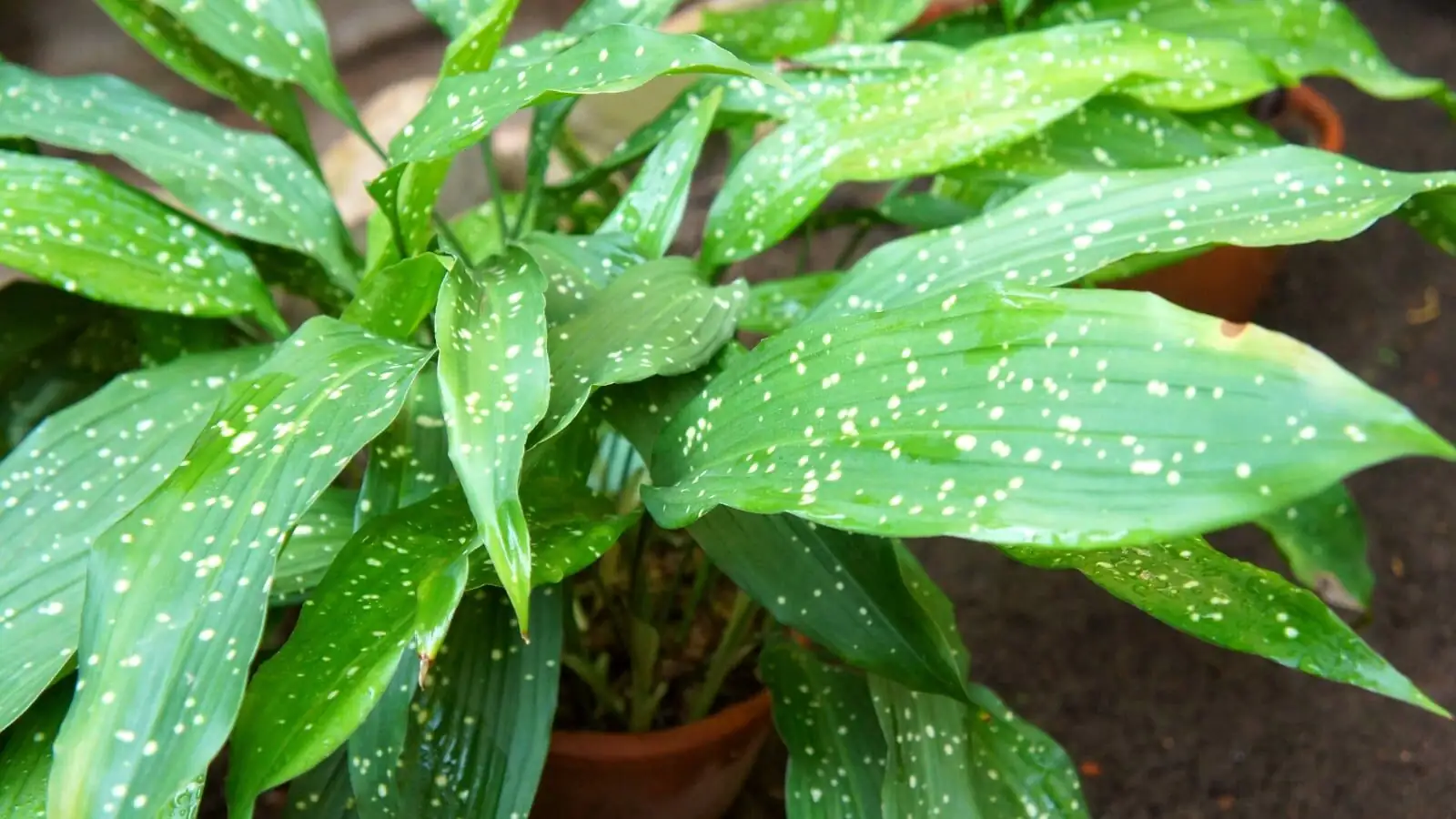
- Light finesse: It’s shade-tolerant, but bright, indirect light keeps leaves handsomely deep green. Avoid strong direct sun.
- Pests: Generally trouble-free; still, check occasionally for scale, mealybugs, and spider mites. Treat early and adjust any overly dry, drafty placement.
- Safety: Commonly regarded as non-toxic to cats, dogs, and people.
H2: Blooms and meaning: small flowers, big reputation
- Blooms: Little bell-like, brownish-purple flowers hide at soil level, late winter to spring—easy to miss indoors, but a delightful secret if you spot them.
- Symbolism (flower language): The Cast-Iron Plant is widely associated with endurance and resilience. Its legend grew in Victorian and early 20th‑century interiors—think smoky, low-light “bar-room” corners—where it stayed fresh when fussier plants failed. That history underpins its modern meaning: steady beauty despite neglect.
H2: At-a-glance yearly cadence
- Feed: Half-strength, once monthly from spring through late summer (March–August).
- Water: When the surface dries; slower in winter, faster in brighter months.
- Repot: Every 2–3 years in spring; one pot size up only.
With this checklist, Aspidistra elatior becomes what it’s always been—calm, composed, and quietly lush, even in the shadows. Set the rhythm once, then enjoy the reliable green.