

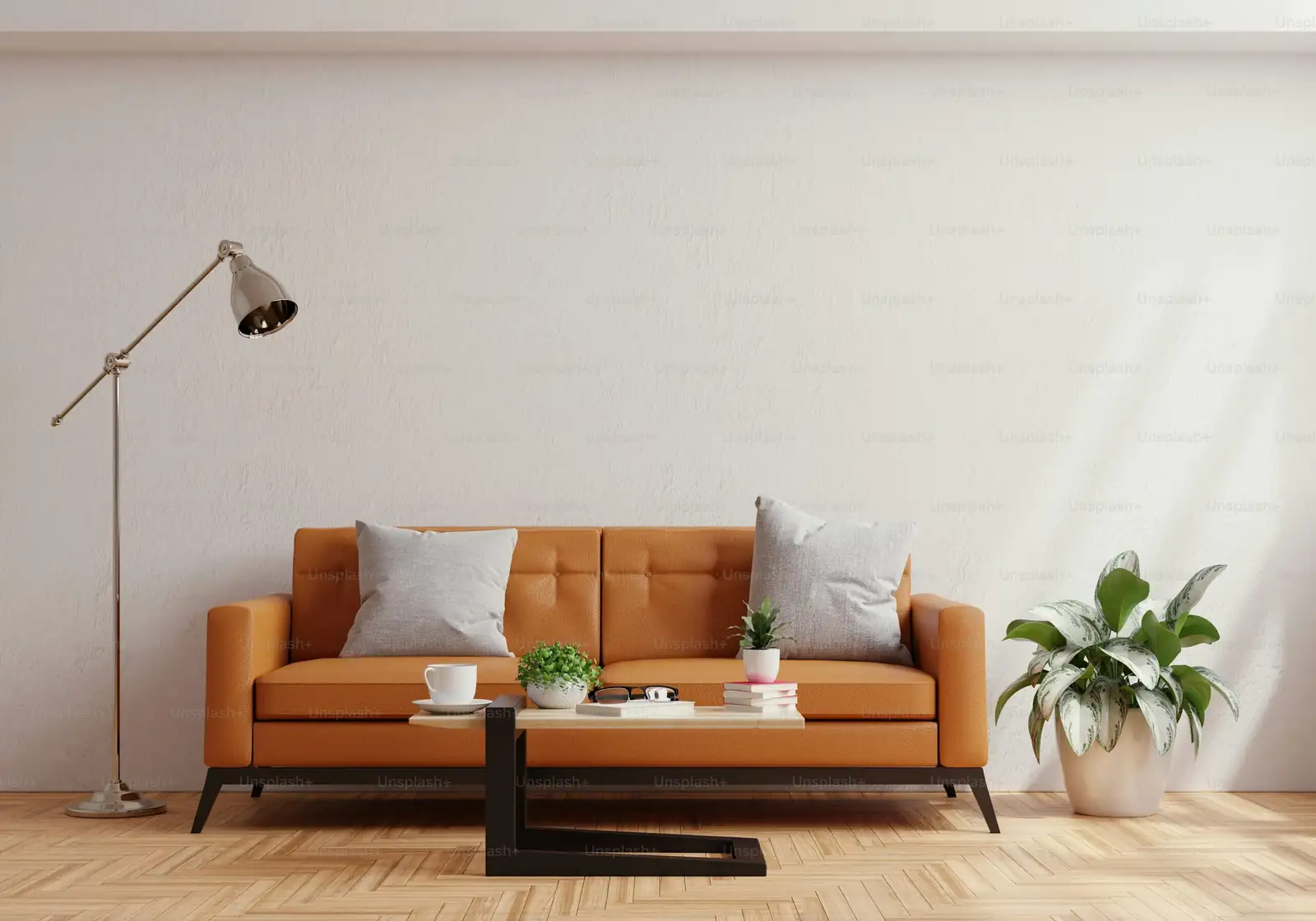
If ever a plant could whisper, “I’ve got you,” it would be Aspidistra elatior—the cast-iron plant. It keeps its composure in dim rooms, wears its deep-green leaves like a quiet uniform, and sends up shy, soil-hugging flowers others might never notice. No drama, no rush—just steady presence. That’s why its flower language is read as endurance and modest beauty: strength that doesn’t shout, grace that doesn’t glitter.
The flower language of Aspidistra elatior
Endurance: the cast-iron legacy
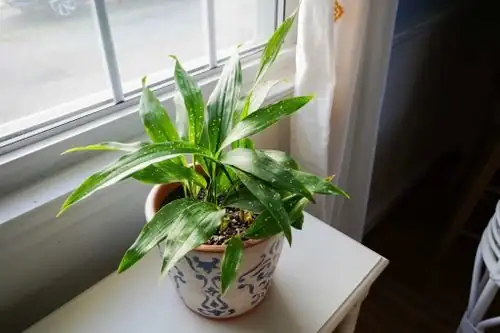
In Victorian and early 20th-century homes, Aspidistra gained fame precisely where other plants fainted—sooty parlors, smoky “bar-rooms,” and low-light corners. It coped with neglect, dimness, and erratic watering with a stoicism that earned it enduring affection and the nickname “bar-room plant.” From this history grew a symbolic meaning still relevant today:
- Reliability through difficult conditions
- Quiet resilience and long-term commitment
- A promise of support that doesn’t waver
Modest beauty: elegance at ground level
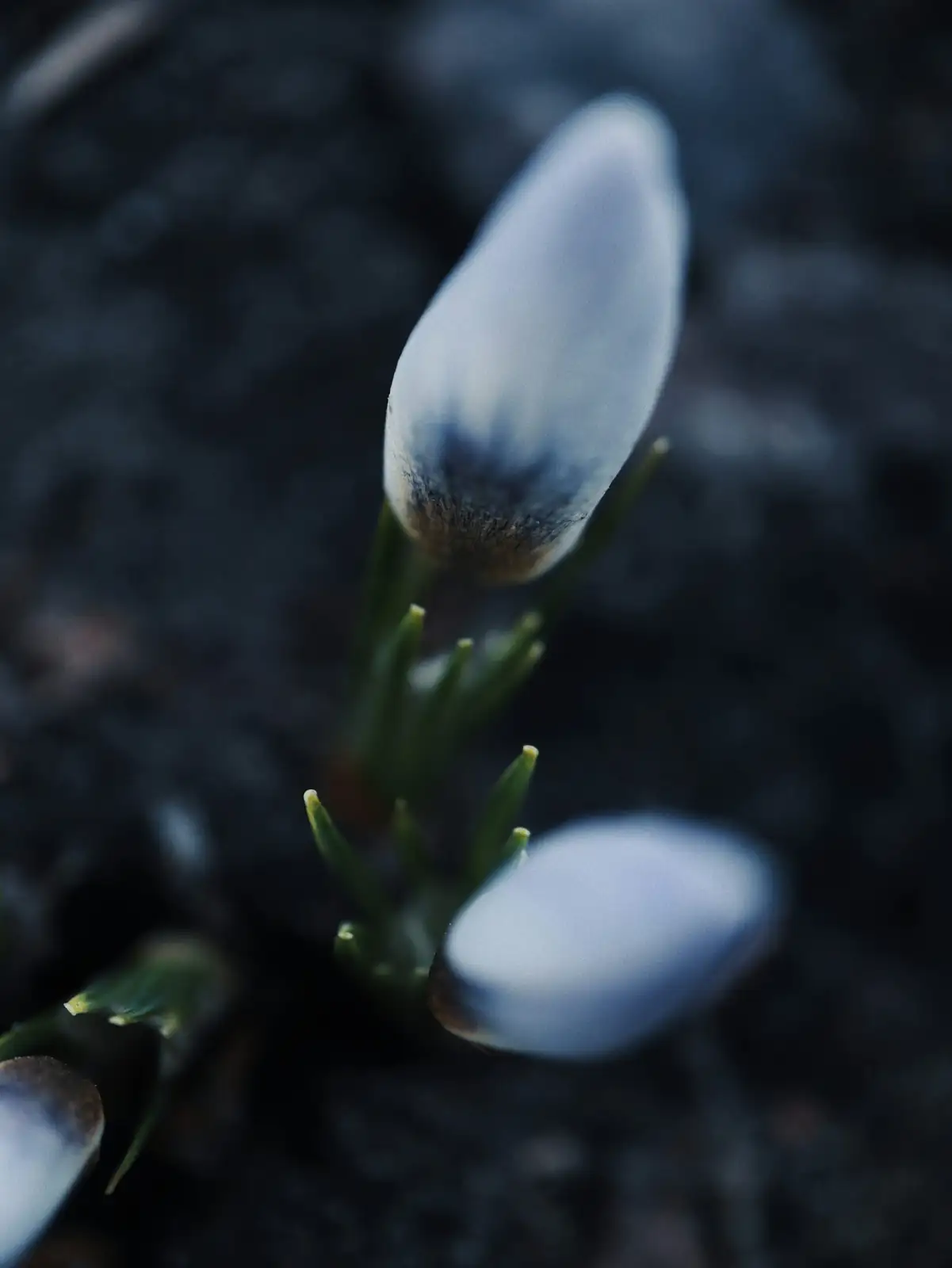
Aspidistra’s flowers appear right at the soil line—small, brownish-purple bells often hidden by the foliage and easily missed indoors. In the language of flowers, that subtlety translates to:
- Humility and unpretentious charm
- The beauty of work done out of sight
- Appreciation for the understated and enduring, rather than the flashy and fleeting
Roots in Japan: shade gardens, ikebana, and a sense of longevity
Native to Japan (especially the Ryukyu Islands) and Taiwan, Aspidistra is woven into a culture that prizes simplicity, longevity, and harmony with shadow. In traditional Japanese shade gardens, evergreen foliage is a sign of continuity through the seasons. Aspidistra’s thick, arching leaves embody that steady presence.
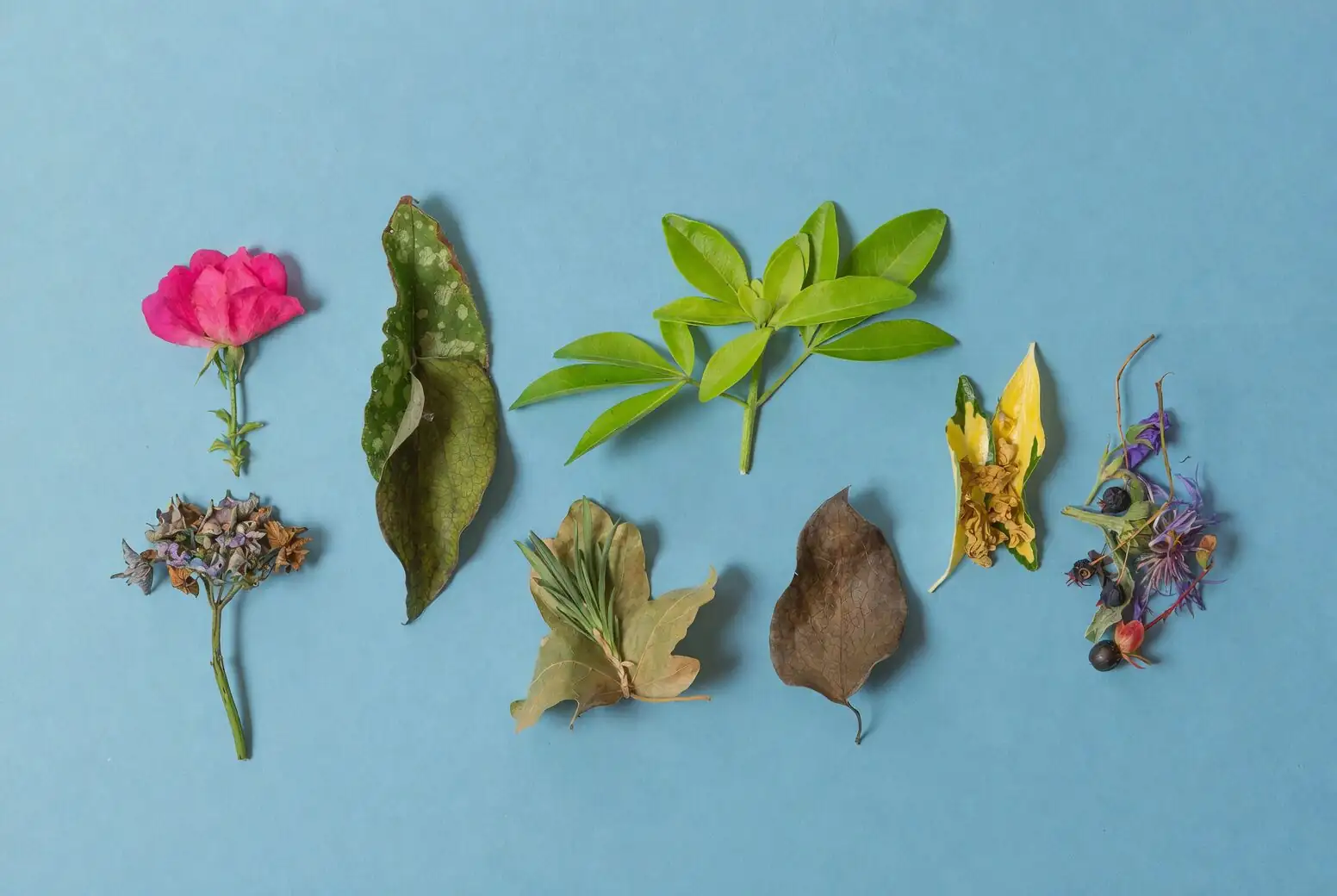
In ikebana, the art of Japanese flower arranging, Aspidistra foliage is a classic material: leaves are bent, folded, or cut to create bold lines and calm structure. While not every plant has a fixed hanakotoba (formal Japanese “language of flowers”) meaning, the way Aspidistra is used—evergreen, structural, restrained—guides how its message is felt:
- Longevity and steadiness (evergreen foliage)
- Simplicity and clarity (clean lines and negative space)
- Quiet guardianship (leaves that frame and protect)
This resonates with broader Japanese aesthetics: beauty in restraint, and strength that’s felt rather than flaunted.
Modern feng shui and gifting: a living wish for stability
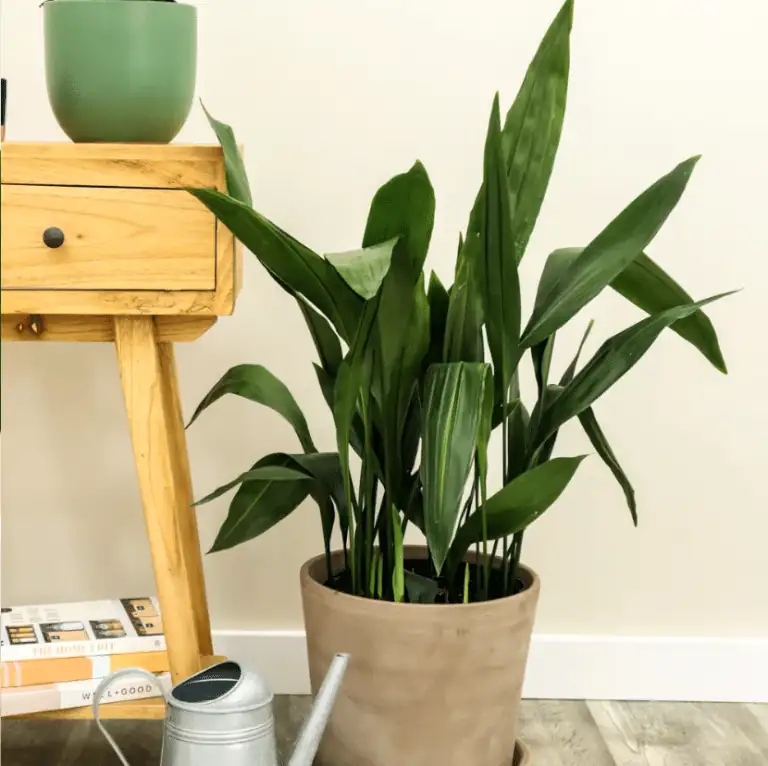
Feng shui enthusiasts value the cast-iron plant for its calm, grounded energy. Its slow, steady growth and upright leaves suggest durability and support—perfect for stabilizing the feel of a room.
Thoughtful placements often include:
- Workspaces or study areas for focus and consistency
- Shaded entryways or hall corners to “hold” energy where light is low
- Living rooms that benefit from a dependable, low-maintenance green anchor
As a gift, it carries heartfelt meaning:
- For new homes: “May your roots be strong and your days steady.”
- For new jobs or long projects: “Enduring focus and quiet progress.”
- For recovery or life’s tougher seasons: “I’m here—like this plant—reliably by your side.”
Short card messages to pair with it:
- “For steady days ahead.”
- “Your quiet strength inspires me.”
- “A little guardian of calm for your corner.”
Keeping the message alive: simple care that honors its symbolism
Aspidistra’s care routine reinforces what it symbolizes—consistency without fuss.
- Light: Partial shade to full shade is ideal. Bright, indirect light is fine, but avoid harsh direct sun.
- Water: Let the surface of the potting mix dry before watering; reduce in winter. Never leave it sitting in water—this plant dislikes soggy soil.
- Soil and pot: Use a loose, well-draining mix (a practical 1:1 blend of standard potting soil and a multi-purpose mix; add perlite to keep it airy). A 12.5–20 cm (5–8 in) pot suits most plants.
- Temperature and humidity: Prefers 5–20°C (41–68°F). It tolerates cooler spells but protect from hard frost. Adapts well to low to average indoor humidity—no misting needed.
- Feeding: From spring through late summer, feed monthly with a balanced liquid fertilizer at half strength.
- Repotting: Every 2–3 years, move up one pot size only—slow and steady is the motto.
- Pruning and propagation: Remove tired leaves at the base. Divide rhizome clumps during repotting to create new plants.
- Pests and pitfalls: Generally trouble-free; watch for scale, mealybugs, and spider mites in dry rooms. Root rot is the real risk—avoid waterlogging.
- Safety: Commonly regarded as non-toxic to cats, dogs, and people.
Why its looks underscore its meaning
- Foliage: Long, leathery leaves rise directly from rhizomes in trim clumps—tidy, composed, and architectural. Variegated cultivars add creamy streaks or speckles that read as “quiet sparkle,” never shouting for attention.
- Flowers: Small, ground-level, bell-shaped blooms in brownish-purple tones. If beauty is humility, these blossoms are masters—present, purposeful, and rarely on display.
Typical indoor size is about 60 × 60 cm (24 × 24 in): big enough to anchor a space, modest enough to fit in tight corners.
From smoky parlors to serene corners: a brief timeline of meaning
- 19th–early 20th century: Thrives in dim, smoky interiors—its persona as an emblem of grit and survival takes root.
- Mid-20th century: A stalwart of easy-care houseplant culture; valued for reliability over novelty.
- Today: Embraced in minimalist homes, shaded entryways, offices, and meditative corners. In ikebana studios and modern feng shui practice alike, it’s the plant of composure.
Quick buying guide (for meaning that lasts)
- Choose plants with firm, upright leaves and healthy-looking crowns (the base where leaves emerge).
- Avoid pots that feel waterlogged, smell sour, or show multiple yellowing leaves—these signal stress.
- If gifting, pair with a weighty, stable pot to echo the theme of grounded support.
FAQ: symbolism and practice
- Does the plant still “speak” if it rarely blooms indoors?
Yes—its message isn’t tied to showy flowers. The quiet, evergreen clump is the symbol: steadfastness, modesty, and enduring beauty.
- Is it considered “lucky”?
Many people treat it as a good-luck charm for stability—less about sudden fortune, more about sustained wellbeing and steady progress.
- What pairs well with it stylistically?
- In arrangements: Place it with seasonal stems or a single sculptural bloom; use its leaves to create clean lines and calm negative space.
- In interiors: Combine with soft moss, dark pots, or matte ceramics to highlight its grounded character.
- Do variegated forms change the meaning?
The core message—endurance and modest beauty—remains. Variegation adds a note of “quiet joy” to the same steady melody.
In the end, Aspidistra elatior doesn’t promise fireworks. It offers something rarer: a living testament that steady care and quiet strength outlast the storm. In shadow or spotlight, it endures—and teaches us the grace of doing the same.