

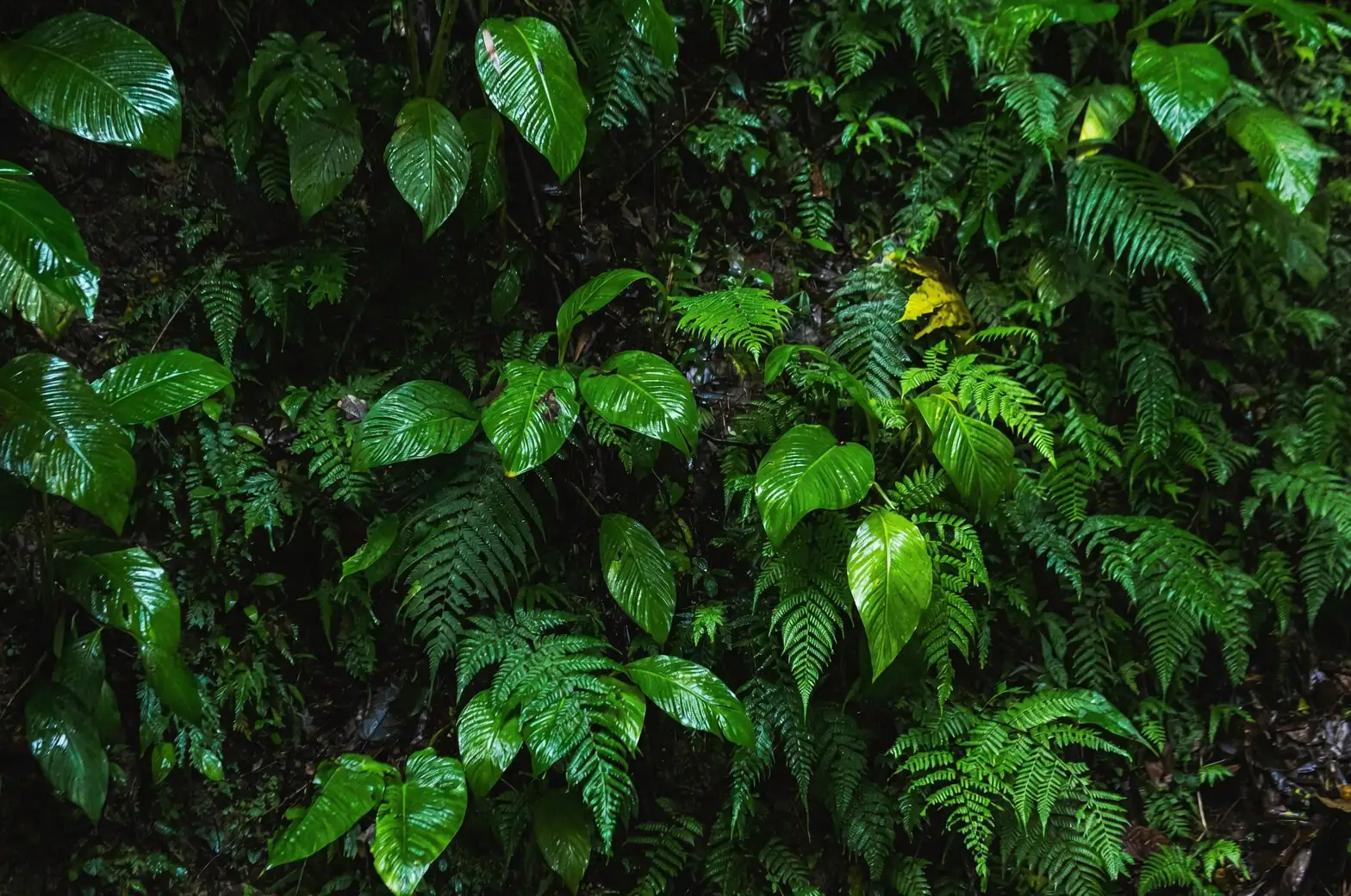
Step into a forest on Japan’s southern islands or in Taiwan after rain. Light is a hush, filtered through evergreen canopies. At your feet, a quiet survivor gathers itself: long, leathery leaves rising from slow-creeping rhizomes. Now jump a century and half a world away—London, late 1800s. Coal smoke drifts through gaslit windows, pianos tinkle, bar mirrors gleam—and there, still poised and unruffled, stands the very same plant. This is Aspidistra elatior, the cast-iron plant, a green thread stitched from dim understories to smoky interiors, earning the moniker “bar-room plant” and a permanent place in houseplant history.
From understory shadows to indoor stardom
- Native range: Japan (especially the Ryukyu Islands) and Taiwan.
- Natural niche: The forest floor—cool, shaded, and dappled, where patience is a survival strategy.
- Growth style: A clump-forming evergreen perennial, it expands slowly by rhizomes, sending up elegant, leathery leaves that arch like well-tailored lapels.
- Hidden party trick: It blooms right at soil level—small, bell-shaped flowers in brownish-purple tones that are easy to miss, especially indoors. In nature, tiny creatures in the leaf litter (including fungus gnats) can help with pollination.
This is a plant built for low light, erratic sunbeams, and quiet endurance—a profile that made it unexpectedly perfect for the era of coal, smoke, and city grime.
How it became the “bar-room plant”
In the Victorian and early 20th-century heyday, city interiors were not kind to greenery. Parlors and pubs were dim; air was smoky; watering schedules were hopeful at best. Aspidistra elatior didn’t flinch. It held its shape, kept its glossy composure, and survived where fussier plants fainted. Landlords loved it. Bank lobbies loved it. Bar owners loved it. The nickname “bar-room plant” stuck because it could do the impossible: stay handsome in poor light, low humidity, and inconsistent care.

Its other nickname—cast-iron plant—fit the times: the Industrial Revolution’s indomitable metal lent its reputation to a leaf that simply refused to wilt. Before long, Aspidistra was everywhere, a living symbol of perseverance, even turning up as cultural shorthand for resilient domesticity. From there, its fame spread worldwide, and it never really left.
What makes it so good indoors?
- Shade champion: Thrives in partial to full shade and bright, indirect light—just keep it out of harsh sun.
- Drought diplomacy: Prefers its potting mix to dry at the surface between waterings; it dislikes soggy soil.
- Calm about climate: Comfortable at 5–20°C (41–68°F) and unfazed by average indoor humidity.
- Right-sized presence: Typically grows to about 60 × 60 cm (24 × 24 in) indoors—neither diminutive nor domineering.
- Design-ready foliage: Classic deep green; cultivated forms can sport creamy stripes or speckles for extra sparkle.
- Family friendly: Commonly regarded as non-toxic to cats, dogs, and people.
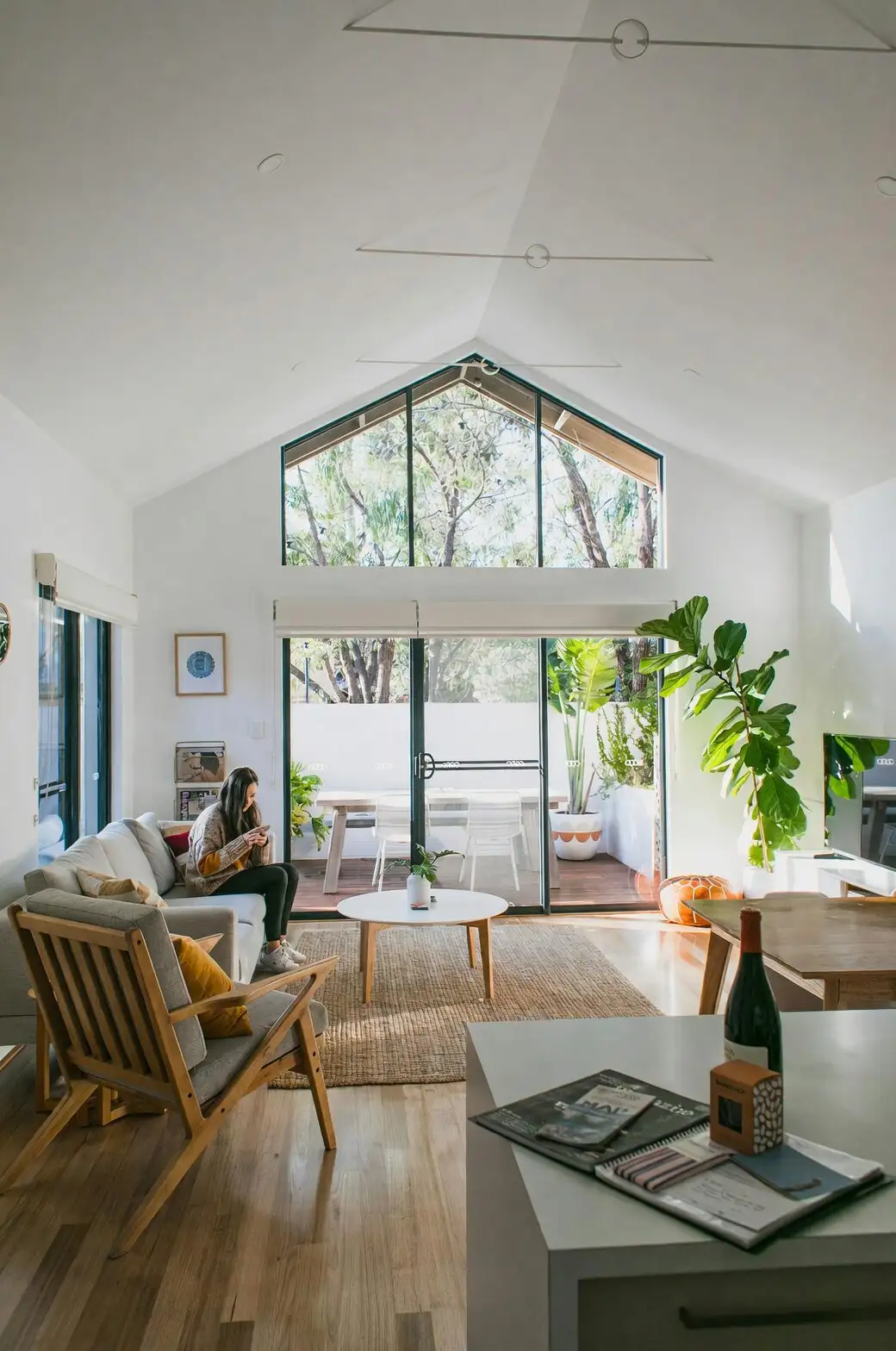
Outdoors, it’s generally hardy in USDA Zones 8–11 (protect it from hard freezes). Indoors, think shaded corners, hallways, or any spot where other plants sulk.
A quick care guide (stirred, not shaken)
- Light
- Best: Partial to full shade; bright, indirect light works.
- Avoid: Strong direct sun, which can scorch or bleach leaves.
- Water
- Water when the surface of the mix is dry.
- Reduce in winter.
- Never let the pot sit in water; this plant detests waterlogging.
- Soil and pot
- Use a loose, well-draining mix (for example, a 1:1 blend of standard potting soil and multi-purpose mix; add perlite if heavy).
- A 12.5–20 cm (5–8 in) pot suits most plants.
- Feeding
- Spring through late summer: balanced liquid fertilizer monthly at half strength.
- Pruning
- Minimal—just remove yellow or damaged leaves cleanly at the base.
- Repotting
- Every 2–3 years; go up one pot size only.
- Propagation
- Divide rhizome clumps during repotting; each division should include roots and a few leaves.
Pests, pitfalls, and peaceful resolutions
- Generally untroubled, but dry indoor air can invite scale, mealybugs, or spider mites.
- The real enemy is soggy soil—root rot follows. Ensure excellent drainage and allow the surface to dry between waterings.
The nearly secret flowers
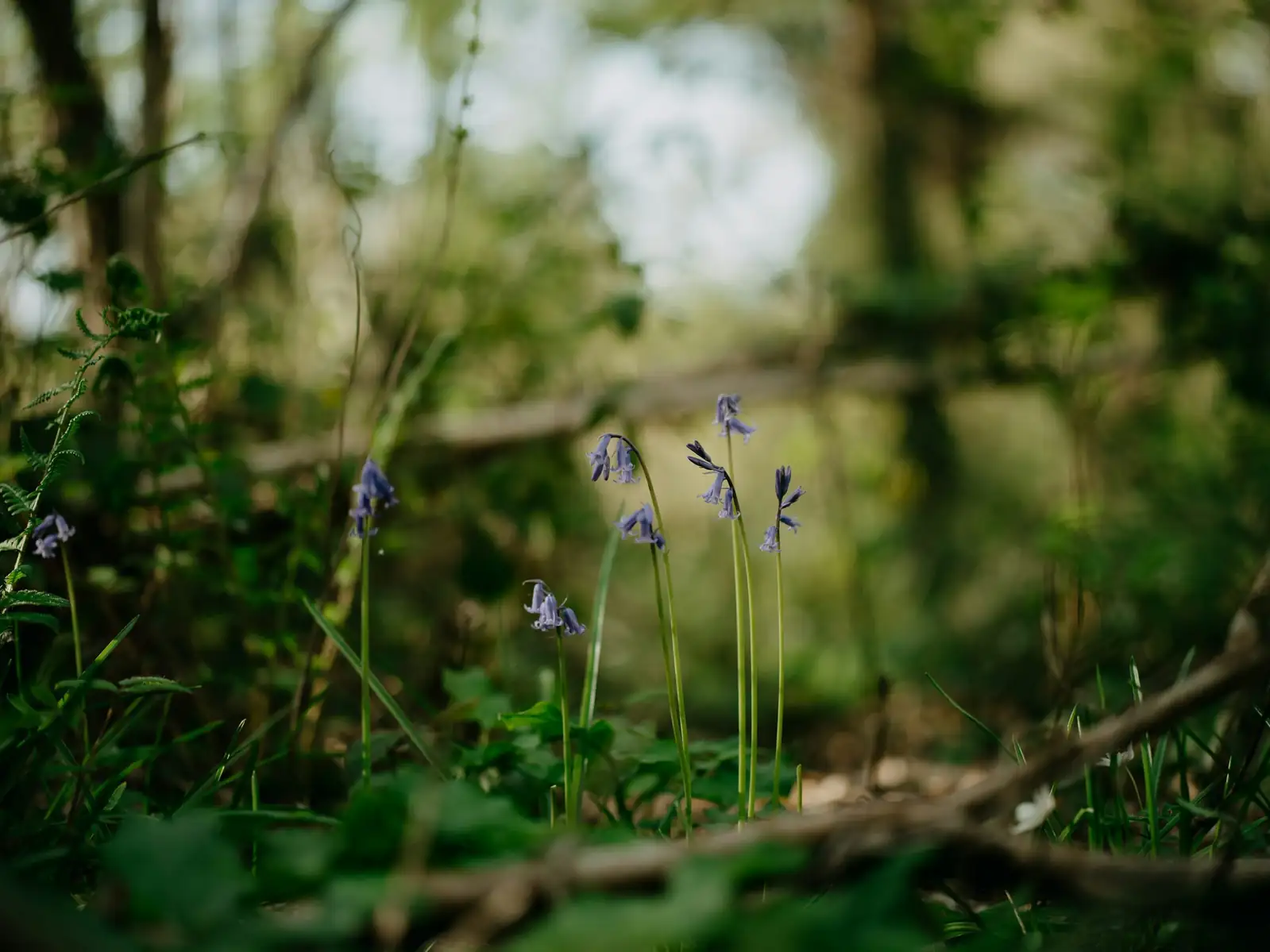
- What to look for: Small, brownish-purple, bell-shaped blooms at soil level.
- When: Late winter to spring (sporadic indoors).
- Why so humble? In its understory homeland, ground-hugging flowers make evolutionary sense. Indoors, they’re a soft-spoken bonus that many owners never see.
Variegated glamour, quiet soul
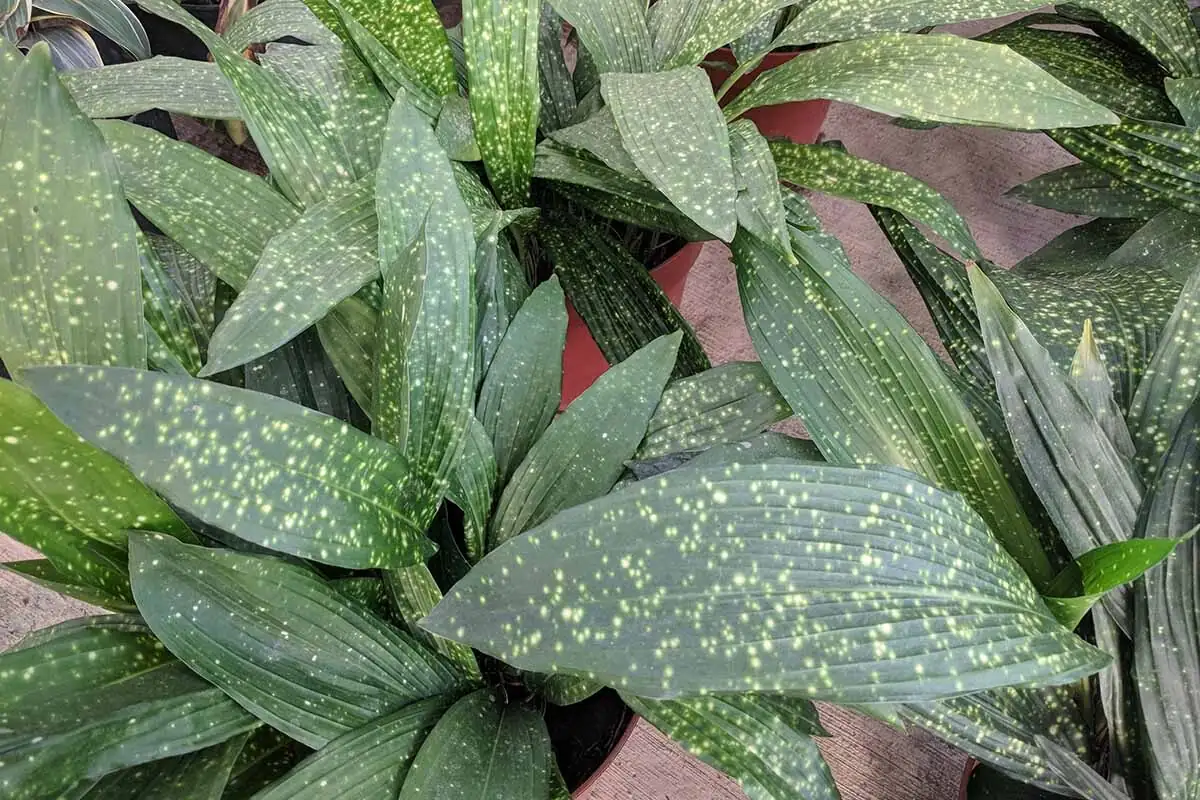
While the classic form is deep green and refined, variegated selections—striped or speckled—have won modern hearts and brighten low-light rooms without shouting. Think of them as the same unflappable character wearing an elegant pinstripe.
Buying like a pro
- Choose plants with firm, upright leaves and a tidy crown (the base where leaves emerge).
- Skip pots that smell sour, feel constantly wet, or show lots of yellowing—signs of overwatering or early root stress.
A simple seasonal calendar
- Spring to late summer: Feed monthly at half strength; keep watering steady but never soggy.
- Winter: Water less often.
- Every 2–3 years: Repot, one size up.
Symbolism and “flower language” (花语) in context
Aspidistra’s modern symbolism circles around endurance and resilience—earned honestly by surviving dim rooms and long spells of neglect with grace. While it doesn’t have a deep-rooted traditional floriography in the way roses or chrysanthemums do, contemporary plant culture reads its history as metaphor: steadfastness through imperfect conditions, quiet dignity in the background, strength over show.
Why the bar-room legend still matters
The “bar-room plant” story isn’t just quaint lore—it’s a practical promise. If your home has low light, sporadic attention, or dry air, Aspidistra elatior is made for you. It once shrugged off coal smoke and tavern drafts; it will happily handle your hallway, office corner, or shaded living room.
And that’s the charm: a plant that asks for very little and gives back years of calm, evergreen composure—an icon born in the forest shade, tempered in smoky salons, and perfectly at home in the modern world.
Quick FAQ
- Is it good for beginners?
- Yes—few houseplants are as forgiving in low light.
- How much light does it need?
- Partial to full shade is ideal; bright, indirect light is fine. Avoid strong direct sun.
- How should I water it?
- When the surface of the mix feels dry; less in winter. Never let it sit in water.
- When should I fertilize?
- Monthly from spring through late summer at half strength.
- When should I repot, and to what size?
- Every 2–3 years, increasing the pot by one size; 12.5–20 cm (5–8 in) is typical.
From the hush of the understory to the hum of the barroom, Aspidistra elatior has played the long game—and won. If you love plants with a story and a spine of steel, make room for this evergreen classic.