

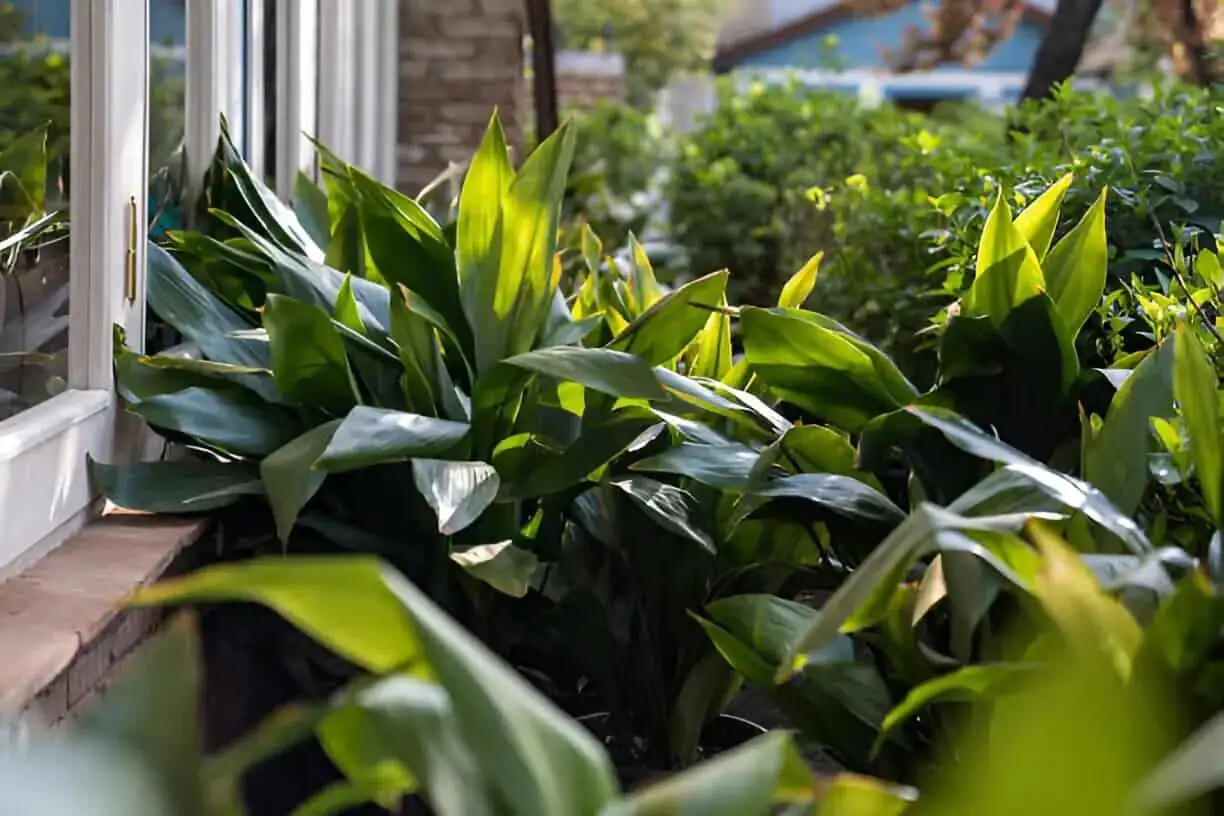
If any plant has earned the right to be called unflappable, it’s Aspidistra elatior—the cast-iron plant. It keeps its cool in dim hallways, shrugs off skipped waterings, and puts up with average home humidity like a champ. Still, even the toughest houseguest can hit a rough patch. Use this practical troubleshooting roadmap to spot early warning signs, read your plant’s leaves like a pro, apply safe-at-home fixes, and build prevention habits that stop pests and root rot before they start.
Know your plant at a glance
- Identity: Aspidistra elatior (cast-iron plant, “bar-room plant”), family Asparagaceae
- Origin: Japan (especially the Ryukyu Islands) and Taiwan
- Habit & size: Clump-forming evergreen from slowly spreading rhizomes; typically about 60 × 60 cm (24 × 24 in) indoors
- Foliage: Long, leathery, arching leaves; deep green or with creamy stripes/speckles in some cultivars
- Light: Partial to full shade; bright, indirect light is fine—avoid harsh direct sun
- Temperature: Prefers cool–moderate conditions, 5–20°C (41–68°F); protect from hard frost
- Humidity: Low to average is fine—no special misting needed
- Soil: Loose, well-draining potting mix; a practical option is a 1:1 blend of standard potting soil and a multi‑purpose mix, kept airy (add perlite if needed)
- Pot: 12.5–20 cm (5–8 in) with drainage
- Pet-friendly: Commonly regarded as non-toxic to cats, dogs, and people
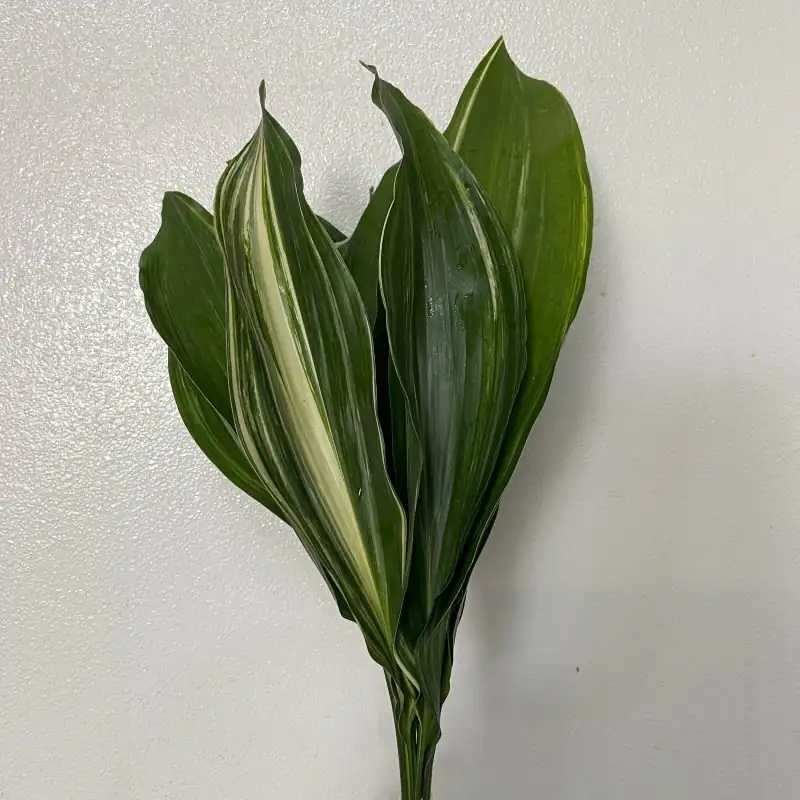
The early-warning dashboard
Catch these clues early and problems stay small:
- Sour, swampy smell from the pot; mix stays wet for days: early root rot alert
- Repeated yellowing leaves starting near the base: overwatering or poor drainage (a lone yellow leaf now and then is normal aging)
- Brown tips/edges on several leaves: hot sun or fertilizer build-up; underwatering can also crisp edges
- Bleached, papery patches with sharp borders: sun scorch
- Fine silver stippling and dusty look; faint webbing at leaf bases: spider mites
- Sticky leaves or sooty mold; brown “shells” on stems/veins: scale insects
- Cottony tufts in leaf axils or along ribs: mealybugs
- Tiny flies hovering when you water: fungus gnats (often a sign the soil’s too wet)
Leaf-level diagnostics (what the leaf is telling you)
1) Yellowing—where and how matters
- One-off, older leaf turns yellow at the base: natural turnover
- Several leaves yellowing at once, soil often moist: overwatering or compacted mix
- Yellow in streaks on variegated cultivars: normal variegation, not a problem
Quick check: Press the top 2–3 cm (about an inch) of soil. If it’s still damp, wait before watering.
Immediate fix:
- Let the top of the mix dry between waterings.
- Ensure the pot drains freely and never sits in a saucer of water.
- If the mix stays wet or smells sour, jump to the Root Rot Rescue below.
2) Brown tips or margins
Likely causes: hot, direct sun; fertilizer or salts build-up; underwatering/dry-out events; hot drafts.
- If you’ve been feeding often, pause and rinse the mix thoroughly once to flush salts.
- Move out of any direct sunbeam; bright, indirect light is fine.
- Water deeply only when the surface has dried.
Tip: Trim crispy edges with clean scissors, following the leaf’s natural shape.
3) Pale, slow growth
- Often low light or an exhausted, compacted mix.
- Dust can also dim photosynthesis on shade plants.
Fix:
- Give brighter, indirect light (still no harsh sun).
- Wipe leaves with a soft, damp cloth every few months.
4) Bleached blotches or stripes
- Sun scorch. The cast-iron plant is a shade-lover.
Fix:
- Relocate to partial shade or bright, indirect light.
- Scorched areas won’t green up; remove badly damaged leaves at the base.
5) Silver stippling, faint webbing
- Spider mites. Look closely along leaf undersides and at the base.
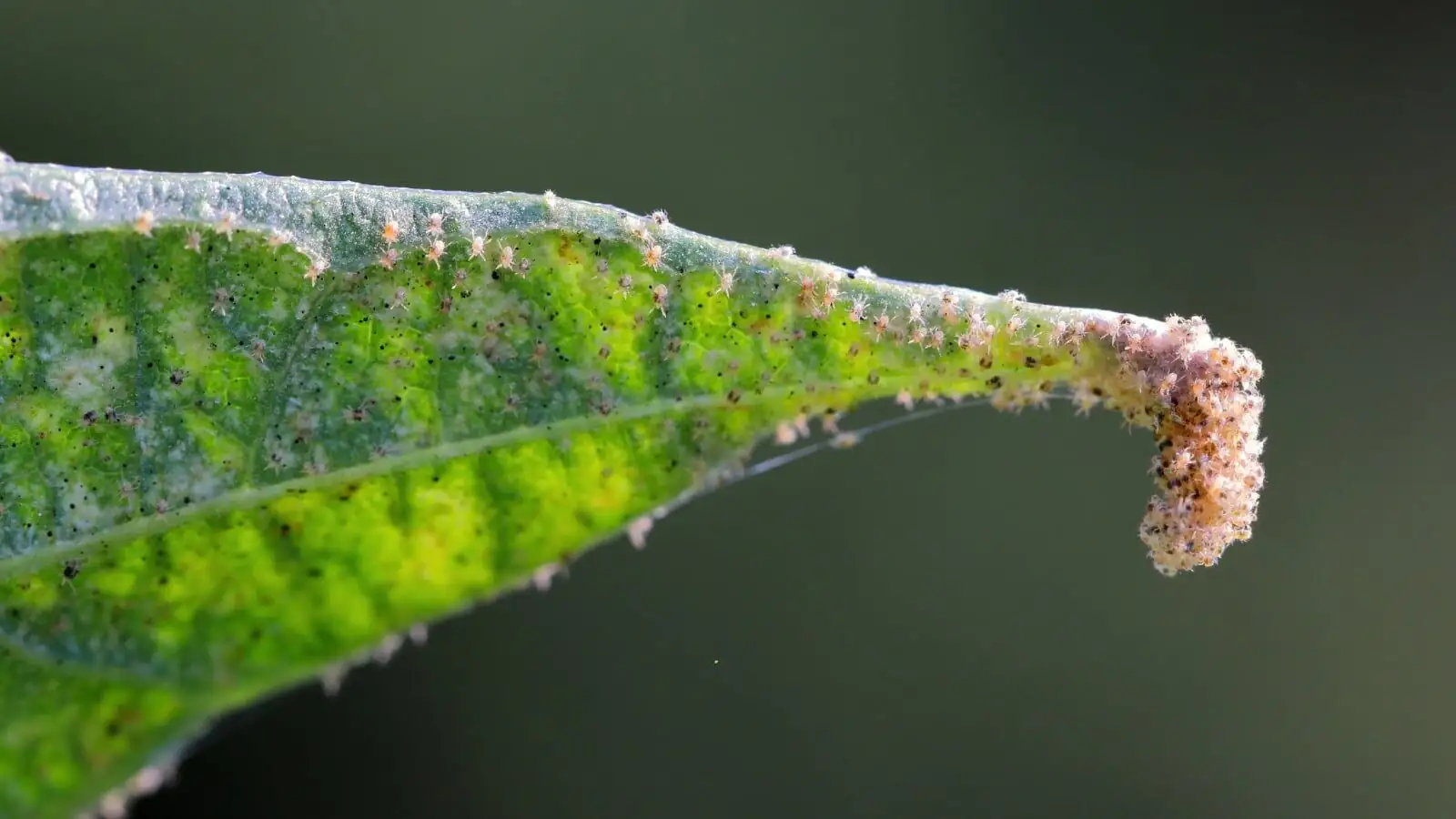
Quick test: Hold white paper under a leaf and tap—moving specks that smear reddish/brown are mites.
6) Sticky leaves, black sooty film, or brown bumps
- Scale or mealybugs. Scale look like hard brown/olive “limpets” along veins; mealybugs look like tiny cotton.
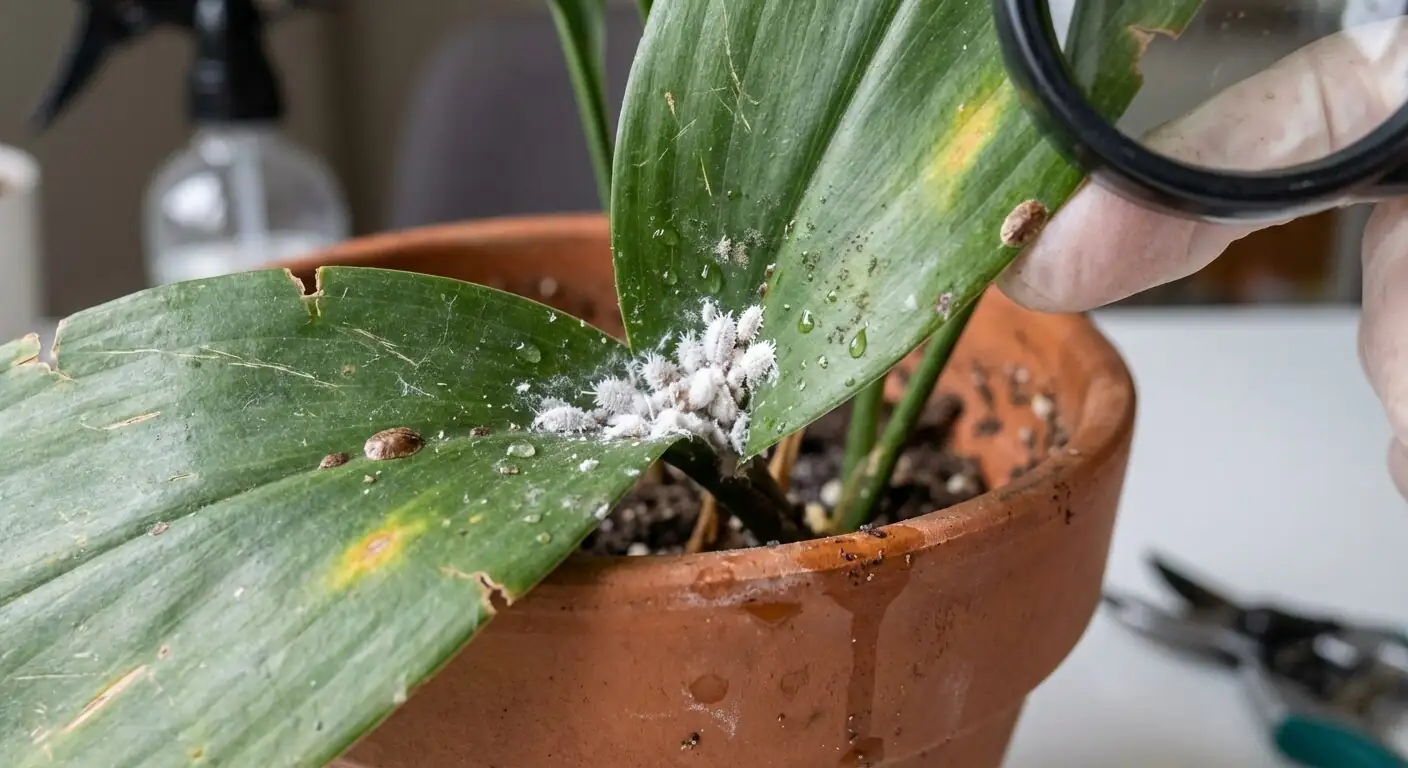
Fix summary for both:
- Isolate the plant, wipe leaves, and use an insecticidal soap or neem oil regimen (see Pest Playbook).
7) Tiny flies when watering
- Fungus gnats. Annoying adults mean larvae may be feeding on decaying organic matter in overly wet soil.
Fix:
- Let the top 3–5 cm of mix dry between waterings; use sticky cards and address moisture management.
Root Rot Rescue (step-by-step)
Early signs: wilting despite wet soil, multiple yellowing leaves, sour smell, mushy or blackened roots/rhizome.
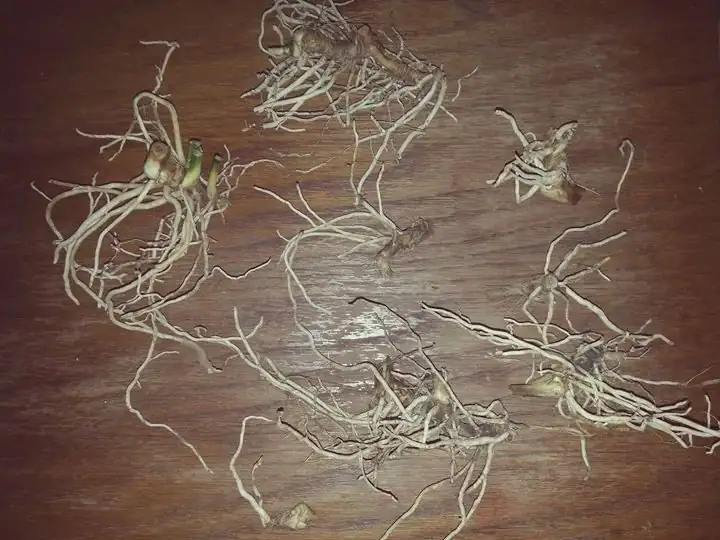
1) Unpot gently and inspect
- Healthy roots are firm and tan to whitish; rhizomes (the thick, horizontal stems) should be solid.
2) Prune rot
- Sterilize shears. Trim away all mushy, dark roots and any soft, discolored rhizome sections.
3) Rinse and dry
- Rinse roots to remove old, clinging mix. Let the plant air-dry 30–60 minutes so cut surfaces can callus slightly.
4) Refresh the setup
- Choose a clean pot with drainage—only one size up if needed (5–8 in is typically sufficient).
- Replant in a loose, well-draining mix (1:1 potting soil and multi-purpose mix; add perlite to keep it airy).
5) Water lightly once
- Moisten the new mix evenly, then let the surface dry before the next drink. Never leave the pot standing in water.
6) Gentle conditions
- Place in bright, indirect light out of direct sun. Avoid heavy feeding until you see new growth.
7) Future-proof
- Adopt a “surface-dry first” watering habit; empty saucers promptly; avoid oversized pots that stay wet too long.
Pest Playbook: identify fast, treat safely, and repeat on schedule
Aspidistra is generally trouble-free, but in dry indoor air, three culprits show up most: spider mites, scale, and mealybugs. Fungus gnats often ride along with chronically wet soil.
Spider mites (stippling + faint webbing)
- Identify: Fine silver speckling, dusty look, delicate webbing; mites smear reddish/brown on white paper.
- Safe-at-home treatment:
- Rinse: Take the plant to the shower/sink and spray leaf surfaces (especially undersides).
- Soap spray: Apply insecticidal soap thoroughly to both sides of leaves.
- Neem follow-up: After 2–3 days, apply a light neem oil spray.
- Repeat: Reapply weekly for 3–4 weeks to catch new hatchlings.
- Support: Improve airflow and keep the plant out of hot, sun-baked spots.
Scale insects (sticky leaves, hard brown bumps)
- Identify: Dome-like, unmoving bumps on midribs/leaf undersides; honeydew and sooty mold may follow.
- Safe-at-home treatment:
- Manual removal: Dab each scale with a cotton swab dipped in 70% isopropyl alcohol, then wipe off.
- Soap/neem: Spray after manual removal to reach crawlers (the mobile young).
- Repeat: Inspect and retreat weekly for 4–6 weeks.
Mealybugs (cottony tufts)
- Identify: White, cottony clusters in leaf axils and along veins; honeydew present.
- Safe-at-home treatment:
- Alcohol swabs: Spot-treat clusters with 70% isopropyl.
- Soap/neem: Thorough, repeated coverage 1× per week for 3–4 weeks.
Fungus gnats (tiny flies = moisture alarm)
- Identify: Small, mosquito-like adults hovering near soil; larvae thrive in wet, organic mixes.
- Safe-at-home treatment:
- Dry-down: Let the top 3–5 cm dry between waterings.
- Sticky cards: Trap adults to reduce breeding.
- Cultural fix: Repot if mix is compacted or sour; ensure drainage and avoid waterlogging.
Pro tip: Always isolate infested plants. Clean the nearby shelf, pot rims, and tools. Re-check all plants weekly until you’ve had a full month with no signs.
DIY, safe-at-home recipes and tools
- Insecticidal soap spray: Use a ready-made product or mix 1 tsp (5 ml) pure liquid soap (no additives) per 1 liter of water. Test on a leaf first.
- Light neem spray: 5 ml neem oil + 2 ml mild soap as an emulsifier per 1 liter warm water; shake constantly; avoid use in direct sun.
- Alcohol swabs: 70% isopropyl on a cotton swab for spot-treating scale/mealybugs.
- Yellow sticky cards: Catch adult fungus gnats and flying pests.
- Soft cloth + water: Dust leaves every few months to boost photosynthesis.
Prevention habits that stick
- Watering rhythm: Water only when the surface of the mix has dried; reduce in winter. Never let the pot sit in water.
- Drainage-first setup: Free-draining mix; a snug pot with drainage; empty saucers within 10 minutes of watering.
- Right light: Partial to full shade or bright, indirect light; protect from harsh direct sun.
- Air and cleanliness: Gentle airflow; wipe leaves quarterly. Skip leaf-shine products.
- Feeding, not force-feeding: From spring through late summer, feed monthly with a balanced liquid fertilizer at half strength. No heavy feeding in winter.
- Quarantine newcomers: Keep new plants separate for 2–3 weeks; inspect weekly.
- Repot on schedule: Every 2–3 years, only one pot size up (12.5–20 cm is the sweet spot).
- No extra misting required: Aspidistra tolerates low to average humidity just fine, and extra misting won’t deter pests.
Buying and potting right (your first line of defense)
- Choose wisely: Look for firm, upright leaves and a healthy crown (the base where leaves emerge). Avoid pots that feel soggy, smell sour, or show multiple yellowing leaves.
- Potting mix: A simple, loose blend—1:1 potting soil and multi-purpose mix—kept airy with perlite.
- Pot size: Resist the “big pot” temptation; a 5–8 in container helps prevent waterlogging and root rot.
Quick care calendar
- Spring to late summer: Feed monthly at half strength; maintain bright, indirect light out of direct sun.
- Autumn to winter: Water less, keeping the surface dry between drinks.
- Every 2–3 years: Repot, one size up only.
A note on symbolism and history
The cast-iron plant has long symbolized endurance and resilience—fitting for a foliage classic that keeps its poise in low light and forgives the occasional lapse in care. It rose to fame in Victorian and early 20th‑century interiors, where it survived smoky, dim rooms—hence the affectionate nickname “bar-room plant.” Its understated charm extends to its flowers, too: small, brownish‑purple bells that appear right at soil level, easily overlooked but quietly steadfast—just like the plant’s reputation.
—
With these early-warning cues, simple leaf-level checks, and safe treatments, you can keep Aspidistra elatior looking immaculate in the very corners most plants avoid. A little prevention goes a long way—and this ironclad companion will reward you with years of calm, evergreen grace.