

If you’ve ever wished for a plant that thrives where others throw in the towel, meet the cast-iron plant. Aspidistra elatior is the steady friend of dim hallways, north windows, and forgetful waterers—tough, elegant, and gloriously low-drama. Here’s your friendly, step-by-step playbook to keep its leaves glossy and its roots happy all year long.
Meet Aspidistra elatior (Cast-Iron Plant)
- Family: Asparagaceae; Genus: Aspidistra
- Origin: Native to Japan (especially the Ryukyu Islands) and Taiwan; now a houseplant favorite worldwide
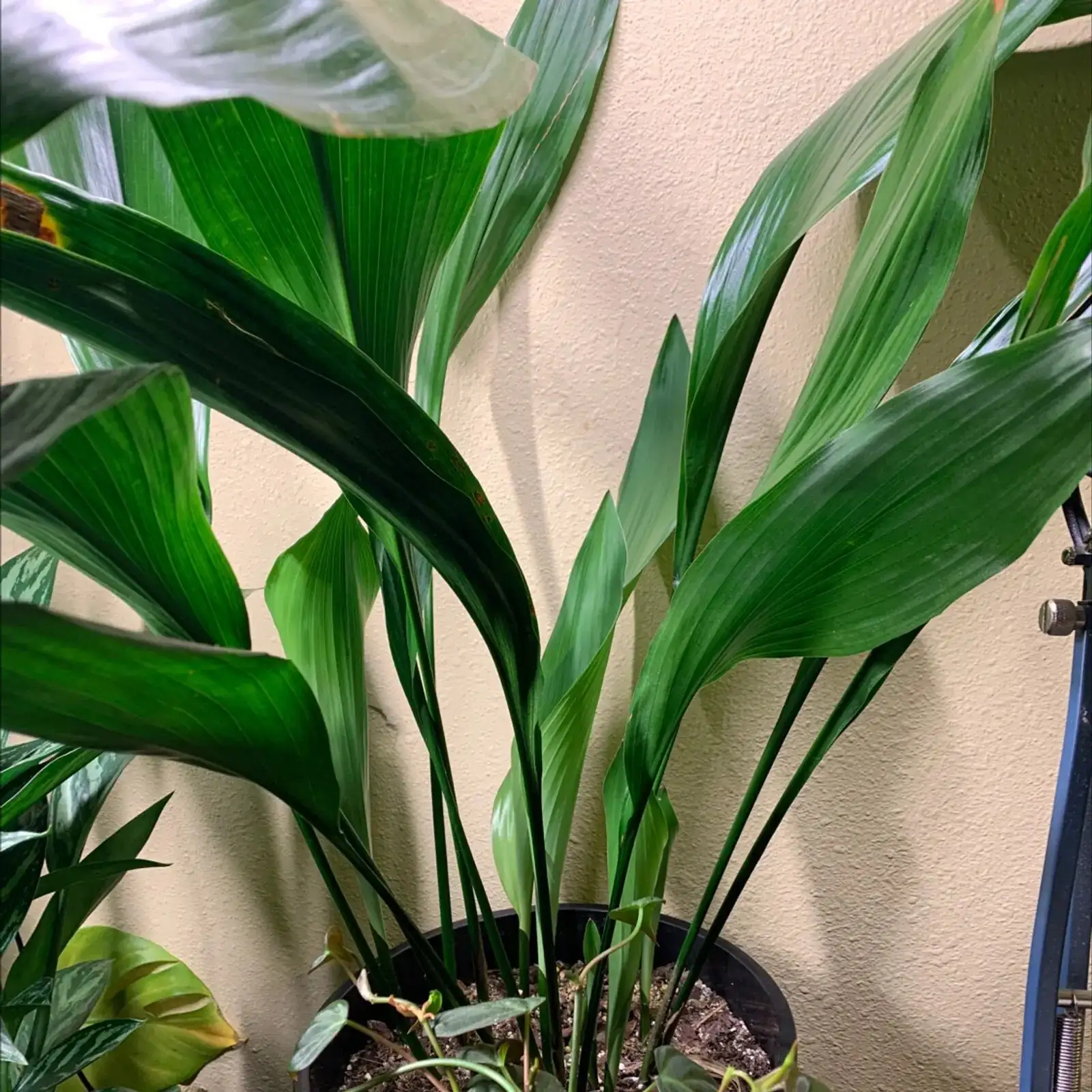
- Look: Long, leathery, arching leaves in deep green; some cultivars show creamy stripes or speckles
- Size indoors: About 60 × 60 cm (24 × 24 in)
- Flowers: Small brownish‑purple, bell‑shaped blooms right at soil level—easy to miss and sporadic indoors (late winter to spring)
- Vibe: Classic, quietly luxe, and famously forgiving—hence the nickname “bar-room plant” from its popularity in smoky, low-light Victorian interiors
The Step-by-Step Care Playbook
1) Light: Shade-lover that still enjoys a gentle glow
- Best spot: Partial shade to full shade; bright, indirect light is great.
- Avoid: Harsh direct sun, which can bleach or scorch leaves.
- Easy placements:
- A few feet back from an east or west window
- Near a north window
- Hallways or shaded corners with some ambient daylight
- Variegated cultivars: Give them a bit more bright, indirect light to keep markings crisp—still no direct sun.

2) Watering Cadence: Never soggy, never stressed
Aspidistra dislikes wet feet. Think “thorough drinks, then a proper dry-down.”
- The simple routine:
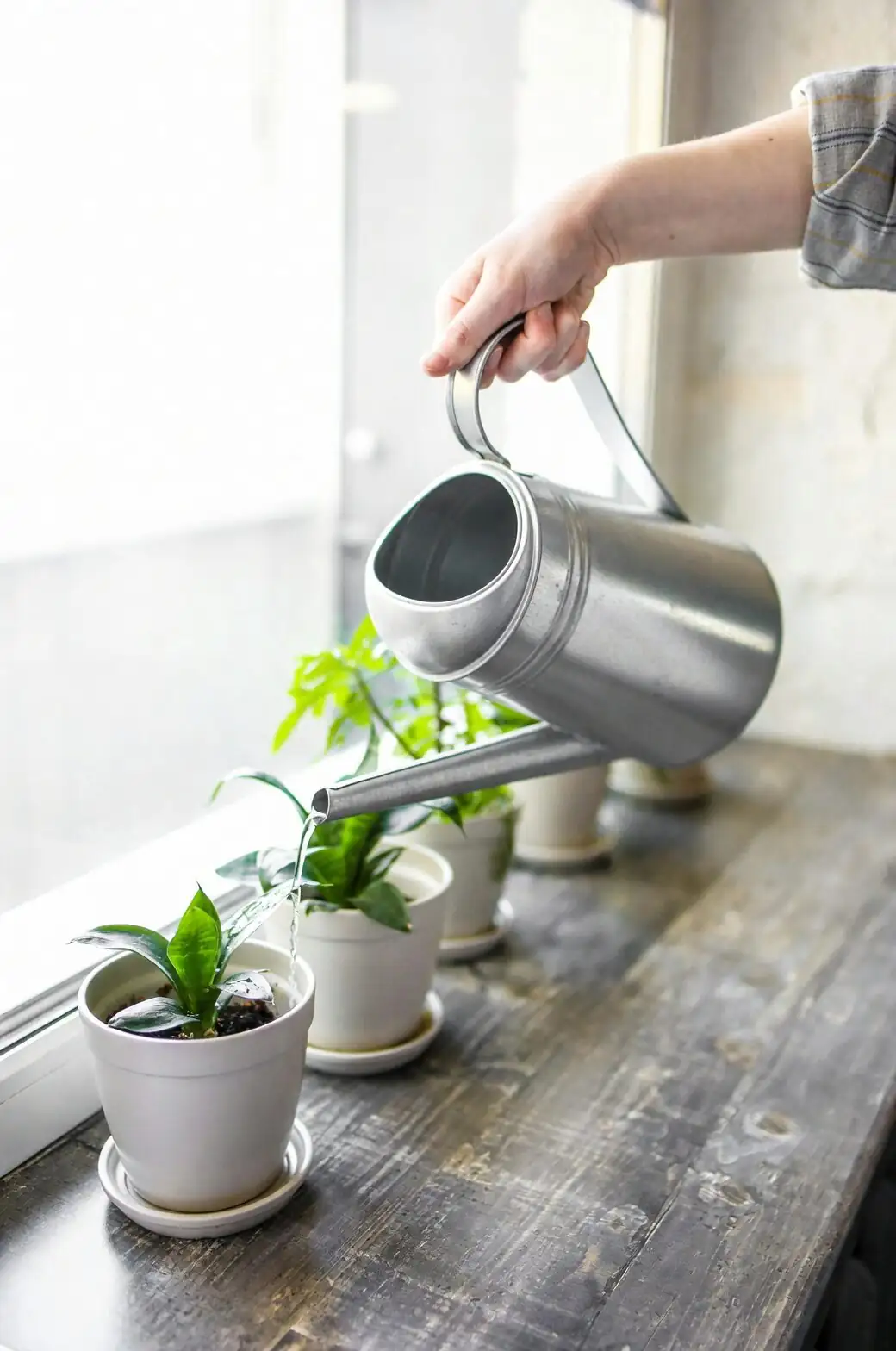
1) Check the surface: Water when the top 2–3 cm (about 1 in) of mix feels dry.
2) Water deeply: Saturate until excess drains from the holes.
3) Empty the saucer: Never let the pot sit in water.
- Seasonal rhythm:
- Spring–Summer: Typically every 1–2 weeks, depending on light, pot size, and temperature—always let the surface dry first.
- Winter: Slow down; water less frequently.
- Telltale signs:
- Overwatered: Yellowing leaves from the base, constantly damp soil, musty smell.
- Thirsty: Limp or slightly folding leaves that perk up after watering.
3) Potting Mix: Airy, well-draining, and root-rot resistant
- Go-to recipe: Mix equal parts standard potting soil and multi‑purpose mix; keep it light and add perlite if needed for extra drainage.
- Pot size: A 12.5–20 cm (5–8 in) container is usually perfect.
- Drainage is non-negotiable: Choose a pot with holes; consider terracotta if you tend to overwater, as it wicks moisture away.
4) Feeding: A modest polish for glossy foliage
- When: Monthly from spring through late summer
- What: A balanced liquid fertilizer at half strength
- Skip: Fall and winter—growth slows, and feeding is unnecessary
5) Temperature & Humidity: Cool-headed and unfussy
- Preferred range: 5–20°C (41–68°F). It handles cooler spells well but protect from hard frost.
- Humidity: Low to average is fine—no special misting required.
- Outdoors: Generally hardy in USDA Zones 8–11 (sheltered shade; protect from severe freezes).
6) Seasonal Slowdowns: Match care to the plant’s pace
- Spring:
- Resume monthly feeding at half strength
- Refresh the top layer of potting mix
- Repot if it’s been 2–3 years (only one pot size up)
- Summer:
- Maintain the water-then-dry cadence
- Keep out of strong direct sun
- Autumn:
- Begin tapering watering and pause fertilizer near late season
- Winter:
- Water less; ensure bright, indirect light if possible
- No fertilizer; keep away from cold drafts and frosty windows
Grooming for Year-Round Shine
- Dusting: Wipe leaves with a soft, damp cloth to keep them glossy and photosynthesizing efficiently.
- Pruning: Snip yellowing or damaged leaves at the base for a tidy clump.
- Rotate: Quarter‑turn the pot every few weeks for even growth.
Repotting and Propagation
- Repot: Every 2–3 years, moving up just one pot size. Aspidistra appreciates a snug, stable home.
- Propagation by division (best during repotting):
- Gently unpot and tease apart the clump into sections, ensuring each division has rhizome and roots.
- Pot divisions into the same airy mix; water lightly and keep in bright, indirect light until established.
Placement Ideas That Always Work
- Dim living room corners, entryways, hallways
- Offices with limited windows
- Bedrooms where you want calm, evergreen texture—just keep it out of strong direct sun
Troubleshooting: Quick Fixes
- Bleached or crispy patches: Too much direct sun—move back or diffuse light.
- Pale, slow growth: Probably too little light—shift to brighter, indirect light.
- Yellowing from the base + wet mix: Overwatering—let the soil dry more thoroughly between waterings and ensure drainage.
- Brown tips: Inconsistent watering or a prolonged dry spell—reset to a steady water‑then‑dry rhythm.
- Pests: Generally trouble-free, but watch for scale, mealybugs, or spider mites. Treat early with a gentle insecticidal soap and improve airflow.
- Root rot: If the potting mix stays wet and smells sour, unpot, trim black mushy roots, refresh into airy mix, and reduce watering.
Safety and Peace of Mind
- Toxicity: Commonly regarded as non‑toxic to cats, dogs, and people.
Flowers, Symbolism, and “Flower Language”
- The blooms: Small, brownish‑purple bells right at soil level—easy to overlook, especially indoors, and most common from late winter to spring.
- Symbolism: Endurance and resilience. This plant’s reputation comes from thriving in low light and forgiving missed waterings—the very definition of staying power.
- About “flower language” (花语): Unlike showier ornamentals with elaborate folklore, Aspidistra’s meaning is grounded in real‑world toughness rather than romanticized blooms. Its “language” is modern and practical: steadfastness, quiet strength, and grace under less‑than‑ideal conditions.
One-Minute Checklist
- Light: Partial to full shade; bright, indirect is ideal. No harsh sun.
- Water: When the top 2–3 cm (1 in) is dry; reduce in winter. Never let it sit in water.
- Mix: Loose, well‑draining; bolster with perlite. Pot 12.5–20 cm (5–8 in) with drainage.
- Feed: Monthly at half strength, spring through late summer.
- Temp & humidity: Prefers 5–20°C (41–68°F); average indoor humidity is fine.
- Repot: Every 2–3 years, one size up. Divide rhizomes if you want more plants.
- Grooming: Dust leaves; prune at the base.
Treat your Aspidistra like a classic overachiever in sensible shoes: give it shade, let it dry a bit between drinks, keep its mix airy, and ease off in winter. Do that, and it will quietly reward you with glossy, evergreen elegance for years.