

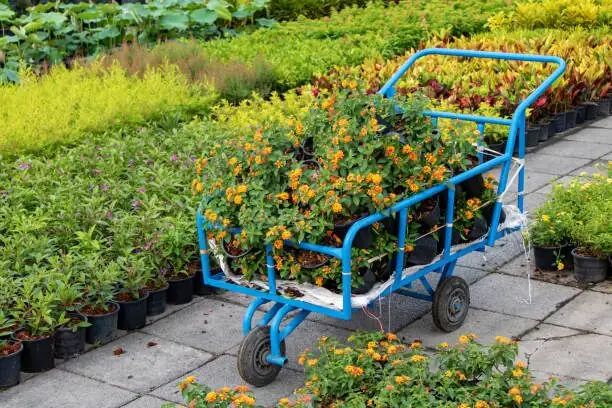
Containers brimming with Garden Verbena (Verbena × hybrida) are the summer equivalent of confetti—bright, abundant, and impossible to ignore. The secret to keeping those cheerful pom‑pom clusters rolling isn’t mysterious chemistry; it’s a simple, bloom‑first feeding routine you can actually stick to. Think balanced fertilizer, light hands with nitrogen, and the occasional “spa day” flush to keep salts from building up. Here’s your clear, container‑savvy plan.
Meet garden verbena in a nutshell
- What it is: A sun-loving hybrid from the Verbena genus, bred for months of color in beds, pots, and hanging baskets.
- Look and habit: Dense, deep‑green foliage forming a branching mound that can gently spread. Rounded clusters of white, pink, red, purple, and bicolors bloom from summer into fall.
- Success basics: Full sun (6+ hours), excellent drainage, steady moisture without waterlogging, regular deadheading, and good airflow to dodge powdery/downy mildew.
The bloom‑first feeding philosophy
If you want flowers, feed like you mean it—but not with nitrogen-heavy formulas that push floppy leaves at the expense of blooms.
- Your core fertilizer: A balanced, water‑soluble 20‑20‑20 at label strength.
- When to feed: About every 2 weeks during seedling growth and the main flowering run.
- Why balanced wins: It supports steady vegetative growth and abundant flower production without the leafy “nitrogen flop.”
- Container logic: Pots leach nutrients quickly. Small volumes of mix, frequent watering, and strong sun mean nutrients are used and washed out faster—so a consistent, modest schedule beats occasional heavy doses.
Tip: If you prefer lighter, more frequent feeding, you can use about half‑strength weekly to equal the same total nutrition—just be consistent.
Your simple container schedule
Spring to early summer (seedlings to first blooms)
- Feed: 20‑20‑20 every 2 weeks at label rate.
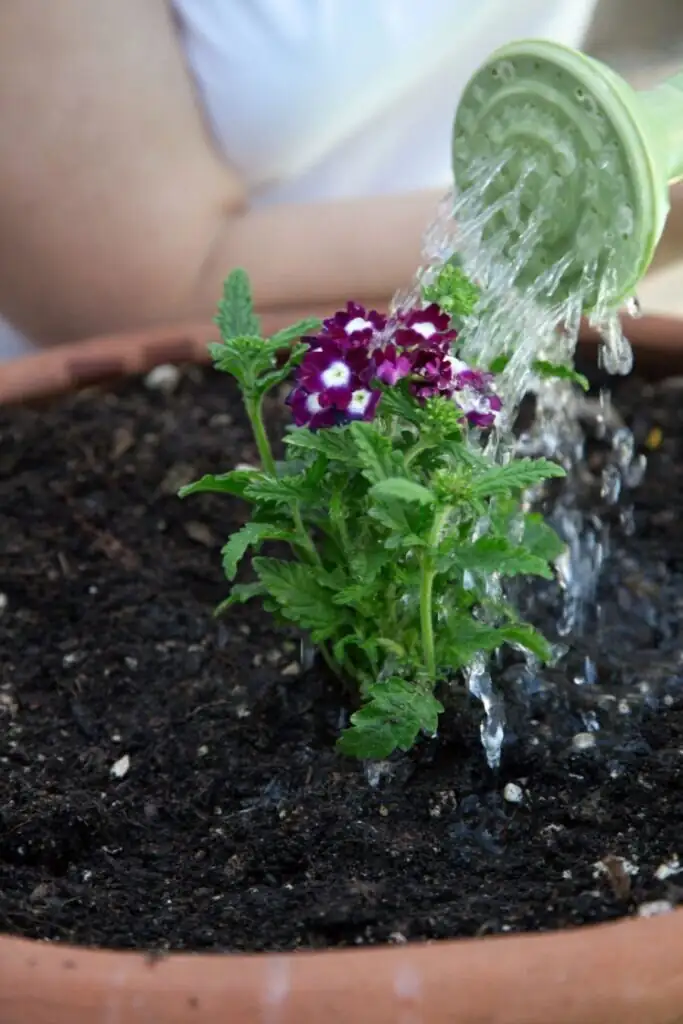
- Water first: Never fertilize bone‑dry mix. Moisten, then feed to avoid root burn.
- Shape for flowers: Pinch tips on lanky stems and start deadheading as soon as clusters fade. More branching = more bloom spikes.

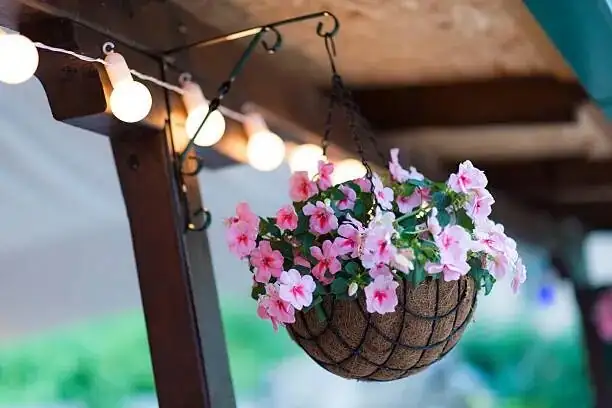
Peak summer (baskets and balcony planters)
- Feed: Continue every 2 weeks; in heavy bloom or very small baskets, optional half‑strength weekly.
- Watering rhythm: Deeply water when the surface dries; let excess drain freely. Never leave pots standing in water.
- Heat note: Above 30°C (86°F), many cultivars slow. Keep moisture steady (no drought–drench swings) and maintain feeding rhythm; blooms rebound as nights cool.
Early fall
- Feed: Maintain the 2‑week cadence to stretch flowering.
- Groom: Deadhead and consider a light trim to refresh branching and trigger another flush.
Wintering indoors (if kept)
- Light: Brightest possible spot; cooler nights around 12–16°C (54–61°F) help.
- Feed: Minimal to none unless actively growing and budding under strong light; if so, very light, infrequent feedings.
How to avoid “nitrogen flop”
Nitrogen pushes foliage; too much turns verbena into a leafy, soft, mildew‑prone mound with fewer flowers.
- Symptoms:
- Rapid, lush leaf growth with fewer or smaller flower clusters
- Soft, bendy stems that sprawl or flop
- Mildew showing up more readily (especially in low airflow)
- Prevention:
- Stick with balanced 20‑20‑20 on schedule; skip “high‑N” lawn or foliage fertilizers
- Full sun and good airflow
- Water deeply but don’t overwater; soggy mix + high N = weak growth
- Regular pinching/trim‑backs to keep plants compact and flower‑ready
Signs you’re underfeeding vs overfeeding
Underfeeding (common in containers)
- Paler new leaves, smaller foliage
- Fewer or slow‑to‑replace flower clusters after deadheading
- Overall sluggish growth despite good sun and watering
- Soil shows no salt crust; runoff looks clear
What to do: Resume the 2‑week balanced feed; after two cycles, you should see brighter foliage and quicker bud sets.
Overfeeding
- Browning or scorched leaf edges/tips, especially after a recent feed
- Sudden stall in flowering with dark, overly lush foliage
- White, crunchy salt crust on the soil or pot rim
- Wilting that doesn’t match soil moisture (osmotic stress)
What to do: Flush the pot thoroughly (see routine below), pause fertilizer 7–10 days, then resume at half‑strength before returning to normal.
Note: Leggy, stretched growth is usually low light or overcrowding—not a sign to add more fertilizer. Move to full sun and trim back by one‑third to restore shape.
The flush‑and‑feed routine (salt control for stellar blooms)
All water‑soluble fertilizers leave behind salts. In containers—especially hanging baskets—these can build up and quietly sabotage flowering. Leach them out regularly.
- When:
- Every 4–6 weeks in active season
- Any time you see a white crust on soil/pot rim
- After a period of heavy feeding or if leaves scorch post‑fertilizer
- How:
- Move the pot where it can drain freely.
- Slowly run clean water through the mix until at least 20–30% of the container volume drains out—repeat once more.
- Let it drain completely; never let the pot sit in the saucer runoff.
- Finish with a gentle half‑strength balanced feed the same day or at the next watering to reintroduce nutrients without shock.
- Bonus: Flushing also helps reset the root zone if you’ve been using hard water.
Fertilizer forms and simple add‑ons
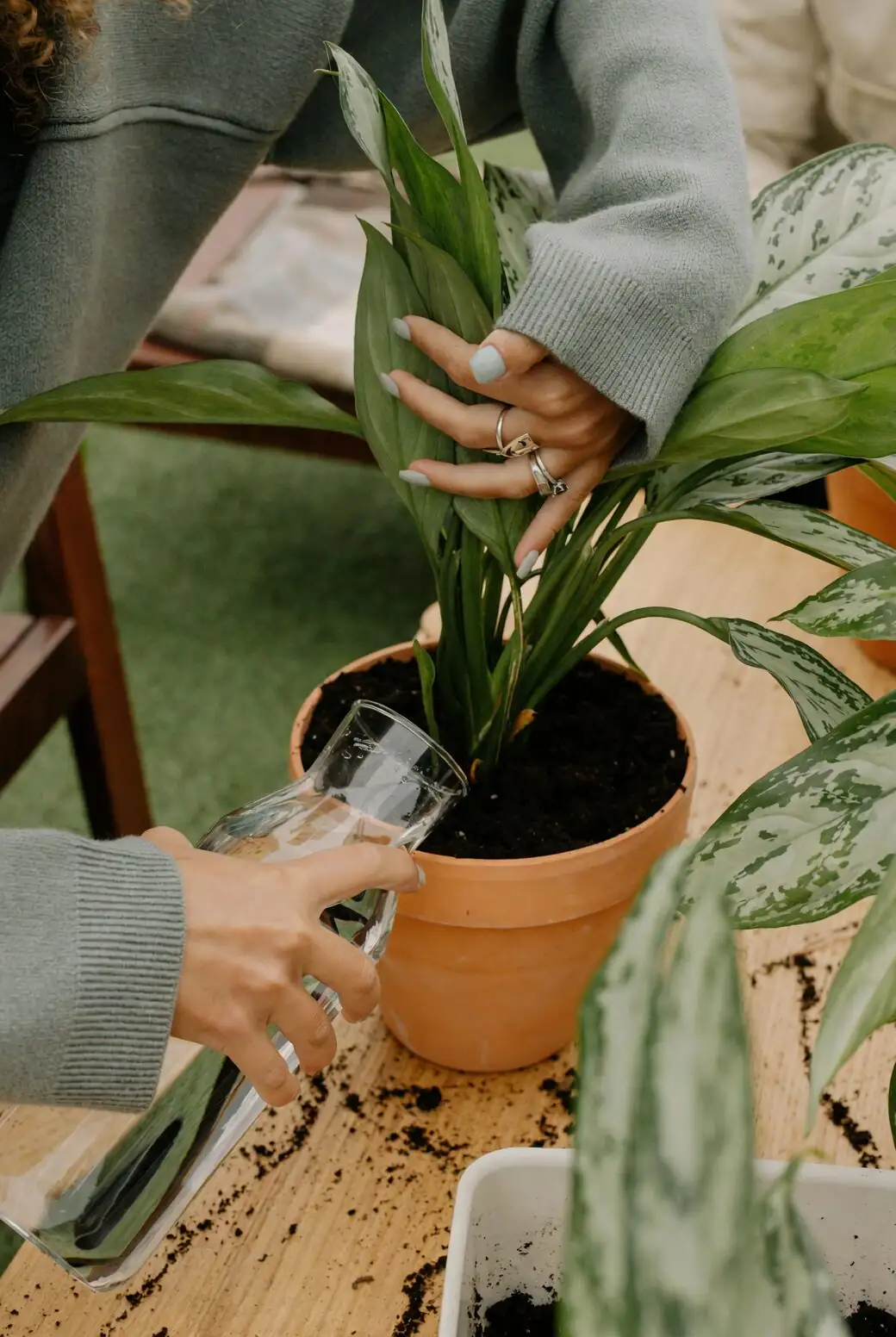
- Water‑soluble for control: Best for containers; easy to adjust strength and timing with plant growth and weather.
- Slow‑release granules: Fine for beds or large patio planters; choose a balanced analysis and avoid high‑nitrogen lawn types. In small hanging baskets, water‑soluble tends to give cleaner, more responsive results.
- Gentle organics: A light topdressing of compost can improve moisture balance, but don’t rely on it alone for heavy‑blooming pots.
- Micronutrients: If new leaves yellow while veins stay green, you may have iron chlorosis (often from high‑pH water). A one‑off chelated iron drench can help, then resume balanced feeding.
Quick companions to fertilizing success
- Sun is non‑negotiable: 6+ hours keeps plants compact and color vivid.
- Drainage, always: Use a quality potting mix with perlite/sand; avoid waterlogging.
- Deadhead like it matters: Removing spent clusters channels energy into new buds.
- Airflow: Verbena is prone to powdery/downy mildew. Space plants, avoid frequent overhead watering, and trim crowded growth.
- Reset trims: If plants get crowded or tired, cut back by 1/3–1/2; healthy trimmings root easily as cuttings.
Troubleshooting mini‑guide
- Flowers slowing in midsummer heat? That’s normal above 30°C (86°F). Keep moisture steady, maintain light feedings, deadhead, and wait for cooler nights—blooms bounce back.
- Lots of leaves, few blooms? You’re likely heavy on nitrogen, short on sun, or both. Shift to full sun, flush salts, resume balanced feeding, and pinch once.
- Pale, small leaves and tiny clusters? Underfed or rootbound. Feed on schedule; consider potting up if roots circle densely.
A small note on symbolism
Garden verbena is often linked with togetherness and unity in Western floral language—fitting for a plant that turns many small florets into one showy cluster. Flower “languages” are largely 19th‑century cultural inventions rather than botanical truths, but the sentiment rings true on a patio: many modest feedings, many tiny flowers—together, a season‑long display.
With a balanced 20‑20‑20 every two weeks, a watchful eye for nitrogen flop, and a simple monthly flush, your Verbena × hybrida will spend more energy making flowers than leaves—just the way container gardeners like it.