

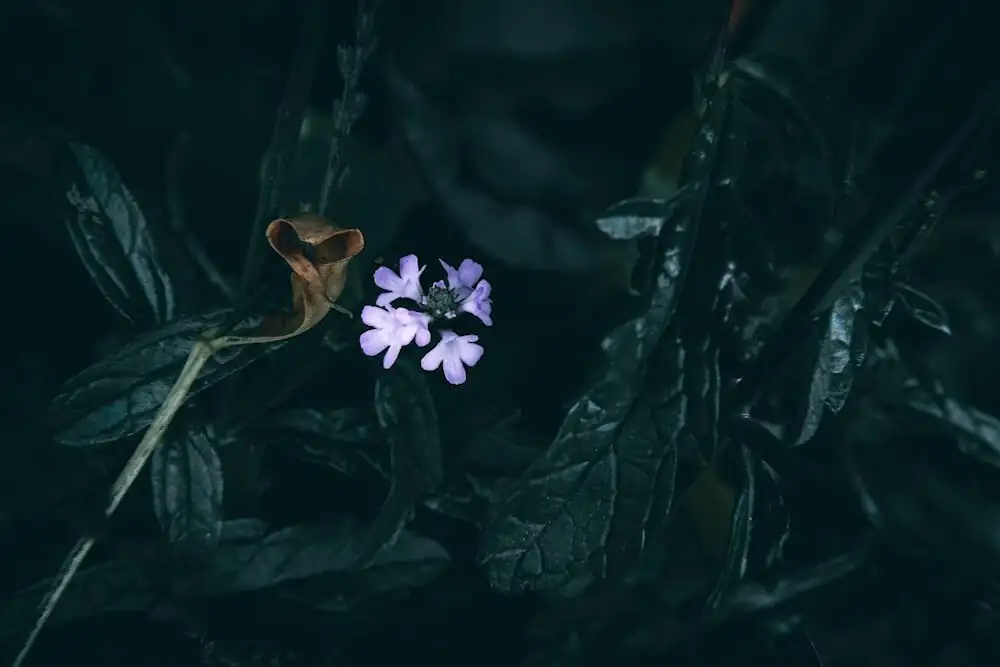
Sun-loving, flower-packed, and frankly unstoppable when happy, Verbena × hybrida (garden verbena) sometimes does a dramatic stretch—long bare stems, fewer blooms, and washed-out color—after a spell of weak light or soggy soil. The good news: you can reboot it fast. Here’s a simple, practical mini‑program that tightens its shape, restarts blooming, and turns your trimmings into bonus plants for free.
The 4‑Move Rescue Mini‑Program (for leggy, tired verbena)
Think of this as a quick reset you can do anytime the plant looks stringy or bloom-shy.
1) Turn up the light
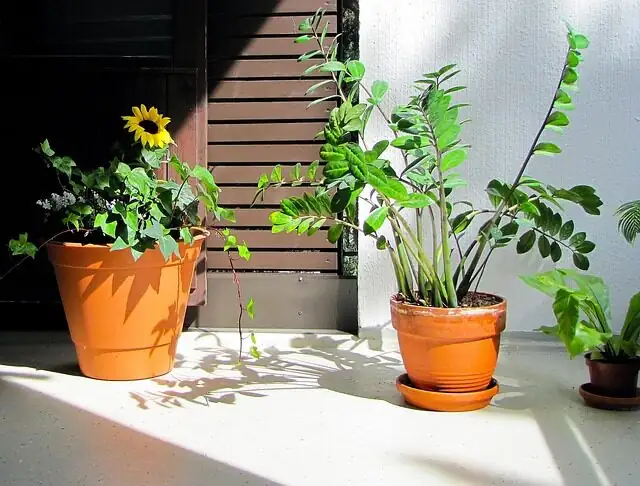
- Give garden verbena full sun: aim for 6+ hours of direct light daily. A sunny balcony, patio, or a south/west window indoors works best.
- Improve airflow. Space plants so leaves dry quickly after watering—this curbs powdery and downy mildew.
- Check drainage. Pots must have holes; never leave containers sitting in saucers of water.
What you’ll see: color intensifies, stems stiffen, and new buds form more readily under strong light.
2) Cut back by 1/3–1/2
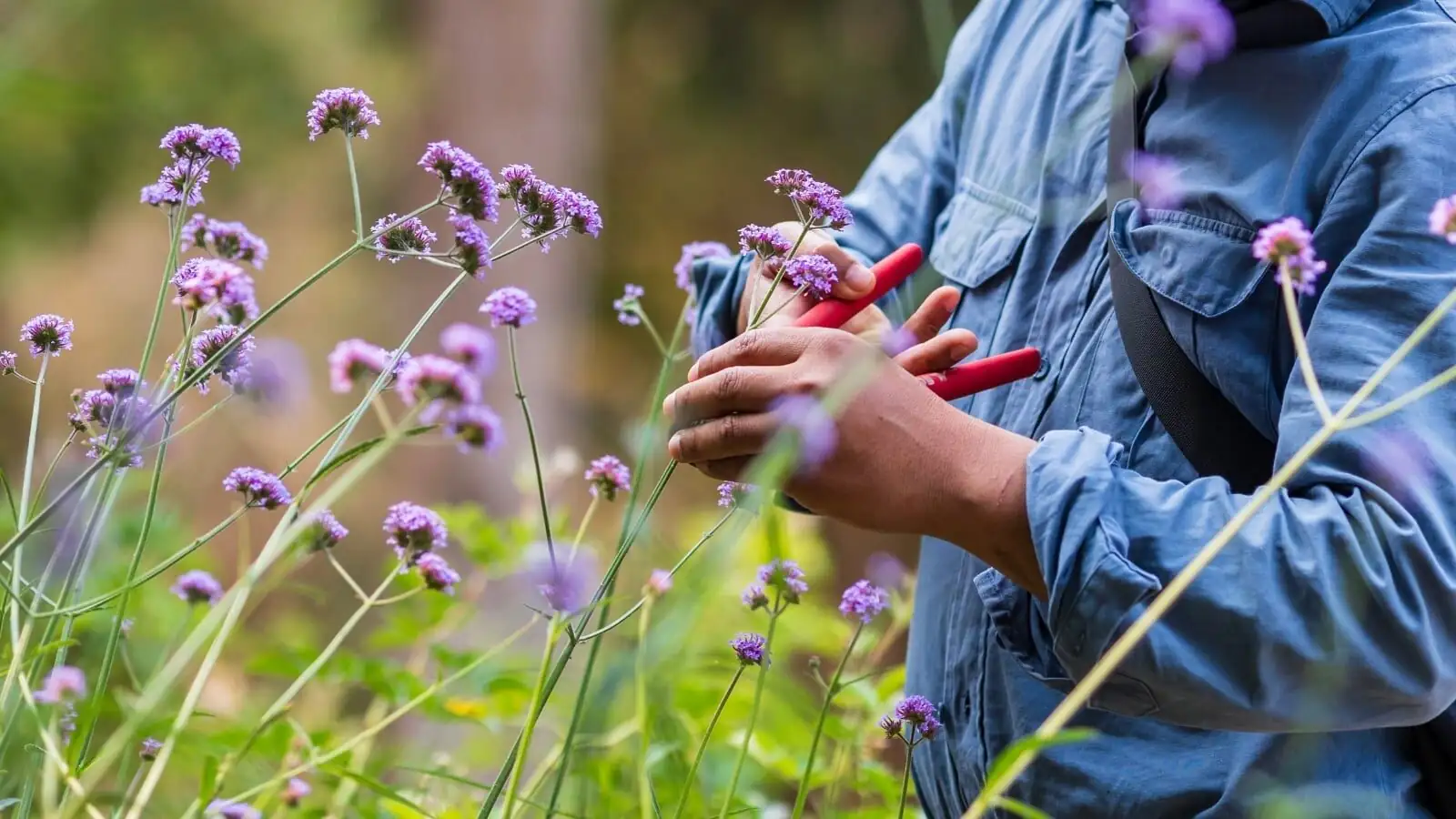
- With clean shears, shear the whole plant back by about 33–50%, removing lanky stems and spent flower heads.
- Target cuts just above leaf nodes to trigger branching.
- Keep a few sturdy green leaves per stem so the plant rebounds quickly.
Why it works: a hard trim redirects energy into side shoots, giving a tighter, bloom-heavy dome rather than spaghetti stems. Expect a fresh wave of buds on the new lateral growth.
3) Water deep, never waterlog
- Water thoroughly when the surface of the mix dries, then let excess drain away.
- In summer heat, keep moisture steady—avoid the swing from drought to flood. Do not keep the mix soggy.
- Indoors in winter, provide the brightest light possible and keep the soil lightly moist.
Pro tip: use a loose, well-drained potting mix with added perlite or sand. Verbena loves oxygen around its roots.
4) Feed modestly
- Every 2 weeks during active growth and flowering, use a balanced, water‑soluble fertilizer (for example, 20‑20‑20) at label strength.
- Avoid heavy nitrogen—too much pushes leaves over flowers.
- After the cutback, a single half‑strength feeding can jump‑start regrowth, then continue on the normal schedule.
Track progress: in strong light and good conditions, you’ll usually see new side shoots within 7–14 days and a rebound flush of blooms soon after. If regrowth lags, reassess light first, then watering habits.
—
Double your display for free: root the trimmings
Those healthy pieces you just cut? They’re perfect cuttings.
What to take
- Choose soft, non‑woody shoot tips 7–10 cm (3–4 in) long from your trimmings.
- Snip just below a node, remove lower leaves, and keep 2–3 leaves up top.
- Optional: dip the cut end in rooting hormone.
Two easy rooting methods
- Method A: Vermiculite/perlite
- Fill a small pot with moist vermiculite (or a light mix of vermiculite + perlite).
- Insert cuttings so at least one node is below the surface.
- Keep evenly moist, never soggy; give bright light without harsh midday sun and ensure good airflow.
- Method B: Water start
- Place cut ends in a clean glass of water, just covering the nodes.
- Refresh water every few days. Pot up into a well‑drained mix once roots form.
Warm, bright rooms speed rooting. When cuttings have a modest root system, pot individually, pinch the tip once to encourage branching, then harden off to full sun.
—
Keep it compact: habits that prevent stretch
- Sun is non‑negotiable: 6+ hours daily keeps plants dense and color vivid.
- Early pinch: when young plants reach about 10–12 cm (4–5 in), pinch growing tips to spark side shoots.
- Deadhead often: removing spent flower clusters channels energy to fresh blooms.
- Right containers: use 12–15 cm (4.7–5.9 in) pots for singles or small groups; for a full hanging basket (20–25 cm/8–10 in), plant about five starts and keep air moving.
- Temperature sweet spot: grows best around 5–25°C (41–77°F), ideal near 16°C (61°F). Protect from hard frost; many cultivars don’t reliably tolerate freezes.
- Never waterlog: garden verbena hates wet feet. Drainage, drainage, drainage.
—
Quick diagnostic cheat‑sheet
- Long, pale stems, few buds:
- Action: increase direct sun; let the surface dry between thorough waterings; cut back by 1/3–1/2 and feed modestly.
- Flowers fading fast in extreme heat (>30°C/86°F):
- Action: keep moisture steady (not soggy) and continue deadheading; blooming typically improves as temperatures moderate.
- Powdery or downy mildew (white film, leaf blotches, or fuzz):
- Action: improve airflow and sun, avoid frequent overhead watering, remove affected parts promptly.
- Aphids or whiteflies:
- Action: treat with insecticidal soap or a labeled pyrethrin/pyrethroid product; follow directions carefully.
Safety note: no confirmed toxicity details are available for this hybrid. As a precaution, discourage pets and children from chewing any ornamental plant.
—
A two‑week rebloom tracker
Use this light-touch log to stay on course:
- Day 0: Move to full sun; shear back 1/3–1/2; water deeply; optional half‑strength balanced feed.
- Day 3–5: Check for swelling buds along stems (nodes). Keep soil lightly moist, never wet.
- Day 7–10: Side shoots should be visible. Resume balanced feeding every 2 weeks.
- Day 10–14: New flower clusters form. Continue deadheading as they fade to keep the cycle going.
If progress stalls at any checkpoint, reassess light and drainage first—they’re the usual culprits.
—
Seasonal pointers
- Spring: increase light; water about twice weekly as needed to keep evenly moist (not soggy); pinch early growth; sow seed at 20–22°C (68–72°F) with only a thin covering of vermiculite.
- Summer: full sun; water deeply when the surface dries; deadhead often; expect peak bloom.
- Fall: keep slightly moist to extend flowering; move containers before hard frost. Approximate outdoor hardiness is USDA Zone 9–11 (varies by cultivar).
- Winter (indoors): brightest light available; keep soil lightly moist; plants overwinter best around 12–16°C (54–61°F). For earlier indoor flowering, aim for ~16°C (61°F) days and ~12°C (54°F) nights.
—
Meet the plant
- Scientific name: Verbena × hybrida
- Family: Verbenaceae
- Origin: A South American–derived garden hybrid, with ancestry from regions including Brazil, Peru, Argentina, and Chile.
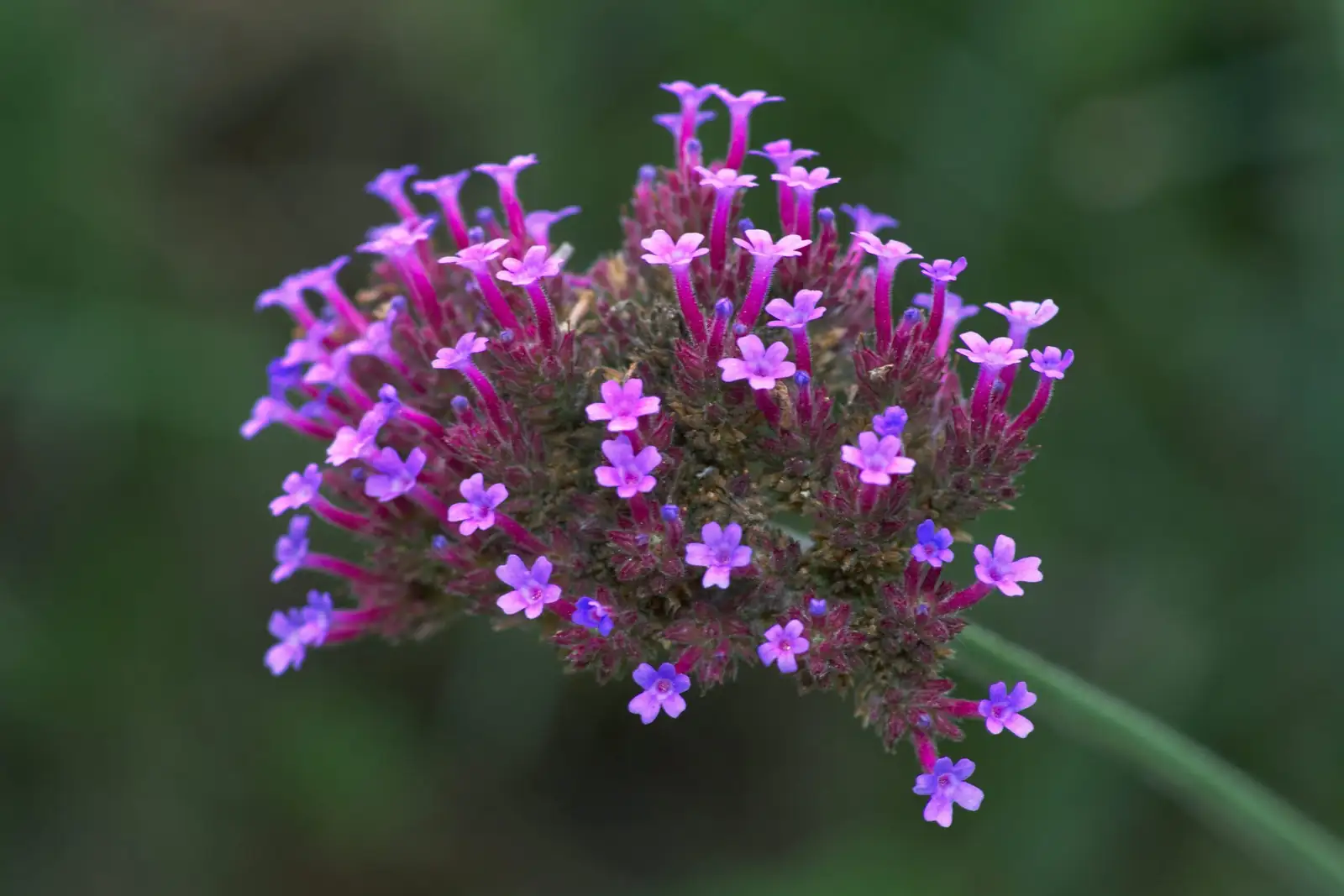
- Look: rounded, pom‑pom‑like flower clusters in white, pink, red, purple, and eye‑catching bicolors held above dense, toothed, deep‑green foliage.
- Habit and size: branching, gently spreading clumps typically 15–30 cm (6–12 in) tall and 30–60 cm (12–24 in) wide; compact potted plants are often kept under 20 cm (8 in).
—
Flower language and meaning
Garden verbena is commonly associated with togetherness and unity in Western floral symbolism. That resonance likely stems from its bloom structure—many small florets united into a single, vibrant sphere—plus its long, cooperative blooming season in mixed plantings. Today, it’s a favorite for “harmony at home” displays on sunny balconies and doorsteps. Think of those tight clusters as a chorus: many voices, one song.
—
Give your Verbena × hybrida sun, a strategic haircut, modest meals, and a tidy routine of deadheading—and it will repay you with months of color. Root the trimmings, and you don’t just refresh your plant; you multiply the show.