

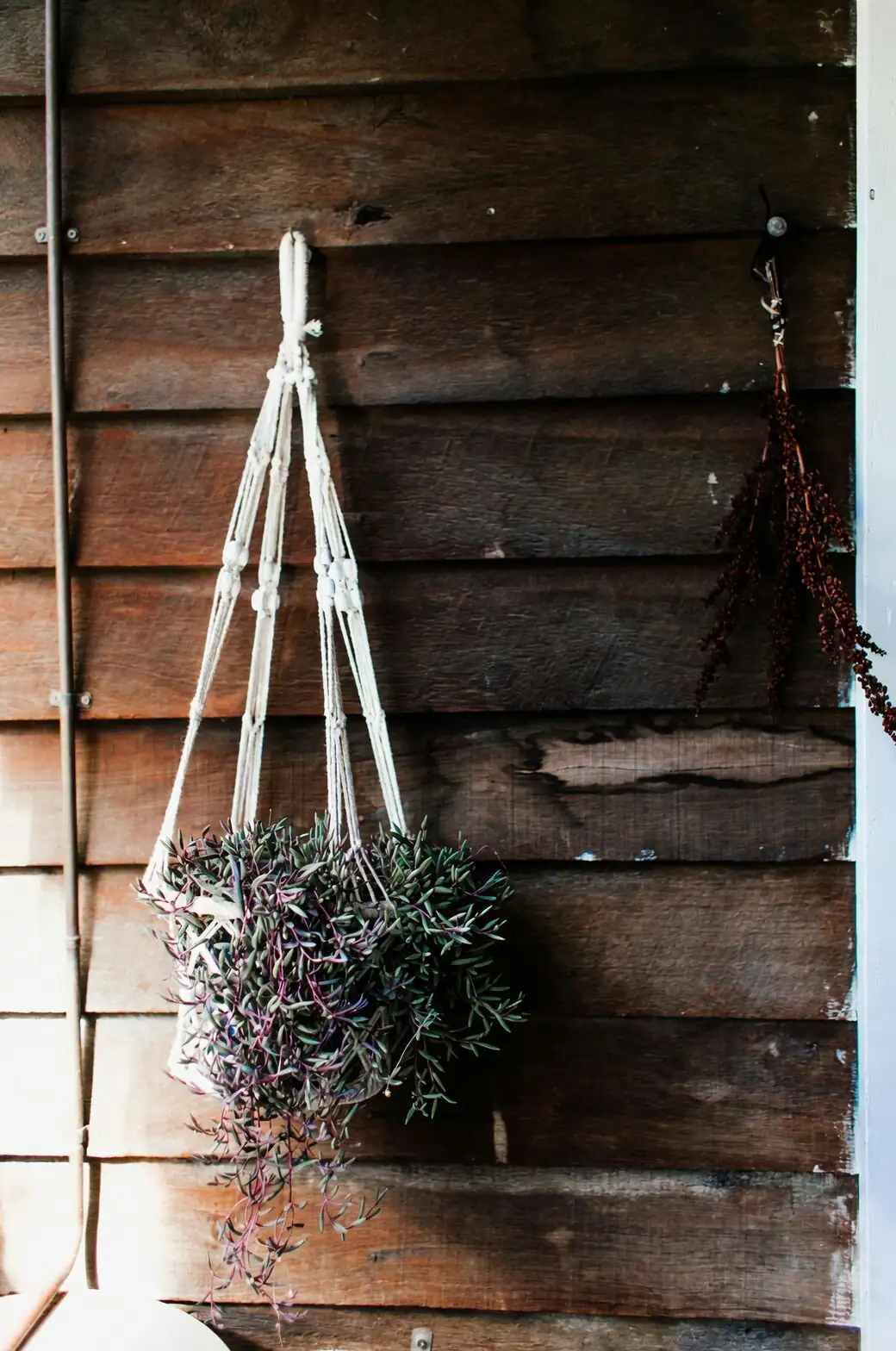
Imagine a small sun-soaked globe overflowing with color, tidy enough to kiss the breeze but never drip on your patio. That’s the promise of a well-planted Verbena × hybrida basket. Here’s a hands‑on recipe to create 20–25 cm baskets that stay tight, airy, and bloom‑packed for months.
The 20–25 cm basket blueprint
- Basket size: 20–25 cm (7.9–9.8 in) diameter
- Plant count: ~5 healthy seedlings per basket
- Light: full sun—aim for 6+ hours daily
- Air: hang in a bright, breezy spot; avoid stagnant corners and pressing tight against walls
- Water rule: thorough, fast drainage—never let the basket sit in water
Choose seedlings like a pro
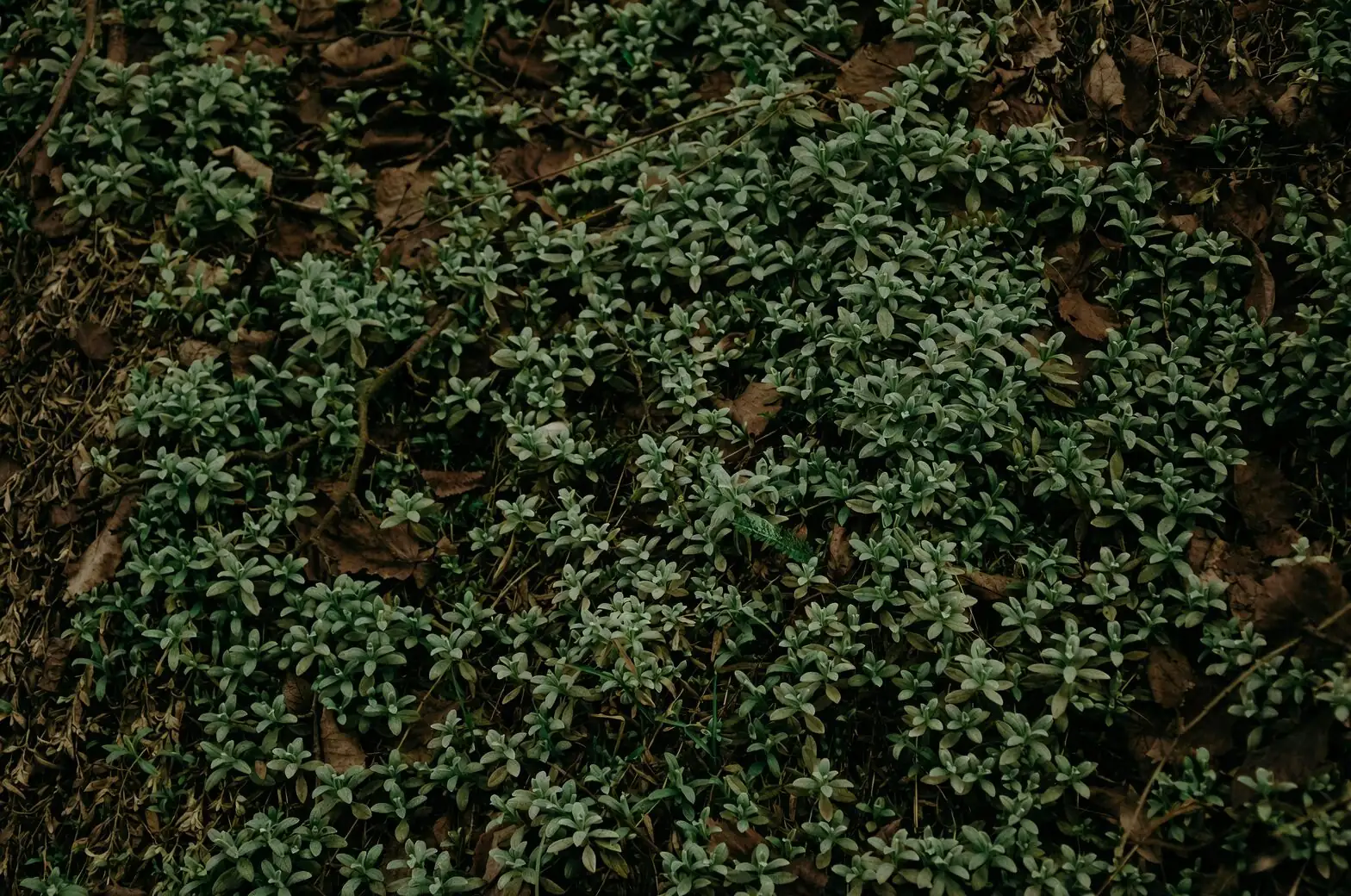
- Look for compact, well-branched plants with dense, deep green foliage.
- Avoid leggy, floppy starts; compact plants under ~20 cm establish faster and stay tidier.
- A few buds just opening is perfect—skip those already past peak bloom.
A mix that breathes: fast-draining, flower-forward
Use a loose, fertile potting mix amended for quick drainage. Try this:
- 2 parts high‑quality potting mix
- 1 part perlite
- 0.25–0.5 part coarse sand
Pro tip: Pre‑moisten the mix so it’s evenly damp but never soggy. Great drainage keeps roots happy, color vivid, and mildew at bay.
Planting, step by step (for a plush, even canopy)
1) Prep the basket
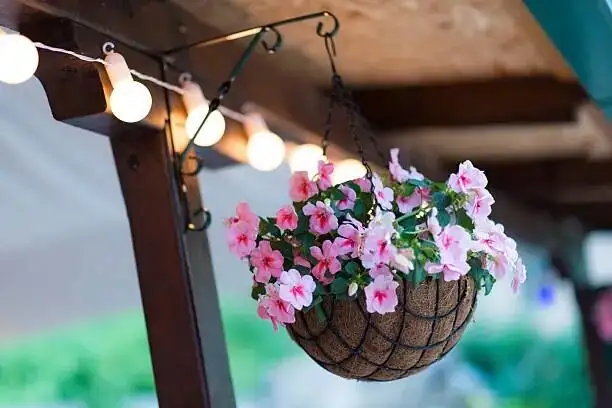
- If it’s a wire basket with a coco liner, poke a few extra small holes near the lower sides for quick runoff.
- If using a plastic hanging pot, confirm generous drain holes; add a thin mesh over them to prevent mix loss.
- Leave 1–2 cm of headspace at the rim to prevent spillover when watering.
2) Arrange five seedlings
- Four plants around the rim at the compass points, one in the center.
- Keep crowns level with the mix surface—don’t bury stems.
3) Settle and pinch
- Water gently to settle roots.
- On weaker-branching types, pinch tips when plants reach ~10–12 cm to trigger side shoots and a fuller dome.
Where to hang: sun and airflow make the magic
- Full sun fuels bloom clusters and keeps growth compact. A sunny balcony, patio, or bright windowsill is ideal.
- Good airflow helps prevent powdery/downy mildew—leave a bit of space behind the basket and avoid humid nooks.
Watering without drips (and without root rot)
Verbena loves evenly moist roots during active growth, but hates lingering wetness. Your goals: hydrate thoroughly, avoid drips on the deck, and keep foliage dry.
Daily check, simple cues
- Top 1–2 cm of mix looks dry? Water.
- Basket feels light when lifted? Water.
- Leaves flag midday but perk in the evening? Wait—water in the morning next day.
No-drip methods
- Sip‑and‑pause: Early morning, water slowly in 2–3 passes with a narrow-spout can. Stop at the first hint of runoff. The pauses let the mix wick moisture without gushing drips.
- The bucket perch: If possible, lower the basket onto an empty bucket before watering. Water thoroughly, let it drain for 5–10 minutes, then rehang drip‑free.
- Bottom-up refuel (great in heat): Set the basket in a shallow tray with 2–3 cm water for 10–15 minutes. Remove, let excess drain, then rehang. Never leave it standing in water.
Seasonal rhythm
- Spring: about twice weekly; keep evenly moist, not soggy.
- Summer (peak bloom): water deeply when the surface dries; never let the pot stand in water. Above 30°C, flowering may pause—keep moisture steady rather than swinging between drought and flood.
- Fall: slightly moist to prolong the show.
- Winter indoors (if overwintering): brightest light, lightly moist mix.
Feed for flowers, not just leaves
- Apply a balanced fertilizer (e.g., 20‑20‑20) about every 2 weeks during seedling growth and the main flowering period, at label strength.
- Avoid heavy nitrogen—too much pushes leafy, weak growth and fewer blooms.
- Once a month, give a thorough watering to flush any salt buildup.
Your 10‑minute weekly tune‑up (the tight, airy, bloom‑packed routine)
- Deadhead smartly: Snap off spent flower clusters back to the first strong leaf node. This quickly cues new buds.
- Pinch the wanderers: If a few stems outpace the mound, pinch off 1–2 leaf pairs to maintain a tidy dome and encourage branching.
- Air the center: Remove 1–2 thin inner stems to keep airflow through the middle. Mildew hates moving air; verbena loves it.
- Rotate a quarter turn: Even exposure = even growth and bloom.
- Scout and act: Check undersides of leaves for aphids or whiteflies. Treat early with insecticidal soap or a labeled pyrethrin/pyrethroid product as directed.
- Hardware check: Make sure hangers and hooks are secure; wipe the rim and remove fallen petals to discourage fungus.
Midseason reset (if things get leggy)
- Shear the canopy by about 1/3–1/2. Water, feed, and you’ll get a flush of fresh growth and color within weeks.
- Healthy trimmings root easily—use them for bonus plants: soft cuttings in vermiculite, or root in water and pot up.
Troubleshooting quick fixes
- Long, pale, leggy growth; few blooms:
- Give more sun.
- Water only when the surface starts to dry; avoid constant wetness.
- Pinch/trim to encourage branching and a fuller canopy.
- Powdery or downy mildew:
- Improve airflow; avoid frequent overhead watering, especially late day.
- Remove infected parts promptly. Maintain the weekly thin-and-rotate routine.
- Heat lull (blooms pause above 30°C):
- Normal. Keep moisture steady and continue deadheading. Flowering rebounds as temperatures ease.
- Yellowing lower leaves:
- Often overwatering or fertilizer salts. Ensure fast drainage, flush the mix monthly, then resume the biweekly balanced feed.
Size and habit to expect
- Typically 15–30 cm tall with a 30–60 cm spread, depending on cultivar and pruning.
- Compact pot plants are often kept under 20 cm tall; regular pinching keeps the basket mound tight and flower-heavy.
Timing, temps, and hardiness
- Main season: summer through fall.
- Best growth around 5–25°C, with an ideal near 16°C for steady development.
- Not reliably frost-hardy. Many cultivars handle brief dips near –5°C, but move or protect before a hard frost. Overwinter indoors around 12–16°C for an early start next year.
Safety note
- No confirmed toxicity details available. As a precaution, discourage pets and children from chewing ornamental plants. If ingestion or irritation occurs, contact local poison control or a veterinarian.
Why verbena whispers “togetherness”
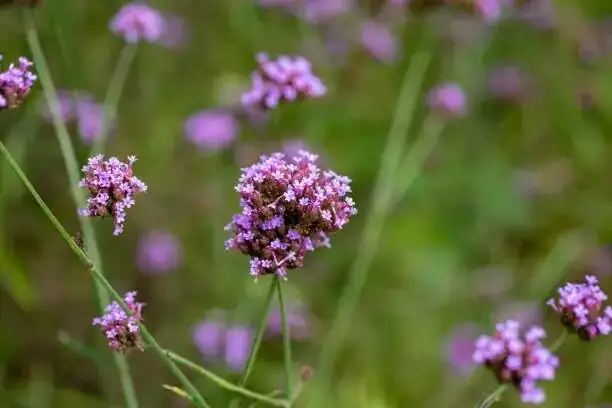
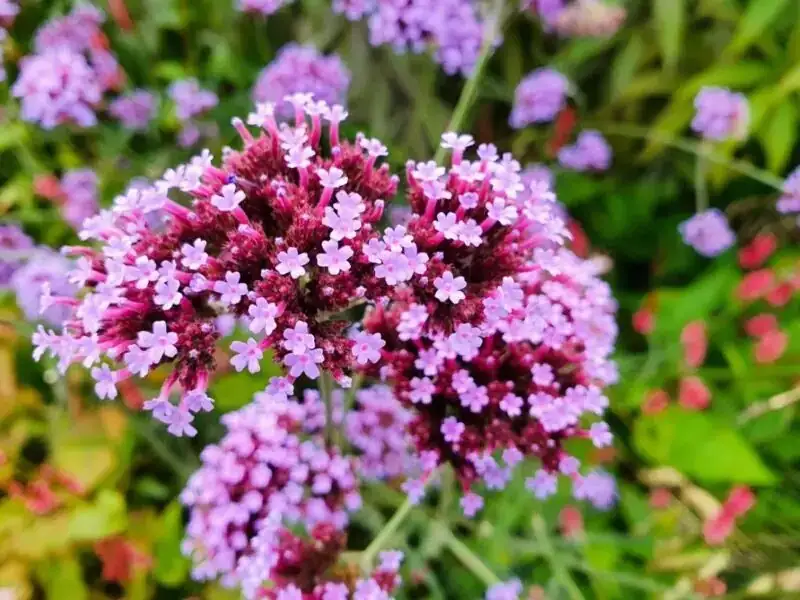
Garden verbena’s flower heads are many tiny florets gathered into one bright sphere—a natural emblem of unity and harmony. In Western floral symbolism, that clustering often stands for togetherness at home: many small joys creating a bigger, brighter whole. It’s a fitting message for a shared porch or balcony where the basket becomes a cheerful focal point.
Fun to know
- Verbena × hybrida is a horticultural hybrid bred for long flowering and a vast color range.
- Deadheading isn’t just cosmetic—removing spent clusters can noticeably extend blooming well into fall.
Quick checklist for a flawless basket
- 20–25 cm basket; plant ~5 compact seedlings
- Full sun (6+ hours) and good airflow
- Fast-draining mix with perlite and coarse sand
- Water thoroughly with no standing water; use no‑drip techniques
- Feed every 2 weeks with a balanced fertilizer
- Weekly 10‑minute tune‑up: deadhead, pinch, thin, rotate, scout
Follow this rhythm and your Verbena × hybrida basket will stay tight, airy, and exuberantly colorful—right through the long, sunny months.