

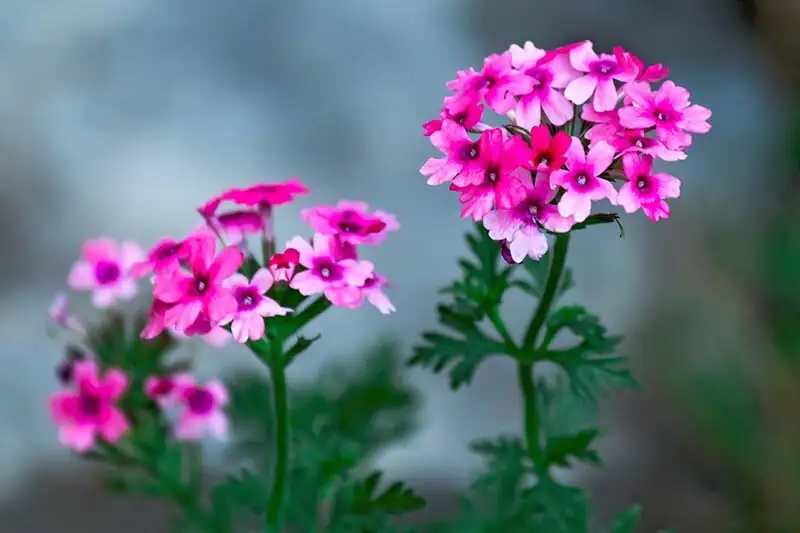
Picture this: your balcony is baking, the thermometer’s flirting with triple digits, and your verbena’s flower show suddenly… pauses. Don’t panic. Garden verbena (Verbena × hybrida) is a sun-lover, but like any marathoner, it needs a heat plan. With a few simple tweaks—steady moisture without sogginess, a dash of midday shade during extremes, smarter feeding, a crisp deadheading rhythm, and strategic pot placement—you can keep those cheerful pom‑pom clusters rolling right through a heatwave.
Meet Garden Verbena (Verbena × hybrida)
- Family: Verbenaceae; Genus: Verbena
- Origin: South America; now a widely cultivated garden hybrid
- Habit and size: Clump-forming, branching, 15–30 cm tall with a 30–60 cm spread (compact pots often under 20 cm)
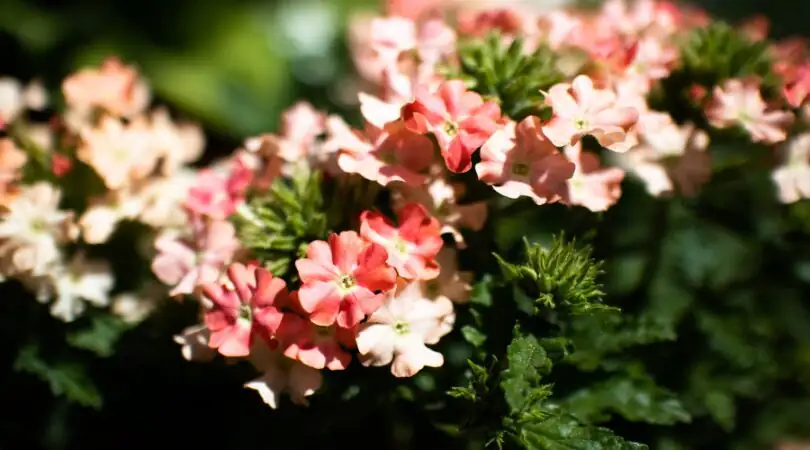
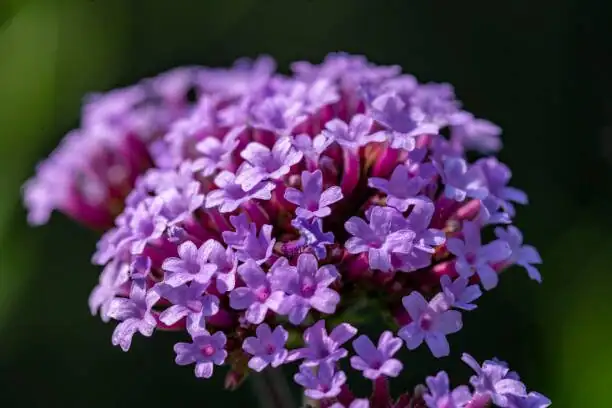
- Look: Dense, deep‑green leaves and rounded flower clusters in white, pink, red, purple, and bicolors (often with a pretty “eye”)
- Season: Summer through fall, especially with regular deadheading
- Best setting: Full sun (6+ hours), airy balcony, patio, or bright windowsill, in loose, well‑drained potting mix
Note on heat: Flowering can slow when temperatures consistently exceed about 30°C (86°F). Your mission is to prevent “bloom stall” by reducing stress while keeping light and airflow high.
Why blooms stall in scorching weather
- Heat stress shifts energy from flowering to survival.
- Hot, soggy roots suffocate; bone‑dry swings also trigger bud drop.
- Excess nitrogen pushes leaves, not flowers.
- Spent clusters left on the plant tell it “season’s over.”
- Stagnant corners and wet foliage invite mildew.
- Pots parked against sun‑baked walls or reflective glass overheat the root zone.
The heatwave playbook: Keep blooms coming
Watering: steady moisture without sogginess
- Aim for “evenly moist” during active growth. In summer, water deeply when the top surface just dries, then let excess drain freely—never leave pots standing in water.
- Timing: Water early morning. On extreme days, a second, smaller early‑evening drink at soil level is fine if the mix dries quickly—avoid late‑day overhead watering.
- Technique:
- Soak until water exits the drainage holes; wait a minute; water once more to rewet any dry pockets.
- Use a quality potting mix amended with perlite or coarse sand for fast drainage. In heat, a bit more perlite (10–20%) helps prevent waterlogging.
- Add a thin, dry top‑dress (1–2 cm) of fine gravel or chicken grit to slow evaporation while keeping the crown dry.
- Pot size matters: Small pots and hanging baskets dry fastest. Check them daily in heat—sometimes morning-only water isn’t enough by late afternoon.
Midday shade—only during extremes
- Keep full sun overall, but in a heatwave shield plants from the harshest rays (roughly 11 a.m.–3 p.m.).
- Easy shade hacks:
- Clip up a 30–40% shade cloth or a light umbrella for a few hours.
- Tuck pots behind a taller container to filter sun without plunging them into shade all day.
- Slide baskets under an awning for the burn window, then return them to open sun.
- This keeps root and leaf temperatures reasonable without sacrificing the 6+ hours of light verbenas crave.
Feeding adjustments: fuel flowers, not flop
- Regular rhythm: Feed about every 2 weeks during active growth and bloom.
- Formula: A balanced fertilizer (e.g., 20‑20‑20) at label strength works well—just avoid heavy nitrogen, which makes leafier, weaker growth at the expense of flowers.
- Heat tweak: When nights stay hot and bloom slows, halve the dose or skip a cycle. Resume normal feeding as temperatures ease.
- Signs you’ve overdone N: Rushing green growth, fewer or smaller flower clusters, and softer, stretchier stems.
Deadheading cadence that works
- Quick snips every 3–4 days in peak season: Remove whole spent clusters, cutting the flower stem back to the first strong set of leaves.
- Weekly tidy: Scan for straggly tips and pinch them to keep a dense, flower‑heavy mound.
- Post‑flush reset: If the plant looks tired or leggy, shear back by about one‑third to one‑half. This reshapes the plant and sparks a fresh wave of blooms. Healthy trimmings can root easily as cuttings.
Pot placement tricks for hot balconies and patios
- Escape the broiler zone:
- Move pots 10–20 cm away from sun‑blasted walls, black railings, and reflective glass.
- Park containers where breezes pass through, but not in a wind tunnel that strips moisture.
- Cool the root zone:
- Use light‑colored containers or slip dark pots into a larger, pale cachepot (air gap = insulation).
- Elevate pots on feet for airflow and fast drainage.
- Group containers to shade each other’s sides, but keep foliage from crowding—airflow prevents mildew.
- Hanging baskets dry fast: Great for light, but check moisture more often. Consider a slightly larger basket (20–25 cm) to buffer heat.
- Never let pots sit in saucers of water. If using a cachepot, add spacers so drainage stays free.
Container setup that shrugs off heat stress
- Mix: Loose, fertile, well‑drained potting soil with extra perlite/sand. Excellent drainage is non‑negotiable.
- Size and spacing:
- 12–15 cm diameter pots work for compact specimens; plant about 3 seedlings per pot for a full look.
- Hanging baskets: 20–25 cm diameter, around 5 seedlings per basket.
- Give each plant space for airflow to reduce mildew pressure.
- Light: Full sun is best, with a temporary midday screen during heat spikes.
A sample summer routine (balcony/patio)
- Morning
- Check moisture with a finger test; water deeply if the surface is dry.
- Quick deadhead of yesterday’s spent clusters.
- Midday (on extreme days)
- Deploy shade cloth/umbrella for 2–4 hours.
- Verify pots aren’t baking against hot masonry or metal.
- Early evening
- Spot‑check thirsty small pots and baskets; water at soil level if needed.
- Inspect leaves for powdery/downy mildew and pests.
- Weekly
- Feed once (lighten dose during heat spikes).
- Tidy trim and rotate pots for even light.
- After a heatwave
- Shear back by 1/3 if bloom has stalled, then resume regular care.
Troubleshooting hot‑spell hiccups
- Midday wilt but evening recovery: Likely heat wilt, not drought. If the mix is still moist, don’t overwater—focus on brief midday shade and cooling the pot.
- Buds drying or dropping: Moisture swings or overheated roots. Increase pot volume, add top gravel, and adjust shade for the burn window.
- Leggy, pale growth: Not enough sun or too much nitrogen. Move to brighter light and ease off the feed.
- Powdery or downy mildew: Common in stagnant, humid corners and with wet foliage.
- Improve airflow, avoid overhead watering (especially late), and remove affected leaves promptly.
- Aphids/whiteflies: Treat with insecticidal soap or a labeled pyrethrin/pyrethroid product; follow directions carefully.
Quick facts that help decisions
- Temperature sweet spot: Grows best around 5–25°C (41–77°F), ideal near 16°C (61°F). Not reliably frost‑hardy; protect before hard freezes. Generally treated as an annual or tender perennial (about USDA Zone 9–11 outdoors).
- Light: Full sun (6+ hours). Flower color and compactness improve with strong light.
- Water: Evenly moist, never waterlogged; excellent drainage is essential.
Flower language: togetherness with a modern twist
Garden verbena is often linked with togetherness and unity—a sentiment that likely stems from its tight, many‑flowered clusters reading as “many as one.” Today, it’s a favorite for bright, upbeat “harmony at home” displays. While floral symbolism is more cultural than botanical, the message fits the plant’s habit: countless little blooms collaborating to make one generous, colorful dome.
Heatwave recap for nonstop color
- Keep moisture steady: Deep morning soaks; drain freely; no standing water.
- Use brief midday shade during extremes; maintain 6+ hours of overall sun.
- Feed every 2 weeks, but avoid heavy nitrogen; reduce dose in high heat.
- Deadhead every few days; shear by 1/3 after a heavy flush or a heat stall.
- Position pots away from radiant surfaces; elevate, insulate, and promote airflow.
Do these five things, and your Verbena × hybrida will turn a sweltering balcony or patio into a resilient, bloom‑rich stage, even when summer turns up the volume.