

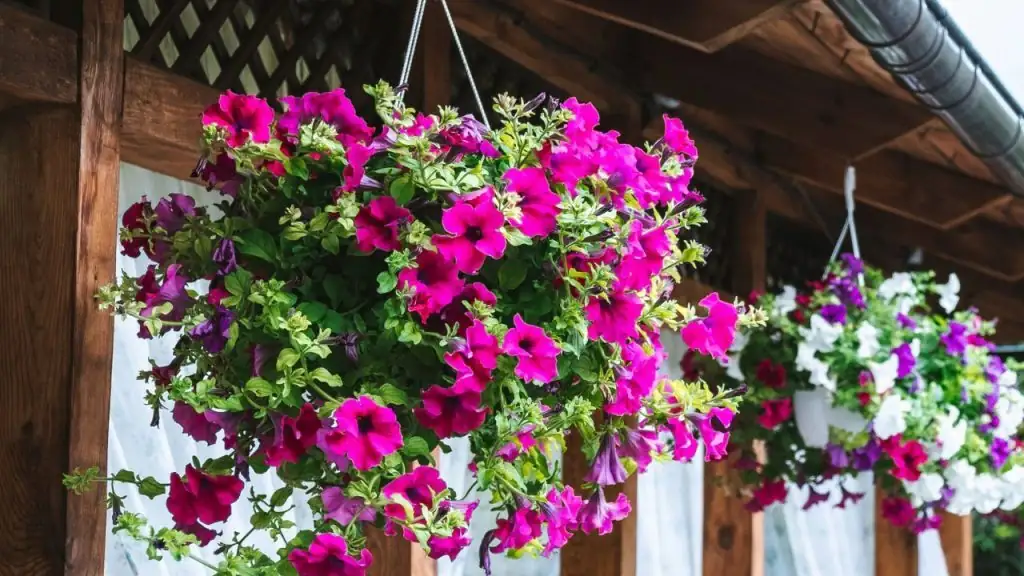
Garden verbena (Verbena × hybrida) is the plant equivalent of a confetti cannon—constant color, compact mounds, and a “why not both?” attitude to propagation. Whether you’re a seed-sower who loves watching green specks become plush baskets or a snipper who turns cut-back stems into clones, this masterclass walks you through the two best routes: softwood cuttings and seed. We’ll dig into exact temperatures, media, the all‑important thin seed cover, when to pot on, and a clever trick for turning pruning scraps into perfect basket fillers.
Cuttings vs. Seed: Which path suits you?
- Softwood cuttings
- What you get: Identical copies of your favorite plant and flower color, blooming faster and staying very uniform.
- Speed: Quick. Expect rooted cuttings in a few weeks, ready to pot on soon after.
- Best for: Filling baskets/containers midseason, saving standout cultivars, and making the most of pruning offcuts.
- Seed
- What you get: Economical batches and the thrill of raising lots at once. Color can vary by strain, so expect some diversity unless you’re sowing a single named seed line.
- Speed: Slightly slower from sowing to first flowers than cuttings, but straightforward once you dial in temperature and moisture.
- Best for: Spring or fall sowing runs, mass bedding, or when you want dozens on a budget.
Tip: Many gardeners do both—seed in late winter/early spring, then keep baskets topped up all summer with quick softwood cuttings.
—
Softwood Cuttings Masterclass
What to take and when
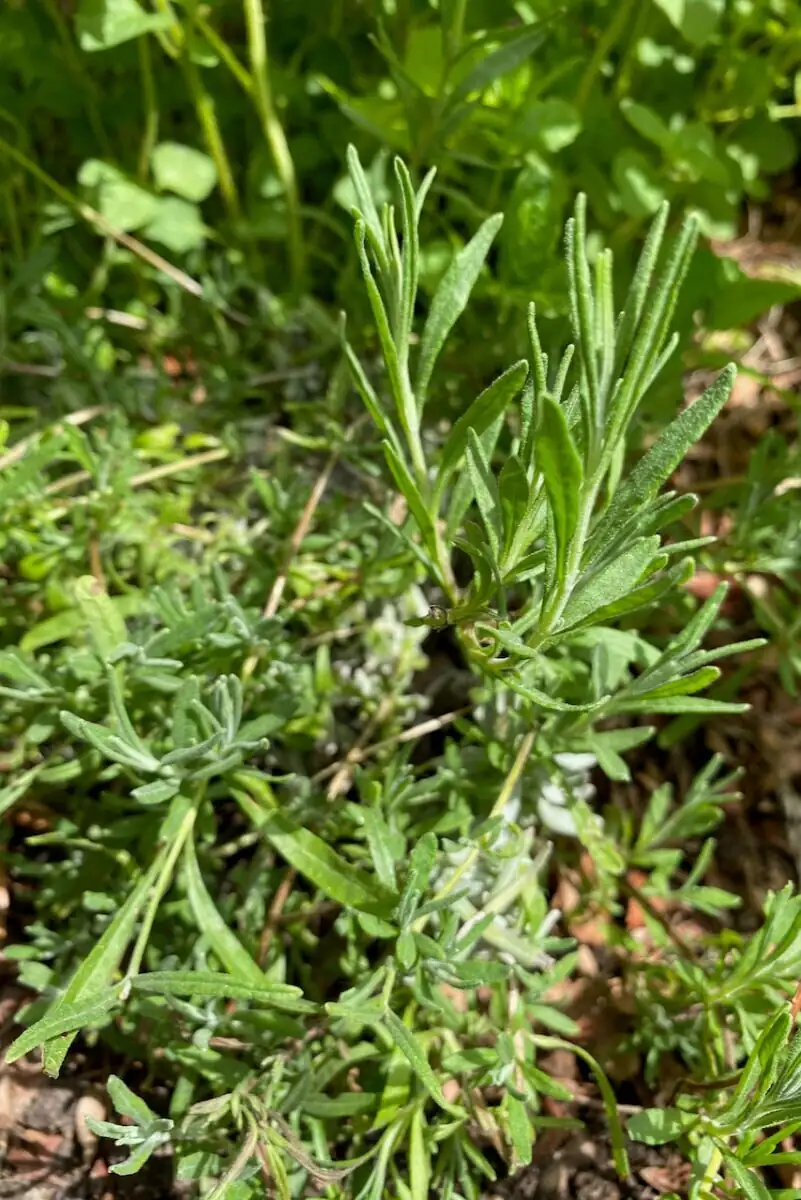
- Material: Soft, non‑woody shoot tips (often the pieces you’d pinch or trim anyway). Avoid flower buds on the cutting.
- Timing: Throughout the growing season whenever you’re pruning or plants are stretching. Pinching when plants reach about 10–12 cm encourages side shoots—prime cutting material.
Two reliable rooting routes
Route A: Rooting in vermiculite (fast, clean, high success)
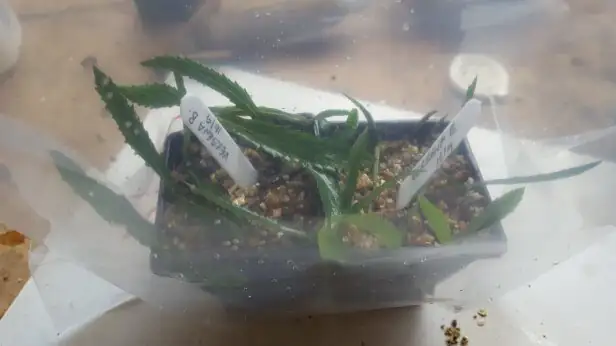
- Prepare a small pot or tray with moistened, sterile vermiculite (damp, not dripping).
- Snip 6–10 cm tips just below a node. Strip the lower leaves; keep two small leaves at the top.
- Make a pilot hole, insert the stem so a node is buried, and firm gently.
- Create gentle humidity (clear cover or vented dome), but allow some air exchange.
- Light and heat: Bright, indirect light; steady room warmth—around 20–22°C is excellent.
- Water: Keep the vermiculite evenly moist, never sodden.
- Readiness: Pot on when you see clear new growth and firm resistance (roots) or when roots are visible through drainage holes—often in a few weeks.
Optional: Rooting hormone is not essential for softwood verbena; use it if you like, but good hygiene and steady moisture are more important.
Route B: Rooting in water (simple and surprisingly effective)
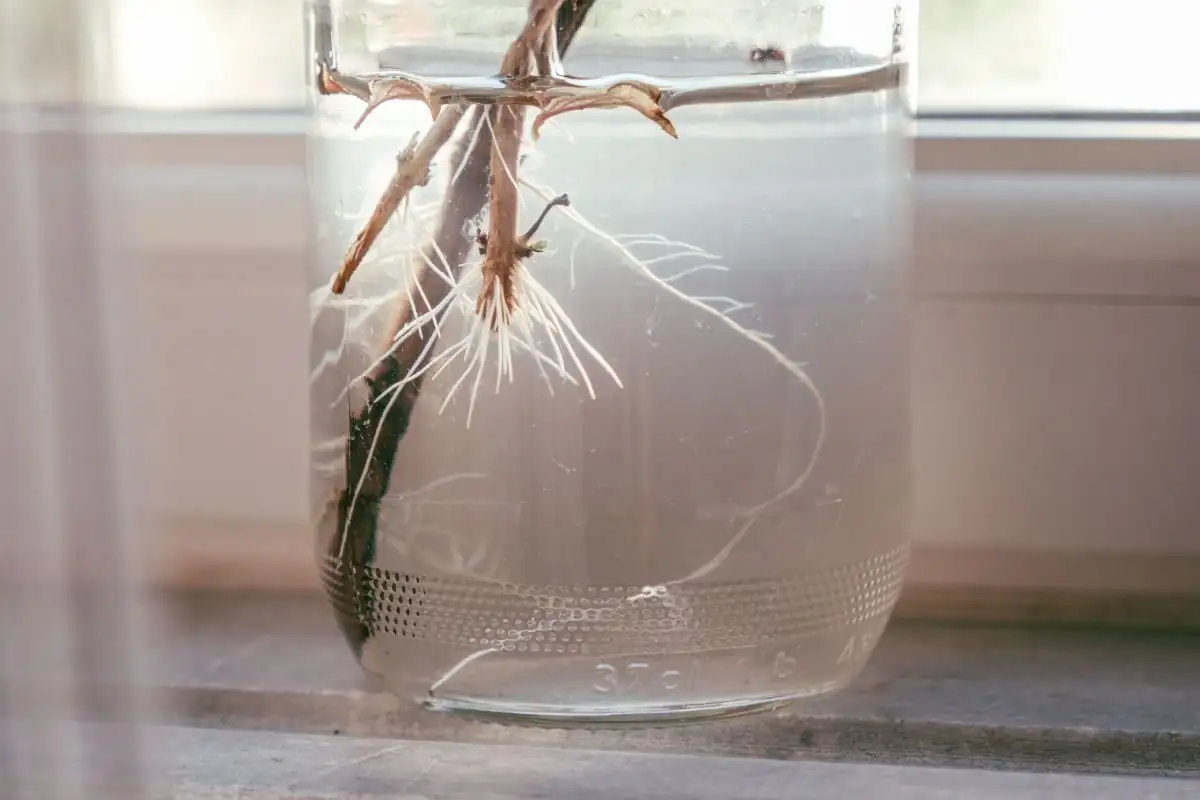
- Place prepared cuttings (lower leaves removed) in a small glass of clean water so only the leafless nodes are submerged.
- Position in bright, indirect light at room temperature; change the water every few days.
- Pot on once roots are about 2–3 cm long. Handle gently—water roots are tender.
- Potting mix: A loose, well‑drained blend (quality potting soil with a little perlite/sand) suits verbena perfectly.
Potting on cuttings
- First pot: Move each rooted cutting into its own small pot with a free‑draining mix.
- Pinch: When young plants reach ~10–12 cm, pinch the tip to trigger branching.
- Feeding: Begin light, balanced feeding (e.g., 20‑20‑20 at label strength) about every 2 weeks once established.
- Final homes:
- 12–15 cm pot: Plant about 3 young plants per pot for a full look.
- 20–25 cm hanging basket: Plant about 5 young plants per basket.
—
Seed Masterclass
The golden numbers
- Ideal germination temperature: 20–22°C (68–72°F).
- Cover: Only a thin sprinkle of vermiculite—don’t bury the seed.
- Germination window: Typically 14–20 days.
Step‑by‑step sowing
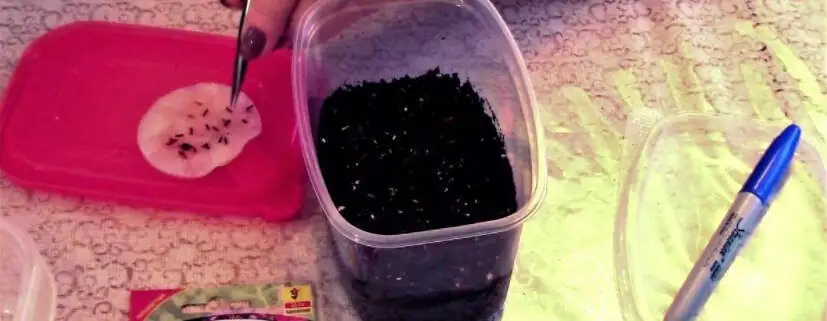
- Fill a clean tray or plug cells with a fine, well‑drained seed‑starting mix.
- Sow thinly on the surface; mist to settle.
- Top with a very thin layer of vermiculite—just enough to anchor the seed and maintain moisture.
- Maintain even moisture and warmth at 20–22°C. Provide bright light without scorching sun.
- Ventilation: If using a dome, vent daily to discourage damping‑off.
When to pot on
- Spring sowing: Transplant roughly 30 days from sowing, once seedlings have a couple of true leaves.
- Fall sowing: Pot on when seedlings reach about 7–8 cm tall.
- Final planting guides:
- 12–15 cm pot: ~3 seedlings per pot.
- 20–25 cm basket: ~5 seedlings per basket.
Train for flower power
- Pinch at ~10–12 cm to keep plants compact and branching.
- Deadhead spent clusters to trigger fresh waves of blooms.
—
Turn pruning scraps into perfect basket fillers
Think of every haircut as a propagation opportunity. Here’s a simple workflow that turns tidy‑up trimmings into instant color for baskets.
- Give mother plants a strategic trim
- If verbena is getting leggy, cut back by 1/3 to 1/2 to refresh growth.
- Save the healthiest, non‑woody tips (6–10 cm) for cuttings.
- Grade and prep your scraps
- Strip lower leaves, keep two at the top, and make clean cuts just below nodes.
- Root efficiently
- Vermiculite method for bulk: stick a whole potful of cuttings for a mini “nursery.”
- Water method for visibility: perfect if you like to watch roots form.
- Pot up and pack your basket
- As soon as roots are established, plant about 5 young plants into a 20–25 cm hanging basket with a loose, well‑drained mix.
- Pinch once after planting to encourage a rounded, cascading shape.
- Grow on in strong light
- Full sun fuels tight growth and vivid color. Water deeply when the surface dries; never let baskets sit in water.
- Feed every 2 weeks with a balanced fertilizer during active growth and flowering.
Result: Those “scraps” knit together into plush, flower‑rich mounds—exactly what you want spilling gracefully over basket rims.
—
Care cues for young verbena (so they stay compact and bloomy)
- Sun: Full sun (6+ hours/day) prevents legginess and keeps color vivid.
- Water: Keep evenly moist but never waterlogged. In heat, aim for steady moisture rather than feast‑or‑famine.
- Airflow: Essential. Good spacing and avoiding constant wet foliage help prevent powdery and downy mildew.
- Temperature: Grows best between 5–25°C; an indoor target of ~16°C days and ~12°C nights encourages sturdy, earlier flowering plants.
- Feeding: Balanced fertilizer (e.g., 20‑20‑20) every 2 weeks through seedling growth and peak bloom; avoid heavy nitrogen.
- Grooming: Regular deadheading and the occasional pinch keep plants dense and flower‑packed.
—
Troubleshooting quick hits
- Seeds not sprouting?
- Recheck temperature (20–22°C), ensure the vermiculite cover is just a thin sprinkle, and keep moisture even—not soggy.
- Seedlings collapsing (damping‑off)?
- Improve ventilation, avoid overwatering, and thin crowded flats.
- Cuttings wilting or rotting?
- Reduce saturation, improve airflow, and remove any lower leaves touching the medium or water. Recut just below a node and try again in fresh vermiculite or water.
- Long, floppy stems and dull blooms?
- Move to full sun, stop keeping the mix constantly wet, and pinch to encourage bushiness.
- Mildew showing up?
- Increase airflow, avoid late‑day overhead watering, remove affected bits promptly. Aphids or whiteflies? Use insecticidal soap or a labeled pyrethrin/pyrethroid as directed.
—
Flower language and meaning: togetherness, with a footnote
In Western floriography, verbena has long carried notes of togetherness and unity—fitting for a plant that blooms cooperatively in tight clusters. Garden verbena (Verbena × hybrida) is a horticultural hybrid, so its symbolism is more “borrowed tradition” than ancient canon. Still, that sense of harmony at home suits its role in baskets and window boxes: many small flowers creating one brilliant display.
—
Quick reference: the numbers that matter
- Germination temperature: 20–22°C
- Seed cover: Very thin sprinkle of vermiculite
- Germination time: ~14–20 days
- Potting on from seed: ~30 days after sowing, or at 7–8 cm tall (fall sowing)
- Cuttings: Soft, non‑woody tips; root in vermiculite or water
- Pinch height: ~10–12 cm
- Final planting density:
- 12–15 cm pot: ~3 plants
- 20–25 cm basket: ~5 plants
Grow verbena where it can bask in sun, sip rather than soak, and breathe easy. Do that—and whether you sow or snip—you’ll be rewarded with compact, colorful mounds from summer well into fall.