

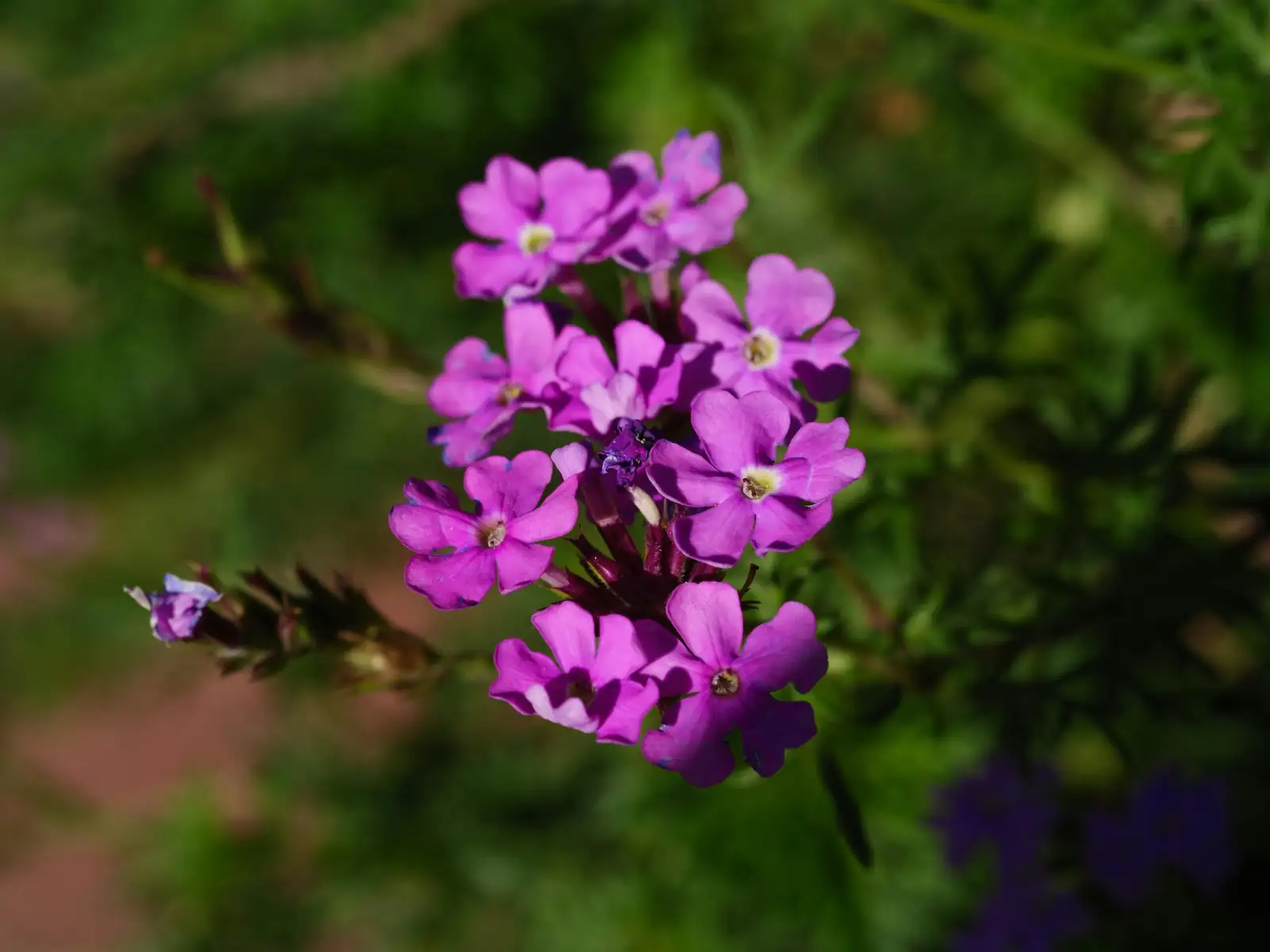
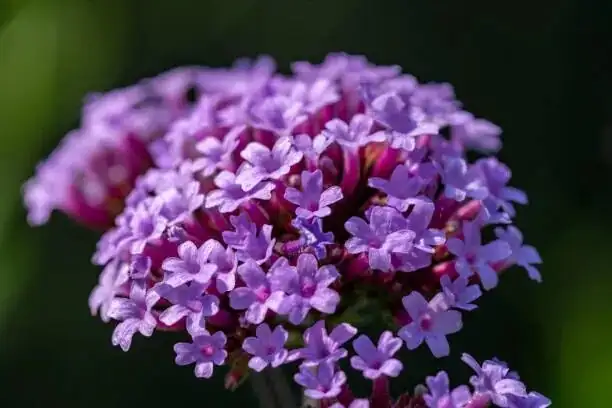
What makes a plant say “we belong together”? With Garden Verbena (Verbena × hybrida), the message is written right into the bloom. Each rounded pom‑pom is actually a crowd of tiny flowers embracing the same stem—no wonder this cheerful balcony favorite came to speak of unity, harmony, and a home that holds everyone close.
Meet Garden Verbena (Verbena × hybrida)
A South American–rooted garden hybrid, Garden Verbena is bred for long, colorful flowering and a compact, sun-loving habit. It thrives on sunny balconies, patios, and in hanging baskets, where it bears rounded clusters of small, vivid blooms from summer into fall. Kept in good light and well‑drained soil—with a little deadheading to refresh the show—it stays dense and floriferous rather than leggy. It’s hard to think of a plant better suited to gathering people outdoors and brightening shared spaces.
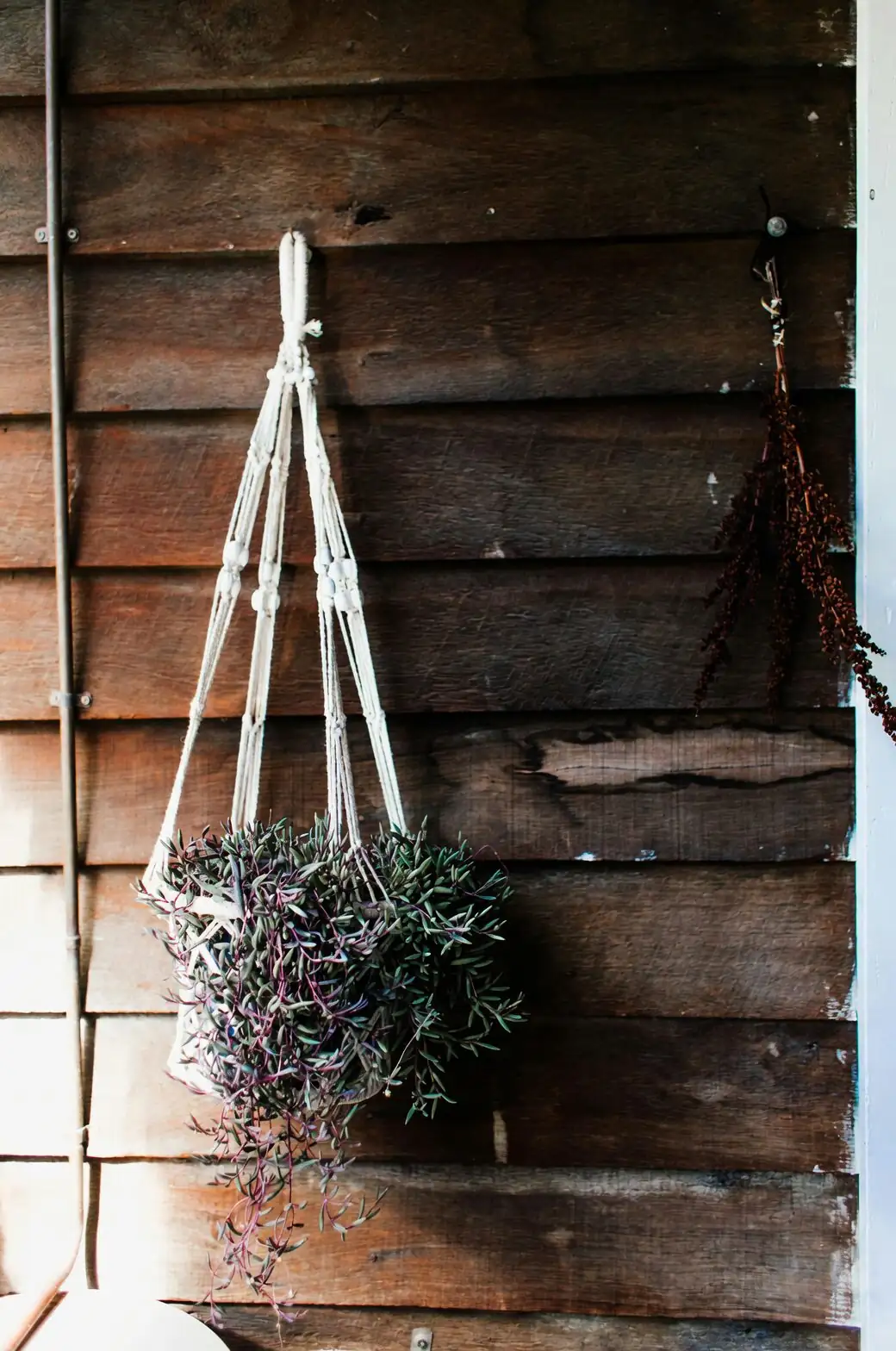
- Growth habit: clumping, branching, gently spreading; typically 15–30 cm tall and 30–60 cm wide
- Colors: white, pink, red, purple, and bicolors (often with a contrasting “eye”)
- Best performance: full sun, airy placement, and excellent drainage
How a Cluster Became a Message: Form Shaping Meaning
Stand over a thriving verbena and you’ll see the metaphor: dozens of florets gathered so tightly they read as one bloom. Mass several plants together in a pot or basket and the effect amplifies—the individual melts into the collective, yet every floret keeps its starry face. This architecture is the visual seed of verbena’s language across cultures: many distinct voices, one harmonious chorus.
Victorian Floriography: The Genus-Level Meaning Takes Root
In the 19th century, Victorians used flowers as a coded vocabulary for emotions and intentions. Verbena, understood at the genus level, carried layered meanings that had circulated for centuries and were distilled in floriography handbooks and popular lore:
- Enchantment and captivation: an elegant way to say “your charms bewitch me”
- Blessing and protection: a wish for someone’s safety and good fortune
- Sacredness and prayer: a long echo of ancient and Christian associations with holy rites
- Constancy and unity: the enduring sense of standing together
Etymology strengthened the aura: “verbena” traces back to a Latin term for sacred boughs used in rituals, reinforcing ideas of sanctity and protective grace. Color nuances sometimes added shading—reds for admiration, pinks for cheerful affection, purples for dignity—though the Victorians themselves were not unanimous and meanings often varied by book and region. Still, the shared, genus-wide resonance of blessing, protection, and togetherness stuck.
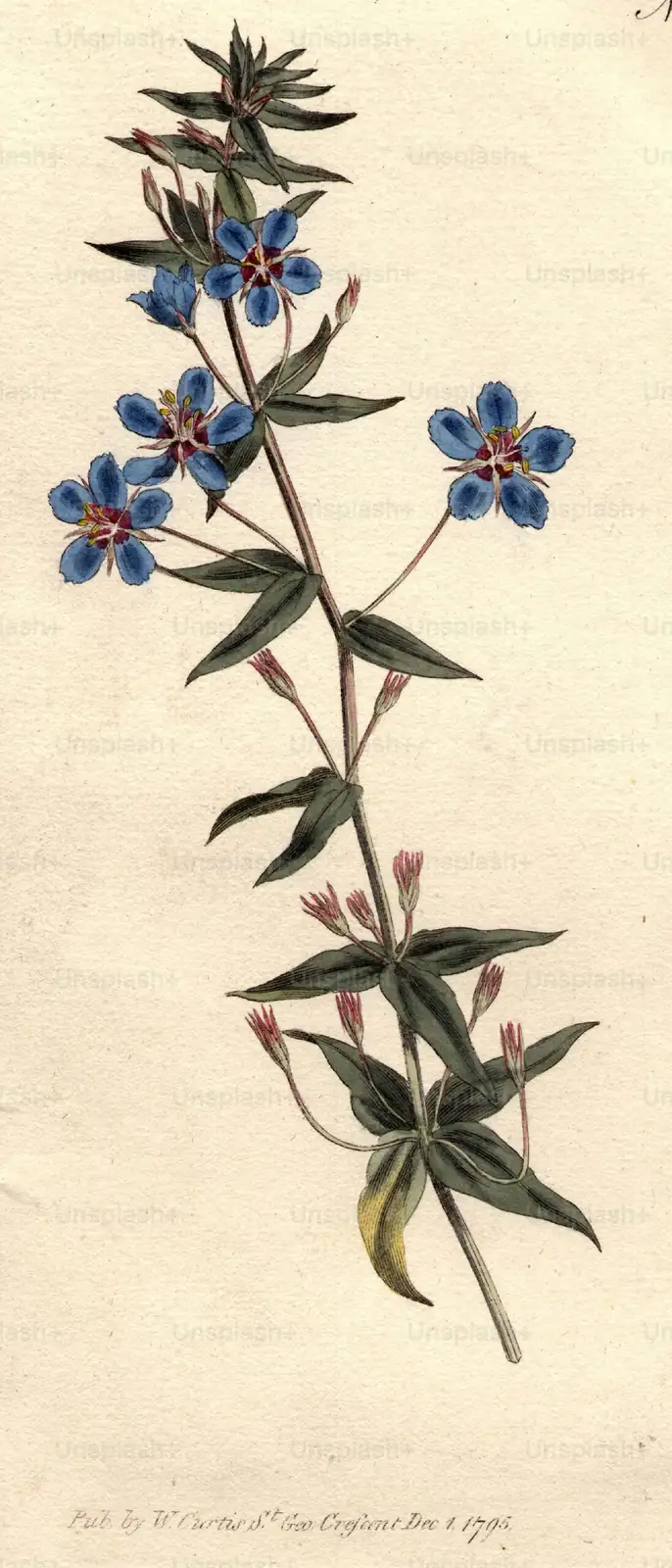
A brief cultural backdrop
Long before parlors traded in floral messages, verbena had a sacred reputation. Folklore tied it to temple purification in the classical world; Christian tradition sometimes called it the “herb of the cross”; and European herbals cast it as a plant of benediction. Floriography didn’t invent these meanings so much as curate and reframe them for polite conversation.
Modern Chinese 花语: Unity and Family Harmony
In contemporary Chinese flower language (花语), Garden Verbena—known commonly as 美女樱—leans decisively into unity and household concord. Two visual cues drive the reading:
- Tight flower clusters: many small blooms pressed into a single sphere suggest kin gathered around the same table
- Massed plantings: planters and baskets brimming with verbena look like friendly neighborhoods—individuals distinct yet moving as one
This makes verbena a natural fit for:
- Housewarmings: a living wish for 和睦 (harmony) as the family settles in
- Wedding décor: edging pathways, filling patio urns, or brightening reception balconies with color-coordinated “crowds” of blooms that symbolize two families joining
- Apartment balconies and shared courtyards: seasonal planters act like gentle banners of togetherness visible from the street and across neighboring rails
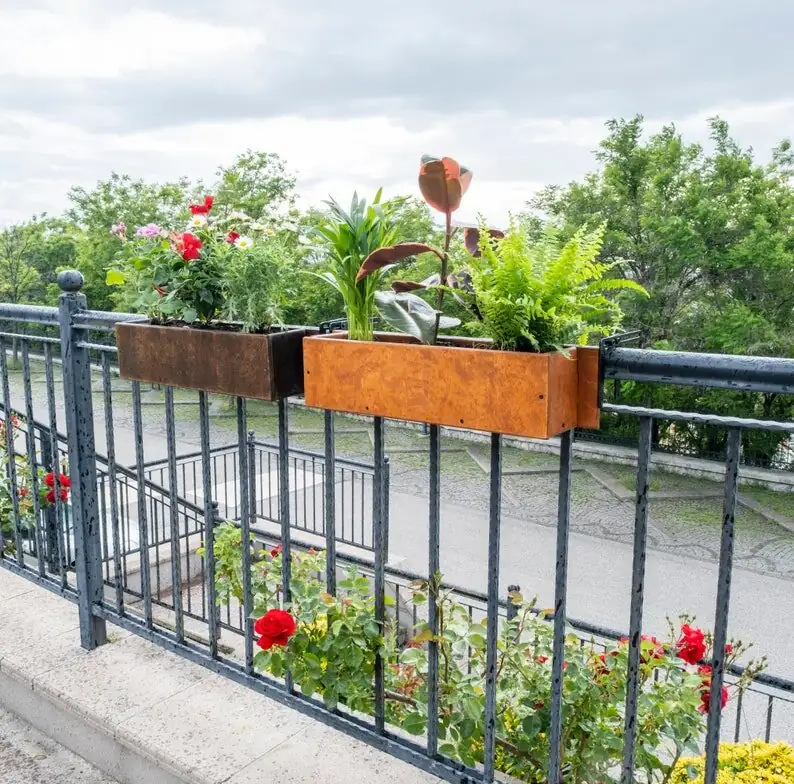
Where Western floriography often emphasized enchantment and blessing alongside unity, modern Chinese interpretations sharpen the focus: the cluster itself is the message, and the message is harmony at home.
Why Balconies and Patio Planters Signal “Togetherness” Today
Urban life has turned the balcony into a stage for community. Garden Verbena excels here for practical and poetic reasons:
- It loves the spotlight: full sun keeps plants compact and bloom-packed, so neighbors see a vibrant, unified tapestry rather than scattered flowers.
- It performs for months: with regular deadheading, color rolls on from summer well into fall—sustained brightness feels like steady companionship.
- It looks best in groups: three plants in a pot or five in a hanging basket create a rounded, communal cushion—each floret visible, all blooms reading as one.
- It invites shared rituals: watering, snipping spent clusters, and reshaping leggy stems become small, repeated acts that keep the “family photo” tidy.
Design tip: combine one color family (say, soft pink with white “eye” types) for quiet cohesion, or mix a triad (red–pink–white) to symbolize multiple generations under one roof.
Cultural Uses You’ll See (and Why They Work)
- Housewarming gifts: compact pots under 20 cm tall settle quickly and burst into clusters—an easy, optimistic wish for a well-knit household.
- Wedding décor: verbena’s domed, starry heads echo the idea of two circles forming one ring; live planters by entrances or down an aisle radiate welcome and unity without overshadowing the couple.
- Seasonal “harmony corners”: on patios or windowsills, two or three verbena planters flanking a doorway subtly frame the home as a shared place.
A Quick Botanical Aside to Keep the Symbol Shining
Symbolism lands best when the plant looks its part. A few care habits keep that message crisp and generous:
- Sun and airflow: aim for 6+ hours of direct light; give plants space so clusters stay dry and mildew is discouraged.
- Drainage first: water thoroughly, then let excess drain—never park pots in saucers of water.
- Deadhead to renew: remove spent clusters to spark new flower waves and keep the “community” looking fresh.
- Pinch and trim: if stems stretch, a light haircut (up to one-third) encourages branching and more rounded, together-looking mounds.
- Sensible caution: no confirmed toxicity details—discourage nibbling by pets or children.
From Sacred Sprigs to Shared Spaces
Across centuries, verbena gathered meanings of sanctity, blessing, and protection; in Victorian parlors, those threads were rewoven into a polite code of captivation and goodwill. Today, on Chinese balconies and in global city courtyards, the plant’s very architecture carries the banner of unity. Verbena × hybrida is a hybrid by heritage and a chorus by design—many florets, many voices, speaking together as one bright home.