

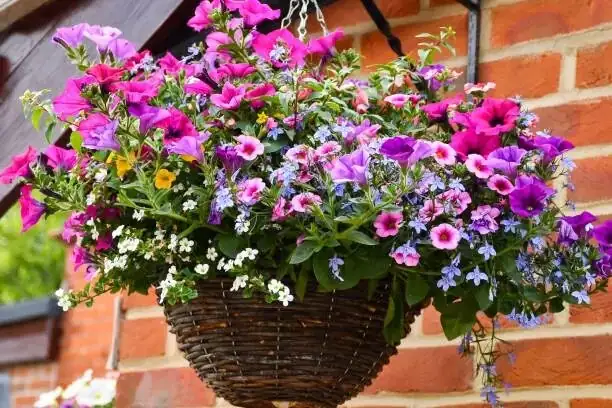
Meet Garden Verbena (Verbena × hybrida): the little plant with big party energy. Think rounded pom‑pom clusters in punchy colors (including those irresistible bicolors with a bright “eye”), months of bloom, and a compact habit that’s perfect for beds, pots, and hanging baskets. Give it sun, keep the soil draining fast, and snip the spent blooms—then watch it rev back up like a headliner doing encores.
H2: Quick ID: the fast‑facts profile
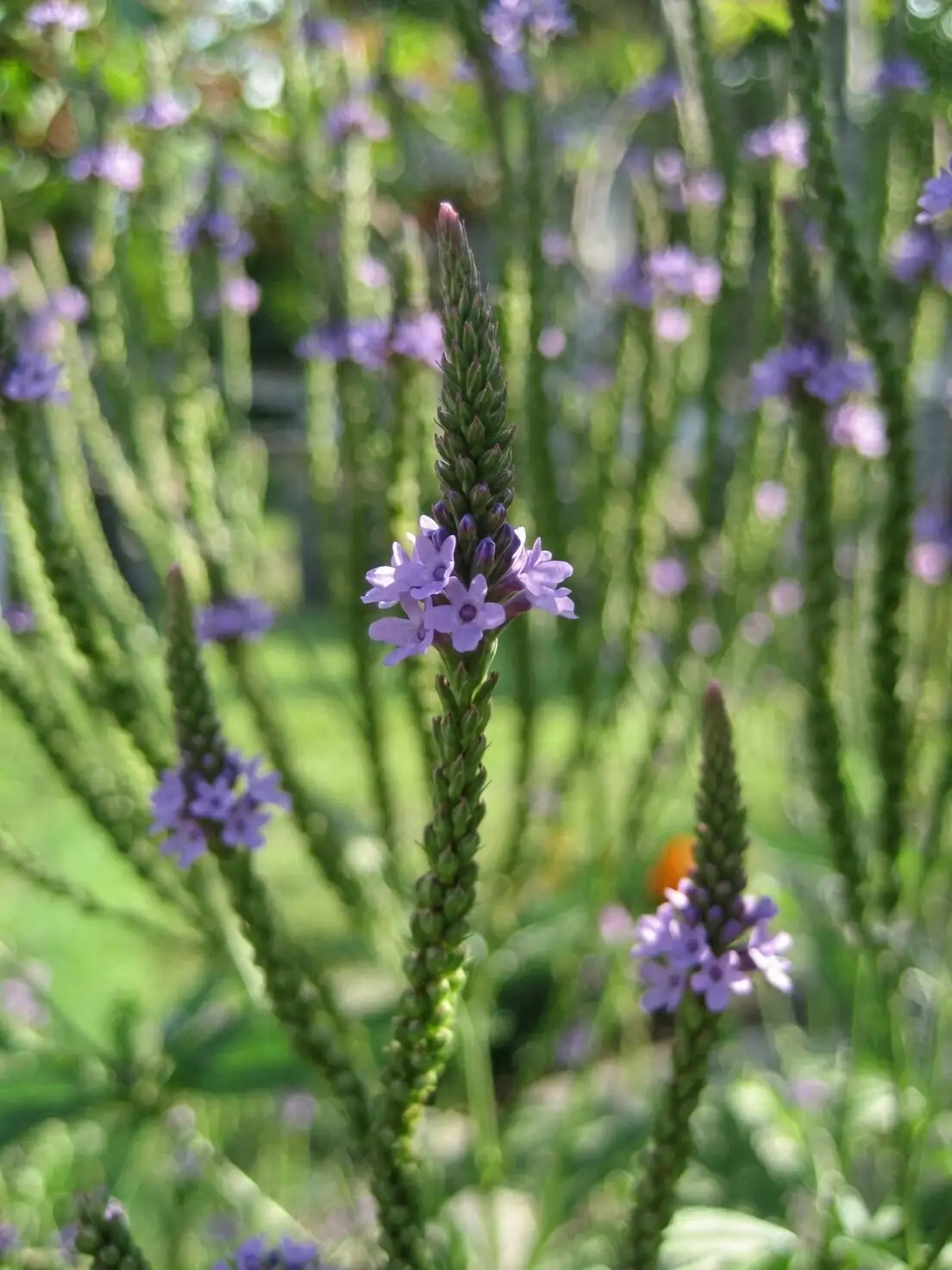
- Botanical name: Verbena × hybrida (Verbenaceae)
- Common names: Garden Verbena, Bedding Verbena, Hybrid Verbena
- Origin story: Bred from South American species (notably Brazil, Peru, Argentina, Chile); a widely cultivated garden hybrid
- Size: 15–30 cm (6–12 in) tall; 30–60 cm (12–24 in) spread; compact pots often stay under 20 cm (8 in)
- Habit: Clump‑forming, branching, gently spreading; can get leggy in low light
- Flowers: Rounded clusters above the foliage; white, pink, red, purple, and snappy bicolors—often with a contrasting “eye”
- Season: Summer through fall (with a bit of simple care)
H2: Sun, heat, and the bloom rhythm
- Full sun is non‑negotiable: 6+ hours daily keeps colors vivid and stems compact.
- Heat pause is normal: Above 30°C (86°F), many cultivars slow flowering. Don’t panic—keep moisture steady (not soggy), continue deadheading, and fresh color returns as temps ease.
- Indoors? Park it on the brightest windowsill to avoid stretch.
H2: Deadheading = turbo bloom
Spent clusters left on the plant say “job done.” Snip them and you flip the switch back to “make more flowers.”
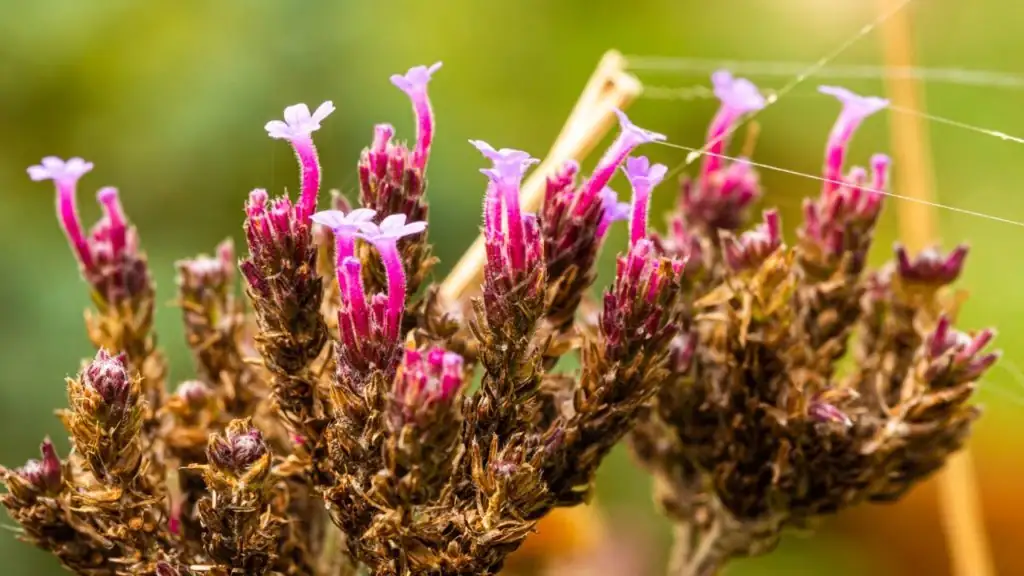
- How: Trim off the entire faded cluster down to a strong leaf node.
- Why it works: You redirect energy into new shoots and another wave of buds—often extending color well into fall.
H2: Light: the anti‑legginess secret
- Symptom check: Long, stretched stems, smaller flowers, and washed‑out color = not enough sun (often plus overly wet soil).
- Quick fix:
- Move to full sun immediately.
- Water only when the surface of the mix dries; never leave pots standing in water.
- Pinch or trim back by 1/3–1/2 to prompt branching and a fuller, flower‑heavy shape.
H2: Watering that works (season by season)
- Spring: About twice a week—keep soil evenly moist, not soggy.
- Summer (peak bloom): Water deeply when the surface dries, then let excess drain. In heat waves >30°C, keep moisture steady (avoid drought‑flood swings).
- Fall: Slightly moist to prolong flowering.
- Winter indoors: Brightest light possible; keep the mix lightly moist (not wet).
H2: Feed and groom for flower power
- Fertilizer: Every ~2 weeks during seedling growth and main bloom with a balanced formula (e.g., 20‑20‑20) at label strength. Go easy on nitrogen—too much pushes leaves over blooms.
- Pinching: When plants hit 10–12 cm (4–5 in), pinch tips on weaker‑branching types to encourage side shoots.
- Reset button: If crowded or lanky, cut back by 1/3–1/2; healthy trimmings make excellent cuttings.
H2: Potting playbook (for beds, pots, and baskets)
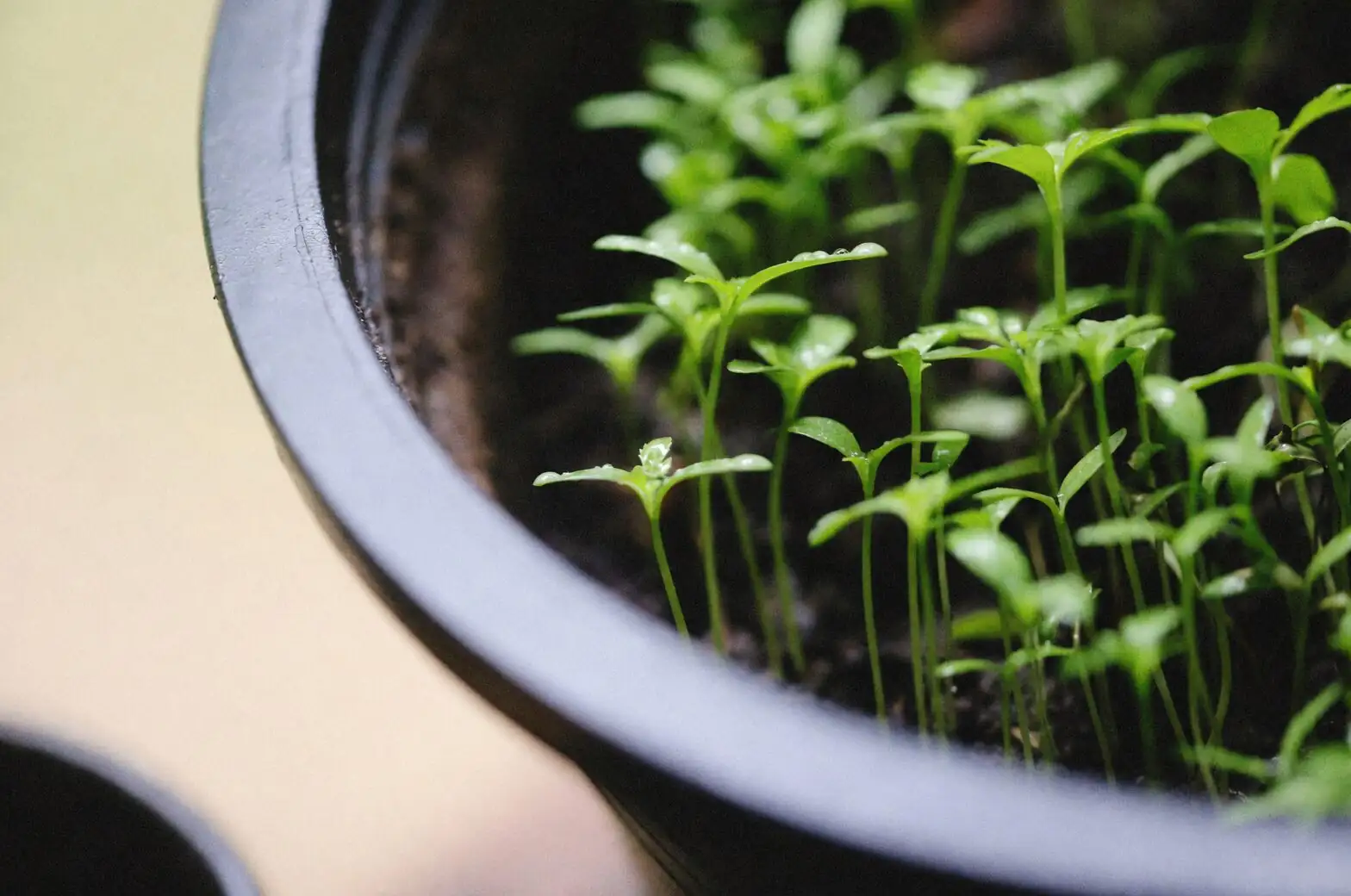
- Soil: Loose, fertile, and sharply drained. A quality potting mix with perlite or coarse sand is ideal.
- Container spacing:
- 12–15 cm (4.7–5.9 in) pots: about 3 seedlings per pot.
- Hanging baskets 20–25 cm (7.9–9.8 in): about 5 seedlings per basket.
- Placement: Sunny, airy spots (balconies, patios, bright windowsills). Keep saucers dry; no waterlogging.
H2: Propagation: seeds or snips—your call

- Cuttings:
- Take soft, non‑woody tips (overlong stems are perfect).
- Root in vermiculite or start in water; pot up after roots form.
- Seed:
- Sow in spring or fall; best germination at 20–22°C (68–72°F).
- Cover lightly (just a thin layer of vermiculite).
- Germination: ~14–20 days; transplant at ~30 days.
- Fall sowings: pot on when seedlings are 7–8 cm (2.8–3.1 in).
H2: Temperature and hardiness notes
- Best growth range: 5–25°C (41–77°F); an ideal near 16°C (61°F) keeps plants compact and budding.
- Cold: Not reliably frost‑hardy. Some cultivars shrug off brief dips to about −5°C (23°F), but protect before hard frost.
- Overwintering aim: Bright light at ~12–16°C (54–61°F). For early indoor flowering, try ~16°C days and ~12°C nights.
- Outdoors, generally treated as an annual or tender perennial; approximate hardiness USDA 9–11.
H2: Health check: airflow wins
- Mildews (powdery and downy) are the usual suspects—especially with stagnant air and wet foliage.
- Prevention: Space plants, ensure airflow, avoid frequent late‑day overhead watering.
- Action: Remove infected parts promptly. For aphids/whiteflies, use insecticidal soap or a labeled pyrethrin/pyrethroid as directed.
- Humidity preference: Evenly moist roots, but leaves don’t love staying wet.
H2: Buy smarter: what a great plant looks like
- A naturally full, branched shape; dense, deep green foliage.
- Buds just opening (not a plant already past peak).
- Compact plants around or under 20 cm (8 in) typically establish faster and stay tidy.
- Want showmanship? Choose bicolors or those with a bold contrasting “eye.”
H2: Trend watch: modern hybrids worth a look
Breeders have dialed up vigor and mildew tolerance in many modern verbena series, with larger clusters and playful bicolors. You still get the best results with full sun, sharp drainage, steady moisture (not soggy), and regular deadheading.
H2: Flower language: why verbena whispers “togetherness”
In Victorian floriography (the old “language of flowers”), clustered blooms often symbolized unity and shared purpose. Garden verbena—famous for its tight, many‑flowered heads—picked up meanings of togetherness and harmony. Today, it’s a go‑to for cheerful “harmony at home” displays: one plant, many flowers singing in chorus.
H2: Fast FAQs
- Flowers paused in the hottest stretch of summer. Normal?
- Yes. Many cultivars slow above 30°C (86°F). Keep moisture steady, continue deadheading, and flowering ramps back up as temperatures drop.
- My plant is leggy with dull blooms. What now?
- Move to full sun, stop keeping the soil constantly wet, and pinch/trim back to encourage branching and stronger color.
- Safe for pets?
- No confirmed toxicity details for this hybrid. As a precaution, discourage nibbling and contact a professional if ingestion or irritation occurs.
H2: 15‑second care checklist
- Sun: Full sun (6+ hours)—more light, more color, less stretch.
- Soil: Loose, fertile, fast‑draining mix; never waterlog.
- Water: Deeply when the surface dries; keep steady in heat waves.
- Feed: Balanced fertilizer every ~2 weeks in main growth/bloom.
- Groom: Deadhead spent clusters; pinch early; cut back if leggy.
- Air: Space plants and avoid wet foliage to dodge mildew.
- Frost: Protect before hard frost; best growth 5–25°C.
H2: Fun facts to finish
- Verbena × hybrida is a horticultural hybrid bred for a long flowering season and a wide color range.
- Deadheading isn’t just tidying—snipping spent clusters can noticeably extend bloom from summer well into fall.
- Those “eye” bicolors? They’re not shy—contrasting centers make clusters pop from across the patio.
Give Verbena × hybrida sun on the face, dry feet, and a quick trim now and then—and it will repay you with wave after wave of color all season.