

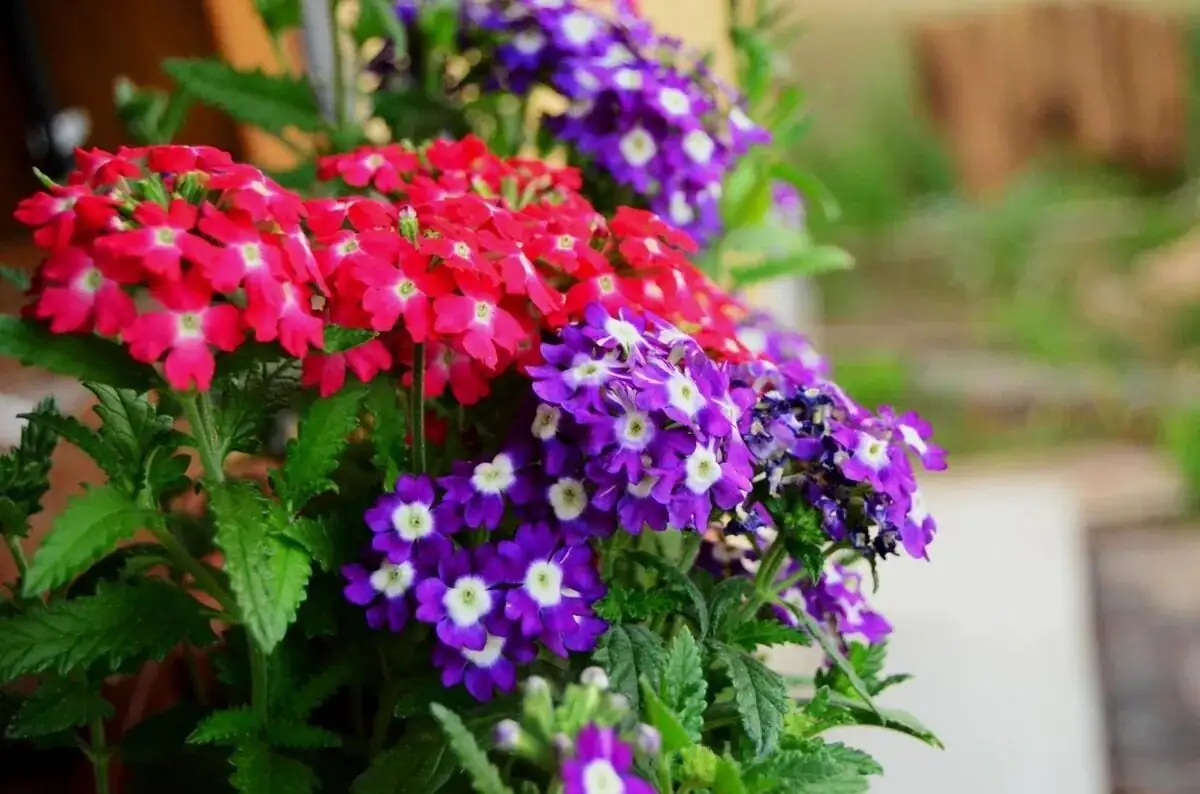
Imagine a sun-drunk confetti machine that never quits—welcome to Garden Verbena (Verbena × hybrida). This compact, color-forward workhorse loves bright light, fast drainage, and a steady rhythm of watering and snipping. Follow this punchy care playbook and you’ll keep your plants dense, floriferous, and mildew-free from summer well into fall.
Quick ID: What you’re growing
- Botanical: Verbena × hybrida (Garden/Bedding/Hybrid Verbena), family Verbenaceae
- Look: Rounded clusters of small blooms in vivid shades (white, pink, red, purple, bicolors), held above a deep-green, leafy mound
- Size: Typically 15–30 cm tall, spreading 30–60 cm; compact pots often kept under 20 cm
- Habit: Clump-forming, branching, gently spreading; can get leggy without sun or pinching
- Bloom window: Summer through fall (deadheading extends the show)
- Origins: South American lineage; now a widely cultivated garden hybrid
The Non‑Negotiables (your verbena “win conditions”)
- Full sun: 6+ hours daily; more is better. Sun keeps plants compact and colors saturated.
- Smart watering: Even moisture during active growth, but never waterlogged. Let excess drain freely.
- Relentless deadheading/pinching: Remove spent clusters; pinch tips early and prune hard if plants stretch.
Set‑Up, Step by Step
1) Choose the sunniest, airiest spot
- Balconies, patios, bright windowsills—where air moves and leaves dry fast.
- Avoid stagnant corners and tight, humid pockets.
2) Mix and container
- Use a loose, fertile, well‑drained potting mix; amend with perlite or coarse sand for extra drainage.
- Pots must have drainage holes; never let them sit in saucers of water.
- Sizing and planting density:
- 12–15 cm diameter pot: ~3 seedlings for a full look
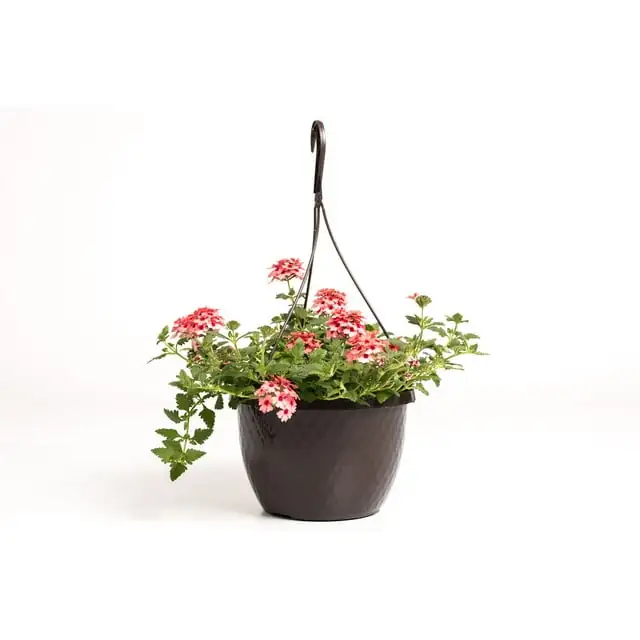
- 20–25 cm hanging basket: ~5 seedlings per basket
- Garden beds: space to allow airflow; don’t crowd—aim for breathing room in line with the 30–60 cm spread.
3) Temperature targets
- Best growth roughly 5–25°C; ideal near 16°C for early indoor bloom.
- Protect from hard frost. In heat above 30°C, flowering can pause—keep moisture steady and air moving.
Watering Playbook (never soggy)
- The rule: Water deeply when the surface just dries, then drain thoroughly.
- Pots and baskets dry faster than beds—check often in hot spells.
- Water early in the day at soil level; keep leaves dry whenever possible.
- No water reservoirs that keep the root zone soaked. Drain saucers promptly.
- Heat plan: When temps surge, avoid “drought-to-flood” swings—aim for consistent, lightly moist roots.
Seasonal watering rhythm (guideline, adjust for your conditions):
- Spring: about twice weekly to keep evenly moist as growth ramps up.
- Summer peak: water when the top layer dries; never leave the pot standing in water.
- Fall: keep slightly moist to stretch the bloom season.
- Winter indoors: brightest light you have; keep the mix lightly moist, not wet.
Feed for flowers, not floppy leaves
- During seedling growth and main bloom, feed every 2 weeks with a balanced fertilizer (e.g., 20‑20‑20) at label rate.
- Avoid heavy nitrogen—too much pushes soft, leafy growth and fewer flowers.
Pinch, Deadhead, Repeat (your bloom multiplier)
- Early pinch: When plants hit 10–12 cm tall, pinch soft tips to trigger branching.
- Deadhead method: Snip entire spent clusters back to the next set of leaves or a side shoot. New stems = new flowers.
- Midseason reset: If plants get leggy or crowded, cut back by 1/3 to 1/2. They rebound quickly with fresh growth and more buds.
- Bonus: Use healthy trimmings as cuttings.
Airflow & Mildew Defense
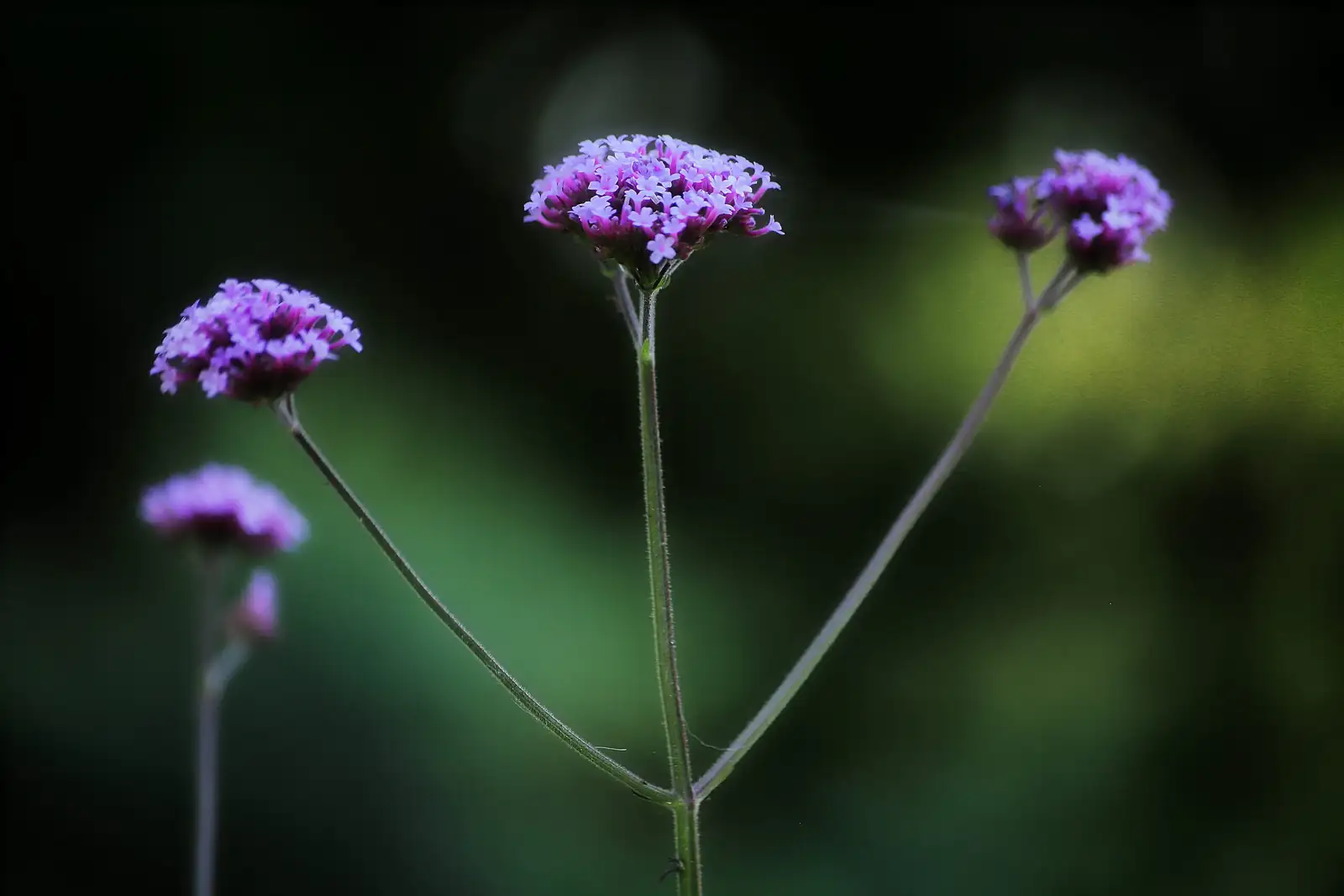
Powdery mildew and downy mildew love stagnant, humid foliage. Your counterattack:
- Space plants so air can move between mounds; avoid pressing baskets into walls or railings.
- Water soil, not leaves—especially avoid late‑day overhead watering.
- Keep the sun high and constant; shade plus humidity invites trouble.
- Remove infected leaves promptly; clean shears between cuts.
- Pests like aphids and whiteflies? Knock back early with insecticidal soap or a labeled pyrethrin/pyrethroid, following directions carefully.
Pro tip: Many modern hybrid series are bred for improved vigor and mildew resistance—still, good airflow is your best insurance.
Containers vs. Beds: Smart Tweaks
- Containers and baskets
- Dry out faster—expect more frequent watering in summer.
- Use a chunky, fast‑draining mix; consider light-colored pots to reduce root heat.
- Rotate pots weekly for even sun and shape.
- Feed on the 2‑week rhythm; check drainage holes aren’t clogged.
- Garden beds
- Focus on drainage—loosen heavy soils and work in grit or perlite.
- Slightly raised positions shed water better and deter rot.
- Use a thin, airy mulch if desired, but keep it off stems to prevent damp collars.
- Maintain open spacing to blunt mildew pressure.
Seasonal Schedule (what to do, when)
- Spring
- Move starts to stronger light; water ~2× weekly as growth accelerates.
- Pinch young tips at 10–12 cm.
- Begin feeding every 2 weeks.
- Sow seed indoors at 20–22°C; germination in ~14–20 days. Transplant after ~30 days.
- Summer
- Full sun; water when the surface dries; drain thoroughly.
- Deadhead relentlessly for rolling waves of bloom.
- Heat above 30°C may slow flowers—keep moisture steady and maximize airflow.
- Tidy and, if needed, shear back by 1/3–1/2 midseason to refresh.
- Fall
- Keep slightly moist to prolong flowering into cooler days.
- Take cuttings from healthy stems for next season.
- Move containers indoors or protect before hard frost.
- Winter (indoors or protected)
- Brightest light available; target ~16°C days and ~12°C nights for earlier flowering.
- Keep soil lightly moist, not wet; avoid crowding to reduce mildew risk.
Propagation, Fast and Simple
- Cuttings
- Take soft, non‑woody shoots (often from overlong stems).
- Root in vermiculite or start in water; pot up after roots form.
- From seed
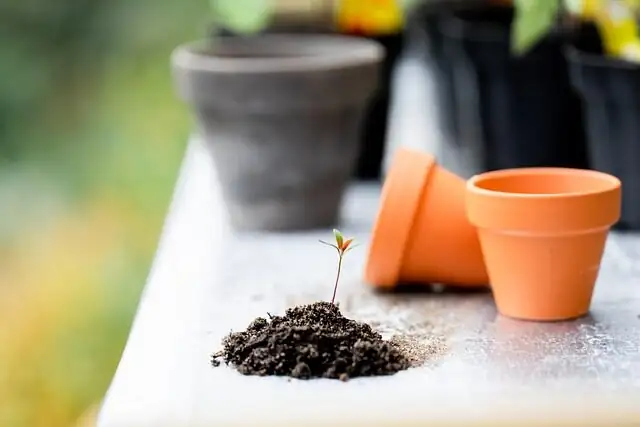
- Sow in spring or fall at 20–22°C; just a thin cover of vermiculite (don’t bury deeply).
- Germinates in ~14–20 days; transplant after ~30 days.
- For fall sowing, pot on when seedlings reach ~7–8 cm.
Repotting & Planting Densities (for that “instant full” look)
- Pots: 12–15 cm diameter, ~3 seedlings per pot.
- Hanging baskets: 20–25 cm diameter, ~5 seedlings per basket.
- Keep the crown at the same depth; firm lightly and water through once, then drain.
Troubleshooting: rapid fixes
- Long, leggy, and dull flowers?
- Move to stronger sun.
- Water only when the surface dries—no constant wetness.
- Pinch or cut back to rebuild a compact framework.
- Mildew showing up?
- Increase airflow, remove infected parts, avoid wet foliage.
- Sanitize tools; consider moving containers to a breezier, sunnier spot.
- Leaves yellowing at the base?
- Check drainage—roots may be sitting wet. Clear saucers, lighten the mix, and ease up on watering frequency.
- Sticky leaves or specks flying up?
- Aphids/whiteflies—treat early with insecticidal soap; repeat per label until clear.
Flower Language: unity with a practical heart
Garden Verbena’s clustered blooms have long been read as symbols of togetherness and unity—many small florets forming one bright sphere. In Western floriography, that “many‑as‑one” structure made verbena a natural emblem for harmony at home. Modern gardeners keep the tradition alive by using it in cheerful, communal displays—window boxes, baskets, and bedding schemes that visually tie spaces (and people) together.
Safety notes
- No confirmed toxicity details here. As a sensible precaution, discourage pets and children from chewing any ornamental plant. If ingestion or irritation occurs, contact a veterinarian or poison control.
Your 10‑Minute Weekly Checklist
- Sun and spin: Confirm 6+ hours of sun; rotate pots a quarter‑turn.
- Water: Check surface dryness; water deeply, then drain.
- Deadhead: Remove every spent cluster you see.
- Pinch/shape: Nip back runaway tips to keep a tight dome.
- Airflow audit: Pull plants a little apart; clear leaves from crowded corners.
- Pest patrol: Flip a few leaves; treat early if you spot sap‑suckers.
- Saucers: Empty standing water.
- Feeding: If it’s a feeding week, apply balanced fertilizer at label rate.
Quick Specs (at a glance)
- Sun: Full sun (6+ hours/day) for best flowering
- Soil: Loose, fertile, well‑drained; potting mix + perlite/sand
- Water: Evenly moist in growth; never waterlogged
- Temps: Best ~5–25°C; protect from hard frost; ideal near 16°C for early bloom
- Hardiness: Generally grown as an annual or tender perennial; approx. USDA 9–11 (varies by cultivar)
Give Verbena × hybrida blazing sun, sharp drainage, and a steady clip‑and‑sip routine, and it will repay you with tight, colorful mounds that flower on and on—no drama, just dazzling.