

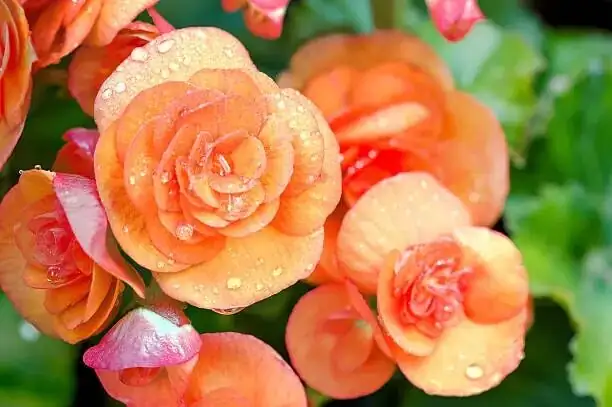
Every summer, gardeners wonder: is a bigger tuber the secret to those plush, camellia-like tuberous begonia blooms? Or can a modest starter still steal the show? Let’s bust a few myths and get practical about choosing Begonia × tuberhybrida tubers that deliver sturdy stems and lavish, double flowers—without wasting money or hope.
Meet Begonia × tuberhybrida, briefly
- A long-bred, garden-origin hybrid prized for big, fully double blooms (sometimes bicolored) that can look like tiny camellias or roses.
- Thrives in bright shade and gentle light; harsh midday sun is a no-go.
- Grows from a plump, fleshy tuber, then naturally dies back after flowering to rest as a dormant tuber you can store and regrow next season.
The tuber truth: why size and firmness matter
What a 2+ cm tuber buys you
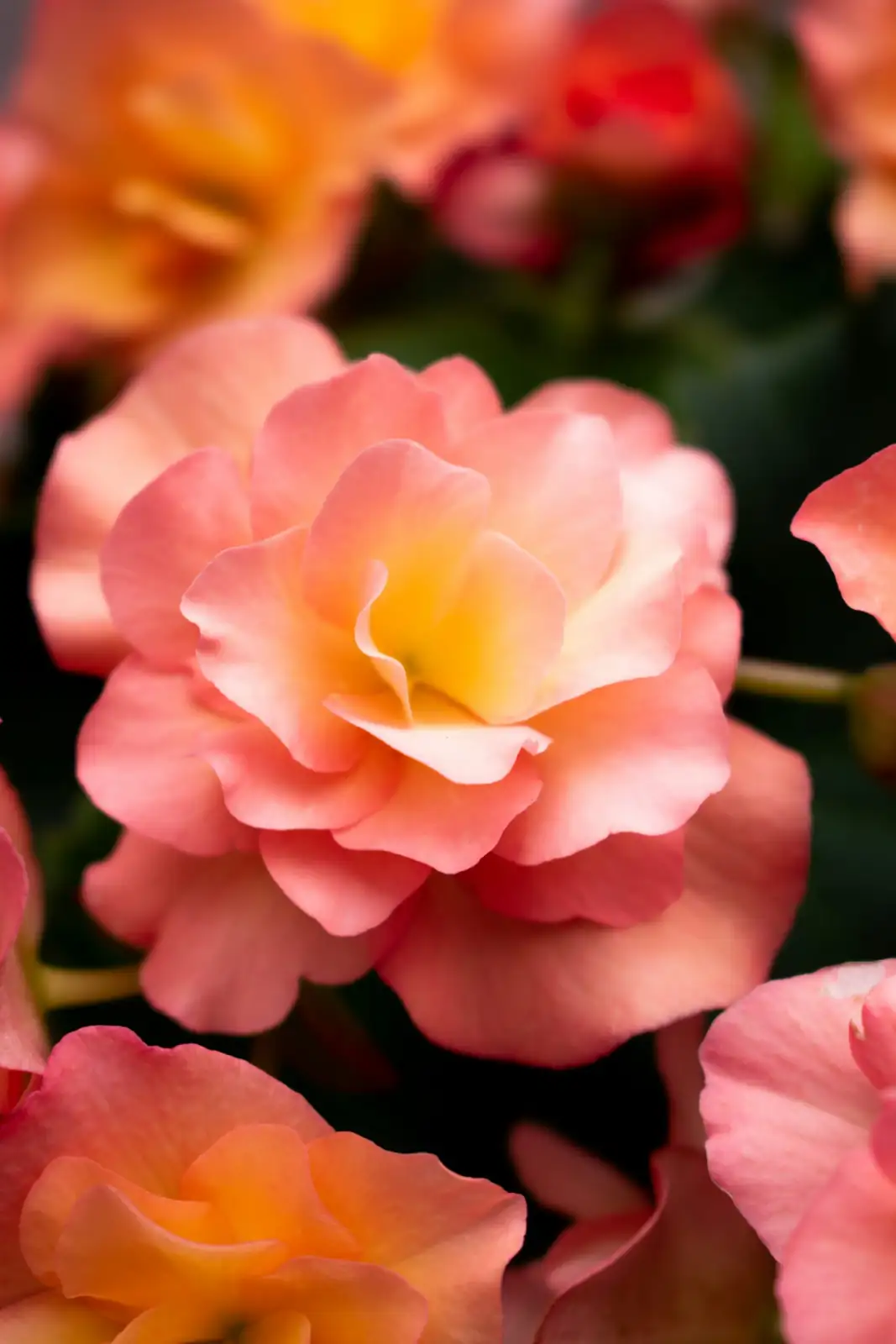
Think of the tuber as a battery. The larger and healthier it is, the more energy it has to push up:
- Thicker, more self-supporting, fleshy stems (less flop, better carriage of those huge blooms).
- More total buds and a steadier succession of flowers.
- The potential for fuller doubles, because the plant has the reserves to build extra petals without stalling.
A reliable benchmark for strong flowering: choose a dormant tuber at least 2 cm (0.8 in) across. It’s a small number with big consequences for vigor.
When a smaller tuber can still stun
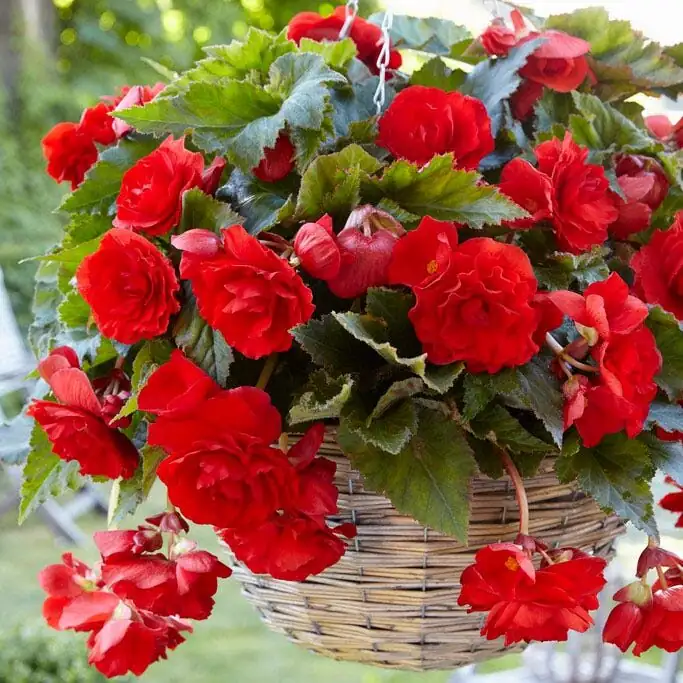
A smaller-but-sound tuber can deliver impressive results when:
- You’re growing compact or pendulous/cascading forms that naturally flower freely on smaller frameworks.
- You start early under steady, cool-bright conditions, letting the plant build reserves before peak bloom.
- You’re planting multiple modest tubers together for an abundant, basket-like effect.
- You dial in care—bright shade, even moisture (never soggy), mild temperatures, regular but not heavy feeding—so no energy is wasted on stress recovery.
Bottom line: size helps, but superb culture can make a “medium” tuber perform like a star.
Myths to compost
- “The biggest tuber always makes the biggest flowers.” Often, but not always. Beyond a healthy baseline, cultivar genetics and growing conditions are equally decisive.
- “A squishy tuber will recover if I just water less.” Softness usually signals rot; most such tubers are not salvageable.
- “Full sun is needed for giant doubles.” Tuberous begonias prefer bright indirect light to partial shade. Strong midday/afternoon sun can scorch leaves and shrink blooms via stress.
How to choose a winning tuber at the store
Your 20-second check
- Size: Aim for at least 2 cm across for robust flowering.
- Firmness: Squeeze gently. It should feel firm and plump, never soft or spongy.
- Shape: Prefer round to flattened-round “pucks.” Irregular, elongated, or deeply shriveled shapes can indicate old stock or poor storage.
- Freshness: Skin should look clean and fresh, not moldy or desiccated. A healthy tuber feels surprisingly weighty for its size.
- Eyes/buds: The top side has a shallow depression (the “cup”). Tiny pink or pale nubs inside that cup signal readiness; long, pale, brittle sprouts suggest it’s been sitting too warm and dark for too long.
- Smell: No sour, musty, or “off” odors.
What to avoid:
- Any soft spots, wet lesions, or visible mold.
- Deep shriveling or cracking.
- Tubers that feel feather-light (often old and dried out).
Buying potted plants instead? Choose compact, sturdy plants with thick stems and plenty of healthy buds.
Planting and priming for big, double blooms
Timing and setup
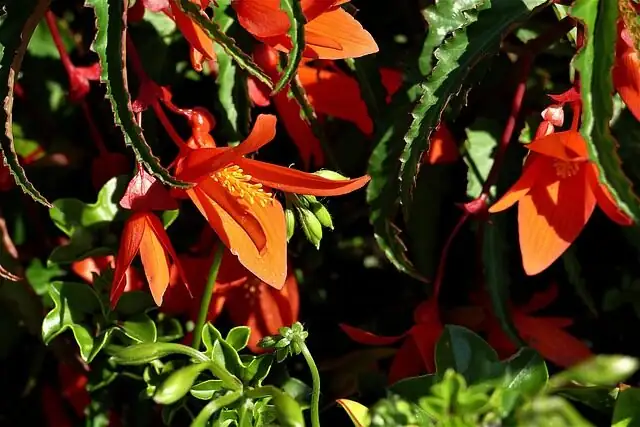
- When: Late winter to early spring is a great window to start tubers indoors.
- Orientation: Plant the tuber cup-side up. Set it shallowly at first—just nestle it into the mix so sprouts get light and air.
Pot, mix, and placement
- Pot: For a flowering plant, a 20–25 cm (8–10 in) pot is a solid, all-purpose size.
- Mix: Rich yet free-draining. A peat- or leaf-mold-based potting mix blended with fertile loam plus coarse sand/perlite works well. Avoid heavy, water-retentive soils.
- Light: Bright indirect light to partial shade; gentle morning sun is fine. Outdoors, give bright shade, airflow, and protection from heavy rain.
Water and feed for flower power
- Water: Keep evenly moist during growth—never waterlogged. Do not let the pot sit in a saucer of water. Protect from pounding rain.
- Feeding: Every 10 days to 2 weeks during active growth with a balanced-to-bloom fertilizer (for example, a diluted organic feed or something like 15-15-30 per label). Ease off as the season winds down.
- Temperature and humidity: Best at 16–21°C (61–70°F). Try to stay above 10°C (50°F) in winter. Prolonged heat above ~32°C (90°F) can cause wilting, bud drop, or collapse. Enjoys 50–70% humidity with good ventilation.
Grooming for stamina
- Deadhead spent blooms and stalks so energy flows to new buds and the tuber’s reserves.
- If stems sprawl or get leggy in low light, cutting back by about half can encourage sturdier regrowth—assuming the tuber is healthy.
Culture can rival tuber size: keep stress down, blooms up
- Heat stress shrinks flowers and triggers bud drop. Move to cooler, airy shade during hot spells.
- Soggy mix weakens stems and invites rot; drought swings cause limp, collapsing growth. Aim for that “evenly moist” sweet spot.
- Wind and heavy rain batter petals and stems. Shelter and airflow are your friends.
In other words: a firm, 2+ cm tuber sets the stage; consistent, gentle conditions direct the show.
After the show: dormancy and storage
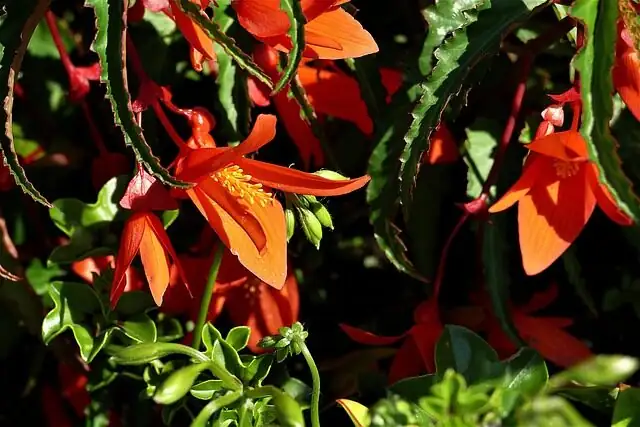
- As flowering eases in late summer to autumn, reduce feeding and watering.
- When leaves yellow and die back, stop regular watering. Lift the tuber, let it dry slightly, then store in a cool, dry place, above 10°C (50°F). Replant next season for an encore.
Quick troubleshooting and safety
- Rot and collapse: Usually from excess moisture and poor drainage. Improve the mix, never let pots stand in water, increase airflow, and promptly remove any rotting tissue. Badly rotted tubers are often not salvageable.
- Common pests: Scale, aphids, thrips, and leaf-rolling caterpillars. Isolate, wash, and use insecticidal soap or horticultural oil as needed.
- Pet safety: Begonias are commonly considered toxic to pets (tubers are the most problematic). Keep away from curious cats and dogs, and seek veterinary advice if ingestion is suspected.
- Hardiness: Frost-tender. Grow as a seasonal plant or overwinter stored tubers. Outdoors year-round only in warm climates (roughly USDA Zone 10–11).
A note on meaning: what do tuberous begonias symbolize?
Tuberous begonias are often linked with affection and tender feelings—sometimes even the wistfulness of unrequited love. This symbolism comes from 19th‑century floriography traditions rather than any botanical trait. If you enjoy “flower language,” take it as a poetic layer: these lush, double blooms can be a gentle way to say “you move me,” whether or not the feeling is returned.
The take-home
- Do choose firm, fresh, 2+ cm tubers for strong stems and the best chance at sumptuous doubles.
- Don’t write off smaller tubers; with a supportive environment, they can still put on a dazzling, flower-rich performance.
- Do prioritize bright shade, even moisture, and cool, steady conditions. Culture can elevate any good tuber into a great plant.
Pick your tubers with a practiced squeeze, grow them with a light hand, and let Begonia × tuberhybrida turn your shaded spaces into a season-long, velvety bloom parade.