

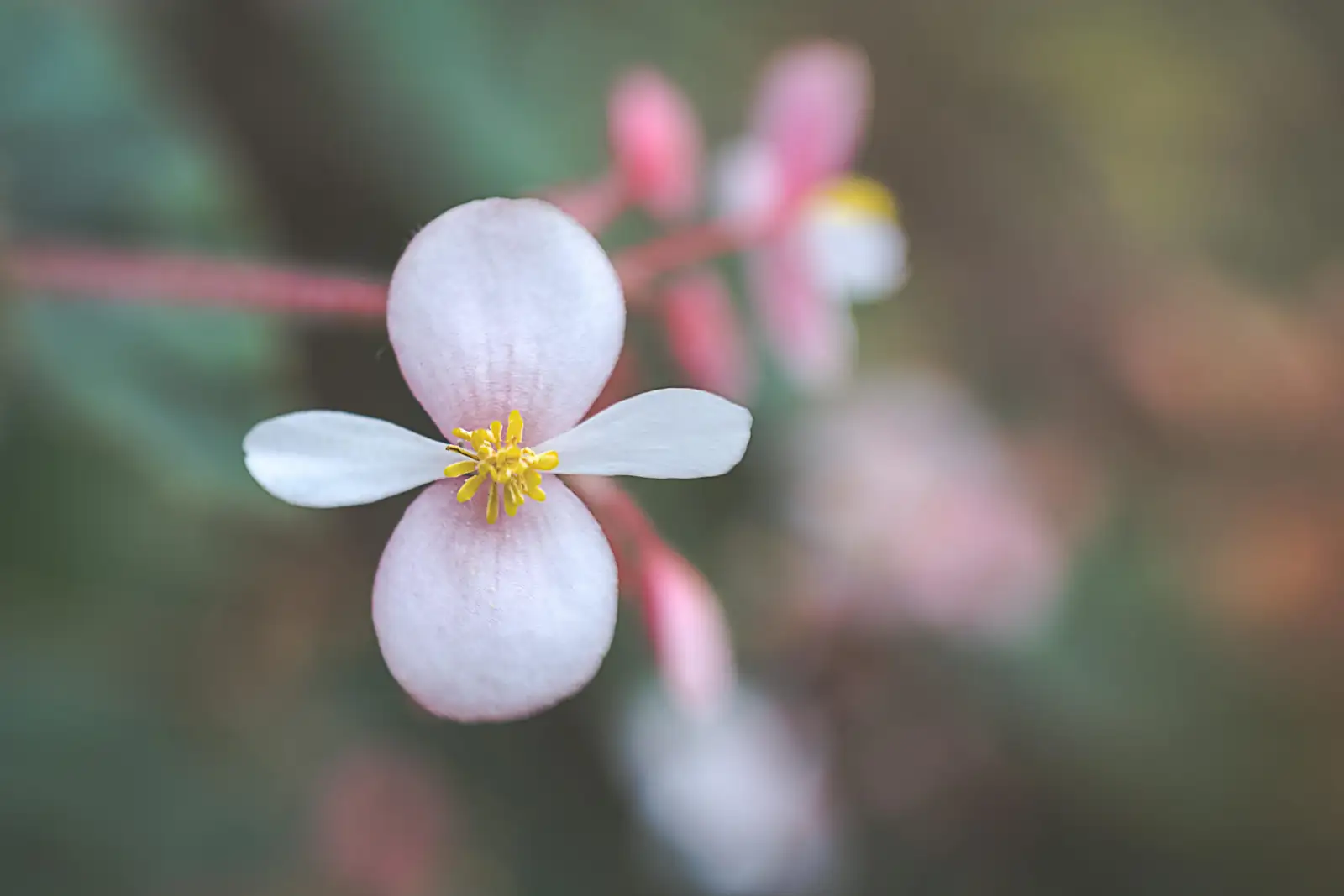
Imagine a shady container that glows—rose-like blooms hovering above a soft canopy, with feathery trails and painterly foliage swirling around them. That’s the magic of Begonia × tuberhybrida (Tuberous Begonia) when you choose allies that keep it healthy: companions that welcome airflow, thrive in bright shade, and never force soggy soil. Here’s how to build those mixed containers so your diva begonia dazzles through spring and summer, then rests as a plump tuber ready for next year.
H2: Meet the star: Begonia × tuberhybrida, built for bright shade
- Light: Bright indirect light to partial shade; gentle morning sun is fine. Avoid strong midday and afternoon sun that can scorch blooms and foliage.
- Temperature: Happiest at 16–21°C (61–70°F). Above ~32°C (90°F) plants may wilt or drop buds; below 10°C (50°F) risks cold damage.
- Humidity and airflow: Moderate to high humidity (around 50–70%) plus ventilation. Stagnant, damp air invites mildew and rot.
- Water: Evenly moist, never soggy. Do not let containers sit in water; protect from heavy rain.
- Soil: Rich yet free-draining potting mix—think peat- or leaf-mold-based medium blended with fertile loam and plenty of coarse sand or perlite.
- Growth rhythm: After a big bloom season, growth naturally winds down; stems die back and the plant rests as a dormant tuber you can store and regrow next season.
- Pot sizing: A single flowering plant thrives in a 20–25 cm (8–10 in) pot. For mixed containers, go larger to preserve airflow.
H2: The container formula: drainage-first mix and smart hardware
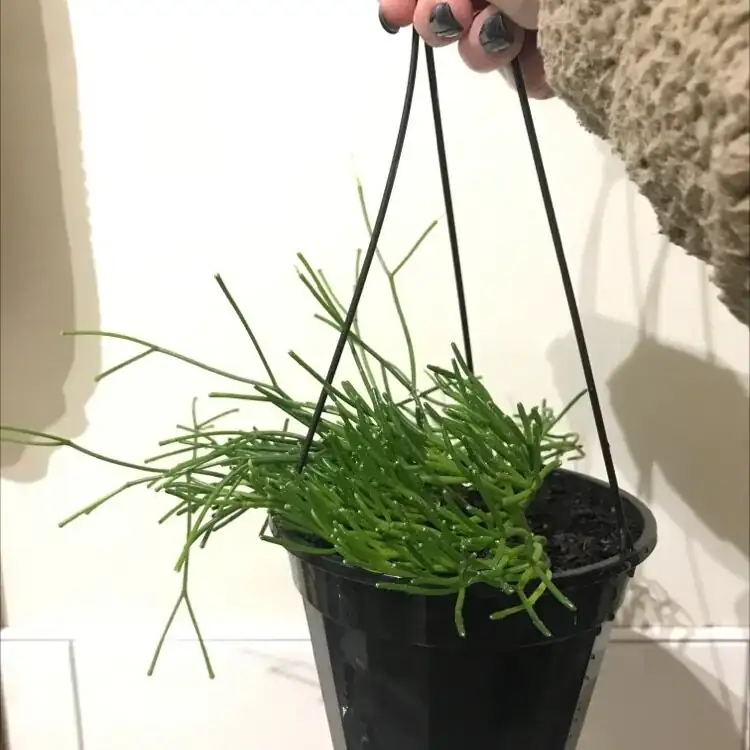
- The mix (by volume):
- 40% peat or leaf mold
- 30% high-quality potting loam
- 20% coarse perlite or pumice
- 10% coarse sand; a small handful of fine orchid bark is optional for extra porosity
- Why it works: Tuberous begonias need moisture but resent wet feet. Coarse particles create air pockets around the tuber and roots, slashing rot risk.
- Pot choice:
- Use a 30–35 cm (12–14 in) container for one begonia plus companions.
- Ensure generous drainage holes; add pot feet to lift the base clear of puddles.
- Skip saucers that hold water under summer rain. If you must use one, empty promptly.
H2: Air, space, and shade: the anti-rot layout
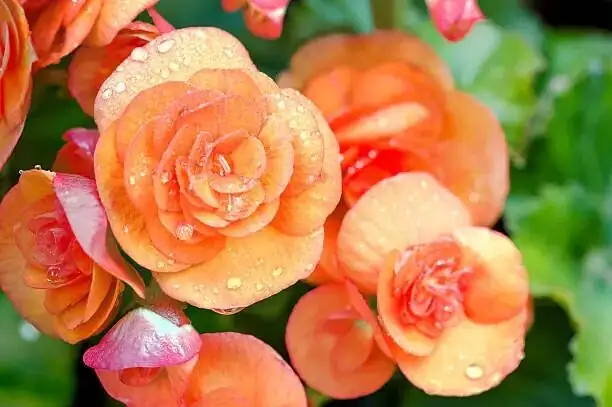
Give the begonia breathing room so residual moisture can escape after watering or a humid spell.
- Spacing in a 30–35 cm (12–14 in) bowl:
- 1 center or slightly off-center begonia
- 3–5 companions around the rim
- Keep 8–10 cm (3–4 in) of open space between the begonia’s crown and its neighbors.
- Avoid companions that arch over and smother blooms—trim or pinch to keep an airy canopy.
- Vertical choreography:
- Begonia upright in the “spotlight”
- Airy fillers beside it
- Trailers at the rim so foliage flows outward, not over the begonia
H2: Companions that make begonias better
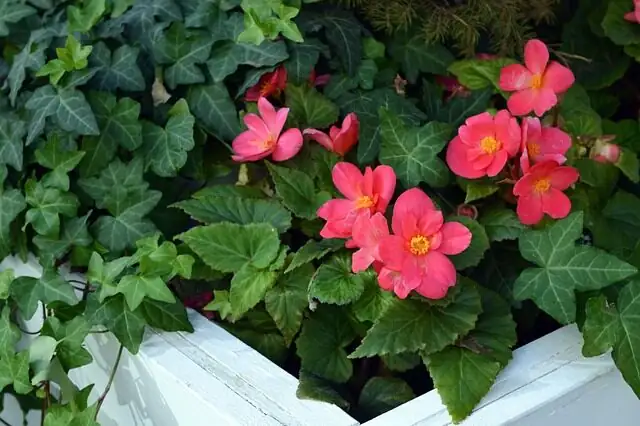
Choose shade-tolerant, airflow-friendly partners that enjoy evenly moist—but not saturated—mixes.
H3: Top picks
- Fuchsias (upright or trailing)
- Match the begonia’s taste for bright shade and coolish temps.
- Loose branching and pendulous blooms allow good air movement. Lightly pinch for a more open framework.
- Coleus (compact varieties)
- Big color from foliage without demanding wet soil. Pinch to prevent towering shade and to keep air flowing around begonia stems.
- Trailing lobelia (Lobelia erinus)
- Lacy habit that skirts the rim instead of blanketing the crown. Best in cooler conditions; trim lightly if it sprawls over the begonia.
- Also excellent: Torenia (wishbone flower), heuchera (as a small, well-drained foliage accent), and small-scale ivy (sparingly, and kept trimmed).
H3: Companions to skip (or treat with caution)
- Bog-lovers or “always-wet” plants that push you to overwater: papyrus (Cyperus), calla lily, or moisture-craving liners that slump without constant saturation.
- Dense, mat-formers that trap humidity on the begonia’s stems: vigorous creeping Jenny (Lysimachia) or any rampant trailer left untrimmed.
- Thirsty, bulky neighbors that shade the crown and block airflow: oversized caladium or giant coleus unless frequently pinched.
H2: Shelter from pounding rain (and fierce heat)
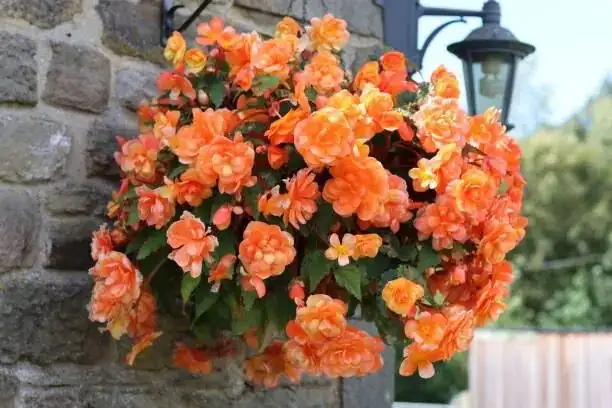
- Placement: Set containers under an awning, covered porch, balcony overhang, pergola slats, or leaf-filtered tree shade where rain is softened and midday sun is screened.
- Before storms: Move pots to shelter or clip on a clear rain shield. Heavy rain shreds flowers and waterlogs the mix—prime conditions for rot.
- Heat waves: Shift containers deeper into shade, increase airflow, and water in the morning with room-temperature water. If top growth collapses in extreme heat but the tuber stays firm, let it rest; you can restart it later.
H2: Watering and feeding in mixed containers
- Watering rhythm:
- As a baseline, water about once per week during active growth, adjusting to weather, pot size, and airflow.
- Water the mix, not the blooms; aim for even moisture and let the top centimeter (½ inch) dry slightly between waterings.
- Never let the pot stand in water; empty saucers and protect from downpours.
- Feeding:
- Every 10–14 days during active growth with a balanced-to-bloom fertilizer (for example, a bloom formula such as 15-15-30 used per label).
- Ease off as flowering slows toward late summer and the plant prepares to rest.
H2: Three foolproof container blueprints
- Bright-shade balcony bowl (35 cm/14 in)
- Center: 1 tuberous begonia
- Rim: 2 compact coleus opposite each other + 2 trailing lobelias
- Spacing: 8–10 cm (3–4 in) between crowns; trailers planted at the lip
- Care note: Pinch coleus tips monthly; sheer lobelia if it sprawls over the begonia
- Hanging basket in filtered light (30 cm/12 in)
- Center: 1 begonia (upright or lightly trailing type)
- Around: 3 fuchsias, spaced evenly, lightly pinched for an open habit
- Edge: 2 trailing lobelias to finish the skirt
- Care note: Basket positions are rain-prone—move under cover before storms
- Porch planter for long bloom (40 cm/16 in)
- Back: 1 begonia set slightly off-center
- Middle: 2 torenia for a loose, airy filler
- Front: 2 heuchera for foliage pop + 1 trailing lobelia
- Care note: Keep the begonia’s crown free of overhang; trim torenia monthly
H2: Routine grooming that pays off
- Deadhead: Remove spent flowers and stalks promptly to keep the display tidy and to help the tuber store energy.
- Strategic trims: In rainy spells or if growth goes leggy, cut begonia stems back by about half to encourage sturdier regrowth (as long as the tuber is healthy).
- Companion upkeep: Pinch coleus regularly; shear lobelia lightly; keep trailers from smothering the begonia’s base.
H2: Dormancy and the easy save for next year
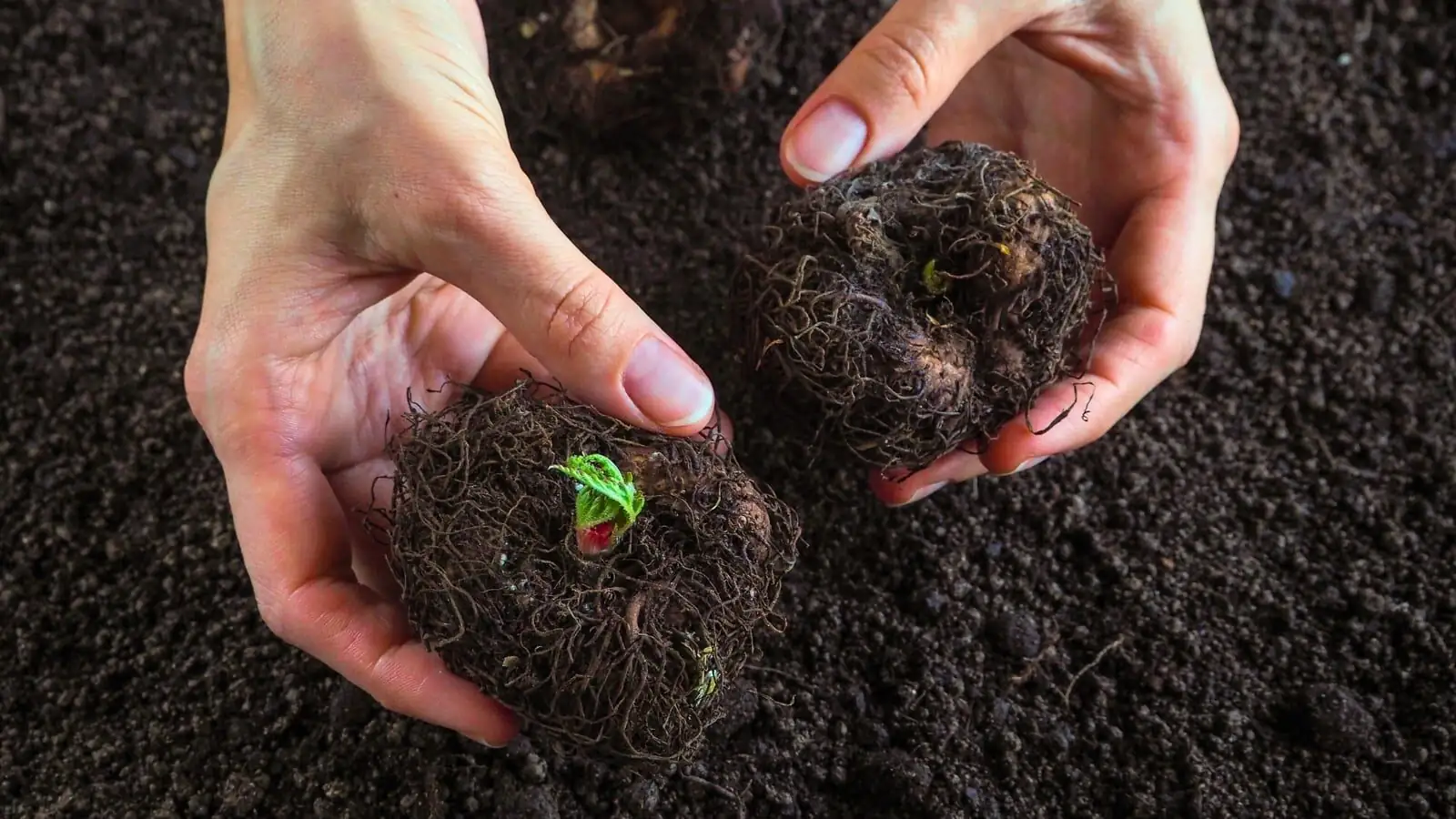
- As blooms fade late season, reduce feeding and watering gradually.
- Once leaves yellow and die back, stop regular watering.
- Lift the tuber, let it dry slightly, and store in a cool, dry place above 10°C (50°F). Replant or restart next spring.
- Outdoors year-round only in warm climates roughly USDA Zones 10–11; elsewhere, treat as seasonal or store tubers.
H2: Troubleshooting in mixed pots
- Soft stems, sour smell, or collapsing crowns: Usually rot from soggy mix or poor airflow. Improve drainage, space plants, and remove affected tissue promptly. Badly rotted tubers may not be salvageable.
- Wilting midday despite moist soil: Heat stress. Move to deeper shade with airflow; avoid hot afternoon sun.
- Pests: Watch for aphids, thrips, scale, or leaf-rolling caterpillars. Isolate, rinse foliage, and use insecticidal soap or horticultural oil as needed—treat companions too.
- Bud drop after a heat spike: Common when temperatures exceed ~32°C (90°F). Provide cooler, shaded conditions and steady, not excessive, moisture.
H2: Quick seasonal playbook
- Spring: Restart growth; increase light and watering gradually; begin feeding.
- Summer: Bright shade with airflow; keep evenly moist; shield from heat and heavy rain.
- Late summer to autumn: Reduce feeding and water as flowering winds down.
- Autumn to winter: Let die back; lift and store tubers dry and cool (but above 10°C/50°F).
H2: Safety note
Begonias are commonly considered toxic to pets (tubers are the most problematic). Keep containers out of reach of cats, dogs, and curious children; seek veterinary/medical advice if ingestion is suspected.
H2: A small note on symbolism
Tuberous begonias are often linked with tender affection—sometimes the quiet, unspoken kind. That association grew from the plant’s soft, luminous blooms brightening shaded spaces, a gentle counterpoint to showier sun plants. Enjoy the sentiment—but let the symbolism stay secondary to good culture: bright shade, free-draining mix, and companions that breathe.
H2: The big idea, distilled
- Pick partners that like bright shade and even moisture—but not wet feet.
- Build an airy, free-draining substrate and use a roomy pot with real drainage.
- Give the begonia personal space, protect it from pounding rain, and keep the crown unsmothered.
Do that, and your mixed containers won’t just look exquisite—they’ll keep your tuberous begonia healthy, blooming, and ready to come back for an encore next year.