

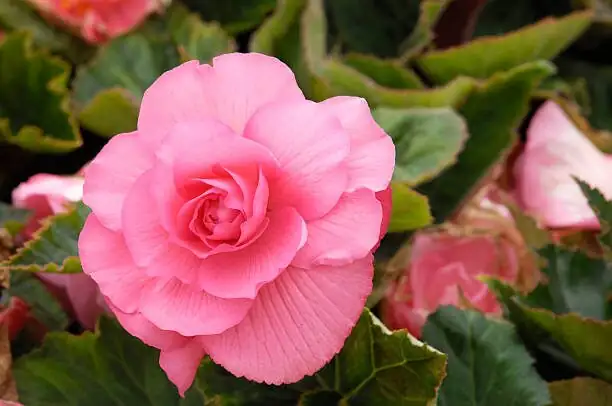
In the half-light where theater meets garden, the tuberous begonia stages one of horticulture’s most glamorous shows: ruffled, rose-like blossoms floating above lush, asymmetrical leaves. Yet behind that soft-focus beauty lies a surprisingly complex message. In Victorian floriography it whispered, “Caution” or “Beware,” while modern East Asian 花语 often leans toward tender affection—even the ache of unrequited love. How did one shade-loving diva end up speaking two languages of the heart? Let’s unspool the story, then translate it into thoughtful gift-giving and feng shui ideas that honor both culture and plant.
Meet Begonia × tuberhybrida, the shade-loving showstopper
- What it is: A cultivated hybrid (not a wild species) from the Begonia genus, family Begoniaceae—often called Tuberous Begonia, Tuberhybrida Begonia, or Camellia-Flowered Begonia.
- The look: Big, ornamental blooms—frequently fully double and sometimes two-toned—that can mimic small roses or camellias.
- Best season: Spring into summer, depending on cultivar and conditions.
- Personality: Loves bright shade and gentle light; dislikes harsh sun, pounding rain, and extremes of heat or cold.
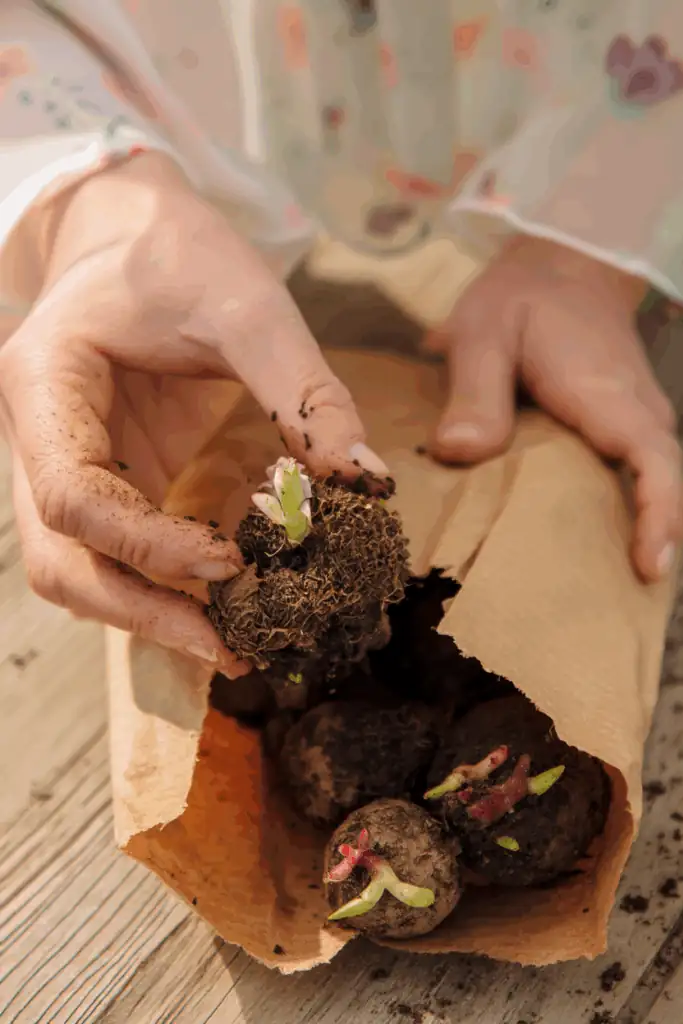
- Secret rhythm: It grows from a plump tuber, then naturally dies back and rests as a dormant tuber after flowering—ready to perform again next season.
Care clues for the curious:
- Light: Bright indirect light to partial shade; soft morning sun is fine. Avoid strong midday/afternoon sun.
- Moisture: Evenly moist, never soggy. Excellent drainage is nonnegotiable.
- Climate comfort: 16–21°C (61–70°F) is ideal; protect from heat spikes above ~32°C (90°F) and keep above 10°C (50°F) in winter.
- Habit: A seasonal clump grower with fleshy, upright stems; it disappears to a tuber for dormancy.
How a single flower came to mean both “beware” and “tender love”
Victorian floriography: the era of elegant side-eye
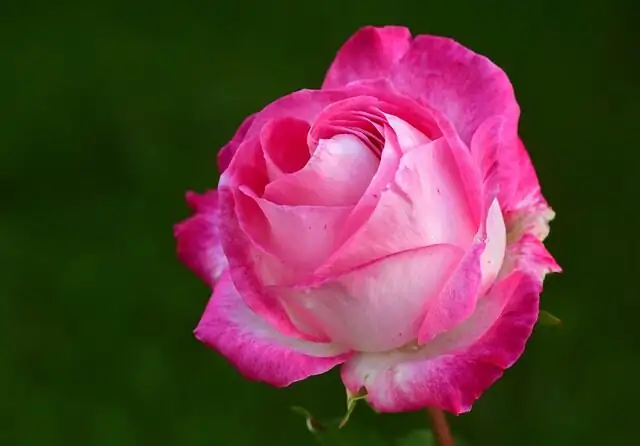
Nineteenth-century “language of flowers” manuals turned bouquets into discreet dialogues. In several of these widely read guides (for example, late 19th-century compendia such as Kate Greenaway’s), Begonia was coded as a warning—“Beware” or “Caution.” Why?
- Fragility under stress: Those opulent, many-petalled flowers bruise or shatter in heavy rain and wilt in harsh sun—beauty that says, “Handle with care.”
- Temperamental needs: Overwater and the tuber rots; blast it with heat and it can collapse. The plant is a quiet lesson in restraint and prudence.
- Toxic tubers: Begonias are commonly considered toxic to pets (especially the tuber), adding another layer to “proceed carefully.”
In a courtship culture fluent in nuance, gifting a begonia could signal: “Slow down,” “Think twice,” or “Protect yourself.”
East Asian 花语: tenderness, longing, and a caring warning
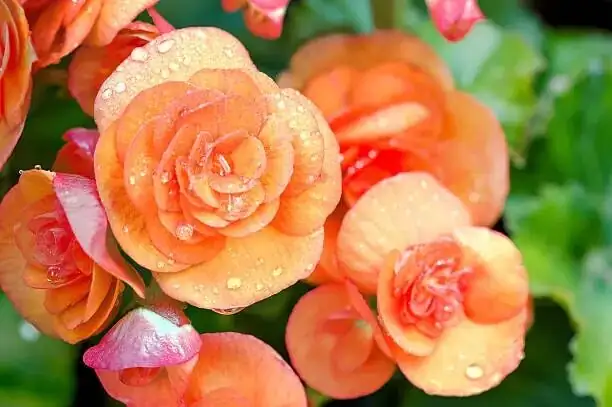
Unlike Victorian England, Chinese-speaking cultures don’t have a single, official floriography canon. Instead, meanings circulate through poetry, art, folk usage, and contemporary cultural guides. Within this living tradition, the begonia (秋海棠; specifically for tuberous forms, 球根秋海棠) often carries themes of:
- Tender affection and soft-hearted care
- Love tinged with distance or longing—unrequited feelings
- Protective attention—a “gentle warning” born of concern
A quick cultural note: In Chinese, 海棠 alone commonly refers to flowering crabapple, while 秋海棠 refers to Begonia. Today’s 花语 for 秋海棠 embraces the tender, slightly melancholic mood many people feel seeing such delicate blooms thriving in shade.
Why the meanings fit the plant so well
- Shade-loving intimacy: It glows in bright shade rather than basking in full sun—a visual metaphor for quiet, private emotions.
- Drama with delicacy: Double, camellia-like blooms suggest romantic intensity; their vulnerability hints at love’s fragility.
- Rhythm of retreat: After its show, the plant dies back to a tuber—a seasonal withdrawal that mirrors longing or the pause between chapters of love.
- Boundaries matter: Thrive requires balance—light but not glare, moisture but not sogginess—echoing the care and caution healthy relationships need.
Gifting tuberous begonias with cultural fluency
When a begonia is the right love letter
- Blooming affection: For a budding romance or a long, tender friendship, a pink or peach tuberous begonia reads as warm and thoughtful without overwhelming intensity.
- Unspoken or distant love: Its shade-lit elegance suits heartfelt, slightly wistful sentiments—perfect for long-distance pairs.
- “Take care” energy: As a get-well or milestone gift, it can convey concern and protective warmth. (Check etiquette: potted plants aren’t ideal for some hospital wards.)
Color cues (and cultural context)
- Pink/peach: Gentleness, affection, and harmony—versatile and gracious.
- White: Sincerity and remembrance; in many East Asian contexts, white can suggest mourning, so include a kind note to set the tone.
- Red: Passionate but bold; soften with greenery if you want to keep the message tender.
- Bicolors: Flirtatious and festive—lovely for celebrations where joy is the headline.
The card that clarifies the code
Because “begonia = beware” still lingers in some traditions (including parts of Japan and in Victorian-influenced Western symbolism), include a short note:
- “For your gentle heart—may this begonia brighten the shade and remind you you’re cherished.”
- “A little color for your quiet moments—tender thoughts from me to you.”
A practical kindness: add a mini care note
- Bright, indirect light; avoid strong midday sun.
- Keep evenly moist; never let the pot sit in water.
- Protect blooms from heat waves and heavy rain.
- After flowering, it may rest—yellowing leaves are normal. Let the plant die back and save the tuber for next season.
- Pet households: Keep out of reach; begonias can be toxic if chewed.
Feng shui placement ideas (with plant-care reality checks)
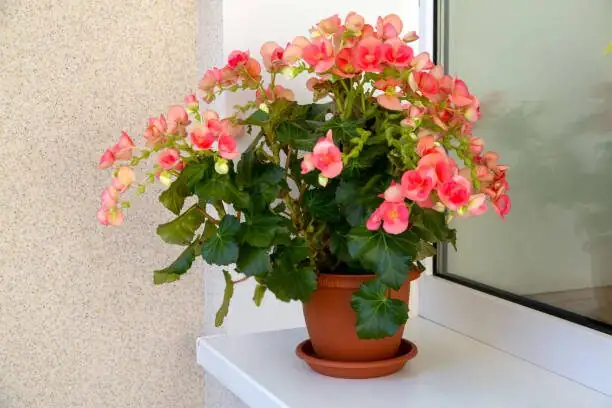
Think of feng shui as choreography for qi—and begonia, with its soft forms and lush blooms, brings a friendly, yin-leaning presence. Blend symbolism with the plant’s real needs.
- For relationships (Southwest/Kun): A pink or peach begonia in a ceramic pot with warm, earthy tones can support loving, grounded energy. Place in bright shade near an east- or north-facing window where light is gentle.
- For family/health (East/Zhen) or growth/wealth (Southeast/Xun): The plant’s vigorous seasonal growth aligns with wood energy. Try an East window with filtered morning sun and good airflow.
- Protective threshold: Near an entry (but out of drafts and glare), a begonia can read as a “soft warning” charm—inviting beauty that also says, “Be mindful.” Never in direct summer sun.
- Seasonal strategy: Ideal temperatures are 16–21°C (61–70°F). In high heat or stale humidity, move to the coolest bright spot with airflow. Let the tuber rest in a cool, dry place above 10°C (50°F) when leaves die back.
Pro care meets good qi:
- Humidity sweet spot is about 50–70%—but ventilate to avoid mildew.
- Use a rich, free-draining mix (peat- or leaf-mold-based with perlite/coarse sand). Soggy soil is the enemy of both plant and energy flow.
Quick care compass (so the meaning lasts)
- Light: Bright indirect to partial shade; gentle morning sun only.
- Water: Evenly moist, never waterlogged; avoid water sitting in saucers.
- Feeding: During active growth, every 10–14 days with a balanced-to-bloom fertilizer; taper off as flowering winds down.
- Grooming: Deadhead spent blooms; if stems get leggy after stress, a mid-season trim can restore poise.
- Dormancy: After leaves yellow and die back, stop regular watering. Lift and store the tuber in a cool, dry place.
- Troubleshooting: Rot follows excess moisture and stale air; improve drainage and airflow. Watch for aphids, thrips, scale, and leaf-rollers; treat promptly with gentle controls.
Safety note: Keep away from pets and curious kids—begonias are commonly considered toxic, with tubers most problematic.
Cultural clarity (so your message lands)
- Naming matters: In Chinese, 秋海棠 refers to Begonia; 球根秋海棠 is the tuberous form. By contrast, 海棠 often points to flowering crabapple. If you’re sending a message in Chinese, be specific.
- Mixed signals across regions: In Japan and in Victorian-influenced contexts, begonias can still read as “beware.” In Chinese-language 花语, they’ll more likely suggest tenderness or unrequited love. Your note is the best translator.
The last petal: a gentle warning, a gentler heart
Tuberous begonias shine where light is kind and air is calm—conditions that love itself often requires. No wonder their language is double-sided: a soft caution against excess and a soft spot for the tender, persistent heart. Gift one with care instructions and a sincere line or two, and you won’t just give a plant—you’ll share a small, living poem that glows in the shade.