

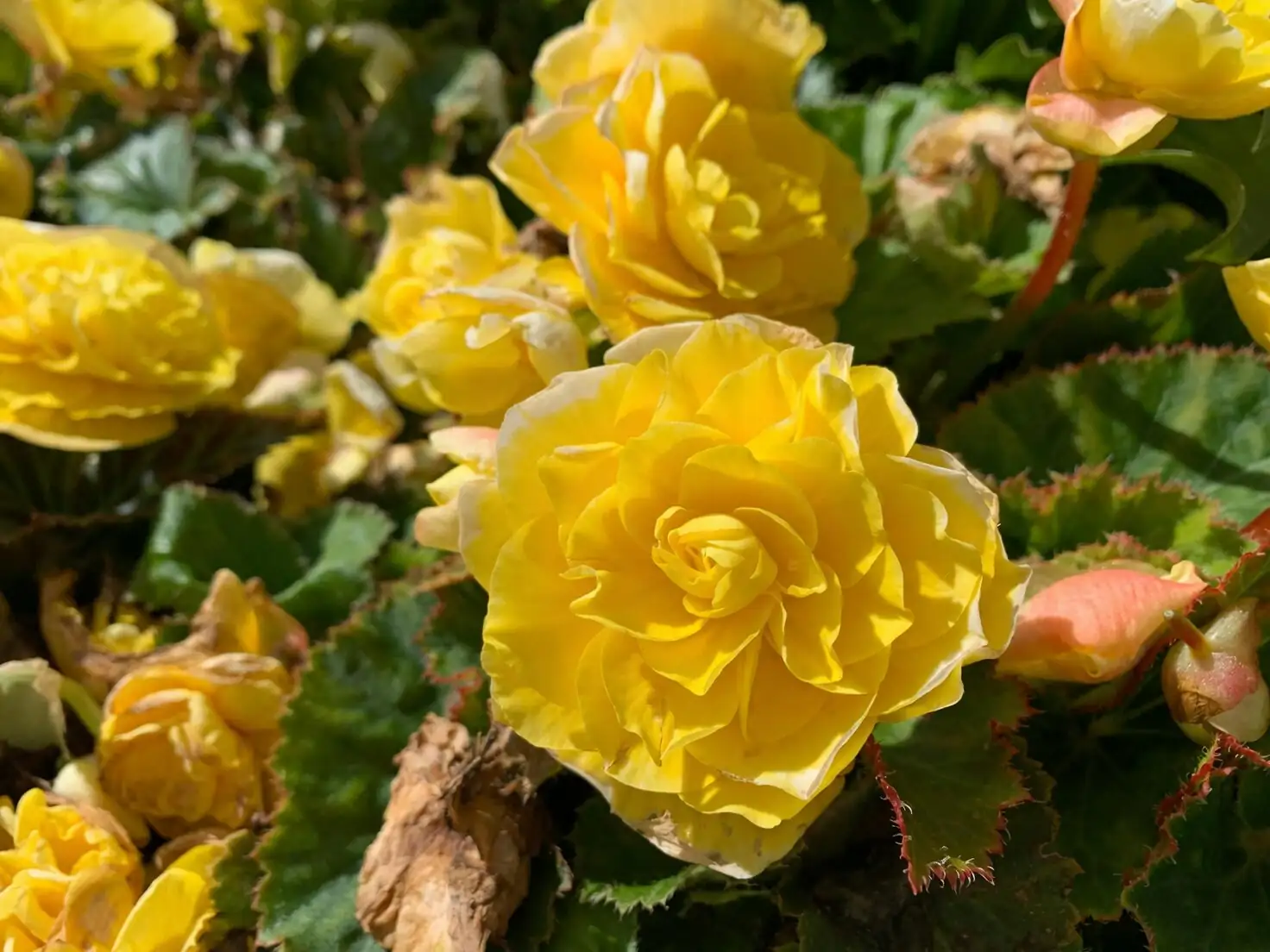
Meet the tuberous begonia (Begonia × tuberhybrida): the shade garden’s headliner with camellia- and rose-lookalike blooms, big feelings about water, and a built-in off switch. Give it bright, gentle light and a steady routine, and it will unleash spring-to-summer fireworks—then politely bow out and nap as a plump tuber you can bring back next year.
Below, a playful (but practical) tour through its fleshy storage organ, the magic duo of humidity plus airflow, and how to read this plant’s calendar so you catch the show and avoid the drama—especially the heavy-rain kind.
H2: The bloom that thinks it’s a camellia (or a rose)
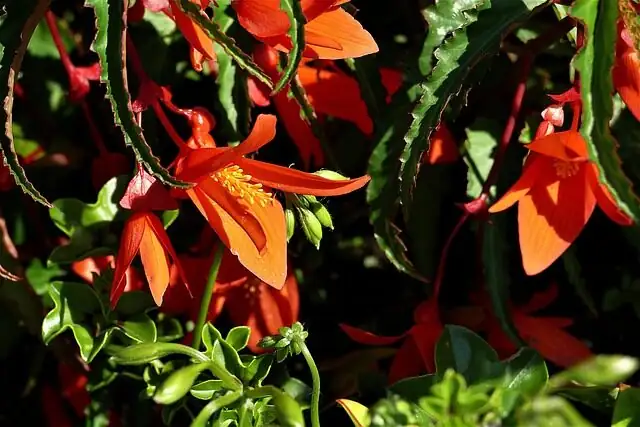
Tuberous begonias are all about indulgent, petal-packed flowers—often fully double, sometimes bicolored or picotee-edged—that hover over broad, slightly asymmetrical leaves. In the right spot (bright shade, not harsh sun), they deliver their best display from spring into summer. Upright and trailing forms exist, with colors spanning vivid reds, yellows, oranges, pinks, and whites.
- Best stage time: spring to summer (timing varies by cultivar and conditions)
- Preferred venue: bright indirect light to partial shade; morning sun is fine, strong midday/afternoon sun is not
- Personality quirk: loves moisture in the air, but not on petals or in its shoes (soil)
H2: The tuber, demystified (it’s not a bulb!)
Think of the “bulb” as a potato with a plan. It’s actually a tuber: a dense storage organ loaded with energy.
H3: Anatomy of that plump powerhouse
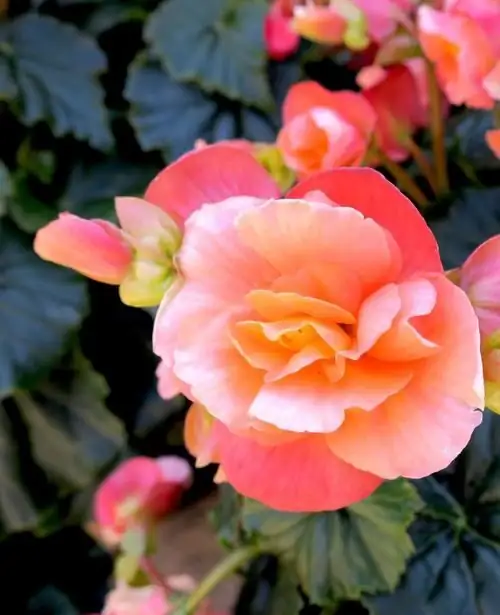
- Top vs. bottom: The top has a shallow bowl or depression; that’s where buds sprout. The bottom is rounded.
- Size matters: Choose firm, clean tubers at least 2 cm (0.8 in) across for stronger flowering.
- Seasonal magic: In spring, the tuber wakes and pushes up fleshy stems. After flowering, it naturally dies back and rests as a dormant tuber—your cue to lift, dry slightly, and store for next season.
H3: Planting the right way up
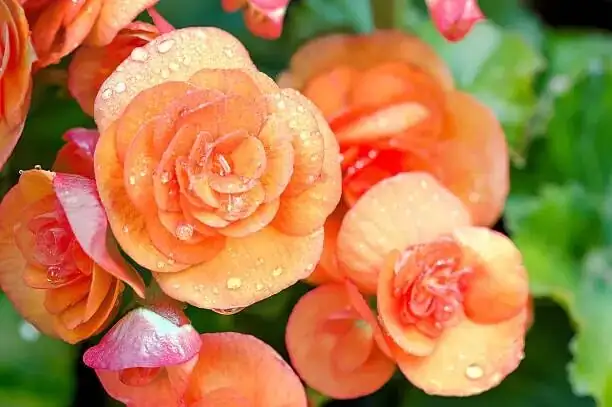
- Pot: A 20–25 cm (8–10 in) container suits a blooming plant.
- Mix: Rich but free-draining (peat- or leaf-mold-based mix blended with fertile loam plus coarse sand/perlite). Avoid heavy, water-retentive soils.
- Depth: Nestle the tuber with its “bowl” facing up, just at or slightly below the surface. Keep the first sips of water light until shoots appear.
H2: Why “humidity + airflow” beats humidity alone
Humidity keeps those fleshy stems and leaves perky, but still air turns “nice and moist” into “clammy and fungal.”
H3: The duet that prevents trouble
- Humidity (about 50–70%): Reduces leaf stress and discourages crisping edges.
- Airflow: Constant, gentle movement sweeps away stagnant, damp air that encourages rot and mildew. It also helps blooms dry after dew and keeps the plant cooler in warm spells.
H3: How to get it right
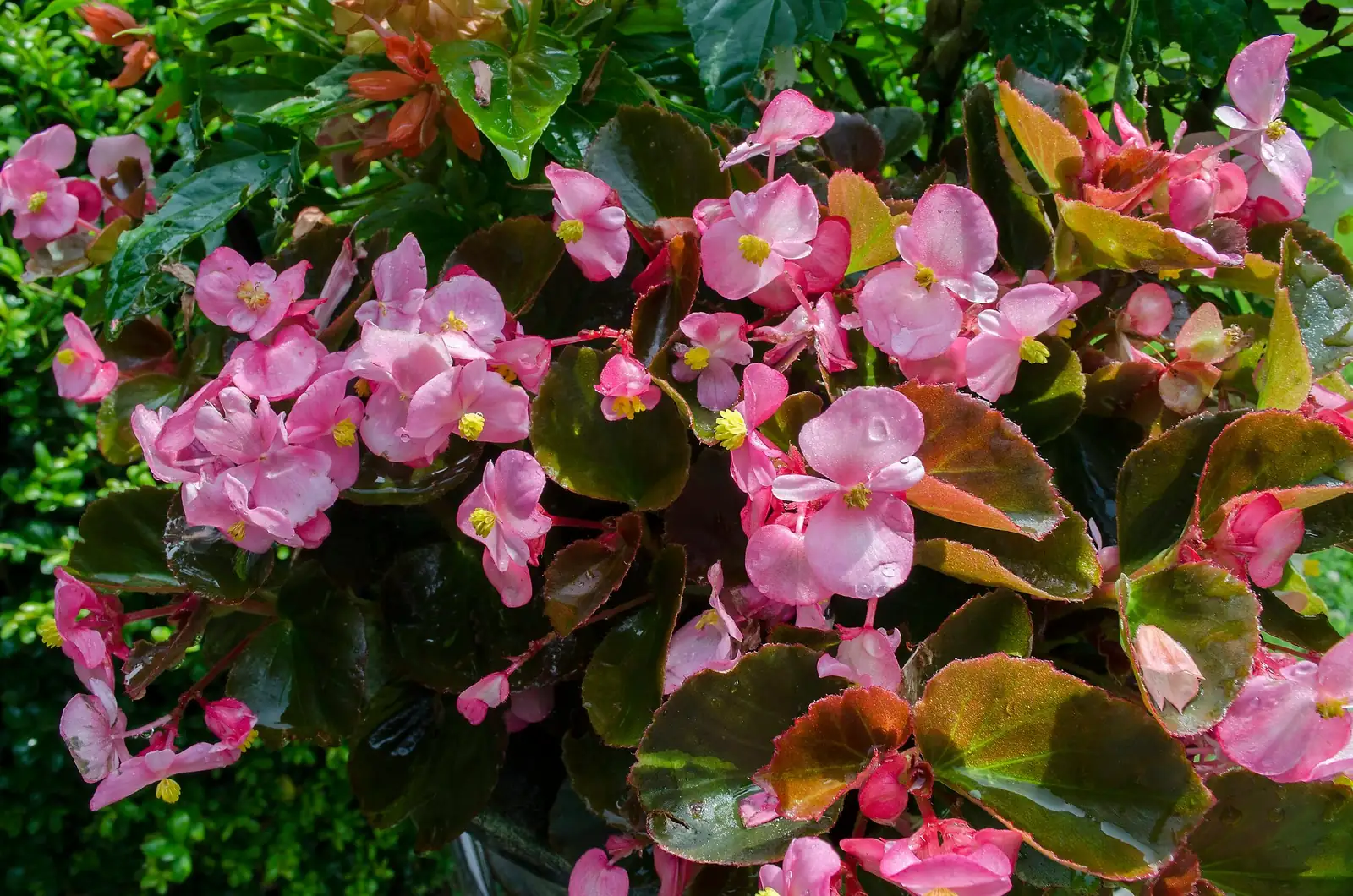
- Outdoors: Shaded patio or balcony with open sides; avoid tucked-in, windless corners.
- Indoors: Bright window out of harsh sun; run a small fan on low, or crack a nearby window during mild weather.
- Never mist the blooms: Petals can spot and rot; aim any moisture at the potting mix, not the flowers.
H2: Watering—moist, not mush
The number-one rule: evenly moist, never soggy. Tuberous begonias hate wet feet.
H3: A simple rhythm
- During active growth: Water about once a week as a baseline, then adjust for heat, airflow, and pot size. Use room-temperature water. Always drain excess; never let the pot sit in a saucer of water.
- After the show: As flowers fade late summer into autumn, reduce watering. When leaves yellow and die back, stop regular watering, lift the tuber, dry it slightly, and store cool and dry (above 10°C / 50°F).
H3: Heavy rain is their sworn enemy
- Why the grudge? Pounding rain shreds petals, invites botrytis and mildew on soggy blooms, and can waterlog the potting mix—setting the stage for soft tuber rot.
- Defense plan: Grow under cover (eaves, awning, canopy), in baskets with excellent drainage, or move containers under shelter before big storms.
H2: Light, temperature, and placement cheatsheet
- Sunlight: Bright indirect to partial shade; morning sun okay, harsh midday/afternoon sun no. Outdoors, choose bright shade with airflow and shelter from heavy rain.
- Temperature sweet spot: 16–21°C (61–70°F). Keep above 10°C (50°F) in winter.
- Heat warning: Prolonged heat above ~32°C (90°F) can cause wilting, bud drop, or outright collapse. Provide extra airflow and cooler placement in heatwaves.
- Hardiness: Frost-tender; treat as a seasonal container plant or overwinter stored tubers. Outdoors year-round only in warm climates roughly USDA Zone 10–11.
H2: Feeding, grooming, and keeping the spectacle going
- Fertilizer: Feed every 10 days to 2 weeks during active growth with a balanced-to-bloom formula (for example, a diluted organic liquid feed or a bloom fertilizer like 15-15-30 used per label). Ease off as flowering winds down.
- Deadheading: Pop off spent blooms and their stalks to tidy the plant and help the tuber recharge.
- Rainy-season reset: If growth gets weak or leggy, or after prolonged sogginess, cut stems back to about half; healthy tubers will respond with sturdier regrowth.
H2: From fireworks to nap time: reading the plant’s calendar
- Spring: Wake-up call. Increase light and water gradually as shoots appear. Start light feeding.
- Summer: Peak performance. Keep even moisture, bright shade, and breezy air. Shield from heat spikes and storms.
- Late summer to autumn: The yawn. Reduce feeding and watering as blooms fade; let foliage yellow naturally.
- Autumn to winter: Dormant tuber time. Lift, dry slightly, and store somewhere cool, dry, and above 10°C (50°F). Avoid damp storage media.
H2: Buying guide: tubers vs. plants
- Tubers: Choose firm, plump, clean tubers at least 2 cm (0.8 in) across with a clear “bowl” top. Start in late winter/early spring for a head start.
- Plants in bloom: Pick compact, sturdy specimens with thick stems and plenty of healthy buds. Avoid pots with soggy soil or yellowing lower leaves.
H2: Perfect potting mix and containers
- Mix recipe: Peat- or leaf-mold base + fertile loam + coarse sand/perlite for quick drainage.
- Container tips: Use a pot just roomy enough for the season (commonly 20–25 cm / 8–10 in). Ensure generous drainage holes. Baskets with natural liners drain fast—great in humid or rainy regions, but monitor watering more closely.
H2: Propagation for the curious
- Seed: Sow indoors in January–February. Seeds are dust-fine—do not cover. Keep 18–21°C (64–70°F). Germination is often 10–15 days. Pot up at 2–3 true leaves.
- Cuttings: In June–July, take strong 10 cm (4 in) shoots with a tip bud. Remove lower leaves, let the cut dry briefly, and root in a sandy medium. Expect callusing/rooting in about 3 weeks.
H2: Troubleshooting (so you don’t learn the hard way)
- Symptom: Squishy tuber, sour smell
- Likely cause: Overwatering, poor drainage, or rain-soaked mix
- Fix: Unpot, discard rotted tissue, improve drainage and airflow. Badly rotted tubers are often unsalvageable.
- Symptom: Limp, collapsing stems and leaves
- Likely cause: Underwatering or heat stress
- Fix: Water thoroughly, then resume even moisture; move to cooler bright shade with airflow.
- Symptom: Buds drop before opening
- Likely cause: Heat spikes, water stress, or stagnant air
- Fix: Cooler site, steady moisture, gentle airflow.
- Pests: Scale, aphids, thrips, and leaf-rolling caterpillars can appear.
- Response: Isolate, rinse with water, and follow up with insecticidal soap or horticultural oil; target caterpillars specifically if present.
H2: Safety note
Begonias are commonly considered toxic to pets, with tubers the most problematic. Keep out of reach of curious cats, dogs, and children, and seek professional advice if ingestion is suspected.
H2: History, lookalikes, and meaning
- Garden origin: Tuberous begonias are cultivated hybrids, developed from South American species for ever-bigger, more flamboyant flowers—especially the fully double forms that mimic small camellias or roses.
- Flower language (the “why it feels right”): Traditionally linked with affection and tender feelings—sometimes tinged with longing. Their lush, soft petals and generous bloom habit likely fed the symbolism. While not a strict historical code, the modern take is simple: a tuberous begonia says “warmth and devotion,” with just enough dramatic flair to make you smile.
H2: Quick care recap (pin to your potting bench)
- Light: Bright shade; avoid harsh sun.
- Temperature: 16–21°C ideal; protect from >32°C and from cold below 10°C.
- Humidity + airflow: Aim for 50–70% humidity with gentle, constant air movement.
- Water: Evenly moist, never soggy. Shelter from heavy rain.
- Soil: Rich, free-draining mix; no heavy, water-retentive soils.
- Feeding: Every 10–14 days in active growth; taper off before dormancy.
- Rhythm: Big spring–summer show, then a dignified dieback and tuber siesta.
Give Begonia × tuberhybrida bright shade, moisture managed with finesse, and air that actually moves. In return, it will give you flamboyant, camellia- and rose-like blooms on cue—then quietly tuck itself in for a well-earned rest, dreaming of next spring’s encore.