

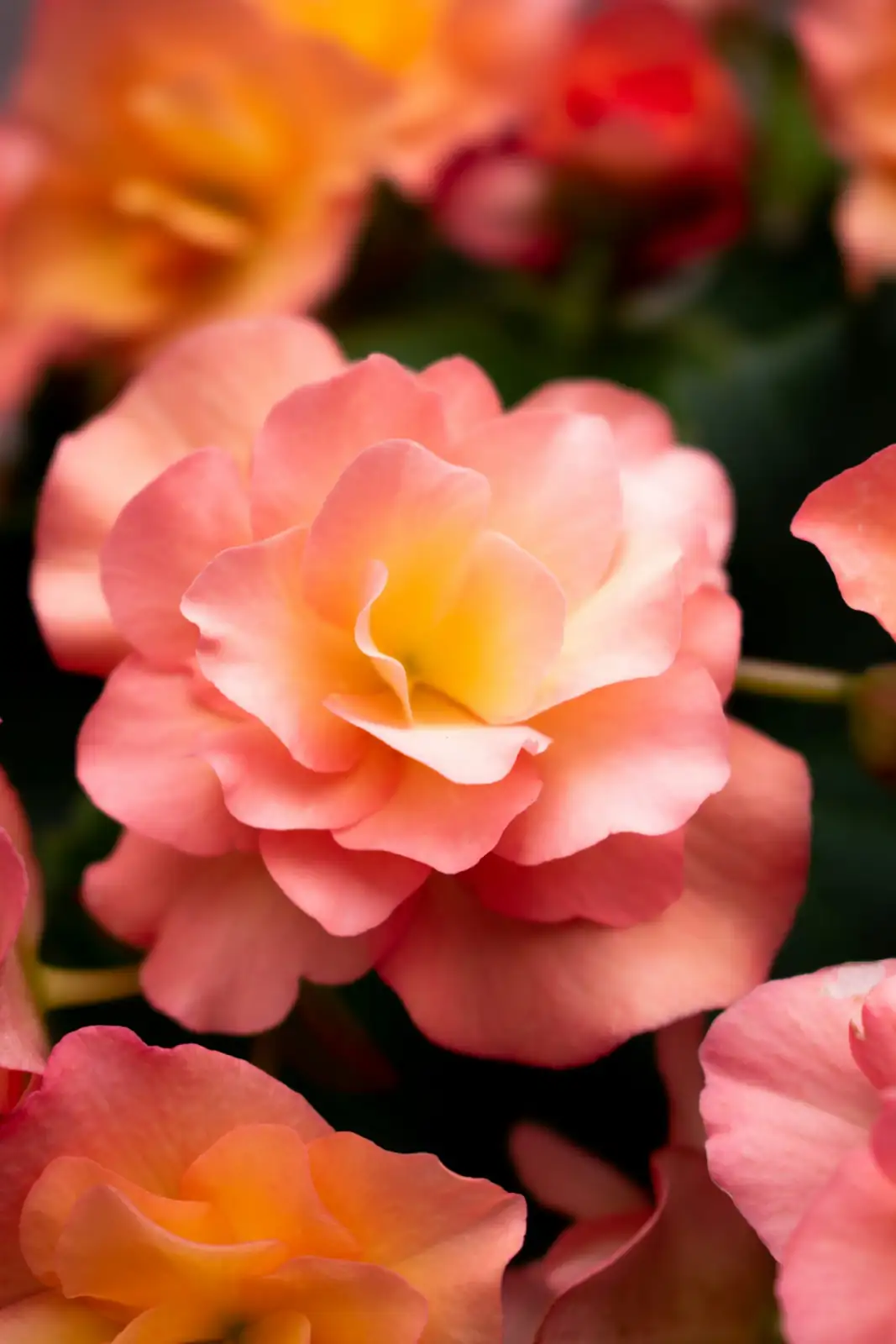
Think of tuberous begonias as drama queens with excellent manners: they ask for bright, gentle light, a steady sip of moisture (never a soak), and then a well-earned nap after the show. Master those three rhythms and Begonia × tuberhybrida will reward you with camellia-like blooms from spring into summer.
The essentials (quick-start)
- Light: Bright indirect light to partial shade. Morning sun is usually fine; protect from strong midday and afternoon sun.
- Temperature: Most comfortable at 16–21°C (61–70°F). Keep above 10°C (50°F). Prolonged heat above ~32°C (90°F) can cause wilting or bud drop.
- Water: Evenly moist, never soggy. Baseline: water about once per week during active growth; adjust to conditions.
- Humidity: Moderate to high (about 50–70%), with airflow. Stagnant, damp air invites rot and mildew.
- Soil: Rich but free-draining mix (peat- or leaf-mold-based with fertile loam plus coarse sand/perlite). Never let the pot sit in water.
- Built-in nap: After flowering, growth naturally dies back to a tuber. Reduce watering as leaves yellow, then lift and store the tuber in a cool, dry place, above 10°C (50°F).
Light: bright and kind, never harsh
Indoors

- Best spots: East-facing windows, bright north exposures, or a west/south window filtered through a sheer curtain.
- Sun-scorch prevention:
- Keep midday rays off leaves and petals (11 a.m.–3 p.m.).
- Use sheer curtains or position just out of the sunbeam’s reach.
- Watch for “crispy” bleached patches—move to brighter shade if you see them.
Outdoors (during bloom)
- Place on a shaded patio or balcony with dappled light and good airflow.
- Morning sun is typically safe; avoid hot, reflective settings (near glass, pale walls, or metal railings).
- Shelter from pounding rain to protect blooms and prevent waterlogging.
Watering made simple
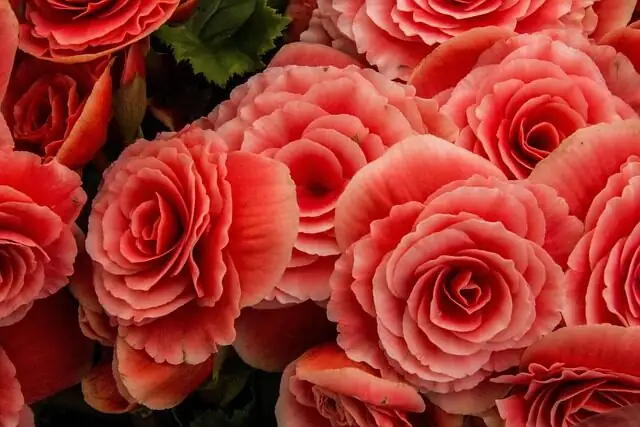
- The weekly baseline: Water thoroughly about once per week during active growth. This is a starting point—warm rooms, smaller pots, terracotta, or breezy patios may need more frequent attention; cool spaces need less.
- How to hit “evenly moist” (not soggy):
- Check soil: the top 2–3 cm (about 1 inch) should feel just slightly dry before you water again.
- Water slowly at the soil line until a little drains from the bottom—then empty the saucer.
- Use room‑temperature water. Avoid wetting flowers and foliage to reduce fungal spots.
- Red flags:
- Too wet: yellowing, mushy stems, or soft tubers.
- Too dry: limp, collapsing leaves and stems that perk up right after watering.
Potting mix and containers that set you up for success
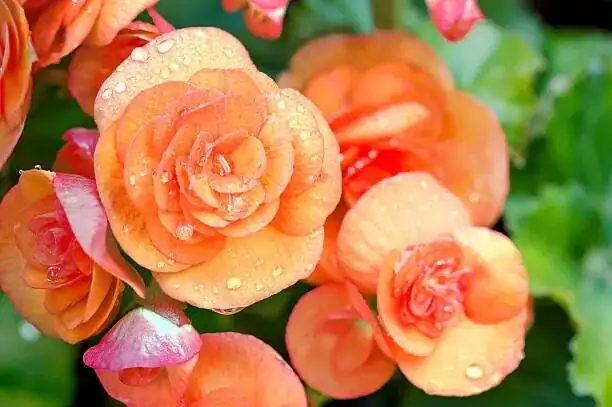
- Mix recipe (one reliable approach):
- 40% peat- or leaf‑mold‑based potting mix
- 30% fertile loam or high‑quality compost
- 30% coarse sand/perlite
- Choose a 20–25 cm (8–10 in) pot for a flowering plant with generous drainage holes.
- Materials: Plastic retains moisture; terracotta breathes and dries faster—choose to suit your watering style.
- Keep the crown slightly above the soil line and avoid burying stems.
Feeding for stamina and show
- During active growth and bloom: Feed every 10–14 days with a balanced-to-bloom fertilizer (for example, a diluted organic liquid feed or a bloom formula such as 15‑15‑30 used per label).
- Ease off feeding as flowering wanes and the plant heads for its rest.
The plant’s built‑in nap: how to guide a graceful dieback
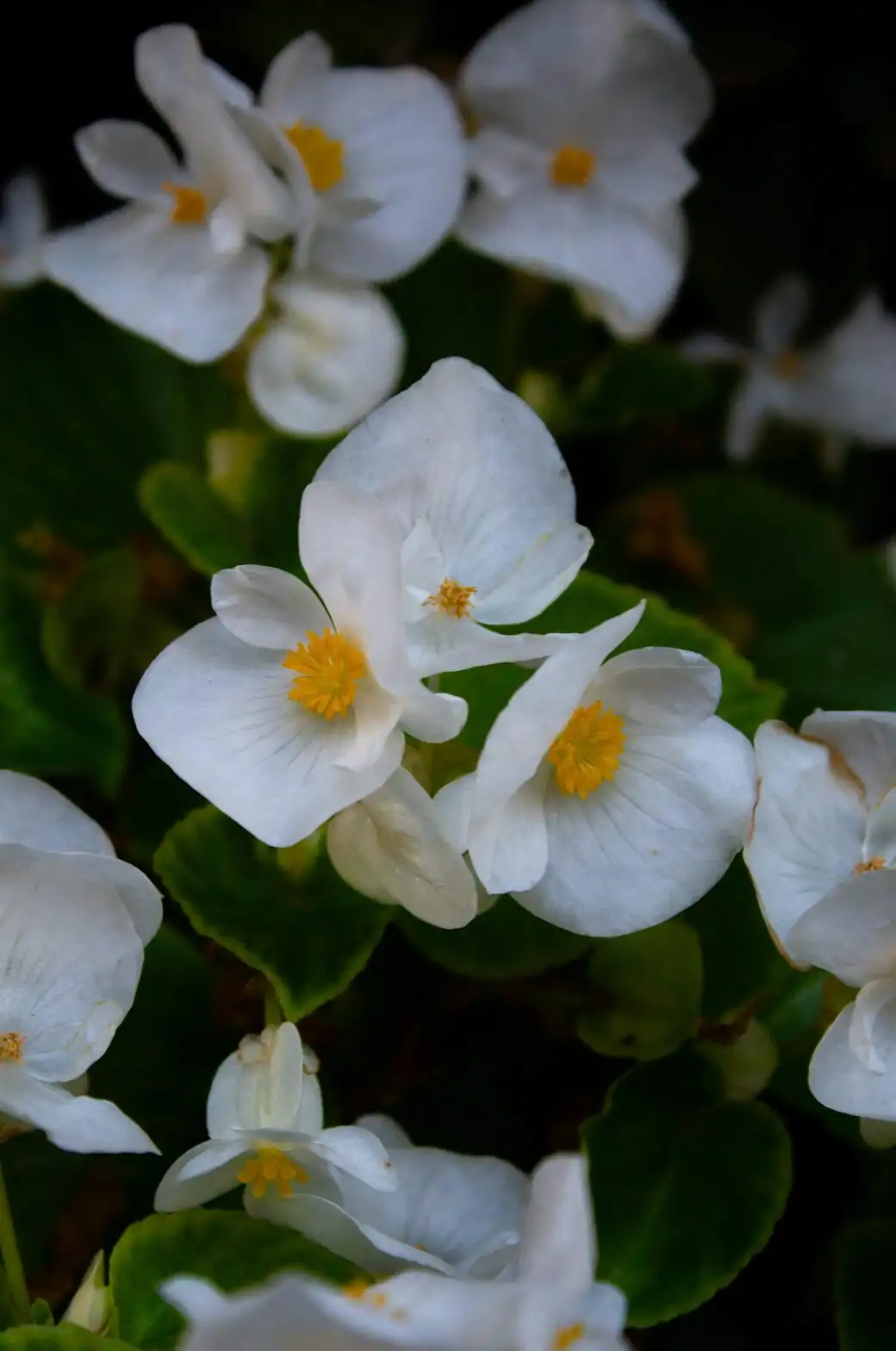
When the big show winds down in late summer to autumn, your begonia’s top growth naturally retires and the tuber rests. Help it along:
- Notice the signals: Blooms fade, daylength shortens, growth slows. Leaves begin to yellow.
- Begin the taper: Over 2–3 weeks, lengthen the interval between waterings and apply smaller amounts. Keep soil barely moist—never bone dry all at once.
- Stop regular watering once most leaves have yellowed and stems decline.
- Lift the tuber: Gently unpot, brush off soil, and let it dry slightly in a shaded, airy place for a few days.
- Store correctly: Keep tubers in a cool, dry, well‑ventilated spot above 10°C (50°F). Use a breathable paper bag, cardboard box, or tray with dry peat moss or vermiculite to cushion. Avoid damp conditions.
- Label cultivars and check monthly: Discard any that soften or rot; keep storage dry and cool.
Restarting in spring: Pot the tuber into fresh, free‑draining mix, settle it into bright indirect light, and water lightly until new shoots are growing, then resume your weekly baseline.
A seasonal roadmap
- Spring
- Resume growth: Move to bright indirect light and gently increase watering.
- Start feeding when new leaves unfurl.
- Summer
- Bright shade with airflow; maintain even moisture.
- Protect from heat spikes and heavy rain.
- Late summer to autumn
- Deadhead to tidy; reduce feeding, then water as growth slows.
- Begin the dormancy taper as blooms finish.
- Autumn to winter
- Allow full dieback; lift and store tubers cool and dry, above 10°C (50°F).
Pruning, grooming, and display tips
- Deadhead promptly (remove spent blooms and their stalks) to keep plants tidy and direct energy back to the tuber.
- If stems grow weak and leggy (often after long rain or low light), cut back to about half to encourage sturdier regrowth.
- Heavy flowers? A discreet stake or hoop can save a stem in wind or on balconies.
Troubleshooting (what went wrong—and how to fix it)
- Scorched leaves/flowers: Too much direct midday/afternoon sun. Shift to bright shade or add a sheer/30–40% shade cloth outdoors.
- Wilting or bud drop in heat: Prolonged temperatures above ~32°C (90°F). Move to a cooler, shaded spot with airflow; water in the morning; pause feeding until temps ease.
- Root/tuber rot: Soggy soil and poor drainage are the culprits. Refresh to a free‑draining mix, trim off soft tissue, and correct watering. Protect from heavy rain.
- Mildew or fungal spots: High humidity without airflow. Space plants, improve ventilation, avoid overhead watering.
- Pests: Watch for aphids, thrips, scale, and leaf‑rolling caterpillars. Isolate, rinse with water, and use insecticidal soap or horticultural oil as needed.
Propagation quick‑start
- From seed (patience required): Sow indoors January–February. Seeds are dust‑fine—do not cover. Keep at 18–21°C (64–70°F). Transplant at 2–3 true leaves.
- From cuttings: In June–July, take sturdy 10 cm (4 in) tip cuttings. Remove lower leaves, let the cut end dry briefly, then root in a sandy medium. Expect callusing/rooting in about 3 weeks.
Where they thrive best
- Indoors: A luminous spot near a bright window, out of harsh sun (living room shelves, bright sills behind a sheer).
- Outdoors (in season): Shaded patios and balconies with airflow, tucked out of wind and downpours.
- Climate note: Frost‑tender. Grow as a seasonal plant or overwinter tubers; suitable outdoors year‑round only in warm regions (roughly USDA Zone 10–11) unless lifted and stored.
Safety note
Begonias are commonly considered toxic to pets, with tubers the most problematic. Keep away from curious cats, dogs, and children; seek veterinary or medical advice if ingestion is suspected.
A 10‑minute weekly routine that keeps them dazzling
- Water once (baseline), adjusting to your conditions; empty the saucer.
- Deadhead spent blooms and remove yellowing leaves.
- Rotate the pot a quarter turn for even growth.
- Check for pests under leaves and along stems.
- Feel the potting mix and lift the pot—learn its “just‑watered” vs. “ready-to-water” weight.
Flower language and lore
Tuberous begonias are often linked with affection and tender feelings—sometimes even unrequited love—echoing the Victorian language of flowers, where meanings were assigned less by botany and more by cultural storytelling. While the symbolism isn’t scientific, it fits the mood these blooms create at home: generous, colorful, and a touch dramatic. Today’s Begonia × tuberhybrida are garden‑bred hybrids, selected over generations (often from South American species) for those sumptuous, rose‑ or camellia‑like double flowers and vivid bicolors.
Master the trifecta—bright indirect light, evenly moist soil, and a respectful winter rest—and your tuberous begonia will make “encore” its favorite word, returning each season ready for another standing ovation.