


Rosa chinensis, the “Monthly Rose” that taught the world’s gardens to bloom again and again, is far less fussy than legend suggests. Give it sun, food, and a few smart snips at the right time and it will answer with months of color. Here’s an easy, confidence-boosting guide to late‑winter shaping for pots, cutting to outward buds, lightning‑fast post‑flush deadheading, and the show‑bench trick: selective disbudding for supersized blooms.
Meet Rosa chinensis, the engine behind repeat bloom
- Roots and role: Native to China and a key ancestor of modern garden roses, it contributed the coveted repeat‑flowering habit that powers those long, multi‑flush seasons.
- Looks and habits: A woody, bushy shrub (often 60–150 cm tall in garden forms; miniatures are smaller) with pinnate leaves and often-prickly canes. Flowers range from single to very double in a rainbow of colors, many with fragrance.
- Performance sweet spot: Full sun (aim for 6–8+ hours) with open airflow, rich well‑drained soil or potting mix, steady moisture, and regular feeding. Expect repeated flushes from late spring through autumn when you deadhead and feed.
Late‑winter shaping, simply explained
Think “fresh start” rather than “surgery.” Your goal: concentrate energy into a few vigorous canes, open the center for airflow, and set outward‑facing buds to guide handsome, healthy growth.
1) Time it right
- Prune in late winter to early spring, just before strong new growth breaks.
- Avoid very early winter pruning that can spark tender shoots, which then get frosted. If you’ve had a cold snap, wait until the plant begins to swell buds.
2) Gear up and keep it clean
- Tools: Bypass hand pruners, loppers for thicker canes, gauntlet gloves, and a small pruning saw for old woody stems.
- Hygiene: Sanitize blades (e.g., 70% isopropyl alcohol) between plants and after cutting diseased wood. Clear all fallen leaves from the soil surface to reduce black spot and mildew spores.
3) For pots: the three‑strong‑cane reset
Container roses respond brilliantly to a simple discipline.
- Identify your keepers:
- Choose about three strong, healthy main canes (pencil‑thick or better), ideally younger, green to green‑brown, and well‑spaced around the plant.
- Remove dead, diseased, rubby, or inward‑growing stems right to the base.
- Make it compact:
- Hard‑prune those three main canes to roughly 15 cm (about 6 in) above the soil line. This concentrates energy and keeps a tidy, powerful framework that’s ideal for pots and small patios.
- Open the center:
- Aim for a light, airy vase shape. Space and sunlight dry leaves faster and discourage fungal disease.

4) Cut to outward‑facing buds (your built‑in GPS)
Each finishing cut sets the direction of spring shoots.
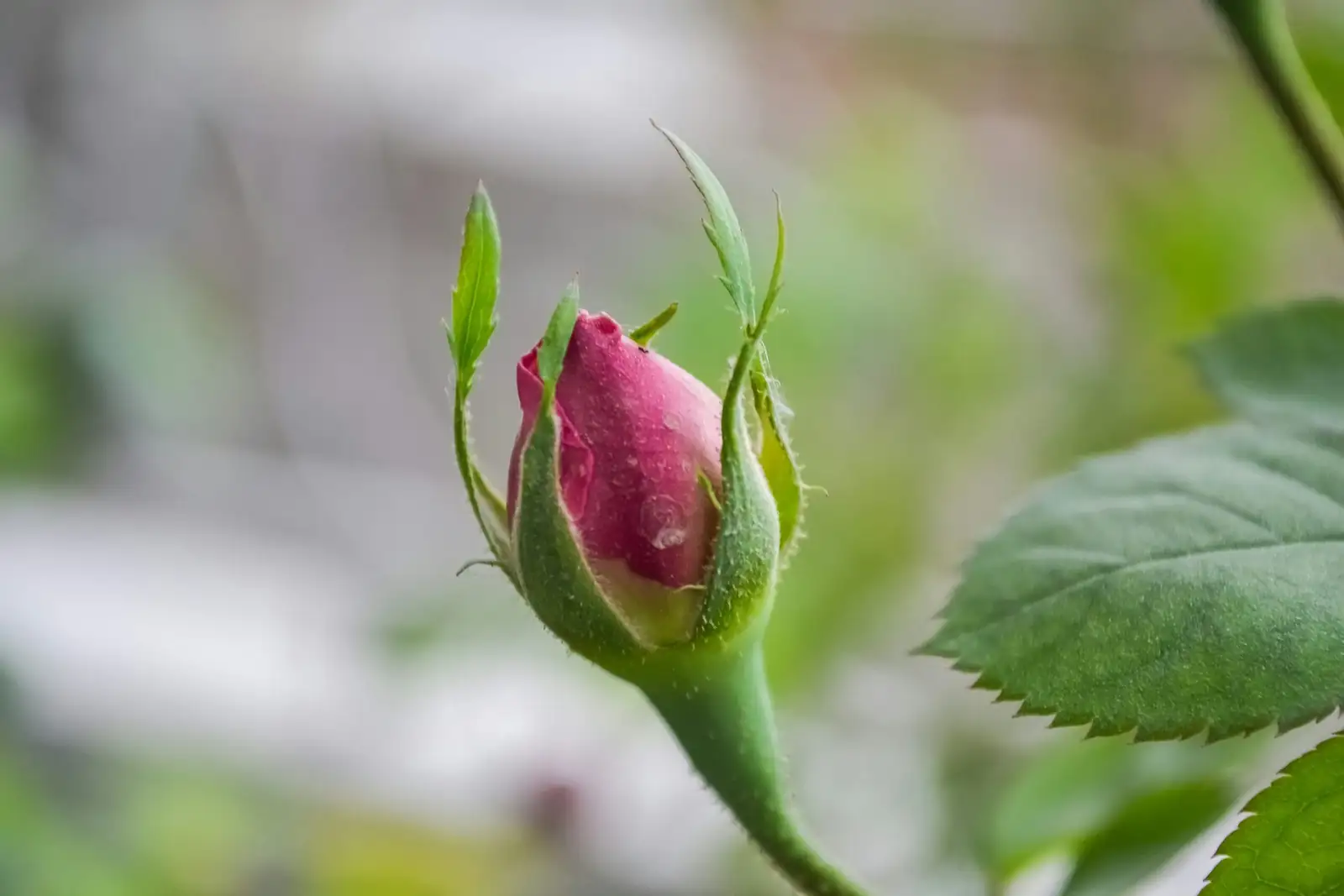
- How: Cut just above an outward‑facing bud or strong outward leaf axil (often the first five‑leaflet leaf), at a slight angle that sheds water. Keep cuts clean, not ragged.
- Why: Outward buds send new shoots away from the center, preserving airflow and a beautiful, balanced plant.
5) Finish with a gentle wake‑up
- Water deeply to settle roots, then feed lightly as growth resumes (start mild in early spring to avoid burning tender new roots). As the season warms, ramp to a regular, balanced rose feed.
After each flush: deadhead fast, bloom faster
Rosa chinensis loves a nudge. Removing spent blooms tells the shrub to push new shoots and the next wave of flowers.
- When: As soon as petals shatter or shapeliness fades.
- Where to cut:
- Trace the flower stem down to the first strong five‑leaflet leaf with a plump axillary bud.
- Cut just above that leaf to redirect energy into a ready‑to‑go bud and sturdier new cane.
- Pace: Don’t overthink it. A quick lap with pruners every few days in peak season keeps momentum high.
- Heat tip: In intense summer sun, blooms fade faster. Shade lightly in the hottest afternoons if petals are scorching, and keep the deadheading cadence brisk to roll into the next flush.
- Cold‑climate note: If you garden where early frosts are common, many growers ease off late‑season deadheading to avoid tender new growth and sometimes let hips form for winter interest.
Supersize show blooms with selective disbudding
If you’ve ever admired exhibition‑style roses, here’s the secret you can borrow for a patio pot.
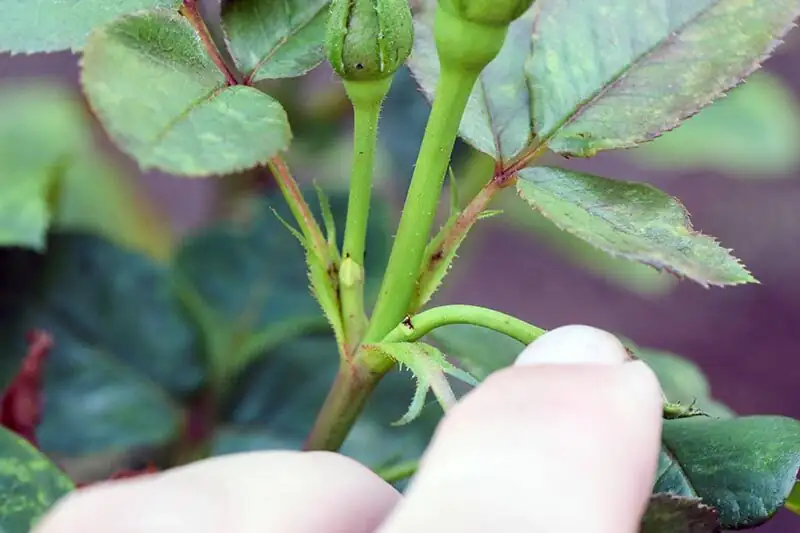
- What is disbudding? Removing side buds so one flower develops per stem—bigger, more refined, and often longer‑stemmed.
- When to do it:
- As soon as you can see a central bud with smaller side buds developing (pea‑sized is perfect), gently pinch or snip off the laterals, leaving the center bud.
- Where it shines:
- Hybrid tea‑type forms or any cultivar that naturally throws clusters. In small containers, disbudding a few select stems gives standout blooms without exhausting the plant.
- Balance the look:
- Keep some stems natural for a bouquet effect and disbud a few for star performers. You’ll enjoy both volume and drama.
Sun, water, and feeding rhythm for containers
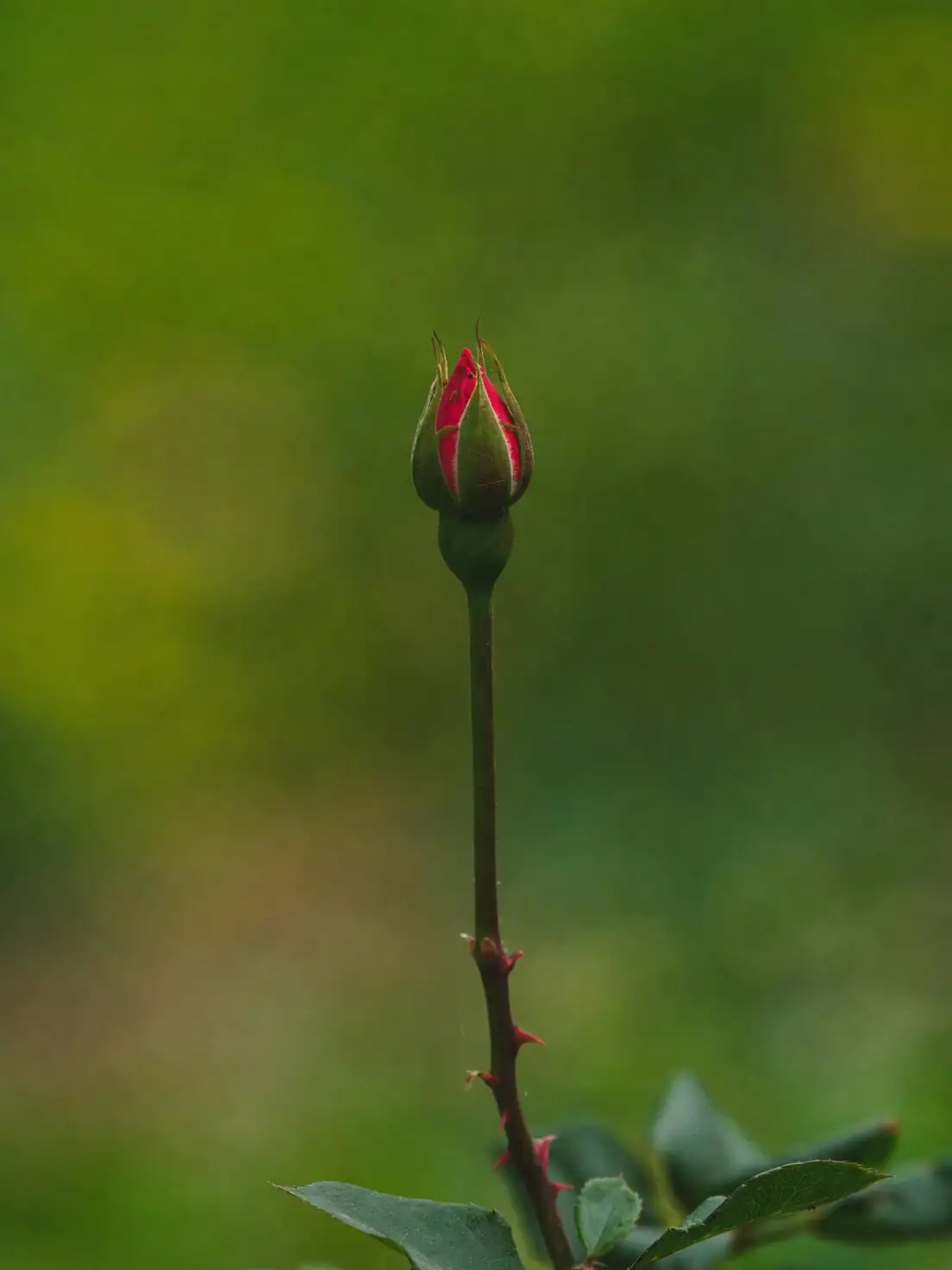
- Sunlight: 6–8+ hours of direct sun fuels repeat flowering. Morning sun with open airflow is ideal; give light afternoon shade in extreme heat.
- Watering:
- Spring: about once weekly.
- Summer: 2–3 times weekly or more in heat.
- Autumn: taper to about once weekly.
- Winter: keep just barely moist; don’t let the root ball bone‑dry. Always water at the base to keep foliage dry and reduce disease.
- Feeding:
- Feed every ~2 weeks in active growth with a balanced rose fertilizer.
- During flowering runs, add 2–3 applications of a bloom‑leaning formula higher in phosphorus and potassium.
- Ease off feeding late in autumn so you don’t push soft, frost‑tender growth.
Potting mix, repotting, and airflow
- Mix: Rich but free‑draining. A loam‑ or compost‑based blend lightened with coarse sand or perlite works well; incorporate well‑rotted manure or compost for baseline nutrition.
- Repot: Refresh annually in early winter or early spring; check roots, prune circling ones lightly, and reset the plant at its original depth.
- Placement: A bright, open balcony or patio with steady breeze keeps leaves drier, colors clean, and pests at bay.
Health first: stop diseases and pests before they start
- Black spot and powdery mildew thrive on shade, splash, and congestion. Your best defenses:
- Full sun, open pruning, and watering at the base
- Fast removal of infected leaves (including those on the ground)
- Clean tools and timely thinning of crowded shoots
- Usual suspects: Aphids, scale, caterpillars/sawfly larvae, and borers.
- Rinse off aphids with a firm spray or hand‑squish early colonies.
- Encourage beneficial insects.
- Use horticultural soap or oil and follow local labels when needed.
- Safety: Roses are friendly to people and pets, but prickles can bite. Wear gloves; sensitive skin may react to sap.
A simple seasonal game plan
- Spring
- Late‑winter/early‑spring prune and, for pots, set your three strong canes at ~15 cm.
- Start gentle feeding as growth wakes; watch for the first aphids and early mildew.
- Summer
- Water more often, feed regularly, deadhead promptly to accelerate the next flush.
- Offer light afternoon shade in severe heat to protect buds and petals.
- Autumn
- Keep moisture steady; taper fertilizer later in the season.
- Enjoy late flushes and tidy foliage to reduce overwintering disease.
- Winter
- Many plants go dormant below ~5°C (41°F). Keep pots just moist, not sodden.
- Delay major pruning until just before bud break to avoid frost‑nipped new shoots.
Cut‑flower moment: harvest for longevity
For the best vase life—especially with red and pink cultivars—cut when sepals have reflexed and the outer petals are just starting to loosen. Harvest early in the day, re‑cut under water, and strip lower foliage for clear vase stems.
Flower language, thoughtfully considered
Roses wear many meanings—love, beauty, appreciation, renewal. With Rosa chinensis, “renewal” feels literal: it’s the ancestor that gifted repeat bloom to modern roses, so a potted China Rose cycling from flush to flush is a living emblem of enduring affection. Still, cultural flower‑language traditions vary widely and aren’t universal; let your own season‑long experience with this generous shrub shape the meaning you share.
Quick troubleshooting
- Lots of leaves, few flowers?
- Add sun, step up feeding, and deadhead more promptly. In pots, consider the three‑cane reset next late winter to reinvigorate flowering wood.
- New shoots died back after an early pruning?
- That’s classic frost nip. Time major cuts for late winter to early spring, just before bud break.
- Petals scorching or flowers fading fast in midsummer?
- Increase watering cadence, provide light afternoon shade, and deadhead quickly to roll into the next flush.
Rosa chinensis rewards consistent, simple habits: shape late winter, keep three strong canes in pots, cut to outward buds, deadhead fast, and disbud a few select stems when you crave that show‑stopping bloom. Do those five things, and your “Monthly Rose” will live up to its name—month after month.