

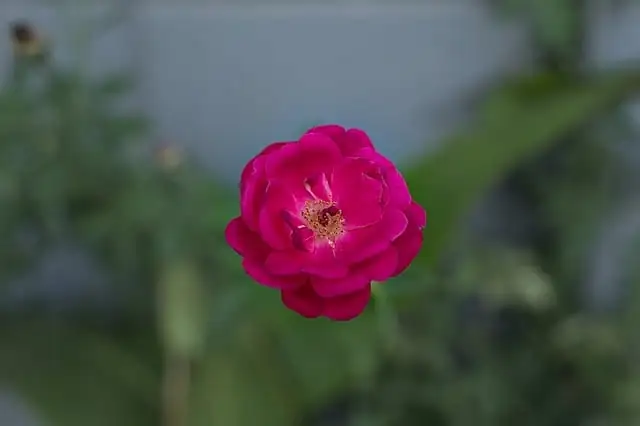
When summer flips from balmy to blast-furnace and the thermometer parks itself above 30°C (86°F), your Chinese Roses (Rosa chinensis)—the beloved, repeat-blooming backbone of modern garden roses—don’t have to skip their next flush. With dawn-deep watering, a cool blanket of mulch, a whisper of shade (not darkness), and heat-wise cultivar choices, you can keep color flowing right through the scorch.
Meet Rosa chinensis: the repeat-blooming classic
- Family: Rosaceae; Genus: Rosa
- Origin: China, and a key ancestor of many modern, ever-blooming roses
- Why we grow it: long flowering season (late spring through autumn) in multiple flushes, a huge palette of colors and forms, often fragrant, and container-friendly with the right care
- Sun: full sun is best—aim for 6–8+ hours; in very hot summers, light afternoon shade helps protect buds and petals
- Prime temps: happiest around 20–25°C (68–77°F); prolonged heat above 30°C slows growth and can reduce flowering
What heat over 30°C really does to roses
- Slows growth and bud production—some roses “pause” almost like a short summer dormancy
- Petal fade and scorch—blooms shatter faster in intense sun
- Wilting, leaf curl, and crispy margins—classic heat-stress signs
- Buds that dry at the tips and fail to open cleanly
- Greater vulnerability to black spot, powdery mildew, and mites if the plant is stressed and airflow is poor
The cool-mornings game plan (so blooms keep coming)
H2O at dawn: soak, don’t sprinkle
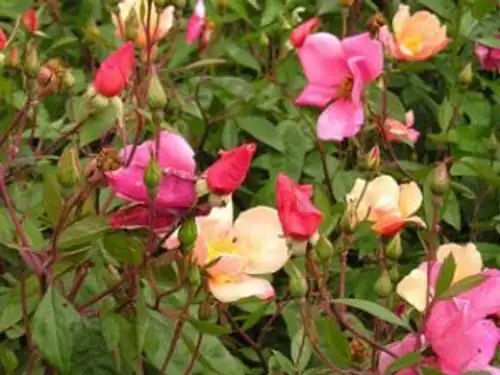
- Water deeply in the early morning so roots can bank moisture before heat builds.
- Goal: soak the soil to a depth of 15–20 cm (6–8 in). In containers, let water run slowly until it just begins to drain, wait, then repeat.
- Keep foliage as dry as possible; water at the base to reduce black spot and powdery mildew.
- Practical rhythm (adjust to weather/soil):
- In-ground beds: every 2–3 days in heat with mulch; daily checks
- Containers: often 2–3+ times/week in summer, and daily in a heatwave if the top 2–3 cm are dry
Mulch: your built-in air conditioner
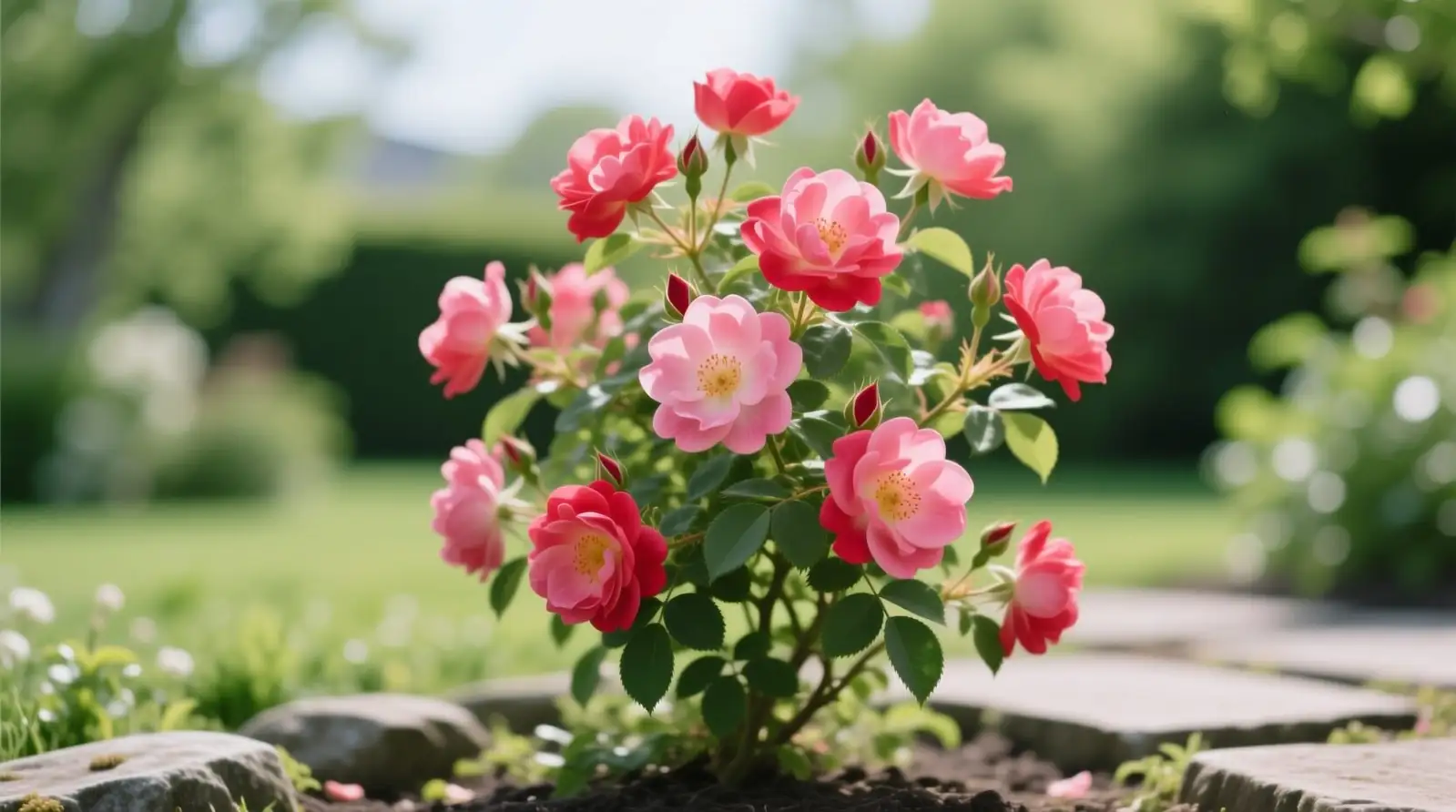
- Apply 5–8 cm (2–3 in) of organic mulch (shredded bark, leaf mold, composted straw) to keep roots cool and reduce evaporation.
- Pull mulch back ~5 cm (2 in) from canes to keep the crown dry.
Light shade, not a cave: 30–40% pays off
- Install 30–40% shade cloth over hoops or a simple frame for the hot window (roughly 2–5 pm), especially on the west side where sun bites hardest.
- East-facing sites naturally give cool morning light and gentler afternoons.
- Heavier shade than ~40% risks fewer buds; think “diffused light,” not darkness.
Soil, pots, and airflow
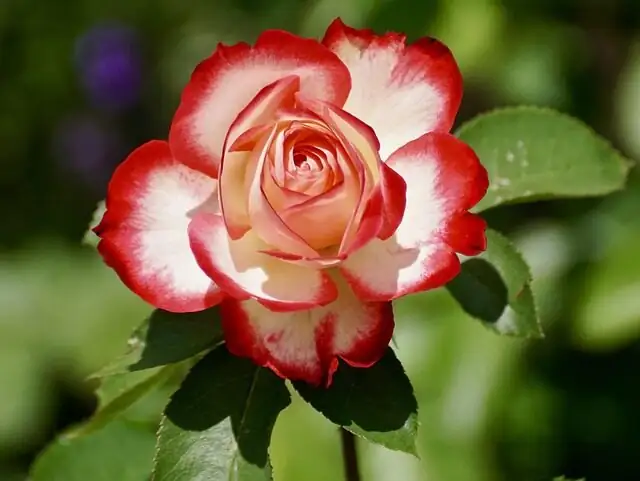
- Soil: fertile, free-draining, slightly acidic to neutral. In containers, blend rich loam/compost with coarse sand or perlite for aeration; work in well-rotted manure/compost as a base amendment.
- Pots heat up fast—choose light-colored containers and avoid baking patios; raise pots on feet and space plants for airflow.
- Ventilation is your friend. Roses thrive in open, airy positions with good drainage.
Keep the bloom cycles rolling (instead of merely surviving)
Deadhead with intent
- Remove spent blooms promptly, cutting back to just above a strong outward-facing leaf (often 5 leaflets). This cues the plant to push a new flush.
- In extreme heat, skip heavy shaping cuts—keep it light and let leaves shade canes.
Feed smart (time it right)
- Roses are hungry: feed every ~2 weeks in active growth with a balanced rose fertilizer; during flowering, 2–3 extra bloom-leaning feeds (higher P and K) help.
- Heatwave tweak: when highs hold above ~32–35°C (90–95°F), pause fertilizer for a week or two to avoid root stress. Resume once daytime highs ease, then water deeply and feed moderately.
Watering hygiene beats disease
- Always water the root zone; avoid wetting leaves late in the day.
- Clean up fallen leaves and prune out diseased bits in the dormant season.
- Good spacing and air movement reduce black spot and powdery mildew pressure.
Choose heat-hardy cultivars and colors (without giving up bloom)
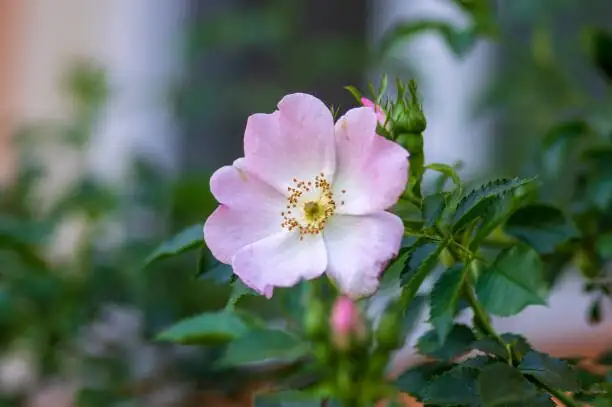
Traits to favor in hot gardens
- Proven China and Tea rose lineage: many of these keep blooming and hold petals well in heat.
- Flowers with thicker petals or single to semi-double forms that shed gracefully.
- Foliage that’s glossy and disease-tolerant—leaves that stay on power more blooms.
- Colors that cope with sun:
- Mid-pinks, warm apricots, rich but not ultra-dark reds often hold better
- Very deep velvet reds can absorb heat and crisp
- Some pale pastels and strong yellows may bleach in fierce sun—pick cultivars known to “hold” their color locally
Heat-wise examples to scout (availability varies by region)
- China and Tea heritage stars: ‘Mutabilis’, ‘Old Blush’ (Rosa chinensis ‘Parsons’ Pink’), ‘Louis Philippe’, ‘Ducher’, ‘Mrs. B.R. Cant’
- Modern stalwarts with warm-climate cred: ‘Belinda’s Dream’, ‘Julia Child’, ‘Knock Out’ types, and heat-praised heirlooms like ‘Yolande d’Aragon’
Tip: Ask local rosarians or nurseries which cultivars keep color and repeat in your microclimate’s hottest month.
Your heatwave checklist (quick, repeatable)
- Evening before a scorcher: top up soil moisture; check mulch depth.
- Dawn of the hot day: deep water at the base.
- Midday: deploy 30–40% shade cloth for western exposure.
- After sunset: walk-through check—flag any wilting pots for next-morning priority; do not fertilize during the peak heat spell.
In-ground vs. containers in 30°C+
- In-ground
- Water: every 2–3 days with mulch; test soil with a finger to knuckle-depth
- Shade: prioritize young or recently transplanted plants
- Bonus: deeper, cooler soil buffers heat swings
- Containers
- Water: often daily in a heatwave; never let the root ball fully dry
- Pot choice: larger, light-colored pots insulate better; ensure free drainage
- Placement: brightest morning sun, light afternoon shade, and strong airflow
Pests and diseases: keep cool and carry on
- Heat-stressed roses are easier targets. Watch for:
- Aphids and scale (suckers)
- Spider mites (love hot, dry leaves)
- Black spot and powdery mildew
- Integrated tactics:
- Encourage beneficial insects; hand-pick or spray off aphids early in the day
- Water at the base; keep foliage dry late in the day
- Prune out heavily infected leaves; clean up fallen debris
- Use horticultural soap or oil and labeled treatments judiciously (follow local guidance)
Cut flowers in summer heat
- Harvest early morning when sepals have reflexed and outer petals just begin to loosen—especially for reds and pinks—for better vase life.
- Condition stems in cool water out of direct sun; recut after a few hours.
Why your rose may “pause”—and how to bounce back
- If temps hover above 30°C for days, expect smaller blooms and fewer buds. That’s normal.
- Once the heat breaks:
- Give a deep soak, a light tidy-up deadhead, and resume a regular feeding rhythm.
- Within a couple of weeks, new shoots and buds should gear up for the next flush.
Symbolism and flower language (with a pinch of realism)
- Chinese Roses are entwined with love, beauty, appreciation, and renewal—their repeat bloom makes “enduring affection” a fitting theme.
- Flower language (huayu) and bouquet color codes are cultural, not botanical—they evolved from poetry, courtly traditions, and later Victorian floriography. Meanings vary by region and era, so treat them as stories that enrich the gift, not as universal rules.
Safety note
- Non-toxic to people and pets, but those prickles are persuasive—use gloves and keep curious little hands and paws safe.
The takeaway
Think “cool roots, steady sips, softened afternoons, and savvy selection.” Morning deep watering, a 2–3 inch mulch blanket, 30–40% shade cloth through the hottest hours, and heat-ready cultivars let Rosa chinensis do what it was bred to do: flower again and again, even when summer turns up the dial.