


Rosa chinensis, the Chinese Rose, is the spark plug that powered modern, repeat-blooming garden roses. Want more of that energy in your garden—fast? This guide shows you how to multiply plants quickly and reliably using rapid stem cuttings, snap-speed hormone dips, spot-on timing for budding/grafting, and foolproof layering—plus realistic rooting timelines by season. Think warm, humid, bright shade; clean technique; and tidy aftercare. Let’s get growing.
The fastest route: stem cuttings in warm, humid, bright shade
When it’s actively growing, Chinese Rose roots with satisfying speed. Your goal is to reduce water loss from the cutting while nudging it to form roots.
Quick-start recipe (what to do, what to expect)
- Best windows: spring through autumn; peak speed in spring and summer
- Cutting size: 8–10 cm (3–4 in), from healthy, non-flowering shoots
- Leaves: keep 3–5 small leaflets at the top; strip the rest
- Insertion depth: 1/3–1/2 of the cutting into the medium
- Medium: very free-draining and sterile (coarse sand, vermiculite, rockwool, or a light mix with perlite)
- Conditions: 20–25°C (68–77°F), high humidity, bright shade
- Hormone: very quick dip (1–2 seconds) in a rooting hormone, then tap off excess
- Rooting timelines:
- Spring/summer: often ~15 days
- Autumn: around ~30 days
- Winter: may callus first and root later (slow to none unless kept warm)
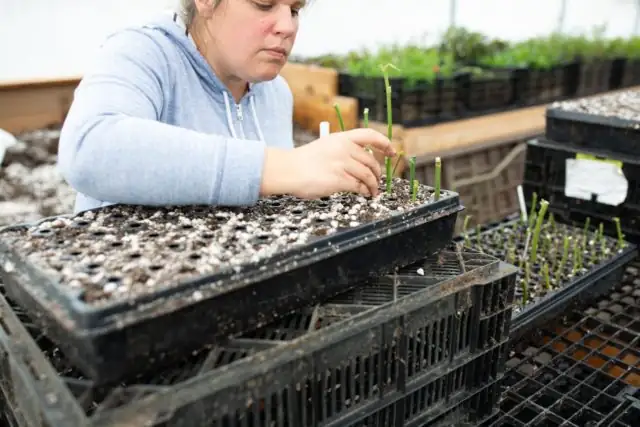
Step-by-step (fast, repeatable)
- Prep your station
- Sterilize pruners and labels.
- Fill small pots or a propagation tray with your chosen medium and firm it gently so cuttings stand upright.
- Take the cutting
- Choose vigorous, clean, non-flowering shoots.
- Cut just below a node. Remove lower leaves and any buds.
- The lightning hormone dip
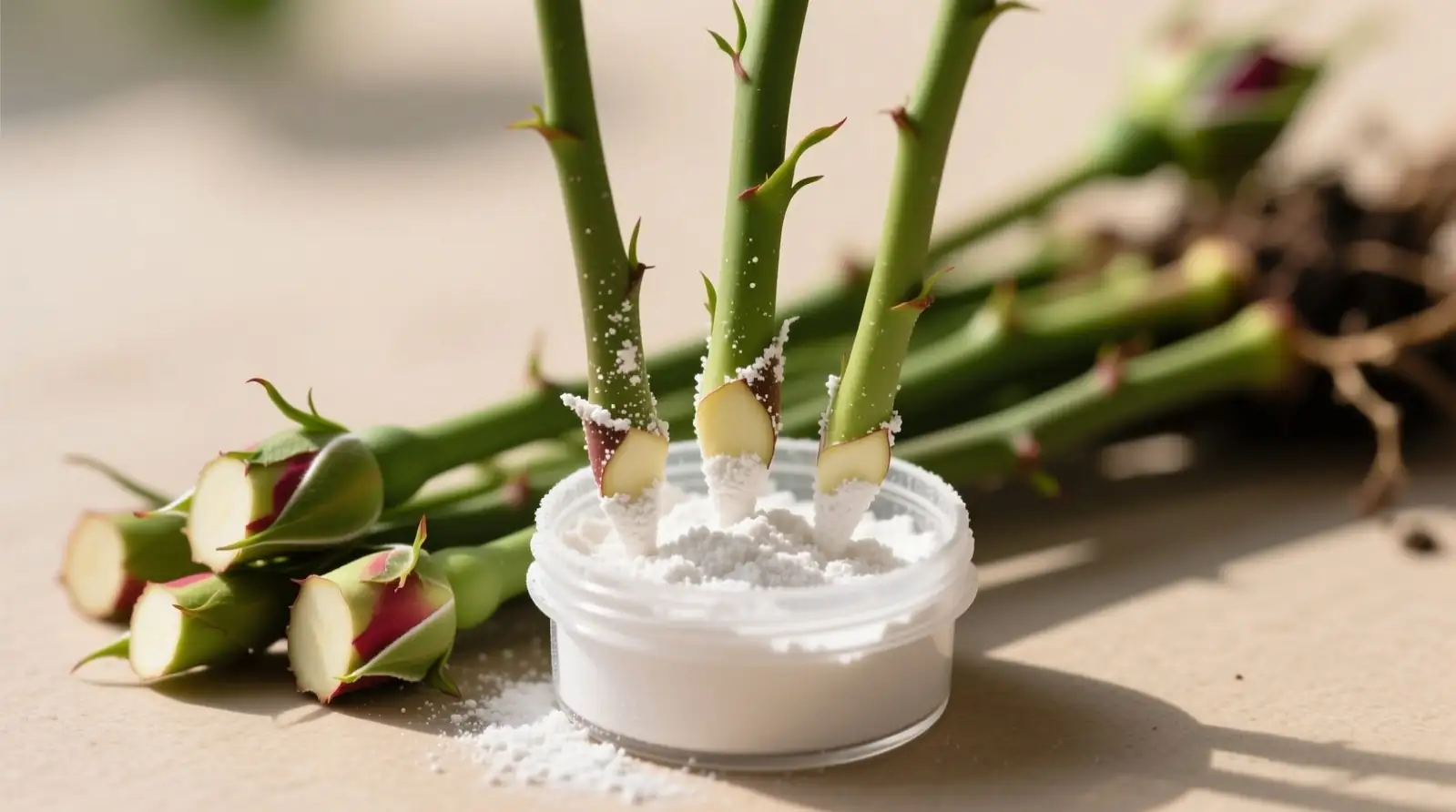
- Briefly dip the basal 1 cm (about 1/2 in) for 1–2 seconds in a rooting hormone powder or gel; tap off excess.
- Stick and settle
- Insert the cutting 1/3–1/2 its length.
- Water to settle the medium; it should be moist, never soggy.
- Create a humid microclimate
- Use a clear humidity dome, a zip bag propped off foliage, or a shaded mini-greenhouse setup.
- Keep in bright shade—no harsh sun.
- Warm, steady care
- Aim for 20–25°C (68–77°F). Brief, gentle misting is fine; avoid dripping-wet leaves late in the day.
- Vent daily to refresh air and curb fungal issues.
- Root checks and potting-on
- Spring/summer: start checking at day ~12–15.
- A gentle “tug test” should meet slight resistance; new leaf growth usually follows root formation.
- Acclimate rooted cuttings to brighter light over 5–7 days before full sun.
Pro tip: In heat waves (>30°C / 86°F), give light afternoon shade and increase airflow. Very high heat can slow rooting and scorch leaves.
Why this works (the short science)
- Warmth speeds cell division and callus formation at the cut base.
- High humidity reduces transpiration so the cutting doesn’t wilt before it can grow roots.
- Bright shade gives the energy for root initiation without baking the tender tissues.
- A brief auxin (hormone) dip improves uniformity and reduces time to first roots.
Seasonal strategy and realistic timelines
- Spring (fast lane): Expect roots in about two weeks under 20–25°C. Take cuttings from fresh, non-flowering shoots as growth surges. Keep humidity high and medium airy.
- Summer (watch the heat): Still quick (~15 days), but avoid leaf scorch. Use bright shade and ventilate domes. Water early in the day; don’t let media waterlog.
- Autumn (steady and patient): ~30 days is normal as temperatures mellow. Light and warmth matter most now; avoid pushing soft growth with heavy nitrogen.
- Winter (only if you can provide warmth): Below ~5°C (41°F) many plants go semi-dormant. Cuttings may callus but stall. If you must, root indoors with bottom warmth and bright shade at 20–25°C, or wait until spring.
Media and mini-setup options that speed success
- Reliable media choices
- Straight coarse sand, fine vermiculite, or rockwool
- Or blends that breathe: e.g., loam/compost cut with coarse sand or perlite
- Setup ideas
- Clear-lidded propagation trays with a few vent holes
- A pot-in-bag method (bag supported so it doesn’t touch leaves)
- Shaded outdoor frame with good airflow
- Keep it firm and free-draining. The medium should hold the cutting upright, stay evenly moist, and never slump into sludge.
Quick hormone dips that work (and when to skip)
- Use a commercial auxin rooting hormone (powder or gel). Dip the basal end 1–2 seconds, then shake off excess.
- Benefits: faster initiation and more even results, especially in marginal conditions.
- When you might skip: very easy-to-root cultivars in peak season. But with roses, a quick dip is a reliable boost for speed.
Budding and grafting: best windows and crisp timing
Budding/grafting lets you put prized cultivars onto vigorous rootstocks for durability and uniformity.
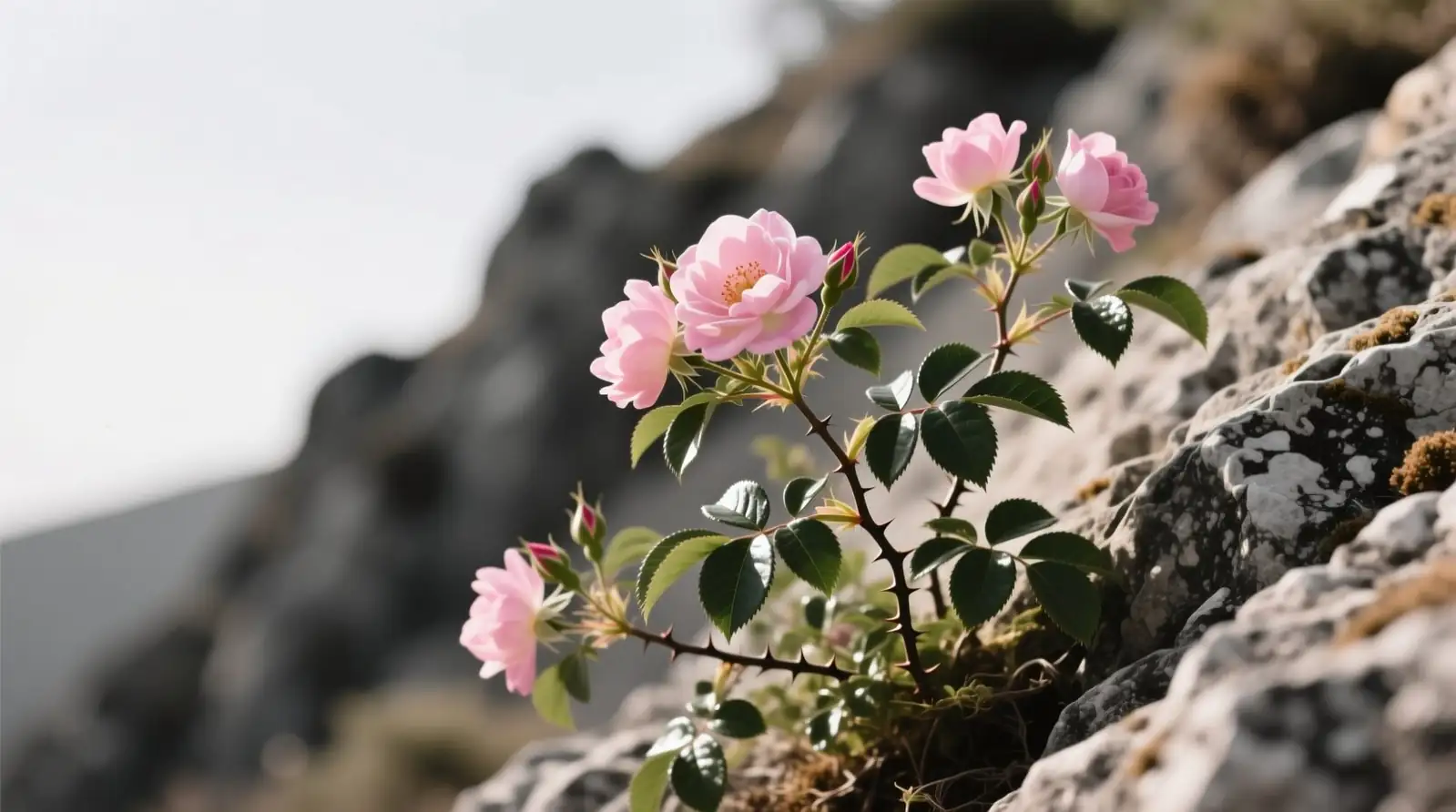
- Best season window: May–October (when sap flows and bark “slips” cleanly)
- T-budding (classic, swift)
- Choose a pencil-thick, healthy rootstock.
- Make a T-cut in the bark; slide in a shield-shaped bud from your scion.
- Wrap snugly with budding tape, leaving the bud eye exposed.
- Keep in bright shade and steady moisture (not soggy).
- Signs of take: callus under the wrap in about 10–14 days in warm conditions; the petiole stub often falls away.
- Aftercare: Once healed, head back the rootstock above the bud to force it into growth.
- Chip budding (handy when bark doesn’t slip cleanly)
- Works across much of the same window; precise cuts and firm wrapping are key.
- Graft hygiene
- Sterilize tools, use healthy scion wood, and keep wraps snug but not strangling. Shade and airflow help the union callus quickly.
Layering that actually roots fast (ground and air)
Layering lets you root a stem while it’s still fed by the mother plant—great for tricky or precious cultivars.
- Ground layering (simple and discreet)
- Choose a low, flexible cane. Lightly wound or scrape a 2–3 cm section.
- Pin it into a shallow trench; cover with a free-draining, moist mix.
- Keep evenly moist and shaded.
- Warm-season timeline: ~30–40 days to rooting, then sever and pot up.
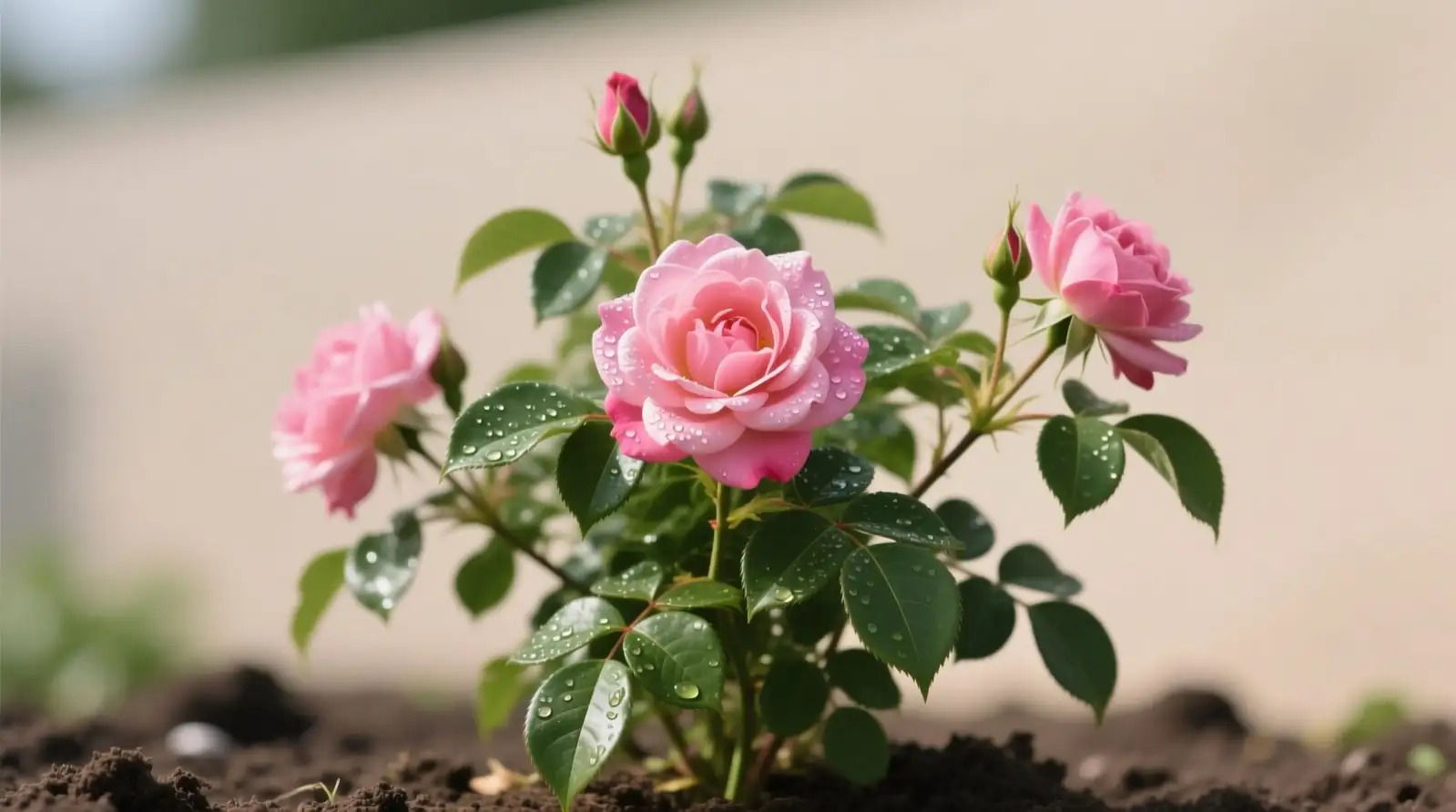
- Air-layering (neat for higher canes)
- Ring-bark or scrape a node area, dust lightly with hormone if you like.
- Wrap moist sphagnum around the wound; cover with plastic and a light-proof outer wrap.
- Keep the moss just moist. Roots typically fill the wrap in ~30–40 days in warm weather; then cut below the root mass and pot.
Troubleshooting (fast fixes for slow roots)
- Wilting or leaf drop: Raise humidity, reduce light intensity slightly, and ensure the medium isn’t waterlogged. Recut the base and re-dip if needed.
- Blackened bases/rot: Overly wet or compact media. Start over with fresher, airier medium and stricter sanitation.
- No roots after 4 weeks in spring/summer: Too cool, too much sun, or flowering wood used. Move to 20–25°C, switch to non-flowering shoots, and maintain bright shade.
- Fungal spots: Vent domes daily, water at the base, remove infected leaves promptly, and improve airflow.
Safety, selection, and setup sanity
- Wear gloves—stems are typically prickly.
- Choose disease-free, vigorous mother plants; weak or mildewed wood slows everything.
- Keep leaves dry late in the day to reduce black spot and powdery mildew risk.
- Label every cutting. Success multiplies when you track what works.
Care snapshot for your new clones
- Light after rooting: Acclimate gradually; aim for full sun outdoors long term (6–8+ hours ideal), with light afternoon shade in extreme heat to protect petals.
- Water: Deep, regular watering in active growth; let the top 2–3 cm (about 1 in) of mix dry slightly between waterings.
- Feeding: During active growth, feed every ~2 weeks; add bloom-leaning feeds during flushes.
- Pruning: Deadhead to drive new shoots and next flushes; shape and thin for airflow.
A brief note on meaning and history
The Chinese Rose is entwined with ideas of love, appreciation, and renewal—fitting for a plant that flowers again and again from late spring through autumn. Its deeper significance for gardeners goes beyond bouquet lore: Rosa chinensis is a cornerstone of rose history, bringing repeat-blooming genes from China into Western breeding and reshaping what “a rose” could be. Every quick-rooted cutting is a small act of continuity with that living legacy.
—
With warmth, humidity, bright shade, and a 1–2 second hormone assist, Rosa chinensis responds quickly—often rooting in about two weeks at peak season. Layering gives you an almost sure-fire backup, and budding from May to October sets you up with vigorous, uniform plants. Keep it clean, keep it airy, and let this classic rose do what it was bred to do: rebound, repeat, and reward.