

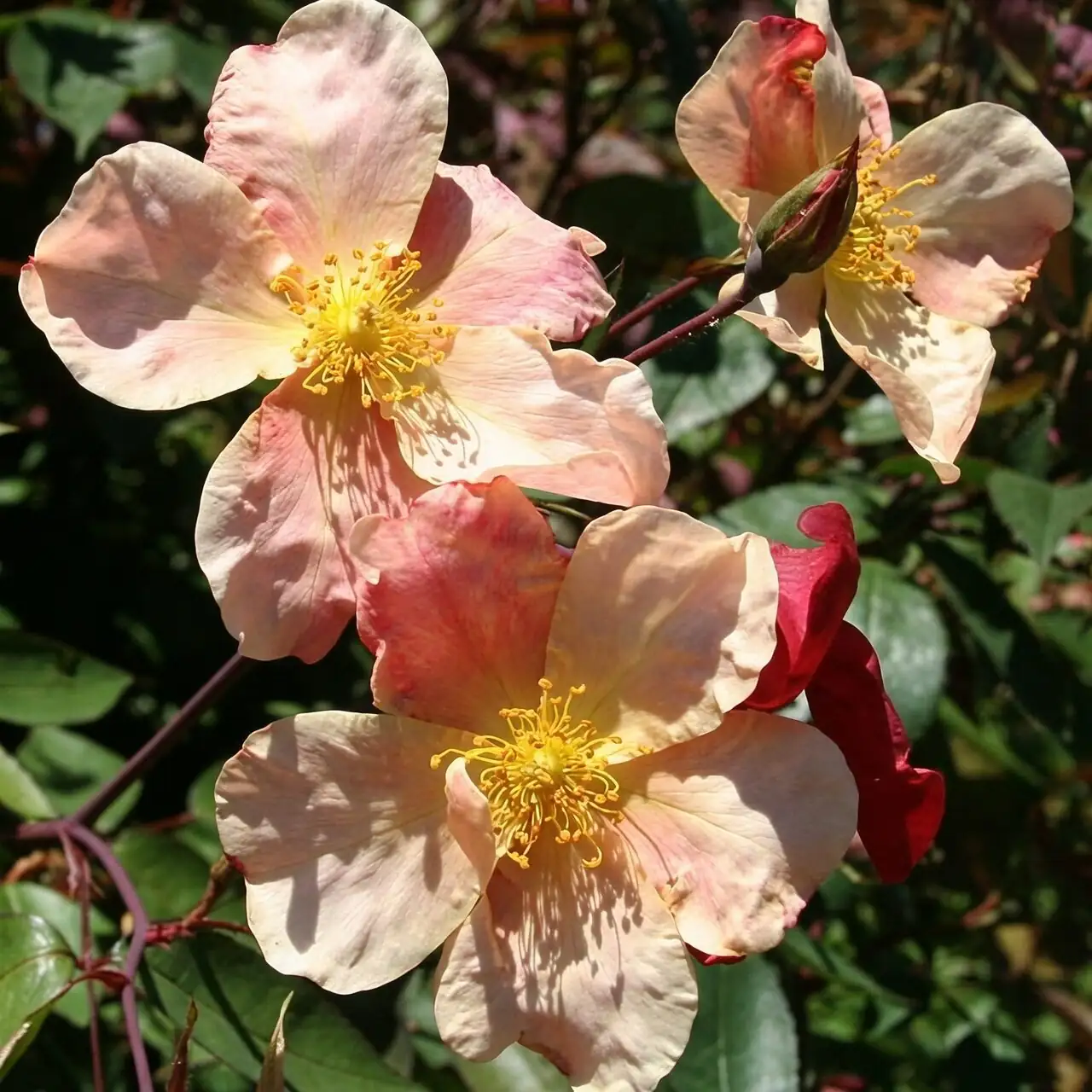
Rosa chinensis, the beloved “Chinese Rose” (月季), is a plant that rewrote the world’s rose story. Native to China and famed for blooming in repeated flushes from late spring through autumn, it threaded its way into two powerful traditions of meaning: China’s flower-language (花语) and Victorian floriography. Together, these traditions sculpted the modern rose’s emotional vocabulary—love, renewal, appreciation—and the Chinese Rose’s repeat-blooming habit gave those ideas a living heartbeat: enduring affection that returns, again and again.
Meet Rosa chinensis: the rose that keeps its promises
- Identity: Rosa chinensis (family Rosaceae), also called Chinese Rose, China Rose, “Monthly Rose,” and widely used as a parent of modern garden roses.
- Origin and influence: Indigenous to China; later introduced to Europe (18th–19th centuries), where its repeat-flowering genes transformed Western rose breeding and paved the way for today’s modern, ever-blooming cultivars.
- Why florists and gardeners adore it: A long flowering season, countless colors and forms (from single to very double, often fragrant), and the ability to rebloom in flushes with full sun, regular feeding, and smart pruning.
How flower language took root: Chinese 花语 and the Victorian code
Flower language is not just pretty poetry—it’s cultural shorthand shaped by history, values, and gardening realities.
In Chinese 花语
- Core associations: love, beauty, appreciation, celebration, and renewal. The rose that opens, rests, and returns mirrors the rhythms of relationships and the seasons.
- Cultural texture: In Chinese contexts, flower meaning often blends aesthetics (graceful forms, fragrance), seasonality (cyclical bloom), and propriety (what is appropriate to send, when, and to whom). The Chinese Rose’s dependable reblooming naturally suggested heartfelt constancy.
In Victorian floriography
- A coded conversation: Victorians famously used flowers to “speak” when words were constrained by etiquette. Roses became the lexicon’s leading verbs and adjectives: declarations of love, shades of admiration, and degrees of devotion.
- The China–Europe fusion: Once Chinese roses arrived in Europe, their habit of flowering again and again intensified the symbolism—love not as a single blaze but as a steady flame that renews itself.
Result: Across both traditions, Rosa chinensis carried forward a shared message—love, renewal, and appreciation—now universal in modern gifting culture.
Why repeat-blooming means “enduring affection”
Rosa chinensis doesn’t stop at a single spring spectacle. Given strong sun and consistent care, it produces multiple waves of flowers from late spring through autumn. That botanical rhythm became metaphor:
- First flush: the spark of attraction.
- Summer cycles: love practiced, reaffirmed, and appreciated.
- Autumn bloom: devotion that matures yet still surprises.
The plant’s life story enacts the message—constancy with delightful returns.
Decoding color symbolism (with cultural roots and nuance)
Color meanings are guides, not laws; they vary by time and place. Use them thoughtfully—and consider the recipient’s culture.
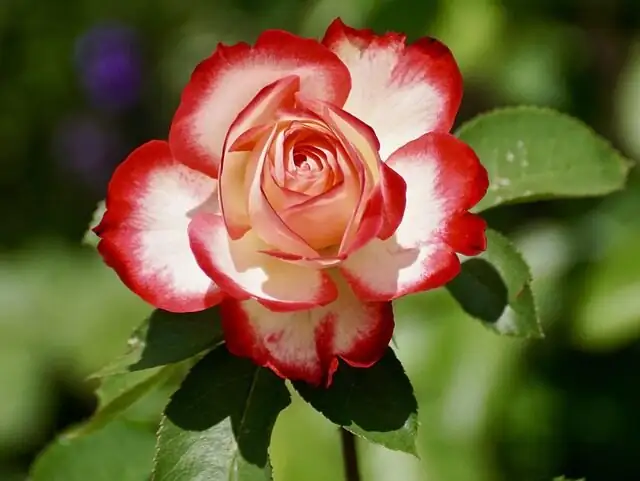
Red
- Victorian: ardent love and passion.
- Chinese traditions: romantic love and heartfelt sincerity; a joyful, auspicious color for celebrations.
- When to gift: anniversaries, proposals, Valentine’s Day, milestone celebrations.
Pink
- Victorian: admiration, gentleness, grace.
- Chinese traditions: gratitude, sweetness, and tender affection.
- When to gift: thank-you bouquets, new relationships, birthdays, Mother’s Day.
White
- Victorian: purity, virtue, new beginnings.
- Chinese contexts: purity and respect, but note that white is also a color of mourning in many Chinese customs. White roses may be chosen for solemn occasions or minimalist, elegant aesthetics.
- When to gift: weddings (depending on local practice), graduations, memorials, or as refined, contemporary décor.
Yellow
- Victorian (historical): sometimes jealousy or cooling affection—yet meanings softened over time.
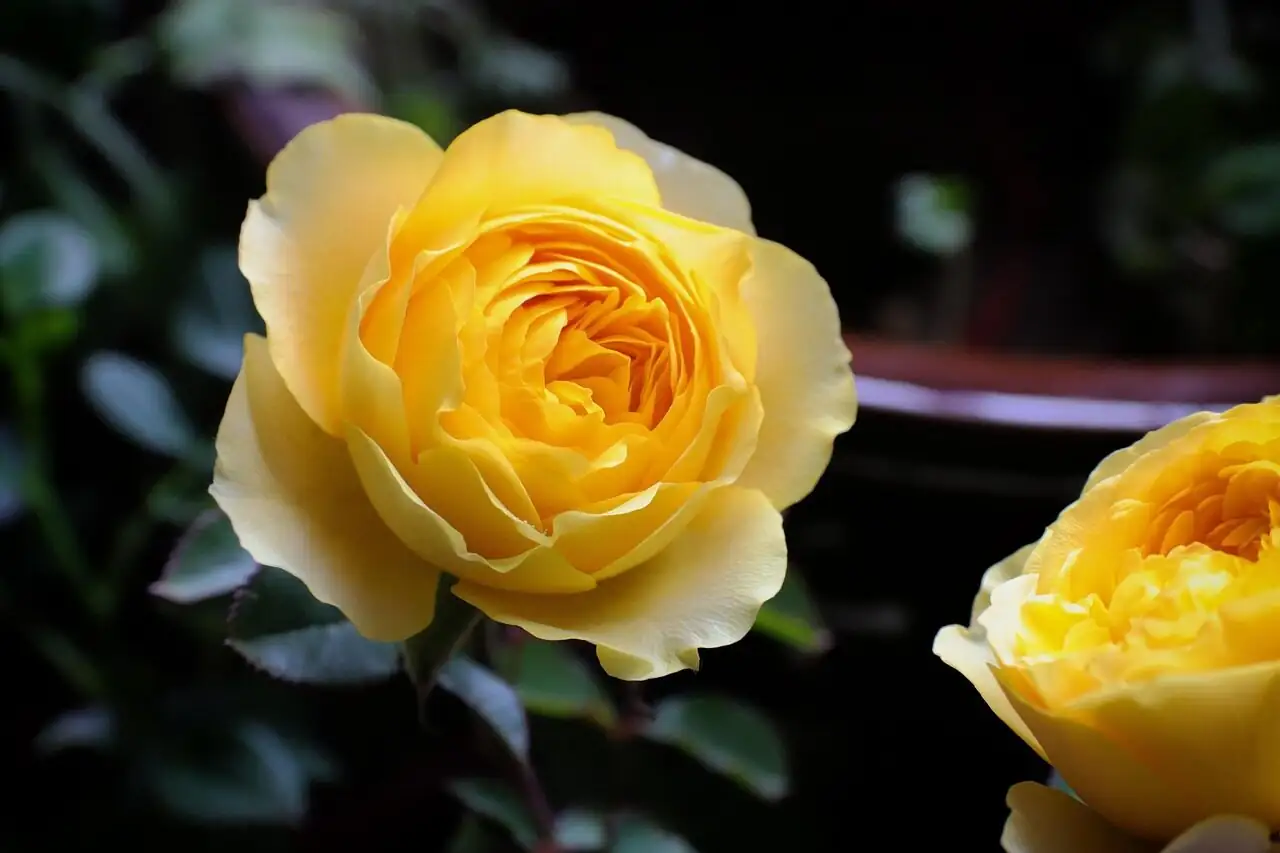
- Modern/Chinese-leaning contexts: warmth, friendship, cheer, and in some settings, prosperity.
- When to gift: friendships, congratulations, bright pick-me-ups. If the recipient leans traditional Victorian, mix yellow with warm pinks to tip the message toward joy.
Orange and peach
- Orange: enthusiasm, fascination, and “I’m captivated.”
- Peach: appreciation, sincerity, and “I value you.”
- When to gift: new ventures, thank-yous, and bridges between friendship and romance.
Tip: Bicolors and modern novelty shades read as contemporary and playful—great for design-forward recipients who value uniqueness over tradition.
When and how to gift the Chinese Rose
Rosa chinensis works beautifully as both cut flowers and as a living potted gift.
Perfect occasions
- Love and partnership: dates, proposals, anniversaries, Valentine’s Day.
- Renewal moments: new jobs, new homes, recovery milestones, seasonal celebrations.
- Appreciation: mentors, caregivers, hosts, teachers, and friends.
Cut-flower know-how (for longer vase life)
- Harvest stage: Choose stems where the sepals have reflexed and the outer petals are just beginning to loosen—this usually outlasts fully-open blooms.
- Heat is the enemy: Avoid leaving bouquets in intense midday sun; petals can scorch and fade faster.
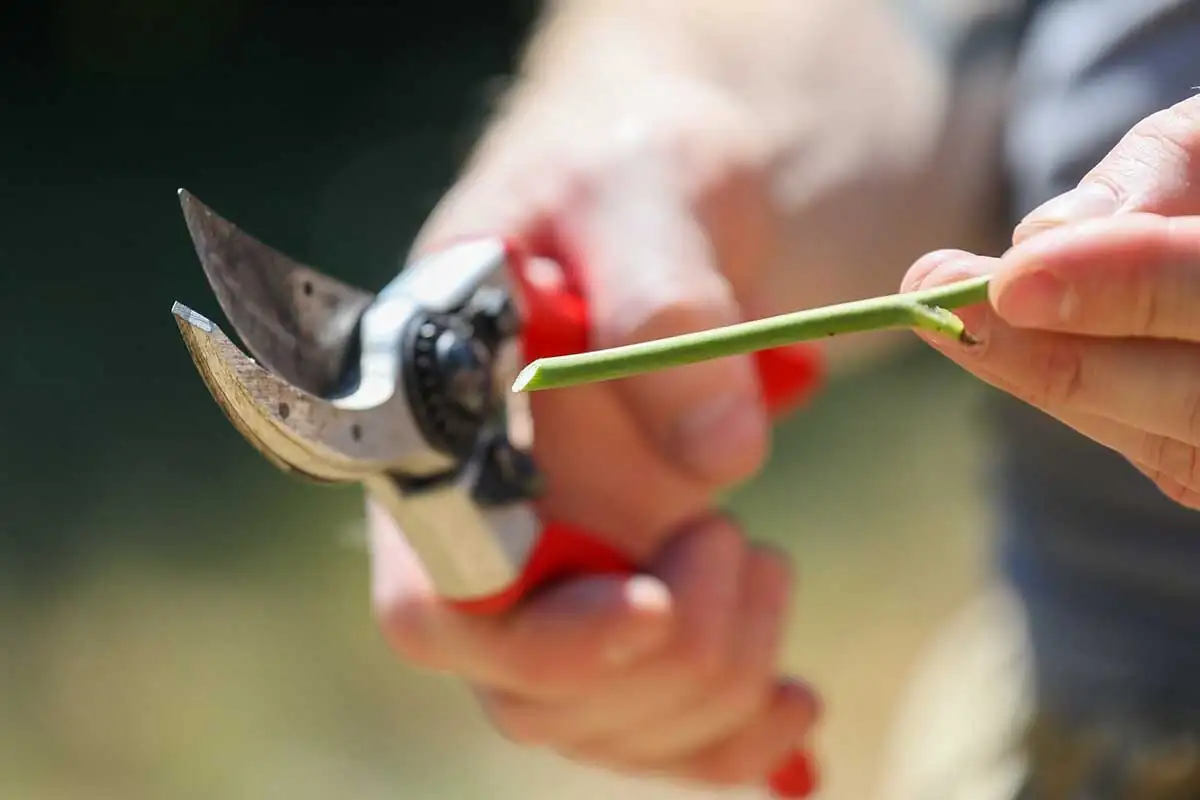
- Water and prep: Recut stems at an angle, strip lower leaves, and place in clean water; refresh frequently.
Gifting a potted Chinese Rose
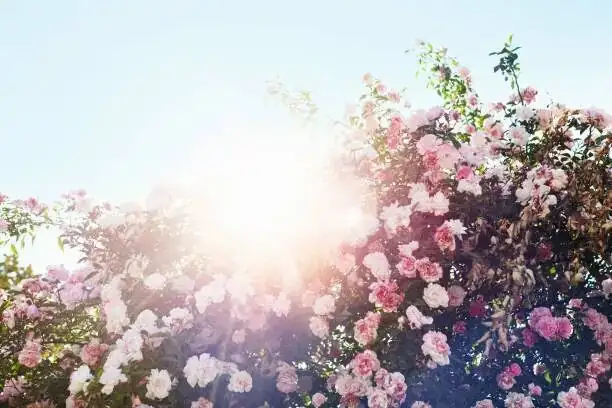
- What to look for: Lush, clean foliage, multiple plump buds just showing color, and 1–2 blooms just opening. Avoid heavy black spot or powdery mildew.
- A friendly heads-up: Potted roses do best outdoors in strong sun (balconies, patios, bright gardens). They’re fine indoors for short-term display, but long-term health wants 6–8+ hours of direct light and good airflow.
- Care note to include with your gift:
- Sun: full sun is best; light afternoon shade can help in extreme heat.
- Water: keep evenly moist (never soggy); water at the base to keep foliage dry.
- Deadhead: remove spent blooms to encourage the next flush—your message of “enduring affection” will literally reappear.
Brief feng shui notes (practical and respectful)
- Best zones:
- Southwest (love/partnership) for romance.
- South (fame/recognition) for celebratory bouquets in public rooms.
- East (family/health) for gentle, renewing energy.
- Thorns and qi: In classical feng shui, thorns can introduce “sharp” energy. For indoor arrangements, consider removing thorns, using softer-petaled forms, or placing arrangements away from tight passageways and the head of the bed.
- Light matters: For live plants, prioritize outdoor placements where the plant can truly thrive. Healthy, vigorous growth aligns with positive qi far better than a struggling, light-starved specimen.
Cultural etiquette: small but meaningful considerations
- Color context counts: White is elegant and pure in many places but can be read as solemn in some Chinese settings; choose red/pink/peach for joyous Chinese New Year or weddings unless you know white is welcome.
- Stem counts and mixed-color “rules” vary by region and family tradition; if in doubt, prioritize the recipient’s taste and the story you want the bouquet to tell.
A short botanist’s corner: the living symbolism behind the bloom
- Habit: A woody, bushy shrub (often 60–150 cm tall; miniatures 20–60 cm). Leaves are pinnate; stems typically prickly—handle with care.
- Flowers: Singles to very doubles in red, pink, white, yellow, orange, and bicolors; often fragrant. Reblooming from late spring to autumn, especially with regular feeding and timely pruning.
- Sun and season: Full sun (6–8+ hours) powers repeat flushes. In peak summer heat, light afternoon shade helps protect delicate petals.
- Gentle mastery:
- Feed every two weeks during active growth; add bloom-focused feeds during flowering.
- Deadhead to push new shoots; prune before spring bud break to shape and renew.
- Watch airflow and water at the base to limit black spot and powdery mildew.
This is why Chinese Rose symbolizes renewal so convincingly: its horticulture and its meaning are twins. Under strong light and steady care, it answers with another flush—just as affection deepens when nourished.
Bringing it all together: craft your message
- For steadfast romance: Deep red or red-pink blend, presented as a living potted rose with a note—“May our love bloom in every season.”
- For gratitude and grace: Soft pinks or peach, perhaps with a single white bloom to nod to sincerity.
- For joyful milestones: Warm yellows and oranges, balanced with coral or blush to keep the tone celebratory and affectionate.
- For reflective moments: All-white or white-with-soft-green accents, composed simply and respectfully.
Rosa chinensis doesn’t merely symbolize love, renewal, and appreciation—it performs them. Every cycle of buds and blooms says what words sometimes can’t: affection that returns, gratitude that grows, and beauty that’s renewed by care. In flower language both East and West, that’s the truest kind of promise.