

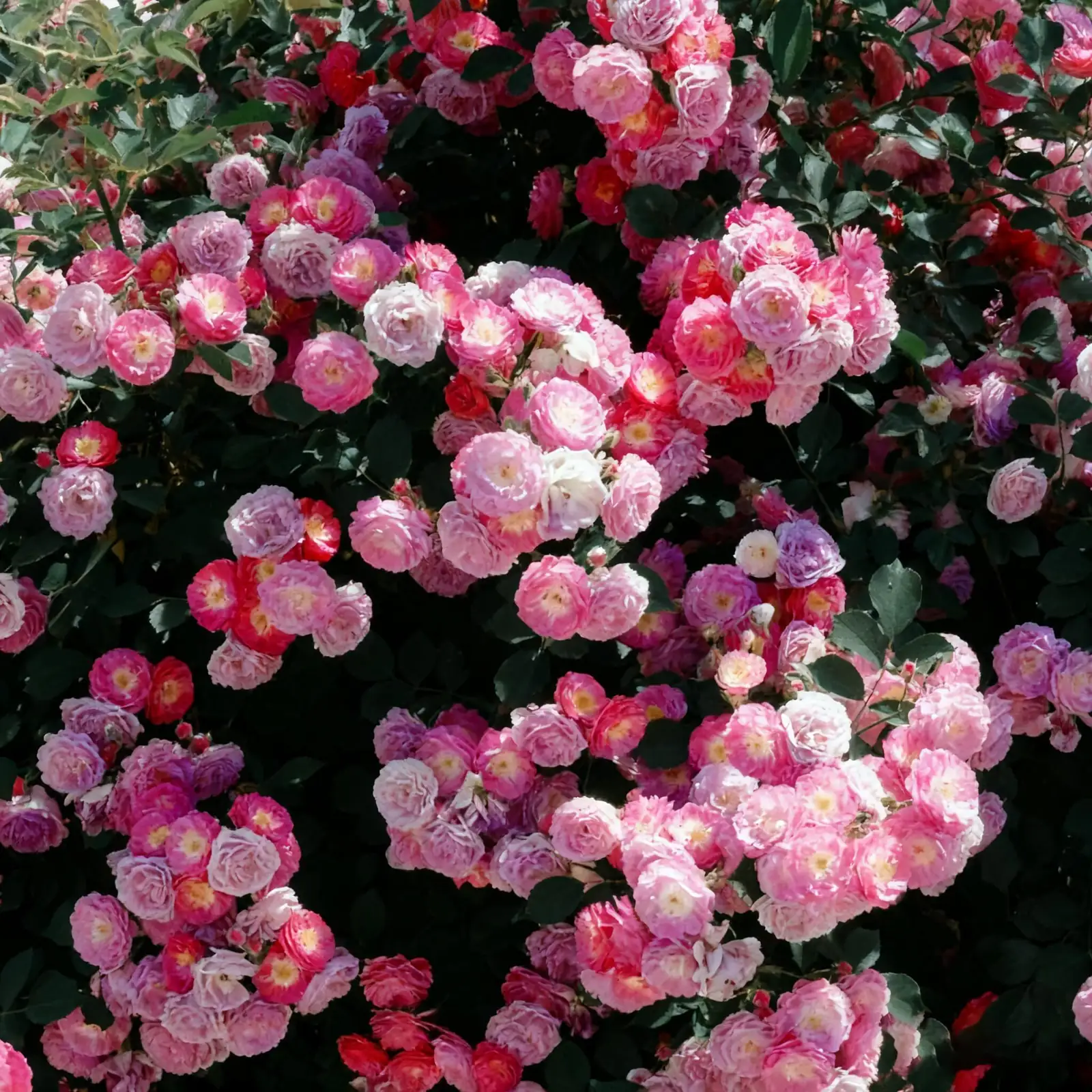
Rosa chinensis, the Chinese rose—aka the “monthly rose”—is the plant world’s overachiever: it blooms again and again, shrugs off a dizzying range of flower styles and colors, and still asks for the same simple things: sun, steady water, and a good meal. Ready for a fun fact tour that doubles as a pro grower’s cheat sheet? Let’s go.
Why it’s called the “monthly rose”
- In Chinese, it’s 月季 (Yueji): a nod to its habit of blooming in multiple flushes from late spring through autumn. Historically, gardeners marveled that this shrub seemed to offer something fresh nearly every month of the growing season.
- That repeat-blooming superpower is why Chinese roses reshaped the global rose scene—they passed “flower again and again” genetics into many modern garden roses.
One species, many disguises—same care DNA
Stand miniatures next to modern shrub types, climbers, or old-fashioned doubles and you might swear they’re different plants. Yet these wildly varied cultivars run on the same cultural code:
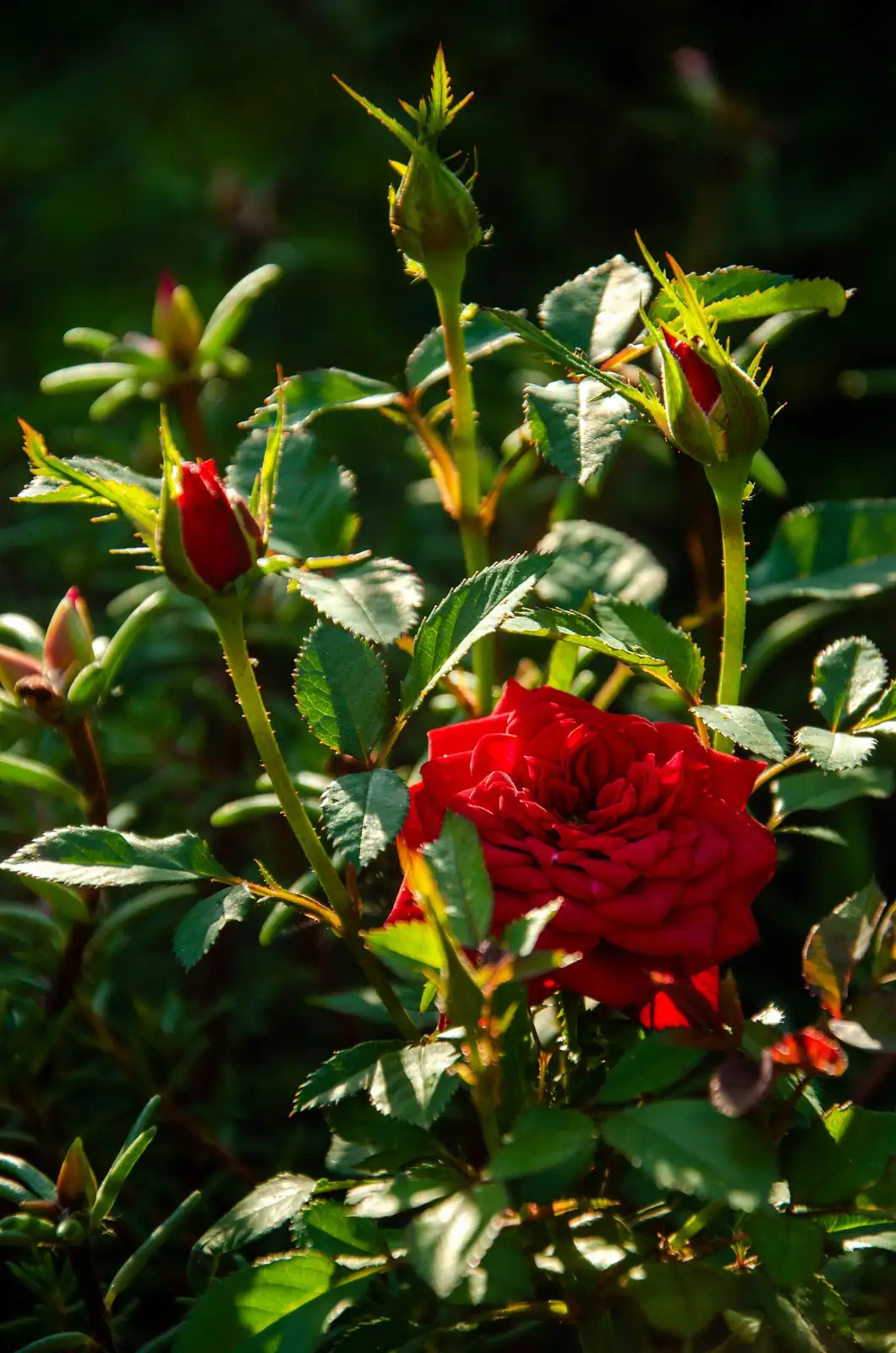
- Sun: 6–8+ hours of direct light fuels bud factories.
- Air: open spacing and breezes beat back black spot and powdery mildew.
- Soil: rich but freely draining, slightly acidic to neutral.
- Rhythm: consistent watering and regular feeding keep the repeat show rolling.
Fun crossover: tiny pot roses owe a lot to miniature forms linked to Rosa chinensis (notably the diminutive var. minima used for 19th‑century pot culture), while today’s modern roses still trace “keep-blooming” heritage to Chinese ancestors.
Quick plant profile (so you know who you’re pampering)
- Family/genus: Rosaceae, Rosa
- Origin: China; a key ancestor of modern repeat‑blooming garden roses
- Habit and size: Woody shrubs from 20–60 cm miniatures up to 60–150 cm bush forms; climbers and arching types exist by cultivar
- Blooms: Single to very double, often fragrant; a rainbow from red/pink/white to yellow/orange and bicolors
Sun, soil, sip, and snack: the essentials
- Sunlight
- Full sun is best (6–8+ hours). In very hot summers, light afternoon shade helps protect buds and prevents petal scorch.
- Temperature
- Happy zone: 20–25°C (68–77°F). Growth can slow above 30°C (86°F). Many cultivars tolerate about −15°C (5°F), with some hardy picks closer to −20°C (−4°F) if well-sited and protected.
- Watering (container rhythm to copy)
- Spring: about once per week
- Summer: 2–3 times per week (more in heat)
- Autumn: about once per week
- Winter: much less—keep just barely moist during dormancy
- Let the top ~2–3 cm (≈1 in) dry slightly between waterings; water at the base to keep foliage dry.
- Soil and pots
- A fertile, airy mix: loam/compost plus coarse sand/perlite. Blend in well‑rotted manure or compost.
- Repot annually in early winter or early spring; refresh the mix and check roots.
- Feeding
- Every ~2 weeks in active growth with a balanced rose fertilizer.
- During heavy flowering, add 2–3 extra doses of a bloom‑leaning feed higher in P and K.
- Go gentle in early spring (tender new roots) and taper off late autumn.
Heat waves and the great petal fade
- Extreme summer sun can bleach delicate pigments and even scorch petals. A touch of afternoon shade during heat peaks, plus prompt deadheading, keeps the show crisp and encourages the next flush.
Pruning that powers blooms
- Timing
- Do major shaping just before spring bud break (late winter to early spring). Avoid pruning too early in winter—premature growth can get frost‑burned.
- Technique
- Remove weak, crowded, and inward‑growing stems.
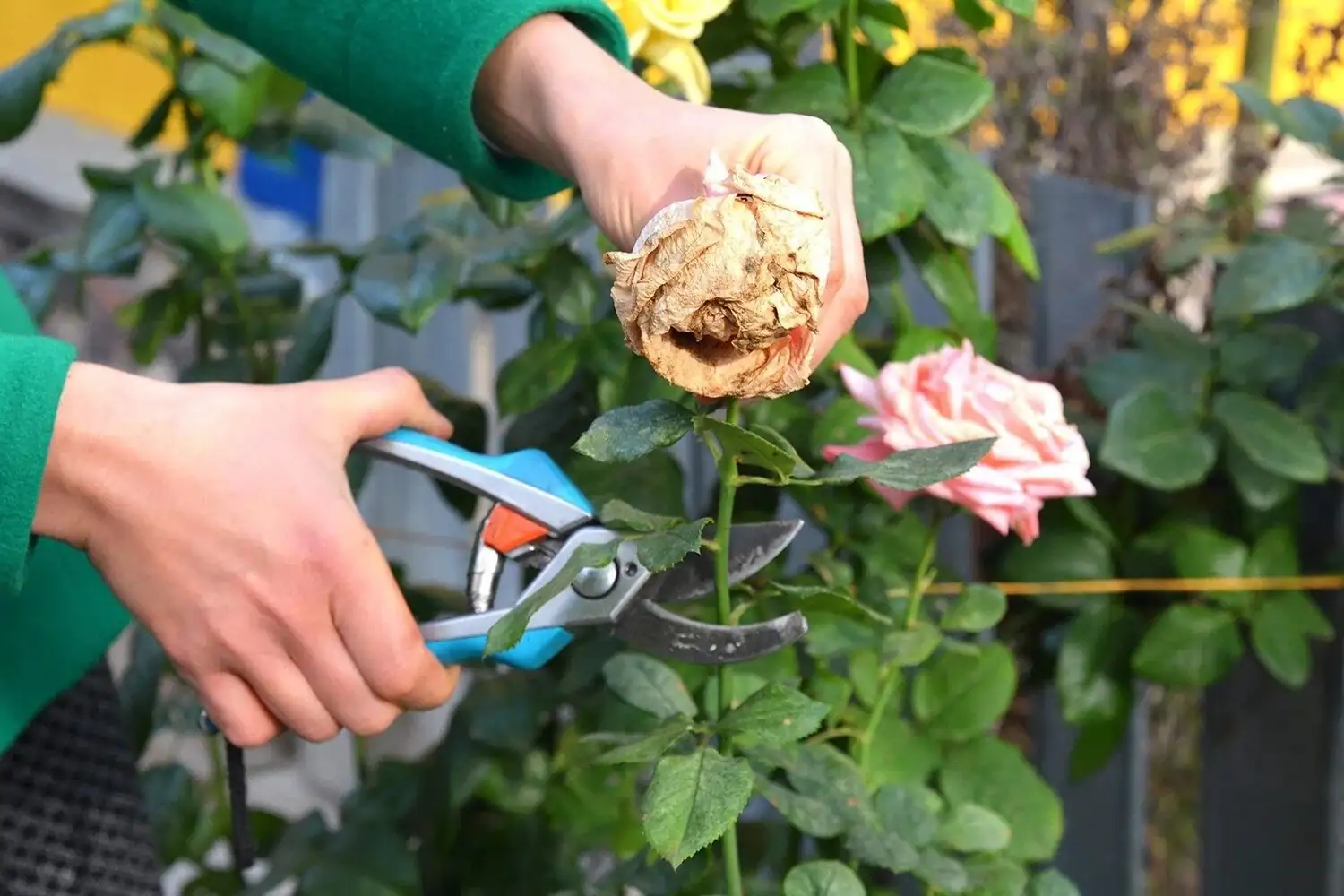
- After each flush, deadhead back to just above a strong leaf (often one with 5 leaflets).
- Want bigger blooms? Disbud side buds so one flower develops per stem.
- For compact container shrubs: keep ~3 strong main branches and hard‑prune to around 15 cm (6 in); miniatures are often thinned rather than cut hard.
- On grafted plants, remove rootstock suckers promptly.
The super‑fast cutting trick (rooting in as little as ~15 days)

Yes, Chinese roses are famously cooperative with cuttings—especially in warm seasons.
- What to take
- Healthy shoot tips 8–10 cm (3–4 in) long; keep 3–5 small leaflets at the top.
- Medium and setup
- Insert 1/3–1/2 of the cutting into clean, free‑draining medium (coarse sand, vermiculite, rockwool, etc.).
- Warm, bright shade at 20–25°C (68–77°F) with high humidity; ventilate lightly to avoid rot.
- Optional: a 1–2 second dip in rooting hormone boosts success.
- How fast?
- Spring/summer: often ~15 days to root.
- Autumn: about ~30 days. Winter cuttings may callus first and root later.
- Bonus methods
- Bud grafting (commonly May–October) and layering/air‑layering (often 30–40 days to root in warm conditions) also work well.
Cut‑flower pro tip: harvest at reflexed sepals

For the longest vase life—especially with red/pink cultivars—cut stems when:
- Sepals have reflexed (folded back), and
- Outer petals are just beginning to loosen, not fully open.
Then:
- Strip leaves below the waterline, recut stems on a slant, use clean water and a sanitized vase, and refresh water frequently.
Pests and diseases: quick defense playbook
- Likely culprits: black spot, powdery mildew, aphids, scale, caterpillars/sawfly larvae, borers.
- Prevention first
- Sun, airflow, and base‑only watering reduce fungal outbreaks.
- Remove infected leaves fast and clean up fallen foliage to cut overwintering spores.
- Intervention
- Blast aphids with water, hand‑pick chewing pests, encourage beneficial insects.
- Use horticultural soaps/oils or locally labeled treatments when needed and follow directions.
Where it came from—and how it changed roses forever
- Chinese roses (Rosa chinensis and cultivated forms) traveled from China to Europe in the 18th–19th centuries and revolutionized breeding by gifting repeat‑flowering to Western lines.
- Miniature rose culture for pots took off in the 19th century, with dwarf forms closely tied to R. chinensis, underscoring how this species seeded both grand garden hybrids and the tiniest “teacup” roses we enjoy today.
Indoors or outdoors?
- Outdoors wins. Potted roses thrive on balconies, patios, and garden beds with sun and airflow. Indoors is best kept to short‑term display before returning plants to bright outdoor conditions.
Hardiness, placement, and winter care
- General fit: roughly USDA Zone 5–9 (cultivar and rootstock matter).
- Dormancy often kicks in below ~5°C (41°F). In cold regions, mulch and provide wind shelter (and protect pots) for better spring rebound.
Buying guide: pick a winner
- Choose compact plants with lush, clean foliage and many plump buds just showing color; 1–2 blooms just opening help you judge fragrance and form.
- Skip specimens with obvious black spot or heavy powdery mildew.
- After purchase: give maximum sun, keep the mix evenly moist (never soggy), and maintain good airflow.
A simple seasonal rhythm
- Spring: Major pruning and repotting before strong new growth; start gentle feeding; scout for aphids and early mildew.
- Summer: Water more often, feed regularly, deadhead promptly; provide light afternoon shade in heat waves.
- Autumn: Steady moisture; light feeding early, then taper; enjoy the late flushes.
- Winter: Keep on the dry side but don’t let the root ball fully dry; delay heavy pruning until just before bud break.
Safety and handling
- Generally non‑toxic to people and pets, but those prickles are real—gloves recommended. Ingesting lots of plant material may cause mild stomach upset.
Flower language, thoughtfully considered
- Roses often symbolize love, beauty, appreciation, celebration—and, for repeat‑blooming Chinese roses, “enduring affection” feels fitting.
- But beware blanket “rules” about color meanings or bouquet numerology; these vary widely by culture and era. Let the plant’s long season and your local traditions guide the message.
The punchline
Whether you grow a fist‑sized, high‑centered bloom or a palm‑sized pompon, the monthly rose’s care is reassuringly consistent: drench it in sun, keep roots evenly moist but never soggy, feed on schedule, prune with purpose, and give it air. Do that, and Rosa chinensis will make good on its nickname—month after month of color, from balcony pot to garden border.