

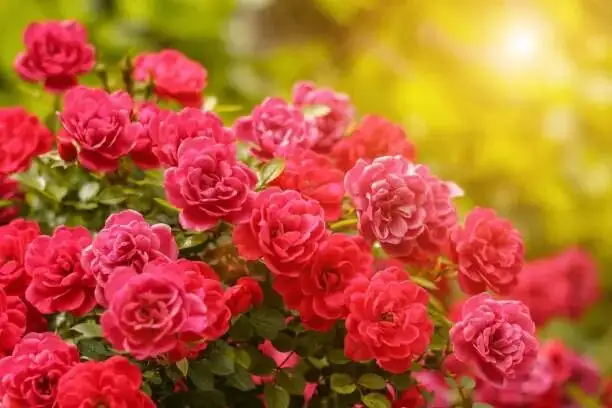
Imagine a plant that taught Europe how to keep the party going. For centuries, roses in the West gave one glorious spring performance and bowed out. Then Rosa chinensis—月季, the “monthly rose” of Chinese courtyards—stepped onto the world stage and pressed “repeat.” Its gift for blooming in flush after flush transformed breeding, rewrote garden fashion, and underpins most of today’s long-season roses. Here’s the lively origin story of the Chinese Rose’s great migration and how its repeat-flowering magic still powers your garden.
Born to bloom again: the Chinese courtyard star
In China, Rosa chinensis was cherished long before it boarded European ships. Cultivated as a potted treasure and garden staple, it was prized for:
- Repeat flowering: not just a spring fling—plants cycle from late spring through autumn in multiple flushes.
- Dazzling variety: from single to very double blooms, often fragrant; reds, pinks, whites, yellows, oranges, and bicolors depending on cultivar.
- Versatility: happy in pots on balconies or in bright garden beds, rewarding steady care with months of color.
No wonder Chinese gardeners dubbed it 月季—“monthly”—a nod to its encore habit.
The East–West voyage that changed rose history
An 18th–19th century plant drama
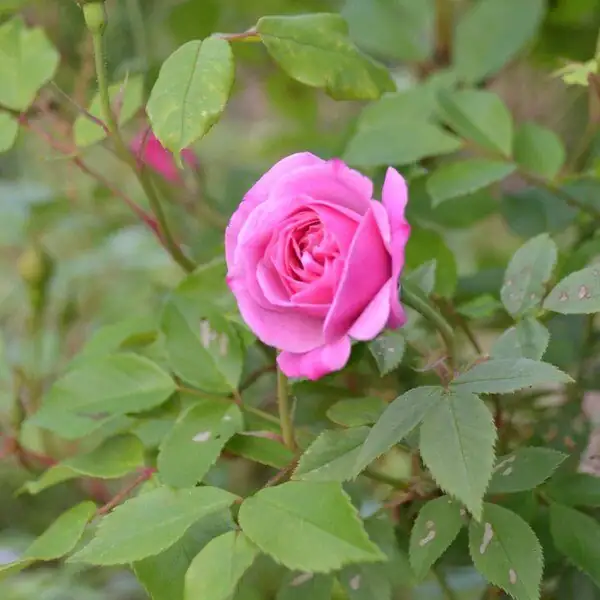
By the late 1700s and early 1800s, living plants and seed of China roses reached European nurseries. Names like ‘Parsons’ Pink China’ and ‘Slater’s Crimson China’ were early sensations, quickly joined by other tea-scented forms. European roses of the day (Gallicas, Damasks, Centifolias) were spectacular—but mostly once-blooming. Crossing them with Rosa chinensis unlocked something revolutionary: roses that repeat.
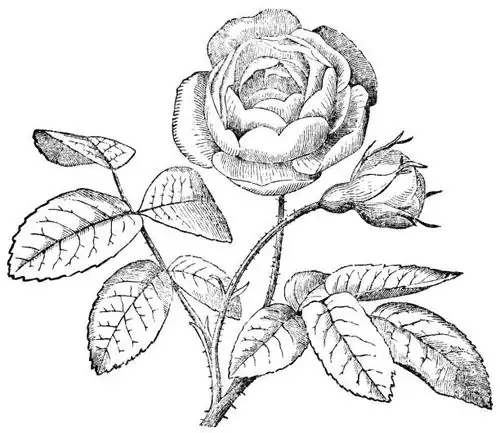
- Early hybrid classes (19th century): Bourbons, Noisettes, and Tea roses bridged East and West.
- The modern era: Over generations of hybridization involving Asian and European species, breeders refined the repeating habit into hybrid teas, floribundas, and beyond—most trace their long season back to Rosa chinensis genes.
The trait that rewired roses
At the heart of this shift was a genetic “switch” for remontancy (repeat-flowering). When breeders folded the Chinese Rose into European lines, they moved that switch too. The result was a new kind of garden rhythm—roses that wake in spring, bloom, reset, and bloom again, now standard in gardens and on balconies around the world.
Small wonders: the miniature saga
A charming subplot stars the tiny forms linked to Rosa chinensis var. minima—miniature, recurrent-blooming roses that lit up 19th-century windowsills. Stories tell of dwarf Chinas traveling via Indian Ocean waystations before surging through European pot-plant fashion. By the mid-1800s Paris florists sold them by the thousand; later, the trend swung toward polyanthas and then looped back into today’s beloved miniatures. Their ancestry? Strongly tied to the Chinese Rose’s repeat-blooming heritage.
From ancestor to everyday favorite
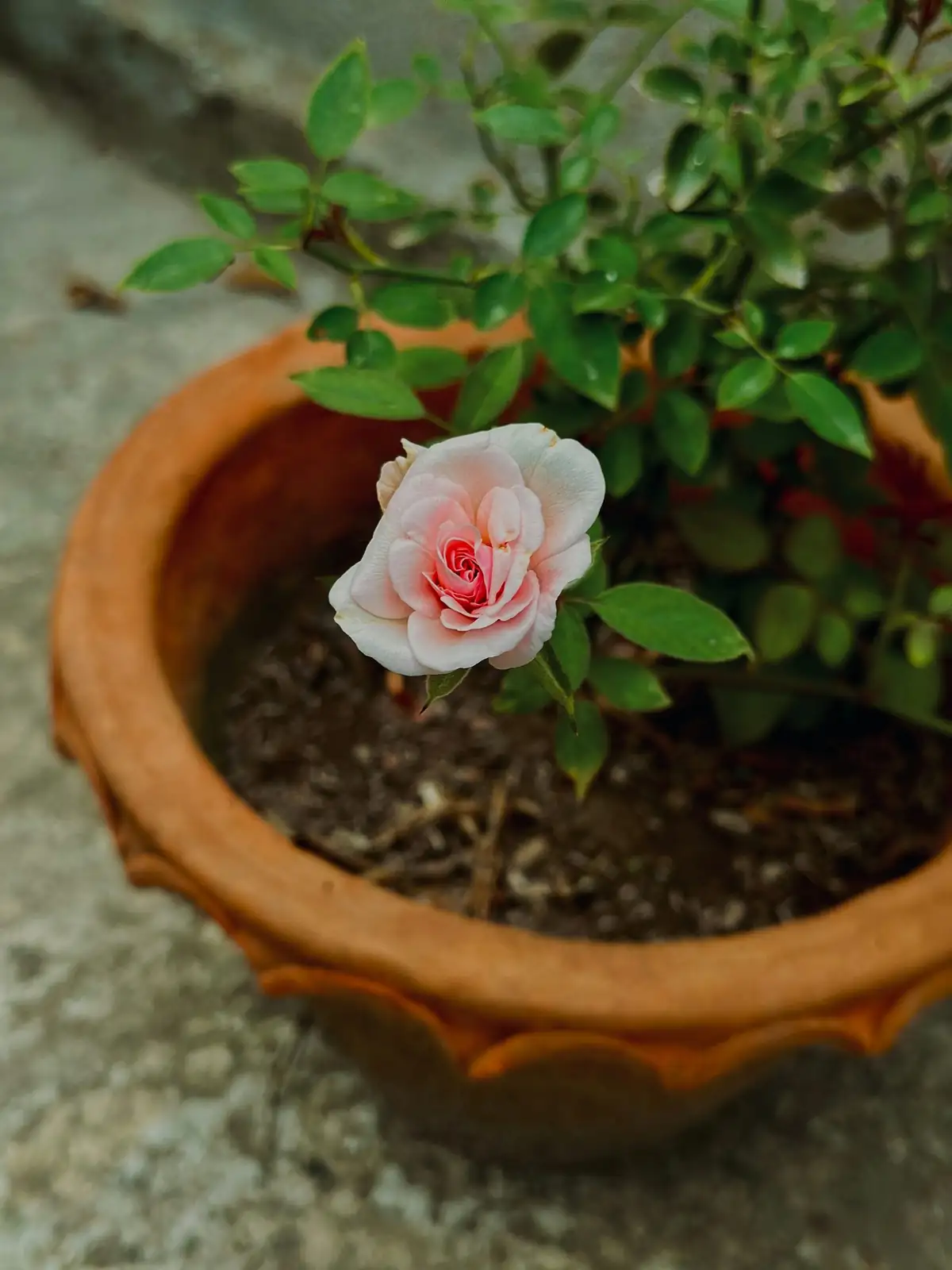
Rosa chinensis isn’t just a historical donor; many cultivars remain superb garden plants in their own right.
- Habit and size: Woody shrubs from compact miniatures (20–60 cm) to garden forms around 60–150 cm (2–5 ft); habits range from bushy and upright to arching or climbing.
- Foliage and feel: Dense, leafy stems with pinnate leaves; stems carry prickles—handle with care.
- Blooming style: Showy flowers, often fragrant, repeating late spring through autumn. In intense summer sun, petals may scorch or fade faster; deadheading pushes new shoots and the next flush.
- Cut-flower tip: Harvest when sepals have reflexed and the outer petals just begin to loosen for the best vase life—especially on red and pink blooms.
Grow it like the old masters: a practical guide
Light and placement
- Full sun is best: aim for 6–8+ hours daily. Not shade-tolerant.
- In very hot summers, give light afternoon shade to protect buds and petals.
- Potted roses prefer the great outdoors—sunny balcony, patio, or a well-drained bed with good airflow.
Soil and temperature
- Soil: Rich, fertile, free-draining, slightly acidic to neutral; for pots, use a loam/compost-based mix lightened with coarse sand or perlite. A base of well-rotted manure or compost helps.
- Temperature: Grows best around 20–25°C (68–77°F). Many cultivars tolerate about -15°C (5°F), and hardier selections to ~-20°C (-4°F) with protection. Typical suitability is roughly USDA Zone 5–9 (cultivar and rootstock matter).
Watering rhythm (containers)
- Spring: about once weekly.
- Summer: about 2–3 times per week (more in heat).
- Autumn: about once weekly.
- Winter: keep just barely moist; don’t let the root ball bone-dry. Let the top ~2–3 cm (about 1 in) dry slightly between waterings. Water at the base to keep foliage drier.
Feeding to fuel repeats
- During active growth, feed every ~2 weeks with a balanced rose fertilizer.
- While flowering, add 2–3 extra rounds of a bloom-leaning feed higher in phosphorus and potassium.
- Go gentle in early spring to protect tender roots; taper feeding in late autumn to avoid frost-tender growth.
Pruning for performance
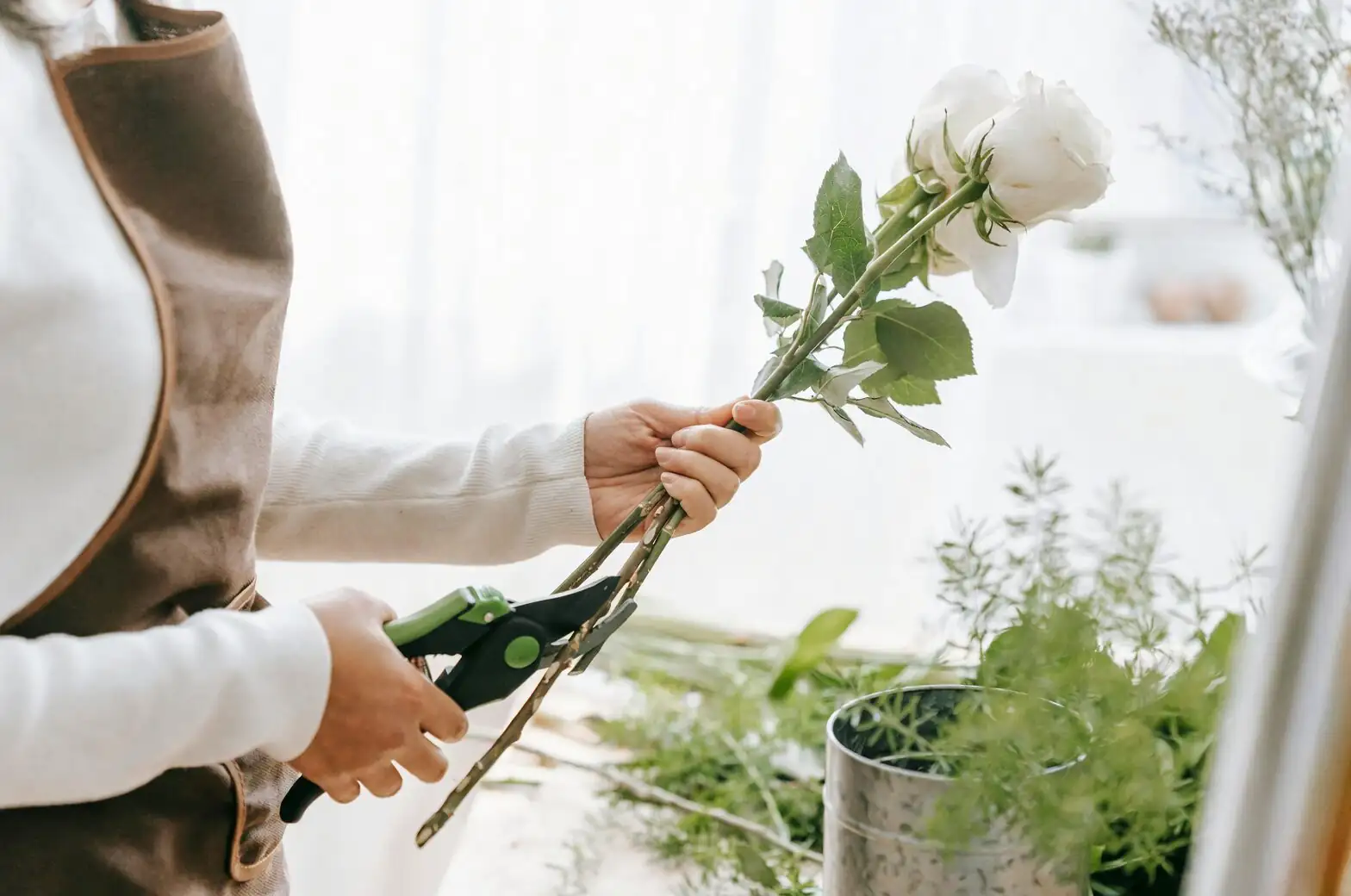
- Major pruning: late winter to early spring, just before bud break. Remove weak, crowded, and inward-growing stems to boost airflow.
- After each flush: deadhead to just above a strong leaf (often a 5-leaflet leaf) to cue the next round.
- For bigger blooms: disbud so one flower develops per stem.
- Container shrubs: many growers keep ~3 strong main canes and hard-prune to about 15 cm (6 in). Miniatures are usually thinned rather than hard-cut.
- On grafted plants: remove rootstock suckers promptly.
Pests and diseases
- Common foes: powdery mildew, black spot; aphids, scale, caterpillars/sawfly larvae, borers.
- Prevention: sun, space, airflow; water at the base; promptly remove infected leaves; winter-clean diseased wood and leaf litter. Use integrated pest management—hand-squash aphids, encourage beneficials, and use horticultural soap/oil or labeled treatments when needed.
Repotting and propagation
- Repot annually in early winter or early spring; refresh mix and check roots. Typical pots: 15–18 cm (6–7 in) for many patio roses; miniatures 10–15 cm (4–6 in).
- Propagation: stem cuttings, budding/grafting, or layering. In warm seasons, cuttings can root quickly—often in about two weeks in spring/summer and roughly a month in autumn if kept warm (20–25°C), humid, and in bright shade.
Meaning and myth: what does the Chinese Rose say?
Roses carry a global vocabulary—love, beauty, appreciation, celebration. The Chinese Rose adds a nuanced note: renewal and enduring affection, expressed by its repeat bloom. Much of the “flower language” people quote today blends:
- Ancient reverence for roses across cultures.
- The Victorian craze for floriography (assigning meanings to flowers).
- Local customs around color and number that vary by region.
Rather than a fixed dictionary, think of Rosa chinensis as a living metaphor: a plant that keeps showing up—again and again—with color and grace.
A brisk timeline of an epic journey
- Centuries in China: cultivated as a courtyard and pot rose, selected for remontancy and beauty.
- 1768: Rosa chinensis formally described by Nikolaus Joseph von Jacquin.
- Late 18th–early 19th century: Chinese roses arrive in Europe; repeat-flowering trait electrifies breeders.
- 19th century: Bourbons, Noisettes, and Tea roses rise—stepping-stones to modern garden classes.
- Today: Most long-season garden roses owe their repeat-blooming habit to Chinese Rose ancestry.
Cultivar snapshots and what to expect
- ‘Old Blush’ (a classic China): pink, repeat-blooming, historically influential in breeding.
- ‘Mutabilis’: celebrated for flowers that shift color through the day—an artist’s palette in motion.
- Miniature Chinas: petite powerhouses descended from dwarf forms, ideal for bright windowsills and patios.
- Plus, countless modern cultivars—hybrid teas, floribundas, shrub and patio roses—drawing on Chinese Rose genetics for long, rolling seasons of color.
Expect diversity: two “monthly roses” can look completely different yet share the same winning needs—sun, airflow, regular water, and steady feeding.
Safety note
Generally non-toxic to people and pets, but those prickles mean business; sap may irritate sensitive skin. If lots of leaves are ingested, mild stomach upset is possible—so display within admiration range, not chewing distance.
Why this origin story still matters
Plant a Chinese Rose—or one of its many descendants—and you’re growing living history. Every fresh flush is a reenactment of the moment Rosa chinensis rewrote the script for roses worldwide: not a single act, but a season-long symphony. And the best seat in the house? Your garden, balcony, or front stoop.