

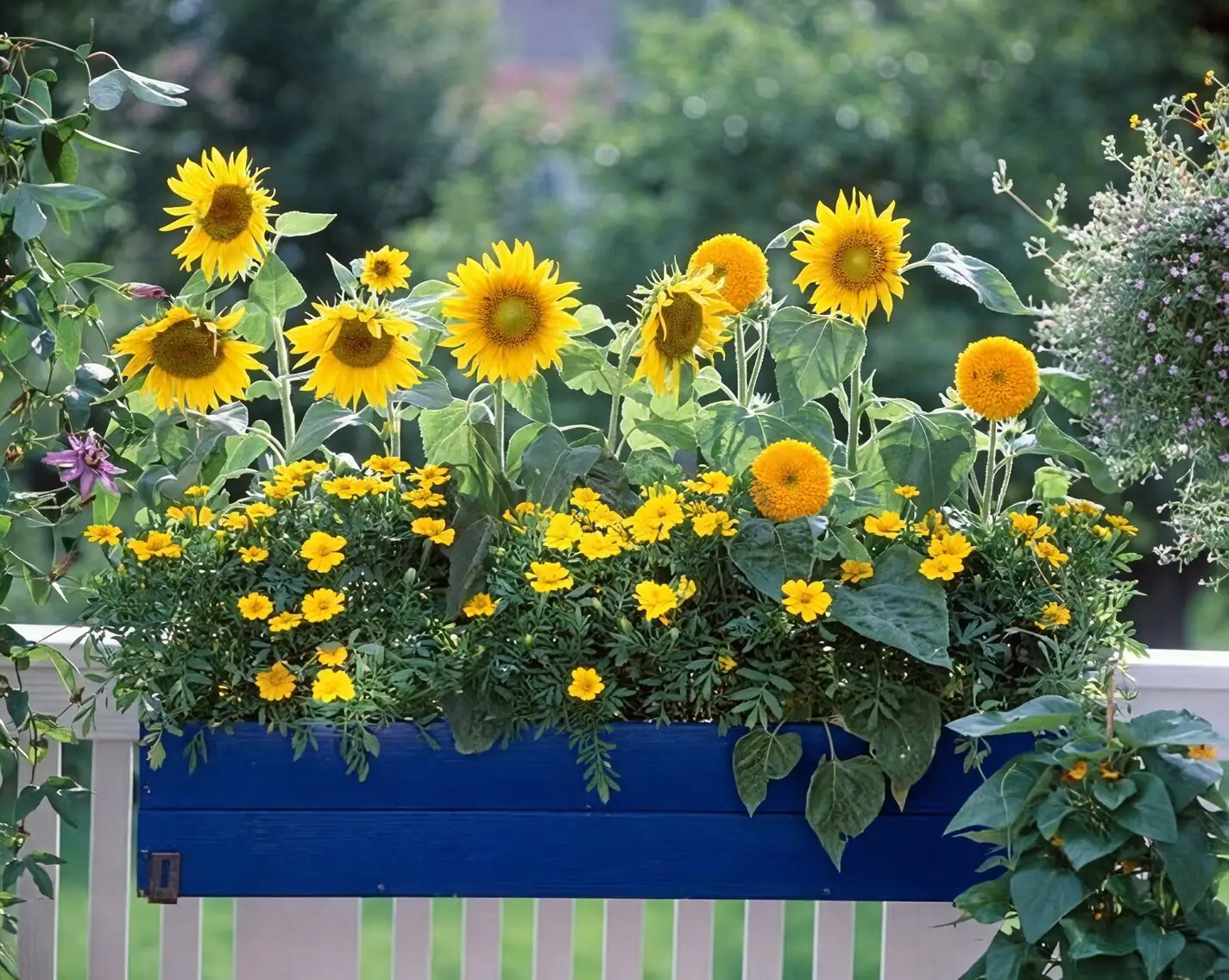
Meet Rosa chinensis, the Chinese Rose—your endlessly blooming, balcony-brightening, border-beautifying companion. Think of it as a small sun-powered factory: give it strong light, steady water, and regular “snacks,” and it will repay you with flush after flush of flowers from late spring through autumn. Below is your cheerful, step-by-step calendar and toolkit for success—perfect for containers on a sunny balcony or a well-aired garden bed.
Your Sunlight Game Plan (Balcony and Garden)
- Daily goal: 6–8+ hours of direct sun. This is the single biggest driver of blooms.
- Best placements:
- Balcony: South- or east-facing is excellent. West-facing works too; in very hot summers, give light afternoon shade.
- Garden: Open, airy spots with no overhead competition. Good airflow helps prevent mildew and black spot.
- Hot-climate hack: When temperatures push past 30°C (86°F), offer light afternoon shade to protect petals and buds from scorching.
Container Setup That Roses Love
- Pot size:
- Patio/bush forms: about 15–18 cm (6–7 in) diameter is a common starting size.
- Miniatures: 10–15 cm (4–6 in) works well.
- Tip: Bigger pots buffer heat and water better—step up as the plant fills the container.
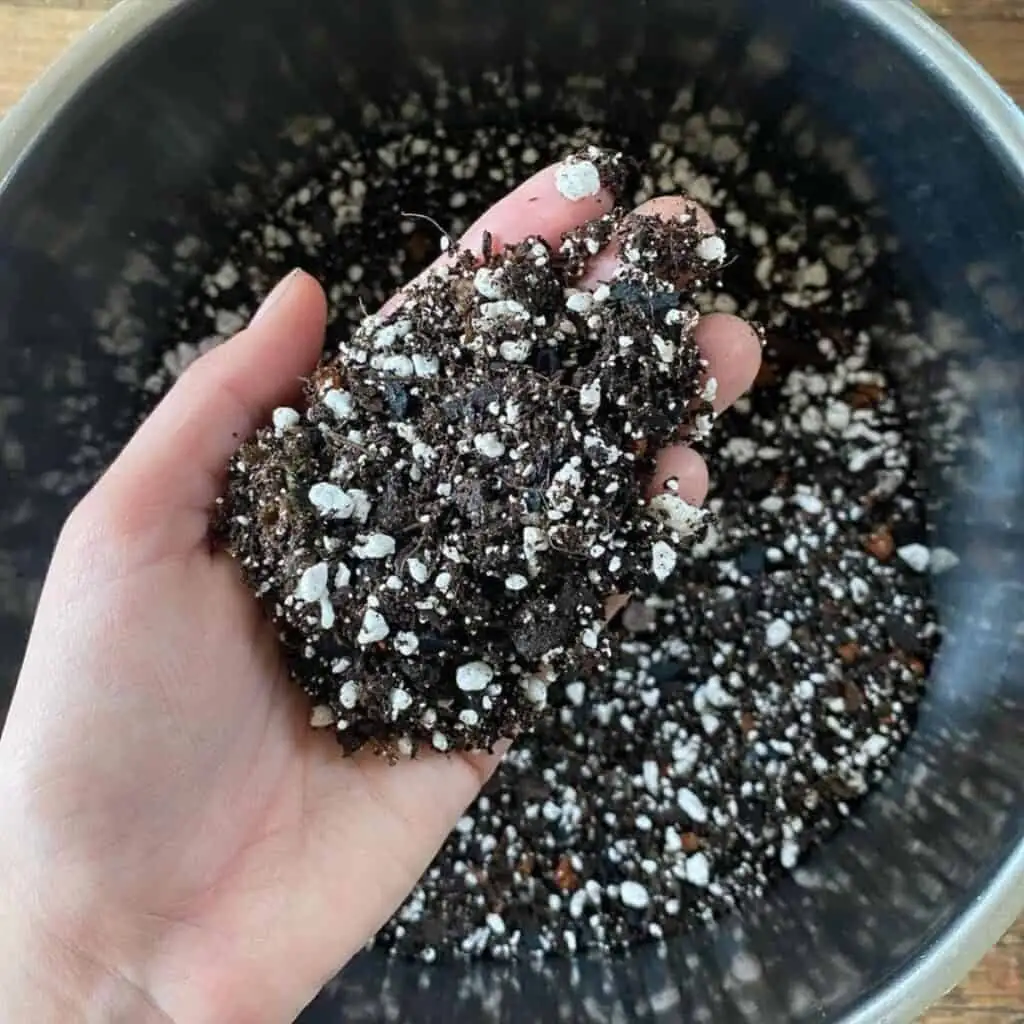
- Mix: Rich, free-draining, slightly acidic to neutral.
- Blend loam/compost or leaf mold with coarse sand or perlite for aeration.
- Work in well-rotted manure or compost as a base amendment.
- Drainage: Essential. Keep saucers emptied. Roses dislike soggy feet.
Watering Rhythm by Season (Simple, Predictable, Bloom-Boosting)
Think deep drinks, not sips. Let the top 2–3 cm (about 1 in) of mix dry before watering again, and always water at the base to keep foliage drier.
- Spring: About once per week.
- Summer: About 2–3 times per week (more during heat or wind).
- Autumn: About once per week.
- Winter: Much less—keep just barely moist during dormancy. Don’t let the root ball bone-dry.
Pro tip: Lift the pot—weight tells you more than the surface does. Light pot = time to water.
Feeding: Every Two Weeks for Repeat Blooming
Repeat-blooming roses are hungry athletes.
- Frequency: Every 2 weeks during active growth.
- Bloom booster: During flowering, add 2–3 extra applications of a phosphorus- and potassium-leaning fertilizer.
- Spring finesse: Keep early-spring feeds mild to avoid burning tender new roots.
- Late autumn: Taper off so plants don’t push soft, frost-tender growth.
Pruning the Smart, Simple Way
- Major pruning: Late winter to early spring, just before bud break. Avoid pruning too early in winter (it can trigger growth that gets frosted).
- Goals: Shape, airflow, and stimulating strong new flowering shoots.
- How-to:
- Remove weak, crossing, inward-growing, or dead wood.
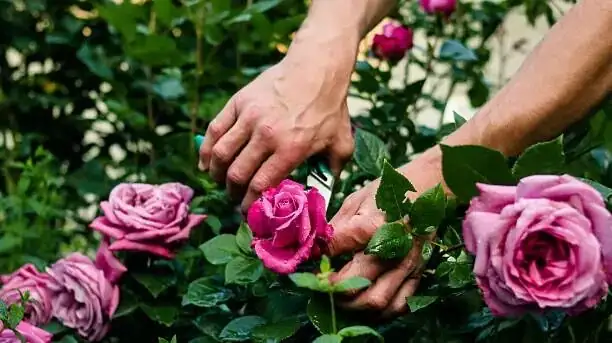
- Deadhead after each flush—cut back to just above a strong leaf (often one with 5 leaflets).
- For larger individual blooms, disbud so one flower develops per stem.
- Container shrubs: Many growers keep ~3 strong main branches and hard-prune to around 15 cm (6 in) above soil line. Miniatures are usually thinned more than shortened.
- Grafted plants: Remove rootstock suckers promptly (shoots arising from below the graft).
Month-by-Month (Northern Hemisphere—shift as needed)
- January
- Dormant time in cold regions. Keep barely moist. No feeding. Good time to plan repotting and supplies.
- February
- Watch for warming trends. Still go light on water. Prepare to prune late in the month or early March (timing depends on your local bud break).
- March
- Major prune before strong new growth. Repot now if needed. Begin gentle feeding as new roots awaken. Scout for early aphids and powdery mildew.
- April
- Growth surges. Hold the sun target (6–8+ hours). Water about once per week; start the every-2-weeks feed rhythm.
- May
- Buds and first blooms—keep moisture even. Deadhead promptly to cue the next flush. Maintain airflow and water at the base.
- June
- Warmer days. Water 2–3 times per week as needed. Add an extra bloom-leaning feed. Keep foliage dry; tidy any spotted leaves.
- July
- Heat management: early-morning watering, light afternoon shade in very hot spells. Expect shorter flushes if temps exceed 30°C (86°F).
- August
- Continue the rhythm—steady water, 2-week feeds, quick deadheading. Thin congested growth lightly for airflow if needed.
- September
- Cooler nights bring a lovely flush. Keep watering reliable. One more bloom-leaning feed if plants are actively pushing buds.
- October
- Enjoy late flushes. Begin tapering fertilizer toward month’s end. Clean up fallen leaves to reduce disease carryover.
- November
- Growth slows. No major pruning yet. Water less—just prevent full dry-out. In cold regions, prep winter protection for pots.
- December
- Dormancy below about 5°C (41°F). Keep on the dry side, no feeding. Avoid early pruning; wait until just before spring growth returns.
Quick Fixes for Slowdowns
Heat wave playbook (above 30°C / 86°F)
- Shift containers to light afternoon shade and ensure strong airflow.
- Increase watering frequency; water early morning for best uptake.
- Deadhead quickly to reduce energy drain from fading blooms.
- If growth has clearly stalled, pause feeding until temperatures ease, then resume the every-2-weeks plan.
Dormancy or cold snaps (around and below 5°C / 41°F)
- Move pots to a protected spot out of harsh wind; mulch in-ground plants.
- Water sparingly—keep the root ball just barely moist.
- Hold fertilizer until active growth returns.
- Don’t prune early; wait for late winter to early spring just before bud break.
Balcony vs. Garden: Tiny Tweaks, Big Payoffs
- Balcony growers:
- Prioritize maximum sun exposure; rotate pots every week for even growth.
- Heat reflects off walls—check moisture more often mid-summer.
- Avoid indoor growing beyond short-term display; outdoor air and sun make all the difference.
- Garden growers:
- Give roses their own airy “solar panel” space—no crowding by shrubs.
- Site with morning sun to dry dew quickly and reduce disease pressure.
Pest and Disease Speed-Solutions
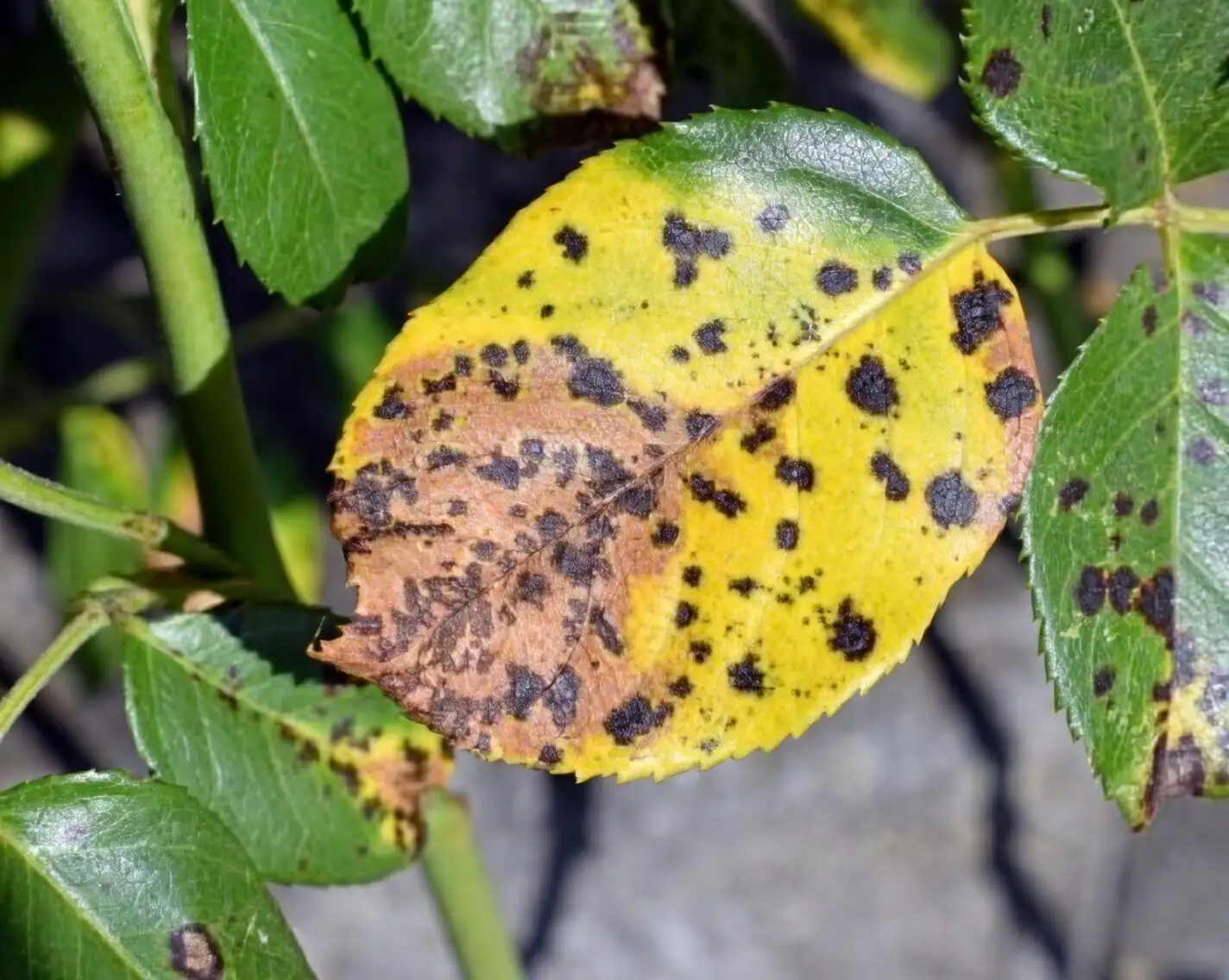
- Powdery mildew, black spot:
- Prevention first: full sun, airflow, base watering, and clean-up of fallen leaves.
- Remove infected leaves promptly. Prune out diseased wood in winter.
- Aphids and other sap suckers:
- Blast off with water or hand-squish early infestations.
- Encourage beneficial insects; use horticultural soap or oil if needed (follow local labels).
- Chewers (caterpillars/sawflies):
- Hand-pick; protect tender flushes and check undersides of leaves.
Safety note: Roses are generally non-toxic to people and pets, but those prickles mean business—gloves save knuckles. Ingesting large amounts of plant material can upset stomachs.
Cut-Flower Insider Tip
For the best vase life (especially red and pink cultivars), harvest when sepals have reflexed and the outer petals are just starting to loosen—not when fully open.
A Quick Guide to Choosing Forms
- Miniatures: 20–60 cm (8–24 in); perfect for compact balconies.
- Bush/garden forms: Often 60–150 cm (2–5 ft), with bushy, upright, or arching habits.
- Climbing tendencies vary by cultivar; all appreciate an open, sunny, well-drained position.
Repotting, Fast and Friendly
- Timing: Early winter or early spring is ideal (before strong new growth).
- Check roots, refresh mix, and step up one size if the root ball is tight.
- For new in-ground plantings, dig deeply, amend with compost/manure, and set in autumn or early spring.
The Meaning and the Story: Why This Rose Feels Like “Renewal”
Flower language (花语) has roots in centuries of garden culture and poetry, later popularized by Victorian floriography. Chinese roses—prized for their repeat flowering—came to symbolize enduring affection, appreciation, and the kind of beauty that returns again and again. Historically, cultivars of Rosa chinensis traveled from China to Europe in the 18th–19th centuries and transformed rose breeding by contributing the trait of repeat bloom to many modern garden roses. So when your plant cycles through flush after flush, it’s not just a pretty show—it’s a living emblem of constancy and renewal.
Your One-Glance Success Checklist
- Sun: 6–8+ hours of direct light, with light afternoon shade only in extreme heat.
- Water: Base water; keep evenly moist in growth, barely moist in dormancy. Let top 2–3 cm dry between drinks.
- Feed: Every 2 weeks in active growth; add 2–3 bloom-boost feeds per season; ease off late autumn.
- Prune: Major prune late winter to early spring; deadhead after every flush; keep airflow open.
- Air + Hygiene: Space well, keep leaves drier, and clean up debris to dodge disease.
- Winter: Protect, water sparingly, and don’t prune early.
Follow this rhythm, and your Rosa chinensis will reward you with months of color, fragrance, and that unmistakable “new-beginnings” energy—right on your balcony or in your favorite garden bed.