

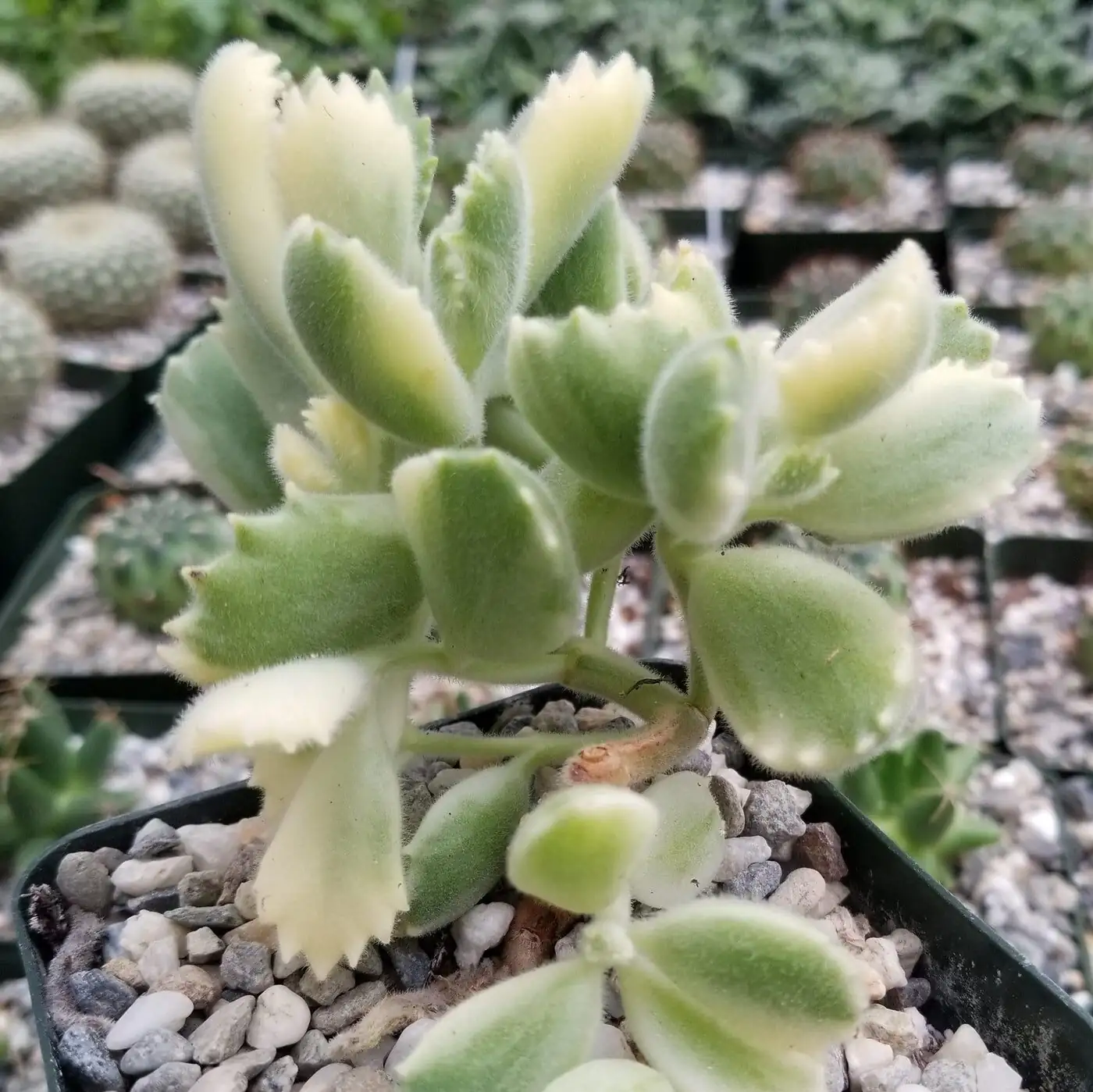
If Bear’s Paw Succulent (Cotyledon tomentosa) had a motto, it would be: “Dry feet, happy paws.” Those soft, chubby, fuzzy leaves are irresistible—but they’re also a big clue to the plant’s needs. This Southern African mini-shrub loves bright light, fast air, and an extra-gritty, quick-drying mix that never lingers wet. In this hands-on guide, you’ll build a dependable 1:1 organic-to-mineral blend, learn which gritty amendments and sieve sizes actually matter, run simple drainage tests, choose the right pot, and top-dress to keep those fuzzy leaves spotless and rot-free.
H2: Know your plant, mix for the habit
- Identity: Cotyledon tomentosa (aka Bear’s Paw, Bear’s Paw Succulent), family Crassulaceae.
- Habit: Compact, branching subshrub with plump, velvety “paw” leaves; tips often blush red in strong light.
- Light: Bright light with some direct sun; shield from harsh midday scorch in hot climates. Good airflow is your friend.
- Water: Soak and dry; keep very dry in winter. Never mist or splash the fuzzy leaves.
- Bottom line for soil: A very well-draining cactus/succulent mix. A practical, proven starting point is roughly a 1:1 blend (by volume) of organic base to mineral grit, always in a pot with drainage holes.
H2: The Bear’s Paw baseline: a 1:1 gritty blend
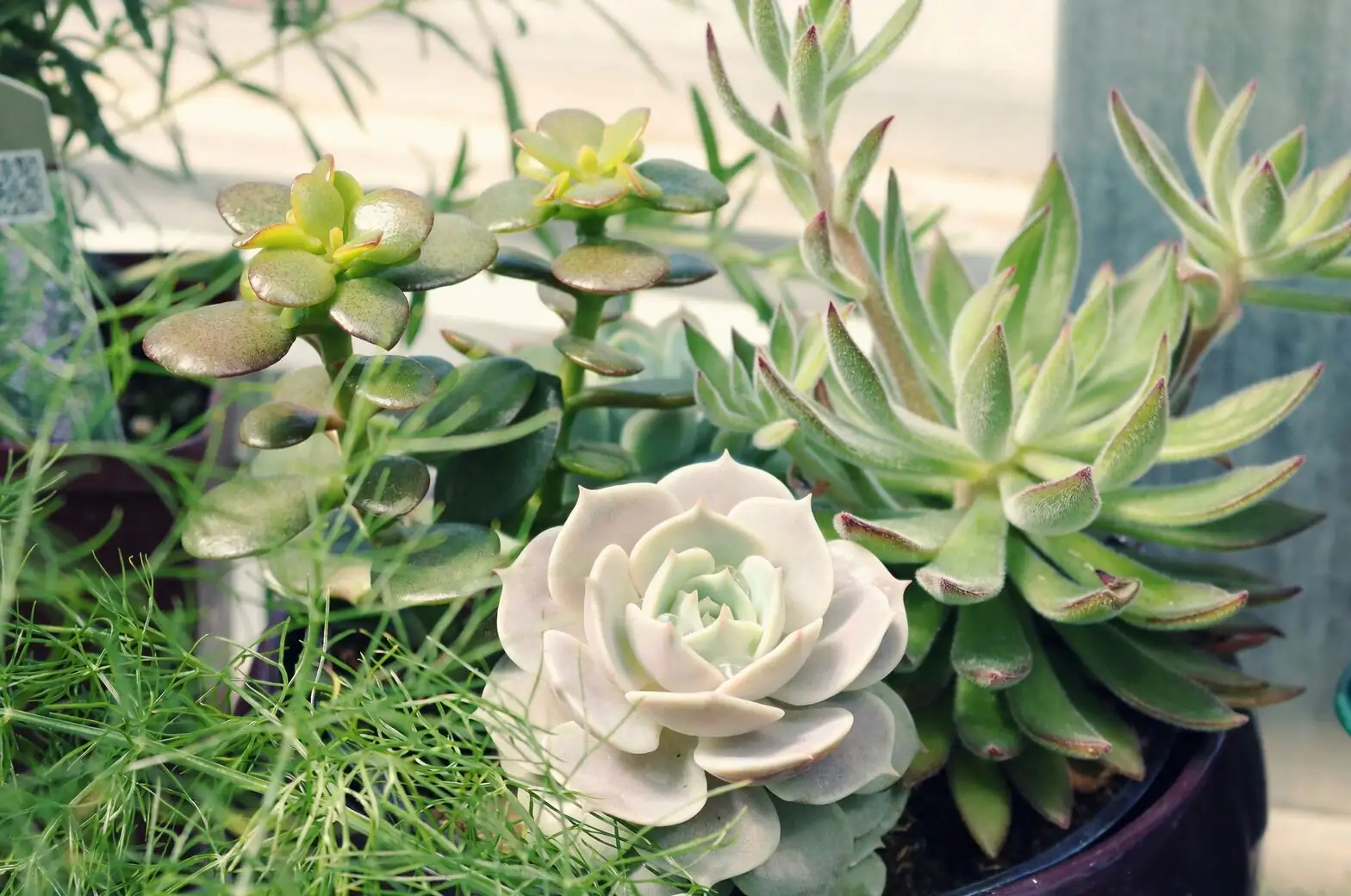
Here’s a reliable, easy-to-source recipe that drains fast yet holds just enough moisture between waterings.
- Organic half (50% by volume)
- Sifted, peat-lean “potting soil” or a custom light base: 2 parts sifted potting soil + 1 part fine coconut coir + 1 part fine pine bark (all sifted; details below).
- Why: Provides structure without staying soggy; bark and coir resist compaction longer than peat-heavy mixes.
- Mineral half (50% by volume)
- Pumice-forward blend: 2 parts pumice (about 2.5–6 mm) + 1 part decomposed granite (DG) or #2 chicken grit + optional 1 part coarse lava rock (4–6 mm).
- Why: Rigid, non-compact aggregates create big air pockets and fast drainage. Pumice offers excellent aeration with a touch of moisture retention in the pores.
Climate tuning (optional)
- Humid/cool or low-light interiors: shift slightly mineral-heavy (e.g., 60% mineral : 40% organic).
- Hot/dry with strong sun and good airflow: nudge organic to 55–60% to extend dry-down just a bit.
Start at 1:1, then adjust one notch based on how your pot actually dries.
H2: Gritty amendments compared (what to use—and skip)
H3: Pumice: the workhorse
- Pros: Porous, doesn’t float, adds weight (stability), keeps air in the root zone, low dust.
- Ideal size: 2.5–6 mm. This range keeps oxygen high and fines low.
- Cons: Not always locally abundant.
H3: Perlite: acceptable, with caveats
- Pros: Lightens mixes, widely available, improves aeration.
- Cons: Floats, drifts to the top, crushes over time, very dusty (wear a mask). Still works if you screen out fines and combine with heavier grit for stability.
H3: Decomposed granite (DG) or #2 chicken grit
- Pros: Beautiful as a top-dress; adds heft, resists compaction, drains rapidly.
- Cons: Non-porous; combine with a porous grit (like pumice) so the mix isn’t too “dry-as-dust.”
H3: Lava rock (scoria)
- Pros: Porous, durable, good for bigger pots, stabilizes tall, branching plants.
- Cons: Irregular shapes; screen out the sharp shards and dust.
H3: Coarse sand (aquarium “gravel” size)
- Use only if truly coarse and washed. Pass over a screen to remove fines. Fine sand and builders’ sand create cement-like compaction—hard pass.
H3: Vermiculite
- Skip it. It holds water too long for a fuzz-leaved succulent prone to rot.
H2: Sieve sizes and prep: the unglamorous step that pays off

Fines (dust and sub-millimeter particles) clog air spaces and trap water. Removing them is the single best upgrade you can make.
- Screens to use:
- 6 mm (1/4″) hardware cloth: knocks out overly large chunks.
- 3 mm (1/8″): the sweet-spot keeper passes; perfect for most grit.
- Window screen (~1–2 mm): separates usable medium from dust/fines.
- What to keep:
- Mineral fraction mostly 2.5–6 mm.
- Organic fraction with a chunky feel: sift out peat clods and compost dust.
- Rinse dusty aggregates until water runs clear; let dry before mixing.
- Pro tip: Pass bagged “cactus soil” over a window screen; you’ll be shocked how many fines you remove.
H2: Pot choice: shape, material, and size that keep paws perky
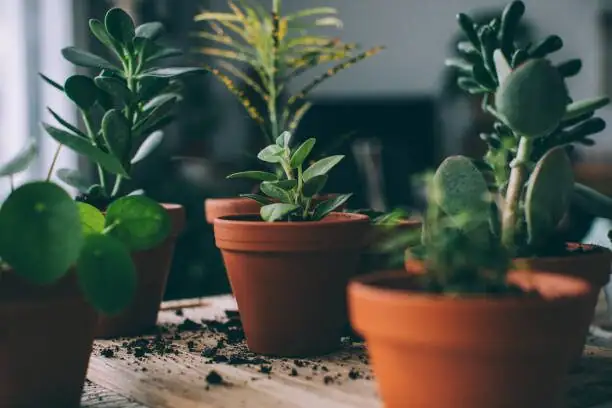
- Drainage holes: non-negotiable. Add pot feet or a trivet so water can escape.
- Material:
- Unglazed terracotta: breathes, speeds dry-down; great default indoors.
- Glazed ceramic or plastic: slower drying—use extra-mineral mixes and stricter watering.
- Shape: Slightly wider, not deep. A squat pot gives stability, accelerates evaporation, and suits Bear’s Paw’s branching habit.
- Size: Snug is better. Many mature plants are happiest in a 12–15 cm (5–6 in) pot. Upsize gradually.
- Setup:
- Mesh over the holes (no rocks at the bottom; they create perched water).
- Leave 5–10 mm of headspace for top-dressing.
H2: Top-dressing that protects the fuzz
A 5–10 mm layer of DG, small pumice, or fine gravel (3–5 mm) is more than decoration:
- Keeps the root collar dry by stopping soil splash.
- Prevents gnats from breeding at the surface.
- Makes targeted watering easier—pour through the top-dress without splashing the leaves.
- Moderates temperature at the soil surface while still draining fast.
H2: Simple drainage tests you can do today
These quick checks tell you if your mix and pot are right before roots are at risk.
H3: The “instant stream” test
- Water the potted, dry mix thoroughly. A steady stream should exit the holes immediately, not a hesitant dribble.
- The surface should not pond for more than a few seconds.
H3: The 24–72 hour dry-down check
- After a full soak, lift the pot to learn its “wet weight.” In a bright, warm, airy spot, it should feel meaningfully lighter within 24–48 hours, and largely dry within a few days. If it’s still heavy after many days, add more mineral grit or switch to terracotta.
H3: The paper towel wick test (perched water check)
- After watering, press a corner of a paper towel against the bottom drainage hole for 10–15 seconds.
- If it pulls out very wet repeatedly hours later, your mix is holding perched water—reduce fines and increase grit.
H3: Jar test for sand/grit sources
- In a clear jar, shake your candidate sand/grit with water. Let settle.
- A thick cloudy layer at the top = fines. Rinse or reject.
H2: Planting and watering technique that keeps leaves spotless
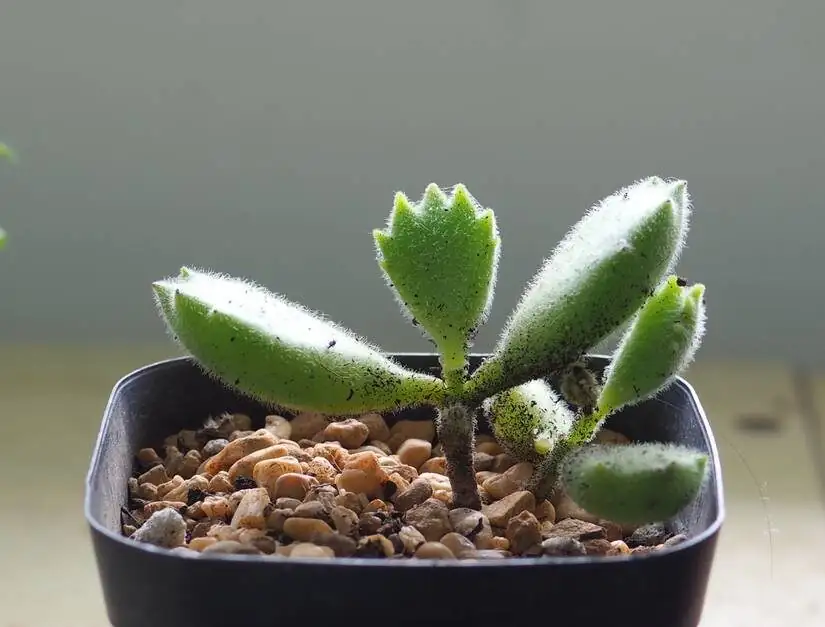
- Plant a tad high: keep the crown slightly above the final soil line.
- After repotting: let cuts/calluses dry; wait 2–3 days before the first light watering.
- Water like this:
- Use the soak-and-dry method. Water the soil directly with a narrow-spout can, keeping leaves dry.
- Indoors, bottom-watering is acceptable as an occasional tactic to avoid wetting fuzz: set the pot in a shallow tray of water for a few minutes, then drain fully. Do not let it sit.
- Seasonal rhythm:
- Spring/autumn: sparing, thorough waterings only after the mix dries well.
- Peak summer heat: reduce frequency; protect from heavy rain outdoors.
- Winter: brightest spot, above 10°C (50°F), keep almost dry; water lightly only if leaves begin to wrinkle.
H2: Troubleshooting the mix (symptoms and soil fixes)
- Mushy leaves or sour smell from the pot:
- Action: Unpot, trim any rot, let callus, increase mineral fraction, and repot into fresher, grittier mix. Improve airflow and light.
- Leaves spotting after watering:
- Cause: Wet fuzz + poor airflow.
- Action: Water only the soil, increase top-dress depth slightly, move more air.
- Stretchy, leggy growth:
- Cause: Low light.
- Action: Brighter spot with some direct morning sun; keep on the dry side; fertilize lightly in active growth.
- Fungus gnats:
- Cause: Too much organic matter staying damp.
- Action: Add more mineral grit, keep the top-dress intact, extend intervals between waterings.
H2: Example blends you can trust
- “Paws Classic” (balanced 1:1)
- 50% organic base (sifted potting soil + a little coir + fine bark)
- 35% pumice (3–6 mm)
- 10% DG or chicken grit
- 5% coarse lava rock
- “Extra-Air Humid-Home” (60:40 mineral:organic)
- 40% organic base (light on peat, sifted)
- 45% pumice
- 15% DG or chicken grit
- “Sun-Baked Balcony” (55:45 organic:mineral)
- 45% mineral blend split roughly half pumice/half DG or lava
- 55% organic base with added bark fines for structure
H2: Quick care add-ons that amplify your soil’s success
- Light and airflow: Aim for morning sun plus bright light; acclimate to stronger sun gradually for those red “claws.”
- Fertilizer: Low-nitrogen, dilute, once a month in active growth; stop in winter.
- Repot cadence: Refresh mix in spring when it compacts or roots fill the pot.
H2: Why this all matters for Bear’s Paw
Cotyledon tomentosa is drought-tolerant but sensitive to lingering moisture and stale air—fuzzed leaves and a thick epidermis evolved to conserve water, not endure it. A gritty, well-sieved mix, the right pot, and a protective top-dress do the quiet, daily work of preventing rot, preserving that plush texture, and setting the stage for compact, red-tipped, paw-perfect growth.
Note on safety: Toxicity is inconsistently documented for this species. Treat it as potentially irritating/toxic if ingested—keep out of reach of pets and small children, and wash hands after handling sap.