

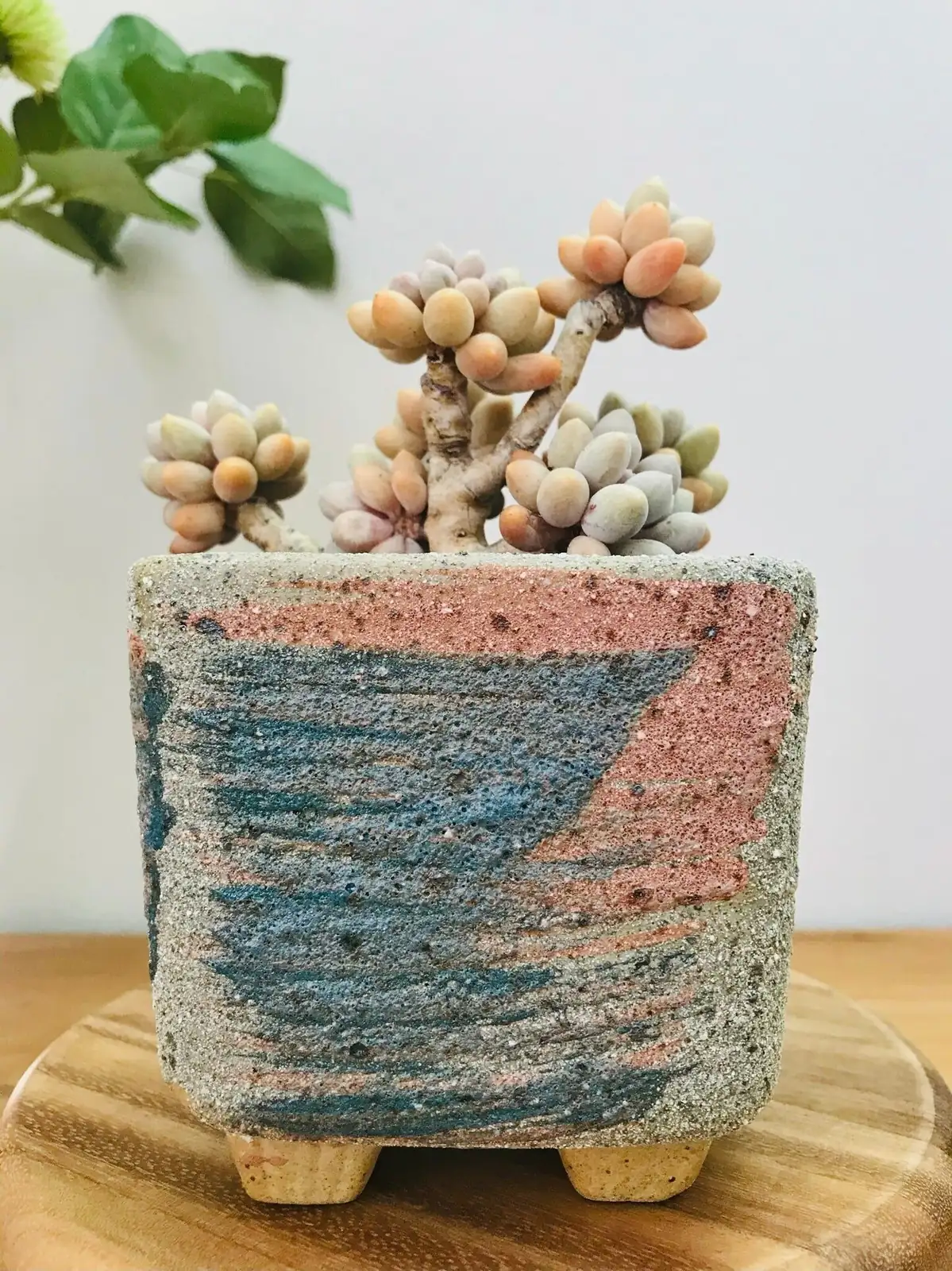
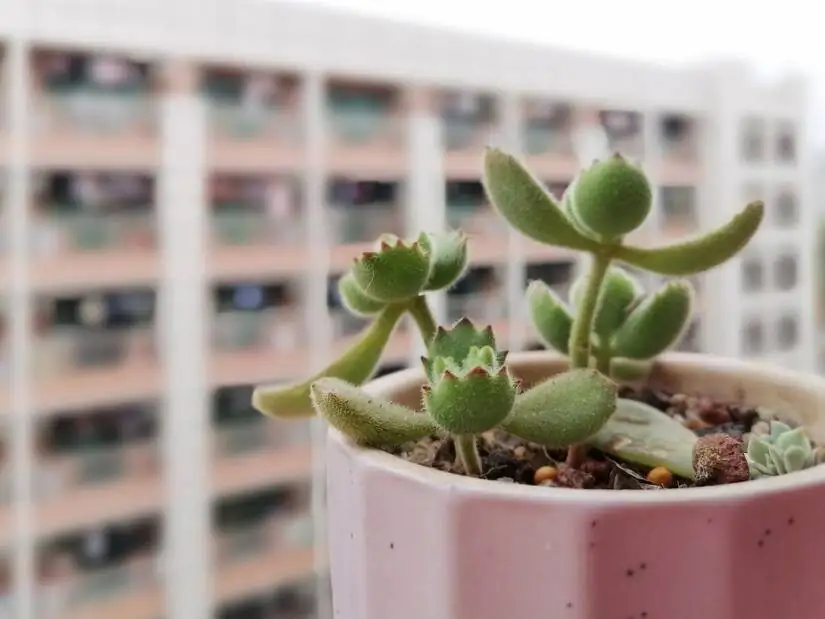
Step into a room where textures do the talking: matte ceramic, warm wood, slubby linen—and a small, velvety plant with red-tipped “claws” stealing the show. Cotyledon tomentosa, the Bear’s Paw Succulent, is the tactile jewel your bright windowsill has been waiting for. Keep it compact, cushiony, and irresistibly cute by styling smartly and tending with a light, airy hand.
Meet the Bear’s Paw: small, fuzzy, sculptural
- Botanical name: Cotyledon tomentosa (Crassulaceae)
- Nicknames: Bear’s Paw, Bear’s Paw Succulent, Woolly Cotyledon
- Origin: Southern Africa
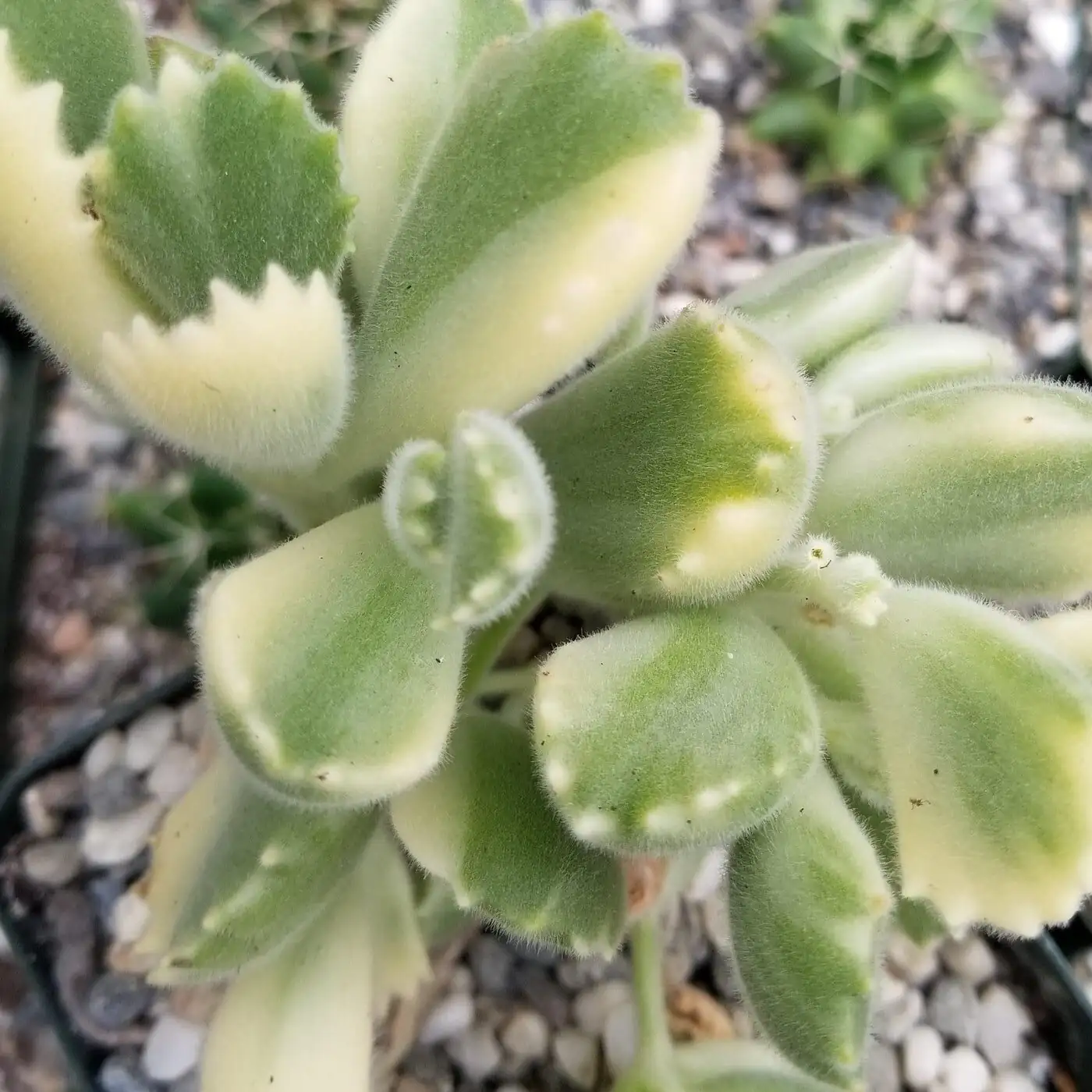
- Look: Plump, grey‑green, velvety leaves shaped like tiny paws; tips often blush red in strong light
- Habit & size: A compact, branching mini‑subshrub; typically 10–20 cm tall and 10–30 cm wide in containers when kept bright and snug. Older plants can slowly reach 20–50 cm if light is weaker. Many mature plants are happiest in a 12–15 cm pot.
The styling approach: texture on texture (without letting it stretch)
Think of Bear’s Paw as a small-scale sculpture. Its fuzzy leaves crave contrast—matte ceramics, raw wood, and breathable linen—while its compact habit depends on strong light and airflow.
Three texture-forward setups
1) Linen + ceramic on an east window
- Vessel: A 12–15 cm matte stoneware pot with a generous drainage hole.
- Surface: A pale oak sill or ash console topped with a linen runner.
- Light: Soft morning sun, bright indirect light the rest of the day.
- Why it works: The linen diffuses glare, the pot’s color frames the grey‑green fuzz, and morning sun keeps the “claws” red without scorching.
2) Terracotta + slatted wood on a south window (with sheers)
- Vessel: Breathable terracotta for ultra-fast dry-down.
- Shelf: A slatted oak or teak riser to promote airflow from below.
- Light: Several hours of sun; use a sheer linen curtain at midday in hot climates.
- Why it works: Heat-safe brightness for compact growth; the sheer prevents leaf scorch.
3) Low pedestal + pale gravel top-dress
- Vessel: Compact ceramic or concrete cylinder (12–15 cm) with drainage.
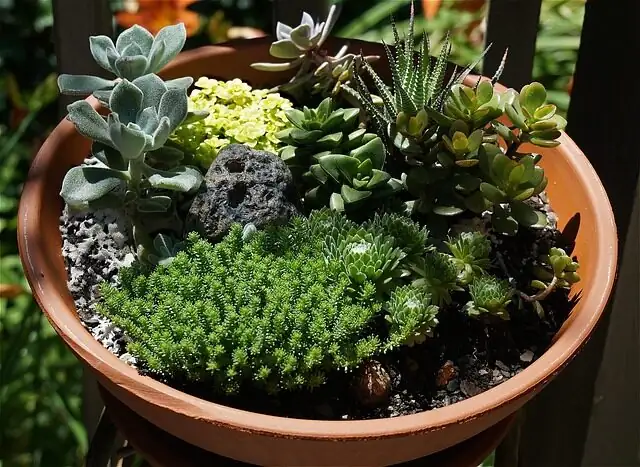
- Detail: 3–5 mm mineral top-dress (pumice or gravel) to keep fuzzy leaves clean and dry.
- Placement: Within 30 cm of an east/south window; a low pedestal aligns the plant with the window’s brightest band.
- Why it works: Crisp lines, clean surface, and no water sitting on hairs.
Pro tip on display height: Keep the plant’s canopy level with the window’s bright zone. High interior shelves or deep console tables farther than 45 cm from the window encourage legginess. Near the glass = chubby and dense.
Light, airflow, and “lanes” that prevent legginess
- Best orientation: East or south windows. Morning sun + bright indirect later is ideal.
- Midday management: In very hot climates, filter harsh midday/afternoon sun with a sheer curtain and acclimate gradually to stronger exposure.
- Distance matters: Aim for within 15–30 cm of the glass for best shape. Rotate 90° weekly for even growth.
- Airflow lanes: Give it breathing room. Keep 5–10 cm of space around leaves, avoid crowding with other pots, and use slatted shelves. A gentle, indirect fan on low helps prevent spotting and rot.
Pot and soil: small, snug, and gritty
- Pot size: Many mature Bear’s Paws thrive in 12–15 cm diameter pots. Choose snug, not oversized, with excellent drainage.
- Mix: Very well-draining succulent blend—roughly 1:1 organic to mineral (coarse sand, perlite, pumice, or grit). Avoid heavy, water-retentive mixes.
- Repotting: Spring is best. Refresh compacted mix annually or when roots fill the pot.
Watering and feeding: protect the fuzz, keep it dry-ish
- Method: Soak thoroughly, then wait until the mix dries out well before watering again.
- Seasonal rhythm:
- Spring and autumn: Water sparingly—just enough to prevent severe shriveling.
- Summer heat: Reduce frequency; protect from heavy rain if outdoors.
- Winter rest: Keep almost dry; water lightly only if leaves start to wrinkle. Keep above 10°C.
- Never mist: Water on fuzzy leaves can cause spotting and invite rot. Water the soil directly.
- Fertilizer: Light feeding about once a month in active growth (spring–early autumn) with a diluted, low‑nitrogen succulent formula. Pause in winter.
Temperature and humidity
- Comfort zone: 18–24°C for best growth; keep above 10°C in winter.
- Humidity: Prefers low humidity and fast-drying conditions. Stale, damp air is the enemy of those velvety leaves.
Pruning and keeping it compact
- Pinch to branch: Once it reaches ~15 cm tall, tip‑prune to encourage a fuller, bushier shape.
- Manage stretch: If it gets leggy, cut back to firm tissue and restart shape. Good light prevents repeat stretching.
- Refresh cycle: Older plants often look best when restarted from healthy cuttings every 4–5 years.
Propagation that fits your styling calendar
- Stem cuttings (easiest): Take 5–7 cm firm tips in spring or autumn. Let the cut end callus, then set into a gritty medium.
- Rooting window: Typically 2–3 weeks at 18–22°C in bright, indirect light.
- Leaf propagation: Possible but slower and less reliable than stems.
Troubleshooting the look
- Long, stretched stems: Too little light. Move closer to an east/south window, add a sheer for midday, rotate weekly, and prune to reshape.
- Black spots or fuzzy-leaf blemishes: Often from water sitting on leaves or high humidity. Improve airflow; keep foliage dry.
- Mushy stems or leaf drop: Overwatering or poor drainage. Switch to grittier mix, ensure drainage holes, lengthen dry-downs.
- Pests: Watch for mealybugs/whiteflies. Isolate and treat with insecticidal soap or horticultural oil; repeat as needed.
Seasonal care snapshot
- Spring: Repot, resume light feeding, take cuttings, give strong light.
- Summer: Bright light; filter harsh midday sun in heatwaves; reduce watering; boost airflow.
- Autumn: Great for propagation; maintain brightness; taper watering as temperatures drop.
- Winter: Brightest spot you have; minimal water; no feeding; protect from drafts and cold.
Buying guide for a style-ready plant
- Choose: Short, sturdy, well‑branched plants with thick, firm stems and evenly fuzzy, plump leaves (bonus if tips are already blushing red).
- Avoid: Tall, weak (stretched) growth; soft/mushy spots; black patches; visible pests; or a sour smell from the soil.
Safety note
Toxicity isn’t consistently documented. To be cautious, treat it as potentially irritating/toxic if ingested. Keep away from pets and small children, and wash hands after handling if you’re sensitive to plant sap.
A quick FAQ
- How do I get those red “claws”? Give it stronger light and keep it on the dry side. Introduce sun gradually and maintain airflow.
- Is a south window too intense? Not if you acclimate and filter harsh midday sun with a sheer in hot weather. Morning and late‑day sun are perfect.
- Can it live on a bookshelf? Only if that shelf is right by an east/south window. Otherwise, expect stretch. Keep it within 30–45 cm of bright glass.
Symbolism and the “language” of plants
Bear’s Paw often symbolizes comfort, warmth, and playful companionship—apt for a plant that looks like a tiny paw reaching out. While “flower language” traditions vary by culture and era, the most resonant meaning here comes from form: plush leaves, soft hairs, and a gentle, friendly silhouette that naturally invites a smile. Consider it your cozy companion in a sunlit corner.
Style notes to remember
- Put it where you feel the sun on your wrist at midday—that’s a good measure of brightness.
- Keep airflow lanes open: a few centimeters around the plant and a slatted stand below.
- Think small and snug: 12–15 cm pot, gritty mix, and a spot near the glass. The result? A compact, chubby, red‑clawed Bear’s Paw nestled into your ceramics, wood, and linen—an understated star of textured interiors.