

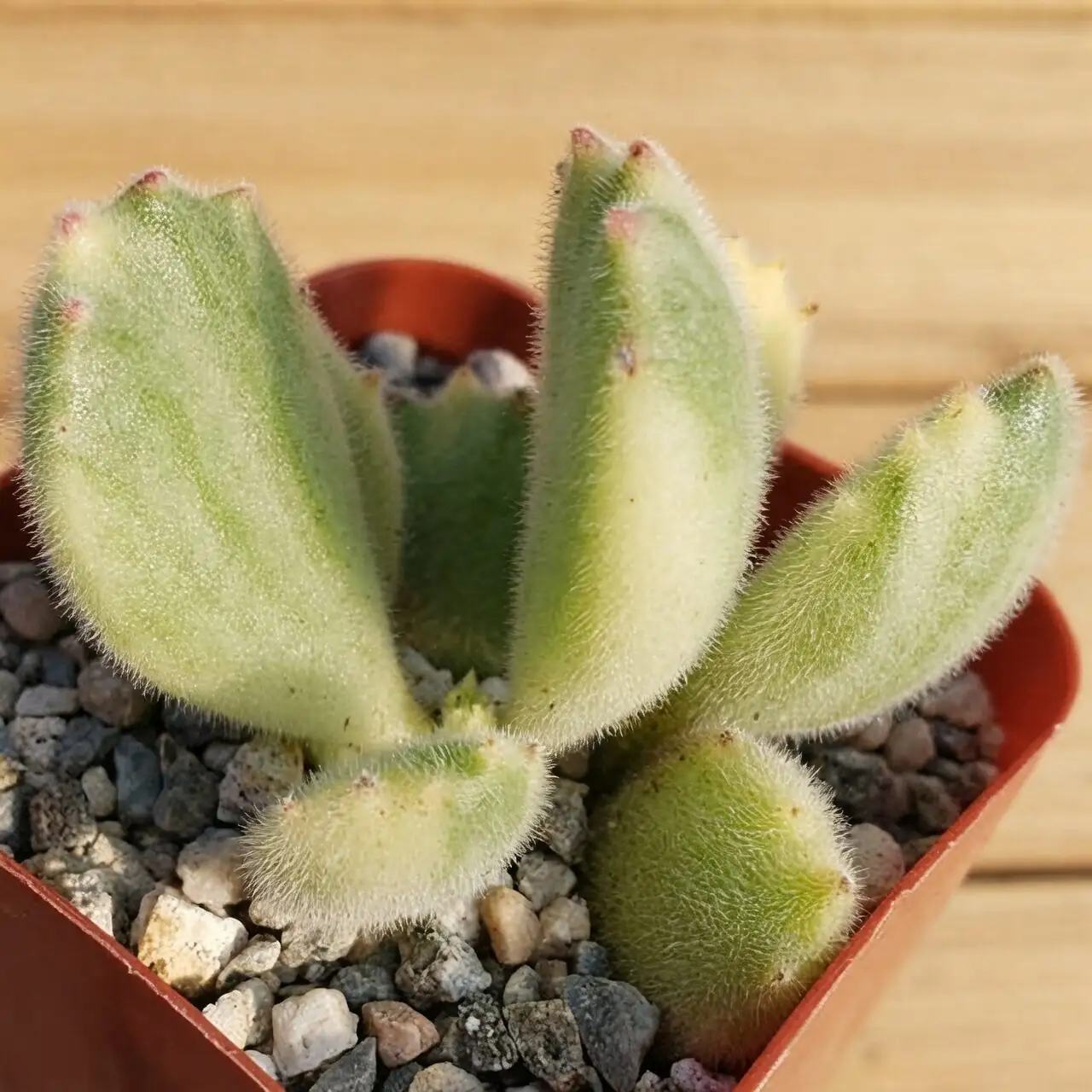
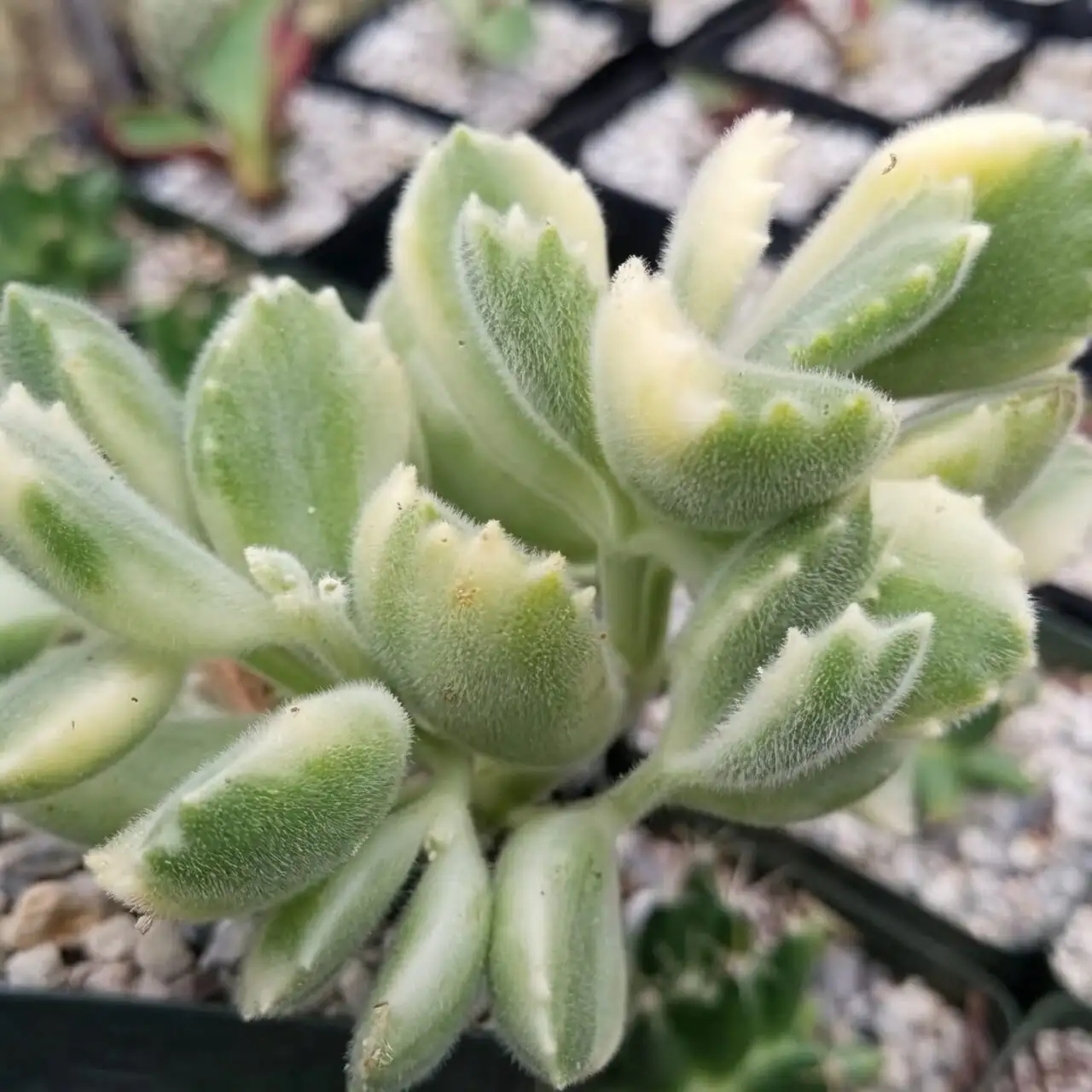
Meet the Bear’s Paw Succulent (Cotyledon tomentosa): a small, branching charmer from Southern Africa with plump, velvety “paws” tipped in tiny red “claws” when light is strong. It thrives on bright light, quick-drying soil, and fresh air—and it absolutely hates staying wet. If your plant looks unhappy, the fix is usually a targeted tweak to water, airflow, or pests. Here’s your photo-cue troubleshooting game plan to diagnose fast and save your Bear’s Paw.
First, set your baseline: what “healthy” looks like
- Leaves: plump, matte-fuzzy grey-green; tips often blush red in strong light.
- Stems: firm and upright on a compact, branching mini-shrub about 10–20 cm (4–8 in) tall in a pot.
- Soil: dries rapidly between waterings; pot has drainage holes; no sour smell.
- Setting: bright window (morning sun + bright indirect later), good airflow, low humidity.
The rapid-response game plan (use this order)
1) Isolate: move the plant away from others by at least 1–2 m the moment you suspect pests or disease.
2) Inspect: use a flashlight and phone camera zoom; check leaf undersides, axils (where leaves meet stems), stem bases, and soil surface.
3) Feel the mix: overwatering and rot are the most common root causes—literally.
4) Match the photo-cues below to pinpoint the issue.
5) Apply the matching fix and adjust light/airflow/watering to prevent a repeat.
—
Photo-cue symptom checks and fixes
Overwatering (most common)
What you’d see in a photo:
- Leaves look waterlogged: swollen → soft → translucent or mushy; may drop suddenly.
- Lower leaves yellow, then fall; red “claws” fade.
- Potting mix looks dark and stays wet for days; pot feels heavy.
- A sour, “swampy” smell from the soil.
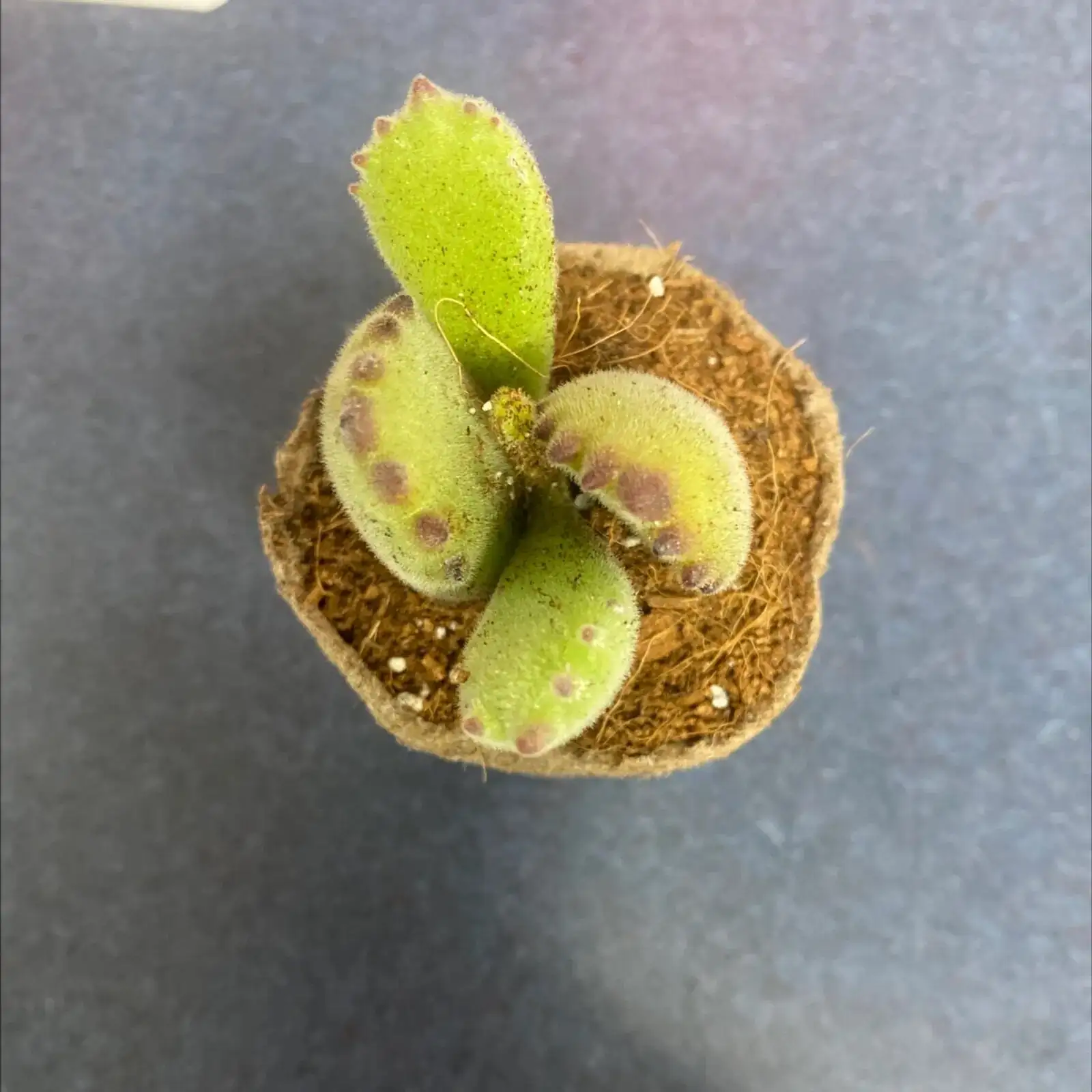
Immediate actions:
- Do not water. Move to very bright light with good airflow (no harsh midday scorch).
- If the mix is dense or soggy, unpot gently to check roots (see Root Rot below). If not rotten, set the root ball on a paper towel grid for 2–3 hours to vent excess moisture, then return to the pot.
Long-term habits that prevent it:
- Use soak-and-dry: water thoroughly, then wait until the mix dries well before watering again.
- Switch to a very free-draining succulent mix (roughly 1:1 potting soil to mineral grit like pumice/perlite/coarse sand).
- Never mist or leave water on the fuzzy leaves—water the soil only.
—
Root rot (when overwatering goes further)
What you’d see in a photo:
- Plant stalls, wilts, or leans despite wet soil.
- Base of stems shows a dark, mushy ring.
- When unpotted: roots are brown/black, slimy, and sloughing; healthy roots are firm and tan.
- Foul, sour smell.
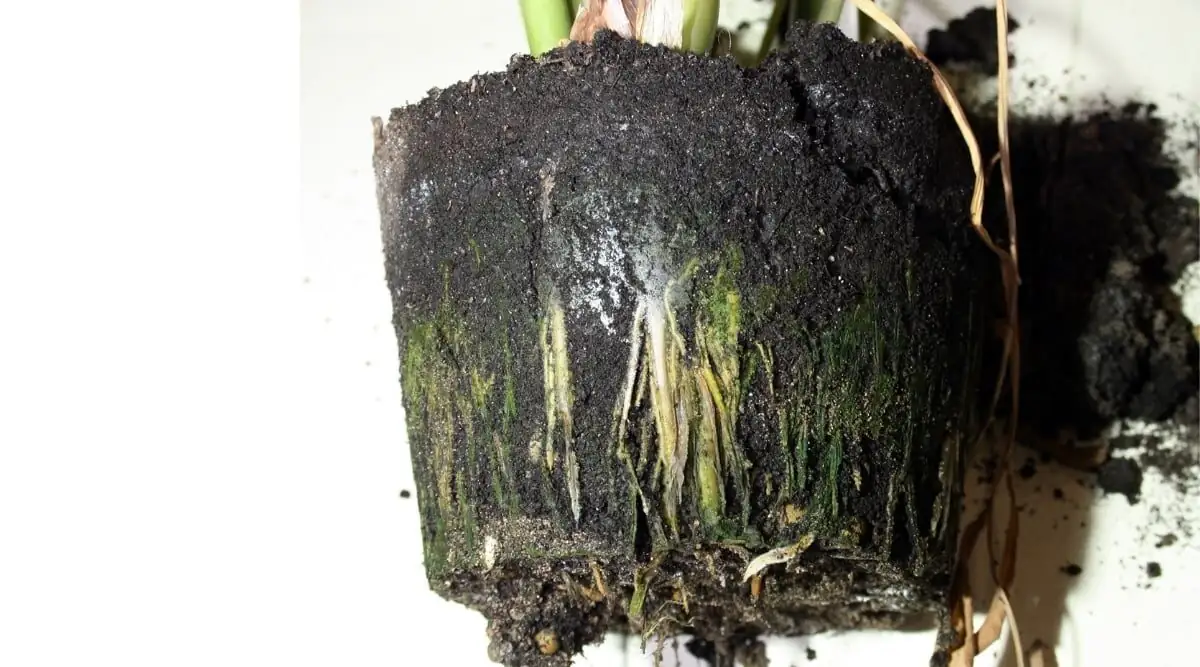
Rescue protocol:
1) Unpot fully. Rinse soil off roots gently if needed.
2) Sterilize scissors; trim all dark/mushy roots and any blackened stem tissue back to firm, clean tissue.
3) Dust cuts lightly with powdered sulfur or cinnamon (optional) to discourage microbes.
4) Air-dry the plant (roots and cut surfaces) 12–24 hours until callused.
5) Repot in a clean pot with drainage and a gritty succulent mix.
6) Do not water for 5–7 days; then give a small drink and return to soak-and-dry.
7) Keep warm (18–24°C / 64–75°F), bright, and airy.
Tip: If the base is too far gone, take healthy tip cuttings (5–7 cm / 2–3 in), let them callus, and root them in a gritty medium. This species roots reliably in 2–3 weeks.
—
Leaf spot / “rusty” speckling (humidity + wet leaves + stale air)
What you’d see in a photo:
- Round tan-to-brown spots, sometimes with a yellow halo, where water dried on the leaf.
- Rusty, orange-brown specks or patches (often more visible on undersides).
- Spots are scattered and don’t ooze; leaves stay otherwise plump.
- Important: Don’t confuse healthy red-tipped “claws” from strong light with disease.
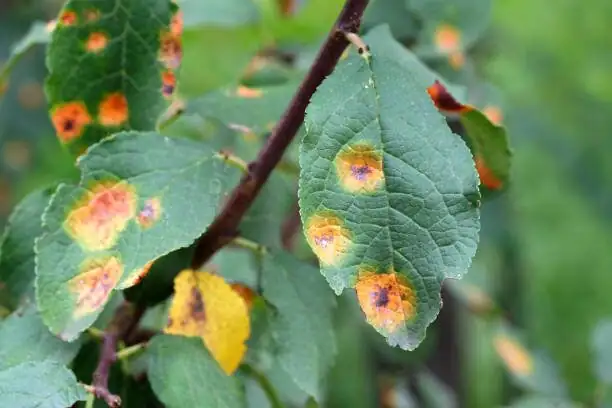
What to do:
- Improve airflow immediately: space plants, use a gentle fan, avoid crowding shelves.
- Keep foliage dry—no misting; water soil only.
- Remove badly spotted leaves to reduce inoculum; dispose, don’t compost indoors.
- Adjust light: bright morning sun, bright indirect later; shield from harsh midday scorch.
- If spotting persists after airflow/watering fixes, you can try a conservative, labeled fungicidal spray suitable for ornamentals—but it’s rarely needed on Bear’s Paw when air and dryness are corrected. Test on one leaf first; the fuzzy surface is sensitive.
—
Mealybugs (white cotton fluffs + sticky honeydew)
What you’d see in a photo:
- White, cottony tufts in leaf axils, along leaf edges, at nodes, and sometimes on roots (white fluff near drainage holes = a clue).
- Sticky leaves and possibly black sooty mold on older infestations.
- New growth distorted; ants sometimes visiting the plant for the sweet honeydew.
Immediate isolation steps:
- Quarantine the plant; keep it in bright, airy light away from drafts of hot midday sun.
- Place yellow sticky cards nearby for monitoring crawlers (the tiny mobile nymphs).
Mechanical removal first:
- Dab visible mealybugs with cotton swabs dipped in 70% isopropyl alcohol; this dissolves their wax.
- Use a soft paintbrush to flick out bugs from the fuzzy leaf axils without soaking the foliage.
Insecticidal soap or horticultural oil routine (succulent-safe method):
- Choose a ready-to-use insecticidal soap or mix at low label rate; or a light horticultural oil at 0.5–1% (5–10 mL per liter). Always spot-test one leaf and wait 24 hours.
- Timing: Treat in the cool of morning or evening—never in hot sun. Ensure strong airflow so the fine spray dries fast.
- Application: Light, targeted coverage to the pests and leaf undersides; avoid drenching the fuzzy leaves. Protect the soil surface with paper if overspray is heavy.
- Repeat every 7–10 days for 3–4 rounds to catch new hatchlings.
- After treatment dries, you can gently dust off any residue with a dry, soft brush.
If you suspect root mealybugs:
- Unpot, inspect roots for cottony clusters, and follow the Root Rot repot protocol with a thorough rinse of roots before repotting. Replace the mix and clean the pot.
—
Whiteflies (tiny white moth-like flutter when you tap the plant)
What you’d see in a photo:
- A cloud of tiny white insects lifts off when disturbed.
- Sticky honeydew, occasional sooty mold; fine yellowing or silvering speckles on leaves.
- Adults rest on undersides of leaves; eggs and nymphs are stuck there, too.
Control routine:
- Isolate and boost airflow. Add yellow sticky traps at foliage height to intercept adults.
- Gently shake the plant to flush adults and immediately spray undersides with a light pass of insecticidal soap or a 0.5–1% horticultural oil (cool hours only, strong airflow, no direct harsh sun).
- Repeat every 5–7 days for 3–4 cycles (whitefly life stages overlap).
- Keep sprays light to respect the fuzzy leaf surface; spot-test first. Avoid wetting the plant late in the day in cool rooms.
—
Airflow, light, and watering settings that keep Bear’s Paw safe
- Light: Bright light with some gentle sun is ideal. Morning sun + bright indirect later keeps it compact and encourages those red “claws.” In very hot climates, shade from harsh midday/afternoon sun and acclimate gradually.
- Air: Fresh, moving air prevents spotting and rot. Indoors, a small fan on low nearby (not blasting) works wonders; outdoors, a sheltered balcony with natural breezes is perfect.
- Water: Soak-and-dry. In active seasons (spring/autumn), water thoroughly, then wait until the mix dries well. In summer heat, reduce watering and protect from prolonged rain. In winter, keep almost dry and only water lightly if leaves begin to wrinkle.
- Soil and pot: Use a very well-draining succulent mix—think roughly 1:1 organic to mineral grit. Always choose a pot with drainage holes.
- Temperature: Best at 18–24°C (64–75°F). Keep above 10°C (50°F) in winter; no frost.
—
Isolation and sanitation protocol (pests or disease)
- Quarantine 2–3 weeks away from your collection.
- Handle last during plant care; wash hands and tools after.
- Remove and discard heavily infested leaves. Bag and bin—don’t compost indoors.
- Refresh the saucer and wipe shelves. Add sticky traps to monitor progress.
- If repotting, clean the pot and tools with soap, then a disinfectant rinse; use fresh, gritty mix.
—
Preventive micro-tweaks that pay off
- Space plants so leaves don’t touch; rotate the pot weekly for even light.
- Water the soil line only—never mist the fuzzy leaves.
- Keep foliage dry when you ventilate; avoid crowding under grow lights without a fan.
- Feed lightly (monthly, spring to early autumn) with a diluted, low-nitrogen succulent fertilizer; stop feeding when stressed or in winter.
- Tip-prune around 15 cm (6 in) tall to encourage branching; refresh older, leggy plants with cuttings.
—
Quick confusion check: normal vs. not
- Normal: firm, plump leaves with red-tipped “claws” in strong light; occasional lower-leaf sacrifice during adjustment periods.
- Not normal: soft/translucent leaves, sour-smelling soil, cottony tufts, clouds of tiny white insects, widespread spotting that worsens in stagnant air.
—
Bloom notes and a little “flower language”
With bright light and a cooler, drier rest, Bear’s Paw may send up warm-toned, bell-like blooms in spring and/or from late summer into autumn. As for “flower language,” this modern, playful succulent is widely read as a symbol of comfort and companionship—more a contemporary sentiment inspired by its paw-shaped, velvety leaves than any ancient code. In other words, it’s plant-as-cozy-friend: cute, calming, and endearingly huggable in spirit (even if you should resist actually hugging the fuzz).
—
When to seek a reset
- If rot reached the stem base or pests rebound after three treatment cycles, take clean tip cuttings, let them callus, and restart in a gritty medium. Bear’s Paw roots readily in warm, bright, airy conditions, giving you a fresh, compact plant.
Keep it bright, breezy, and on the dry side, and your Bear’s Paw will stay compact, claw-tipped, and irresistibly plush—no drama, just paws and applause.