

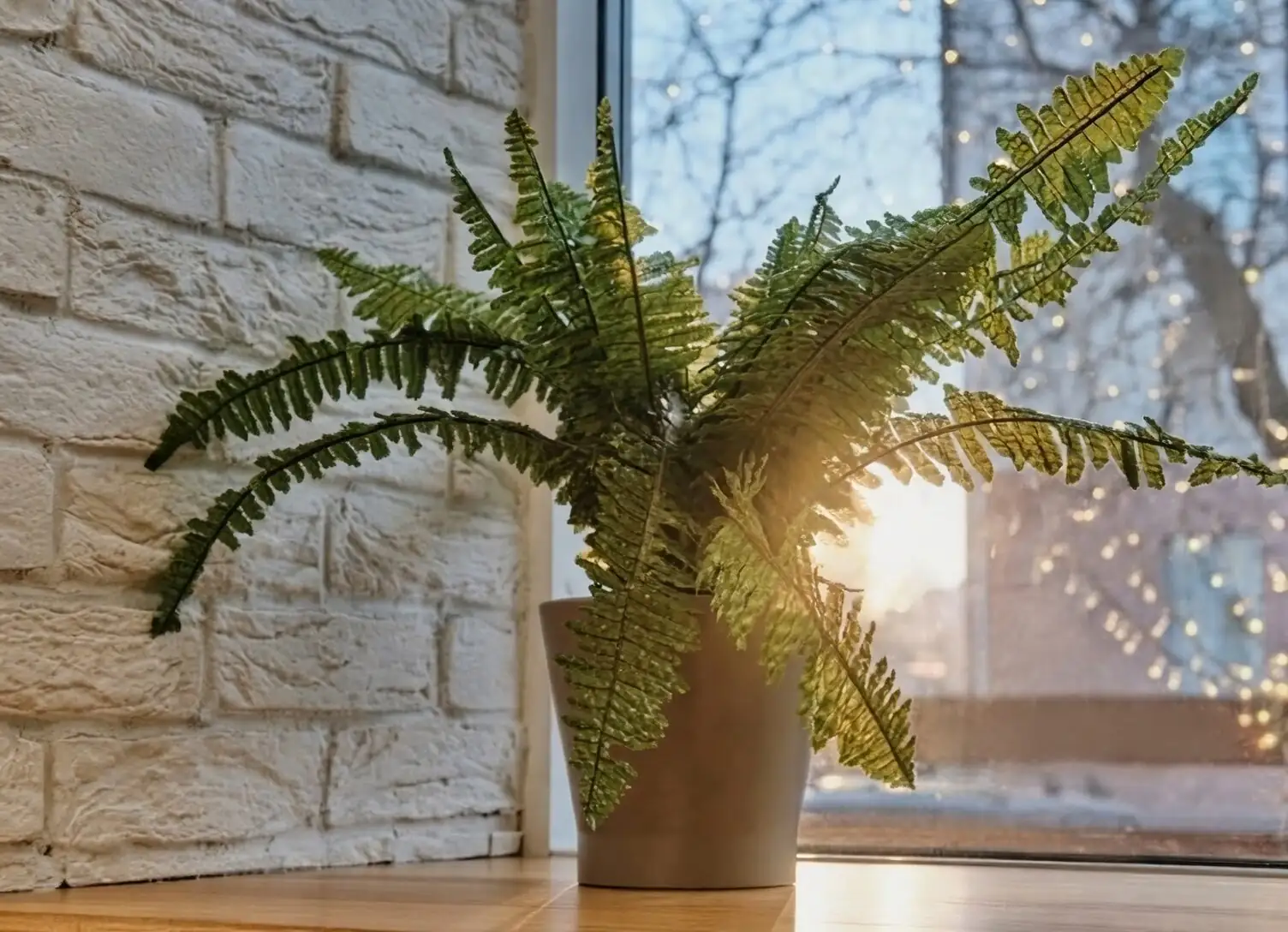
Imagine a little cloud forest on your sill: feathery fronds arching like green ribbons, mist beading on leaves, and the soft whoosh of gentle airflow keeping everything fresh. Pteris cretica—better known as Chinese Brake Fern or Ribbon Fern—is the star of that scene. It’s elegant, humidity-loving, and generally non-toxic to people and pets, making it a natural for a pet‑friendly micro‑jungle (with a few common‑sense nibble precautions).
Meet Pteris cretica (Chinese Brake Fern)

- Origin and vibe: Native from the Mediterranean region to Western Asia, now widely grown in cultivated forms for indoor life.
- Look and size: Clump‑forming fern with upright‑to‑arching, phoenix‑tail fronds about 30–60 cm (12–24 in) tall and wide in containers.
- Light: Bright, indirect light or partial shade; protect from harsh direct sun that can scorch fronds.
- Climate comfort: Best growth at 12–22°C (54–72°F), with nights around 10–16°C (50–61°F). Keep above 10°C (50°F) in winter; growth stalls below 5°C (41°F) and cold can damage fronds.
- Reproduction: No flowers—this fern makes neat lines of spore cases (sori) on the undersides of mature fronds.
- Style notes: Variegated cultivars like ‘Albolineata’ carry creamy to silvery stripes—and some plants may briefly blush pink on new variegation in brighter light before maturing to white or pale green.
Why it belongs in a pet‑friendly micro‑jungle
- Non‑toxic presence: Generally considered non‑toxic to people and pets. That said, any plant material can cause mild stomach upset if chewed—so display it out of easy reach of curious nibblers.
- Calm, green energy: Ferns are classic symbols of freshness, resilience, and tranquility—perfect for serene, spa‑like corners.
- Real‑world fit: Tolerates shade, craves humidity, and stays compact—ideal for desks, filtered‑light windows, or a steamy, bright bathroom.
Design a small, humid micro‑jungle (that still breathes)
Create a lush, high‑humidity nook while keeping air moving so fronds stay pristine and pests think twice.

1) Choose the spot
- Aim for bright, indirect light: an east window with a sheer curtain, a north window ledge, or 1–2 m back from a bright south/west window.
- Bathrooms are brilliant if they’re bright; outdoors in frost‑free climates, tuck it into sheltered shade (a nook by rocks or near a pond edge).
2) Containers and layout
- Group humidity lovers together to form a “humidity bubble.”
- Use cachepots, glazed ceramic, or plastic to slow drying; ensure inner pots have drainage holes.
- Elevate and layer: a pebble tray below, fern at mid‑height, small underplantings (moss, fittonias) at the base to shade the soil.
- Plant cabinets or glass cloches? Great—just plan for air exchange (see airflow tips below).
3) A breathable, moisture‑retentive mix
- Blend a peat‑free potting mix with fine orchid bark and perlite. You want moisture that lingers without waterlogging.
- Keep the crown (the central growing point) slightly above the soil line; don’t bury it.
- Repot every 1–2 years in spring—or once roots fill the pot—moving up just one size to refresh drainage and vigor.
4) Watering that keeps fronds plush

- Keep the mix consistently moist. Water when the top 1–2 cm (0.4–0.8 in) feels slightly dry; then water thoroughly and let excess drain.
- Never let it go bone‑dry, but avoid soggy soil that invites fungus gnats.
- In heated rooms, mist lightly or rinse the fronds occasionally, then allow them to dry with good airflow.
5) Humidity without the hassle
- Aim for 50%+ relative humidity. Combine:
- Pebble or humidity trays under grouped pots
- A small cool‑mist humidifier (run on a timer)
- Regular, light misting as a supplement
- In a cabinet or cloche: crack vents daily; don’t trap stagnant, still air.
6) Airflow ferns adore
Think “humid but breezy.”
- Space fronds so they don’t mat together.
- Run a silent, low‑speed fan nearby or in a cabinet (USB fans are perfect). Gentle, continuous movement discourages spider mites and fungal issues.
- Open cabinet doors or windows for a few minutes daily to exchange air.
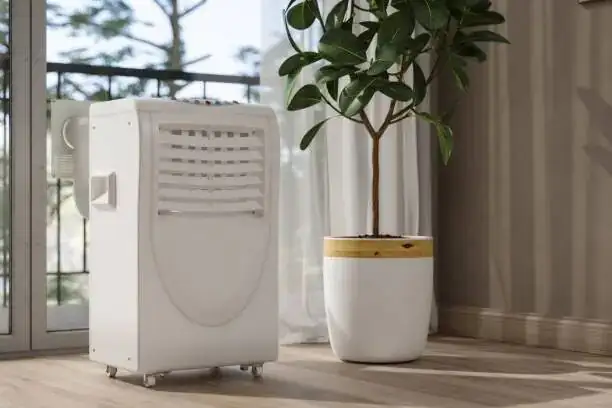
- Avoid blasts from heaters or AC; they desiccate fronds and cause browning tips.
Pet‑safe plant companions for your micro‑jungle
Mix textures and leaf patterns while keeping things friendly for paws and whiskers.
- Boston fern (Nephrolepis exaltata)
- Calathea/Goeppertia and Maranta (prayer plants)
- Peperomia species
- Fittonia (nerve plant)
- Cushion mosses and miniature ferns
Tip: Place the most tempting plants higher or behind a small trellis, and offer pets their own edible greens (cat grass) to reduce curiosity.
A gentle care calendar
- Spring–Summer: Active growth
- Keep evenly moist; maintain humidity.
- Feed lightly every 4–6 weeks with a balanced houseplant fertilizer at 1/4–1/2 strength. Too much can scorch fronds.
- Trim only yellowing/damaged fronds at the base with clean scissors—never cut into the crown.
- Divide established clumps during repotting if you want more plants.
- Autumn: Ease off
- Reduce feeding; water a bit less but don’t allow the mix to dry out.
- Winter: Keep it cozy
- Hold temps above 10°C (50°F) for best foliage; below 5°C (41°F) growth can stop and fronds may be damaged.
- Continue bright, indirect light and consistent humidity.
Troubleshooting (with kindness)
- Browning tips? Usually low humidity, inconsistent watering, or too much direct sun. Raise humidity to 50%+, keep soil evenly moist, and shield from harsh rays.
- Pale or scorched fronds? Too much light. Move to softer, filtered light; color typically recovers on new growth.
- Drooping/wilted fronds? Often underwatering—thoroughly rehydrate and improve your check‑in rhythm.
- Pests to watch: Scale, mealybugs, and spider mites (especially in dry air). Rinse foliage occasionally, boost humidity, and ensure airflow. Treat early with gentle insecticidal soap or horticultural oil; reapply as directed. Avoid letting the potting mix stay soggy to prevent fungus gnats.
Styling ideas
- A variegated ‘Albolineata’ specimen as the focal fern, flanked by deep‑green Calatheas and silver‑veined fittonias, makes a jewel‑box palette. In brighter (but indirect) light, new ‘Albolineata’ fronds may show a rosy tint before settling into creamy stripes—an elegant, shifting accent.
- Pair with river stones, a matte black pot, and a low pebble tray to echo its natural, stream‑side habitat.
- For desks, pot the fern in a 14–16 cm (5–6 in) planter, then underplant with cushion moss to hide soil and heighten humidity at leaf level.
Quick facts to remember
- Light: Partial shade to bright, indirect light; protect from strong sun.
- Water: Keep the mix consistently moist; never bone‑dry or waterlogged.
- Humidity: 50%+ is the sweet spot—use trays, grouping, and humidifiers.
- Temperature: 12–22°C (54–72°F); keep above 10°C (50°F) in winter.
- Soil: Moisture‑retentive yet free‑draining; peat‑free base with bark and perlite.
- Hardiness: Tender to frost; generally suitable outdoors only in USDA 9–11, in sheltered shade.
- Safety: Generally non‑toxic to people and pets, but any chewing can cause mild tummy upset—display out of chomp‑zone.
FAQs
- Does it flower? No—like all ferns, it reproduces by spores that form in lines on the undersides of mature fronds.
- Can it live close to a cold window? Avoid cold drafts and chilly glass. Keep it above 10°C (50°F) for a good winter look; extended dips below 5°C (41°F) can halt growth and damage foliage.
- Why are the tips browning? Low humidity, inconsistent watering, or too much sun are common culprits. Aim for steady moisture, 50%+ humidity, and bright, indirect light.
With a little humidity, steady moisture, and feather‑soft airflow, Pteris cretica becomes the anchor of a soothing, pet‑friendly micro‑jungle—lush, elegant, and refreshingly low‑drama.