


If you’ve ever locked eyes with a fern that looks like it combed its fronds before leaving the nursery—sleek, feathery, and just a little dramatic—you’ve probably met Pteris cretica. This is the Chinese Brake Fern: elegant, forgiving when treated well, and an instant “cool breeze” for a windowsill or bright bathroom. Here’s how to buy a great one—and avoid the duds—by reading frond texture, peeking into the crown, and hunting pests like a pro.
Meet Pteris cretica at a glance
- Also called: Chinese Brake Fern, Cretan Brake, Ribbon Fern (Family: Pteridaceae)
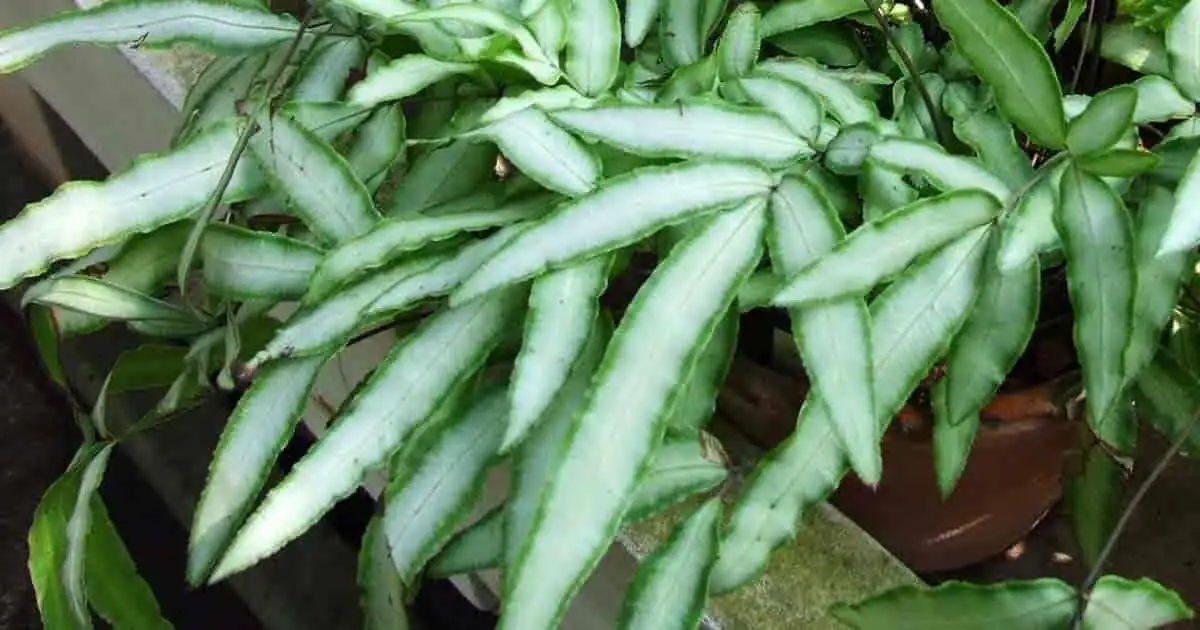
- Look: Upright-to-arching, feathered fronds with a distinctive, tail-like outline; some cultivars carry a pale stripe down the midrib (e.g., ‘Albolineata’)
- Size: Typically 30–60 cm (12–24 in) tall and wide in containers
- Light: Bright, indirect light; tolerates lower light, but avoid harsh, direct sun
- Comfort zone: 12–22°C (54–72°F); keep above 10°C (50°F)
- Humidity: Loves 50%+ (bathrooms and pebble trays are your friend)
- No flowers: It’s a fern—reproduces by spores in neat lines on mature fronds
When (and where) to shop
- Best season: Spring to early summer—plants are actively pushing new fronds, making health easier to judge.
- Temperature watch: If buying in cool weather, protect during transit; extended exposure below about 5°C (41°F) stops growth and risks damage.
- Variegated forms: Seek ‘Albolineata’ for a creamy central stripe. Expect slightly higher prices and know that variegation can fade in lower light.
The sharp-eye inspection—step by step
1) Read the fronds like a texture expert
- Feel for spring: Healthy fronds feel firm and springy, never limp, crispy, or papery-dry.
- Color and sheen: Fresh green with a consistent tone. Variegated types should have a clean stripe (dim light can mute it, but it shouldn’t be yellowing).
- Tips and edges: A little mechanical scuffing is normal, but widespread browning at tips suggests low humidity, sun scorch, or erratic watering.
- Architecture: Fronds should be evenly spaced in an arching clump; sudden gaps or many broken fronds point to rough handling or decline.
2) Check the crown for new growth
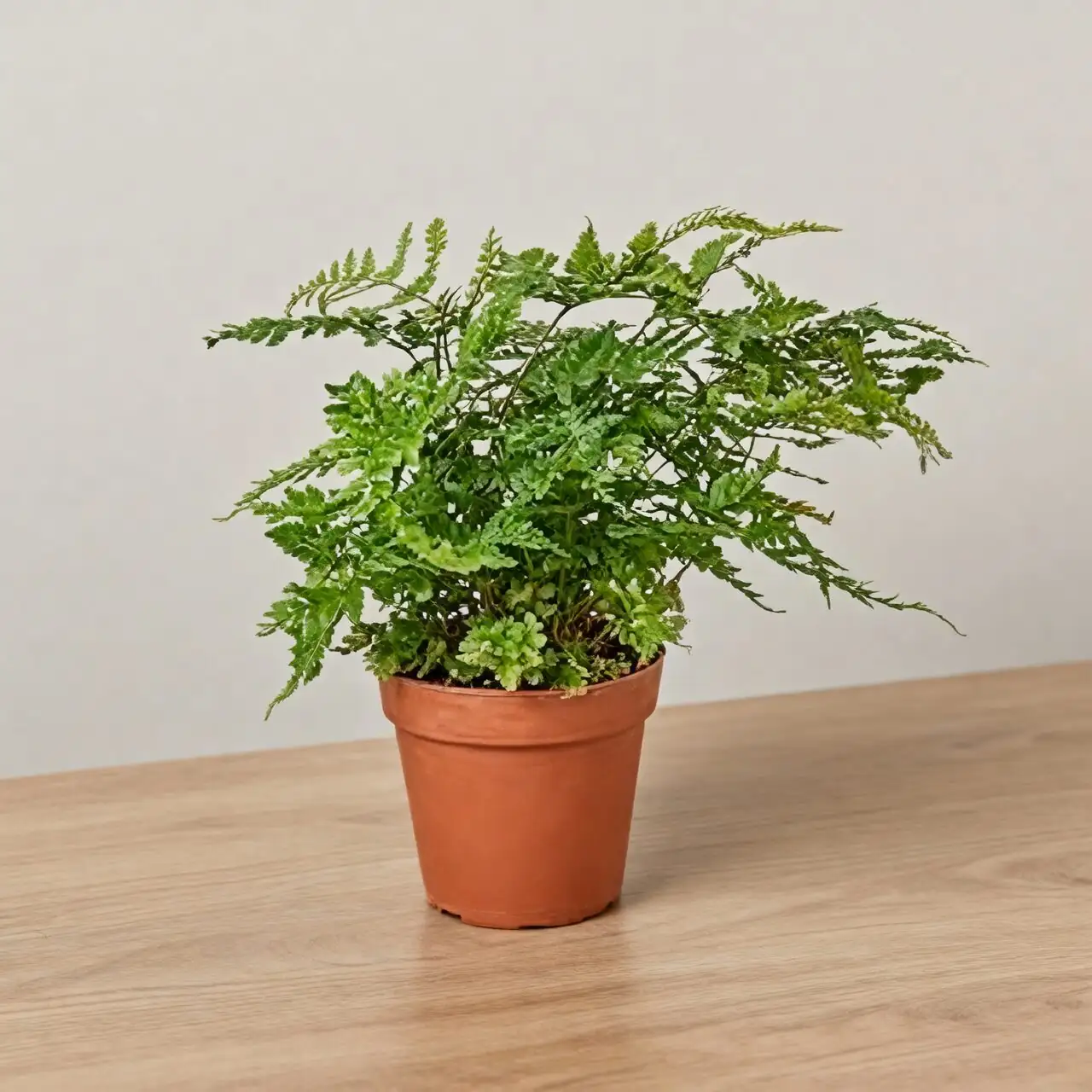
- The crown (the plant’s heart) should be full, not hollowed or mushy.
- Look for new fronds unfurling (tightly coiled “fiddleheads”/crosiers). Fresh, pale green knuckles signal active growth and vitality.
- Avoid crowns buried too deep or choked by old, dead stubs—new fronds need room to emerge.
3) Turn leaves over—hunt pests, not spores

- Normal: Lines or neat rows on the undersides of mature fronds are sori (spore cases)—a good sign of maturity.
- Not normal:
- Scale—flat, tan/brown bumps that don’t wipe off easily; may leave sticky honeydew.
- Mealybugs—cottony tufts at veins, midribs, or where frond segments meet.
- Spider mites—fine webbing and sand-grain speckling, especially in dry air.
- Bring a phone flashlight; inspect midribs and where pinnae (leafy segments) join.
4) Pot, roots, and media clues
- Drainage first: Ensure the pot has holes. Soil should feel moisture-retentive yet airy—not a swamp.
- Weight test: A pot that’s heavy with soggy mix invites root problems; one that’s feather-light may have been allowed to bone-dry.
- Root peek: If staff allows, check for firm, light tan roots (not black, mushy, or sour-smelling). Otherwise, glance at the drainage holes—healthy roots often show there.
- Algae and crust: A little moss is harmless; thick green algae or a white crust on soil could indicate chronic wetness or fertilizer salts.
Red flags and deal-breakers
- Multiple fronds with blackened bases or a crown that’s soft, dark, or sunken
- Clusters of scale or visible mealybugs on undersides and at midribs
- Crispy, curling fronds paired with very dry mix and low humidity
- A pot that oozes water or smells sour (anaerobic media = trouble)
- No hint of new growth during peak season
After you buy: transport and acclimation
- Keep it warm: Protect from drafts and cold car rides; in chilly weather, wrap loosely in paper for insulation.
- Quarantine for 2 weeks: Park new ferns away from your collection; re-check undersides on days 3, 7, and 14.
- Rinse and refresh: A gentle, lukewarm shower removes dust and evicts early hitchhikers. Let excess water drain fully.
Your first repot and mix recipe
- Timing: Repot in spring or when roots fill the pot—typically every 1–2 years. Move up just one size (about 2–5 cm / 1–2 in wider).
- Mix that works: A peat-free potting blend with bark or fine orchid mix plus perlite. Goal: moisture-retentive yet free-draining.
- Technique: Loosen old media lightly, settle the crown at the same height, and water through—then let excess drain away.
Placement and everyday care (the quick course)
- Light: Bright, indirect light; shield from harsh sun that scorches fronds. A bright bathroom or filtered windowsill is ideal.
- Water: Keep consistently moist. Water when the top 1–2 cm (0.4–0.8 in) feels slightly dry, then drench and drain. Never let it go bone-dry, and don’t leave it waterlogged.
- Humidity: Aim for 50%+. Use a pebble/humidity tray, regular misting, or a humidifier—especially in heated rooms.
- Temperature: Best at 12–22°C (54–72°F); keep above 10°C (50°F) for attractive winter foliage. Below 5°C (41°F), growth can stall and fronds may suffer.
- Feeding: Spring–summer, use a balanced houseplant fertilizer at 1/4–1/2 strength every 4–6 weeks. Avoid overfeeding—too much can scorch fronds.
- Grooming: Snip yellowed or damaged fronds at the base with clean scissors. Don’t cut into the crown where new fronds emerge.
Pests, prevention, and fast fixes
- Usual suspects: Scale, mealybugs, spider mites; fungus gnats appear if the mix stays too wet.
- Prevention:
- Maintain humidity and airflow; avoid soggy soil.
- Rinse foliage occasionally to discourage mites and dust.
- Treatment: Start with a gentle shower and leaf-by-leaf wipe. Follow with insecticidal soap or horticultural oil; repeat per label until pests are gone.
Propagation options
- Division: Best method—separate a well-rooted clump during repotting, keeping growing points intact.
- Spores: Possible but slow and technical; great for hobbyists, not for quick multiples.
Indoors vs. outdoors
- Indoors: Thrives in filtered light on a windowsill, desk, or bright bathroom.
- Outdoors (mild, frost-free climates): Sheltered shade—tucked near rocks, a wall, or a pond edge. Generally suited to USDA Zone 9–11; protect from freezing.
Safety and symbolism
- Safety: Generally non-toxic to people and pets; nibbling may cause mild stomach upset. Keep out of reach of habitual chewers.
- Symbolism: Like many ferns, it’s associated with freshness, resilience, and a calming green presence—more a mood than a strict “flower language,” since ferns don’t flower at all.
Quick fixes for common concerns
- Browning tips? Usually low humidity, inconsistent watering, or too much direct sun. Raise humidity, steady the watering rhythm, and shift to bright, indirect light.
- Does it bloom? No—ferns don’t flower. Those tidy lines beneath mature fronds are sori (spores), not blooms or pests.
- Cold window worries? Keep foliage from touching chilly glass and avoid drafts; aim to stay above 10°C (50°F).
Buyer’s checklist (print or screenshot)
- Fronds: Firm, springy, evenly green; minimal tip-burn or tears
- Crown: Plump, clean, with fresh crosiers (new fronds) forming
- Undersides: Clean of scale/mealybugs; lines of sori okay
- Pot and soil: Has drainage; mix is moist but airy—not swampy or bone-dry
- Roots: Light tan, firm; no sour odor; a few roots visible at drainage holes is fine
- Environment: Store kept in bright, indirect light (not baking sun)
- Post-purchase plan: Quarantine, lukewarm rinse, high humidity, steady moisture, gentle feeding in the growing season
Spot the right texture, trust the crown, flip those fronds—and you’ll bring home a Pteris cretica that settles in fast and stays lush.