


Step into a room with a Chinese brake fern (Pteris cretica) and you can almost feel the air soften. Those phoenix-tail fronds don’t want the spotlight—they want the good light: diffuse, bright, and gentle. Here’s how a little light physics, a dash of leaf anatomy, and some practical window tricks keep this fern lush, un-scorched, and gloriously green.
Meet Pteris cretica, the elegant “phoenix-tail” fern
- Common names: Chinese Brake Fern, Cretan Brake, Ribbon Fern (凤尾蕨)
- Origin: Mediterranean region to Western Asia (most plants in shops are cultivated selections)
- Habit and size: Clump-forming fern with upright-to-arching, feathered fronds; typically 30–60 cm (12–24 in) tall and wide in containers
- Personality: Warmth- and humidity-loving; thrives in bright, indirect light indoors; in frost-free climates it settles beautifully into sheltered outdoor shade (think a protected corner near rocks or a pond edge)
Why diffuse light is a fern’s best friend
Ferns like Pteris cretica evolved for filtered light, not raw sunbeams. Two ideas explain why:
1) Leaf anatomy: thin armor, broad solar panels
- Fronds have a relatively thin cuticle compared to many sun shrubs. They’re built to sip scattered light efficiently, not to withstand the heat load of undiluted rays.
- Most stomata and spore-bearing sori sit on the frond undersides. Strong, direct sun can overheat the upper surface before the leaf can cool itself via transpiration.
2) Light physics: intensity and angle matter
- Direct sun concentrates energy into tight “hot spots.” Diffuse light—scattered by clouds, sheer fabric, or frosted glass—spreads the same photons across a wider area, lowering peak heat on the frond surface.
- Indoors, south- or west-facing glass can deliver very bright levels at midday. Even though the whole room seems tame to our eyes, right at the pane you can reach indoor peaks that are harsh to a fern.
Practical translation: Bright, indirect light means you can comfortably read a book without turning on a lamp, but the sun’s disk should not trace across the fronds. A target band many ferns enjoy sits around roughly 1,000–4,000 lux (100–400 foot-candles) for much of the day—easy to achieve near bright windows filtered by sheers or set a short distance back.

Scorch science: what “too much sun” does to fronds
- Rapid overheating and localized photo-oxidative stress create pale, bleached patches that turn tan or crispy, especially along exposed edges or tips.
- On Pteris cretica, you’ll often see browning at the pinnae tips first. If fertilizer has been heavy or humidity low, tip burn can worsen—light and moisture stresses often stack.
Read your windows like a compass
Window orientation dictates the quality, duration, and angle of light. Use these placement recipes (Northern Hemisphere; flip N/S for the Southern Hemisphere):

North-facing
- Light character: Soft, consistent, rarely direct.
- Placement: Ideal fern territory. Put your Pteris right on the sill or within 30–60 cm (1–2 ft). In winter, add a white backdrop (wall or foam board) to reflect extra light.
East-facing
- Light character: Gentle morning sun, then bright ambient.
- Placement: Perfect. Sill placement is usually fine; if you get a sharp spring sunbeam, hang a sheer curtain or set the fern 30–60 cm back.
South-facing
- Light character: Long, intense arcs.
- Placement: Keep the fern just out of the direct beam—behind a sheer, frosted film, or 0.6–1.2 m (2–4 ft) back from the glass. Use blinds angled upward so slats bounce light to the ceiling first.
West-facing
- Light character: Short, punchy afternoon sun with heat.
- Placement: 1–2 m (3–6 ft) back, or double up diffusion (sheer + blinds). Afternoon heat is the main scorch culprit—be conservative here.
Pro tip: White surfaces are your friends. A matte white wall or foam board opposite the window can add bright, diffuse fill light without heat.
DIY diffusion that actually works
You don’t need specialty gear—just ways to scatter the beam and lower hot spots.
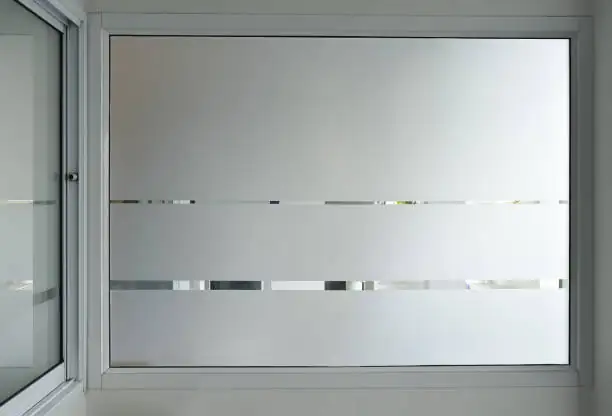
- Sheer curtains (Voile or light polyester): Inexpensive, elegant, and effective.
- Static-cling frosted window film: Looks tidy; ideal for south/west glass.
- Translucent blinds with slats tilted up: Redirects sun toward the ceiling for broad bounce.
- Tracing paper or rice paper panels: Quick, craft-friendly diffusion for small panes.
- A translucent shower curtain on a tension rod: Rental-safe, wide coverage for bay windows.
- “Plant buddies” as screens: Place a taller, slightly sun-tolerant plant between the window and your fern to break the beam.
- Reflectors: A sheet of matte white foam board behind or beside the plant boosts brightness without adding glare.
How to test your setup: Hold your hand 20–30 cm (8–12 in) above the fronds on a sunny hour. If the shadow edge looks soft and fuzzy, you’ve achieved diffuse light. A crisp, high-contrast shadow means more diffusion or distance is needed.
Measuring light (without overthinking it)
- Phone lux meters: Not perfect, but good for comparisons. “Bright indirect” often reads in the low thousands of lux near a filtered window.
- Shadow test: Soft-edged shadow = good; razor-sharp = too direct.
- Watch the arc: Check at 10 a.m., 1 p.m., and 4 p.m. A spot that’s safe in the morning can blast in the afternoon—especially on west windows.
Grow lights, gently done
If your home is dim (winter, north window far from glass), supplement with an LED grow bar or bulb.
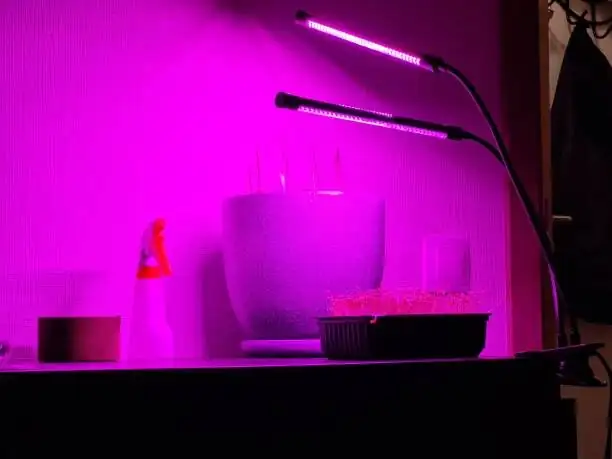
- Spectrum: Neutral-white (4000–5000 K) works beautifully for ferns.
- Distance: Keep the light 20–40 cm (8–16 in) above the fronds, and diffuse it with the fixture’s cover or a thin poly sheet to avoid hotspots.
- Duration: 10–12 hours daily mimics a bright, long day without stress.
- Heat check: If the frond surface feels warm to the touch after 15 minutes, raise or diffuse the light.
Care that supports perfect light
Great light only shines when the basics are right.
- Water: Keep the mix consistently moist. Water when the top 1–2 cm (0.4–0.8 in) feels slightly dry, then drench and drain. Never let it bone-dry, but avoid waterlogging.
- Soil: Moisture-retentive yet free-draining: a peat-free potting mix blended with fine bark/orchid mix plus perlite works well.
- Humidity: Aim for 50%+. Use a pebble tray, frequent misting, or a humidifier—especially in heated rooms.
- Temperature: Best at 12–22°C (54–72°F). Keep above 10°C (50°F) for good winter looks; below 5°C (41°F) growth can stall and damage can occur. Avoid cold drafts and chilly glass.
- Feeding: Spring–summer, feed lightly every 4–6 weeks at 1/4–1/2 strength. Too much fertilizer can scorch fronds, especially under stronger light.
- Pruning: Snip yellowed or damaged fronds at the base with clean scissors. Don’t cut into the crown.
- Repotting: Every 1–2 years in spring, bump up just one size and refresh the mix.
- Propagation: Divide an established clump during repotting; spore-growing is possible but slower and technical.
- Outdoors (mild, frost-free spots): Tuck into sheltered shade (near rocks, walls, or pond edges) protected from wind and direct sun.
Troubleshooting by leaf clues
- Brown tips and edges: Often low humidity, inconsistent moisture, or fertilizer excess—sometimes compounded by direct sun. Increase humidity, steady the watering rhythm, dilute feed, and improve diffusion.
- Bleached, crispy patches: Sun scorch. Move back, add sheers, or adjust blinds.
- Pale, thin new fronds and “stretching”: Not enough light. Shift closer to a bright, filtered window or add a gentle grow light.
- Fronds collapsing after a cold night near glass: Temperature dip. Move the plant away from the pane and keep above 10°C (50°F).
- Pests (scale, mealybugs, spider mites): More common in dry air. Improve humidity and airflow; treat with insecticidal soap or horticultural oil, repeating as needed.
Safe, serene, and sometimes spore-dusted
- Non-toxicity: Generally considered non-toxic to people and pets (though nibbling any plant can cause mild stomach upset).
- Reproduction: No flowers—this fern makes spores in tidy lines (sori) on the underside of mature fronds.
- Symbolism and “flower language”: Ferns are widely associated with freshness, resilience, and tranquility. Unlike traditional flower language tied to blooms, fern symbolism grew from their evergreen poise in shaded places and their persistence through time. For a home, Pteris cretica brings a calm, restorative vibe more than a coded message—think quiet strength over floral theatrics.
A 60‑second placement plan
- Choose your brightest window.
- Add a sheer or frosted film if it’s south/west.
- Place the fern where the hand-shadow is soft at noon.
- Boost humidity to 50%+ and keep the mix evenly moist.
- In winter or on north windows, use a small, diffused LED for 10–12 hours.
- Rotate the pot a quarter turn weekly for balanced fronds.
Get the light right—and diffuse it—and your Chinese brake fern will repay you with silky, arching fronds that look like they belong in a misty canyon. Gentle light, gentle care, gorgeously untroubled foliage.