

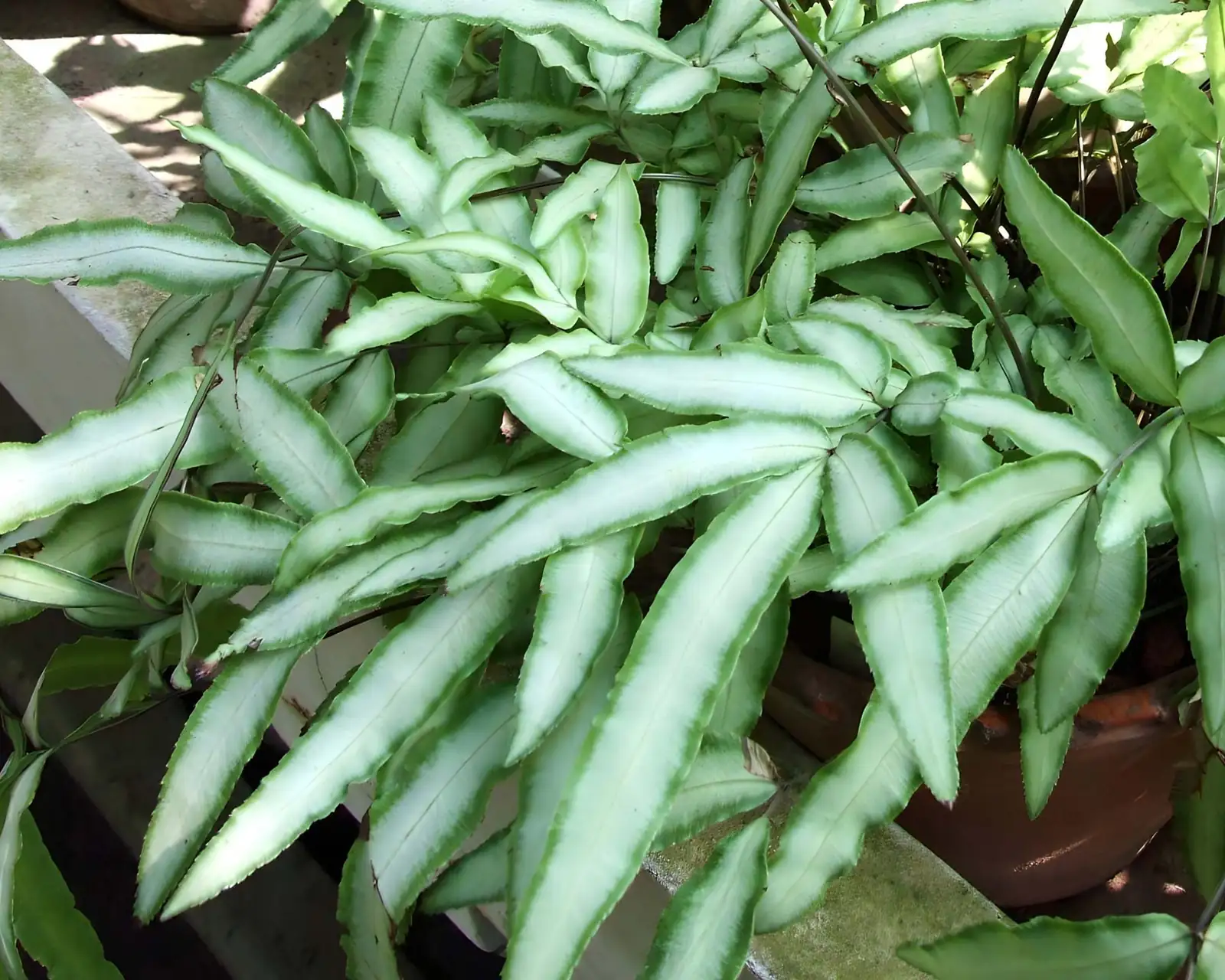
If you’ve ever wished for a houseplant that looks like it’s mid‑flight, meet Pteris cretica—the Chinese brake fern whose fronds stream like a legendary bird’s tail. No flowers, no fuss, just beautifully feathered greenery and a trove of fern science hiding on the undersides of its leaves.
Meet Pteris cretica (Chinese Brake Fern)
- Family: Pteridaceae; Genus: Pteris
- Common names: Chinese Brake Fern, Cretan Brake, Ribbon Fern; Chinese: 凤尾蕨 (“phoenix‑tail fern”)
- Origin: Mediterranean region to Western Asia (most plants in shops are cultivated selections)
- Size: Typically 30–60 cm (12–24 in) tall and wide in containers
- Habit: Clump-forming evergreen (or semi-evergreen) with upright‑to‑arching fronds
Why “phoenix tail”? The fronds are arranged along a central spine (rachis) and often taper elegantly toward the tips, arching as they grow—so the outline reads like a flowing, feathered tail. Indoors, kept warm and humid, the foliage can stay lush year‑round.
A science‑curious tour of fern quirks
Why no blooms? The pre‑flower power crowd
Ferns were thriving long before flowers evolved. Instead of blossoms and seeds, Pteris cretica reproduces by spores. Think of it as the plant world’s prequel: spores, not petals; fronds, not flowers. So don’t wait for buds—this species will never flower, and that’s perfectly normal.
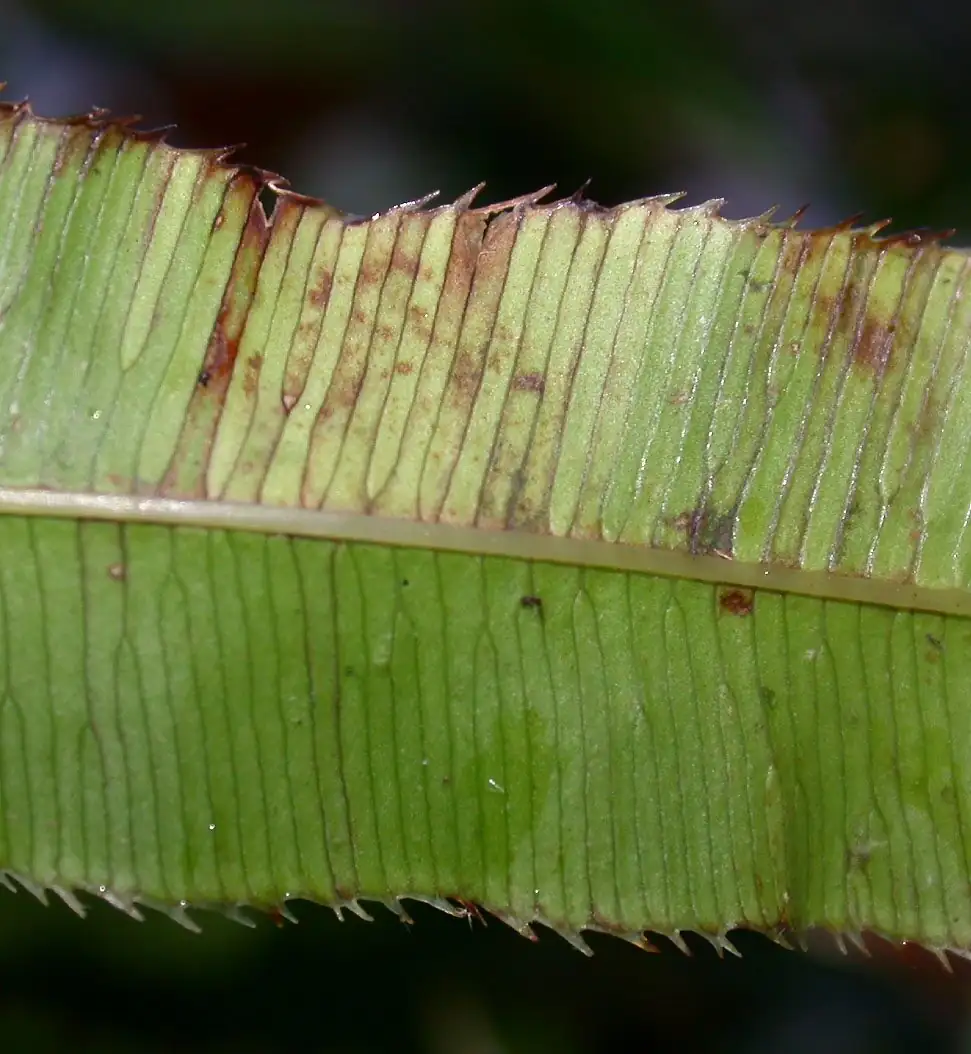
The tidy lines under the fronds: sori like little zipper seams
Flip a mature frond and you’ll find the action:
- Spores are made in tiny cases called sporangia.
- Sporangia cluster into tidy lines called sori on the undersides of the leaf segments, often close to the margins.
- In Pteris and many relatives, the very edge of the leaflet can fold over to shield these lines—a protective flap known as a “false indusium.”
- When conditions are good during the growing season, sori ripen and release a dusting of spores—blink and you’ll miss it.
It’s plant architecture at micro‑scale: straight, organized, and elegant—no random splatter, just neat seams of future ferns.
The fern’s secret double life (that most gardeners never see)
Ferns switch between two bodies in their life cycle:
- The fern you grow—the fronded plant—is the sporophyte, which makes spores.
- Spores germinate into a tiny, heart‑shaped plant called a gametophyte (the prothallus). It’s just millimeters wide, green, flat, and ephemeral.
- With a drop of water (literally), the gametophyte completes fertilization and a baby sporophyte—your familiar fern—emerges and takes over.
That quiet alternation of generations is why ferns can colonize nooks and crannies without ever flowering.

What gives the “phoenix tail” vibe?
- Frond architecture: a central rachis bears slim, feather‑like pinnae (leaflets) that narrow and taper, giving each frond a long, flowing outline.
- Posture: fronds rise and then arch gracefully, like a tail in motion.
- Evergreen poise: indoors above about 10°C (50°F), foliage stays green; below ~5°C (41°F), growth can stall and fronds may be damaged.
- Fun variation: cultivated forms often have striking contrasts—some with creamy midribs—accentuating that sleek, ribboned look.
Botanical note: P. cretica grows from a short, clumping rhizome that steadily adds new fronds, creating a fountain of foliage over time.
Growing guide: make your fern feel fabulous
Light
- Best: Bright, indirect light or partial shade.
- Tolerates lower light, but avoid harsh direct sun—it can scorch fronds.
Temperature
- Ideal: 12–22°C (54–72°F); nights around 10–16°C (50–61°F).
- Keep above 10°C (50°F) in winter for good looks; below ~5°C (41°F) growth can stop and cold damage is likely.
Humidity
- Aim for 50%+.
- Boost with a pebble tray, gentle misting, or a humidifier—especially in heated rooms.
Watering
- Keep the mix consistently moist.
- Water when the top 1–2 cm (0.4–0.8 in) feels just slightly dry, then water thoroughly and let excess drain.
- Never bone‑dry, never waterlogged.
Soil and potting
- Moisture‑retentive yet free‑draining: a peat‑free potting mix blended with fine bark/orchid mix plus perlite works well.
- Repot every 1–2 years in spring, moving up one pot size and refreshing the mix.
Feeding
- Spring–summer: a balanced houseplant fertilizer at 1/4–1/2 strength every 4–6 weeks.
- Go light—too much feed can scorch fronds.
Grooming
- Trim yellowing or damaged fronds at the base with clean scissors.
- Avoid cutting into the crown (that’s where new fronds unfurl).
Placement ideas
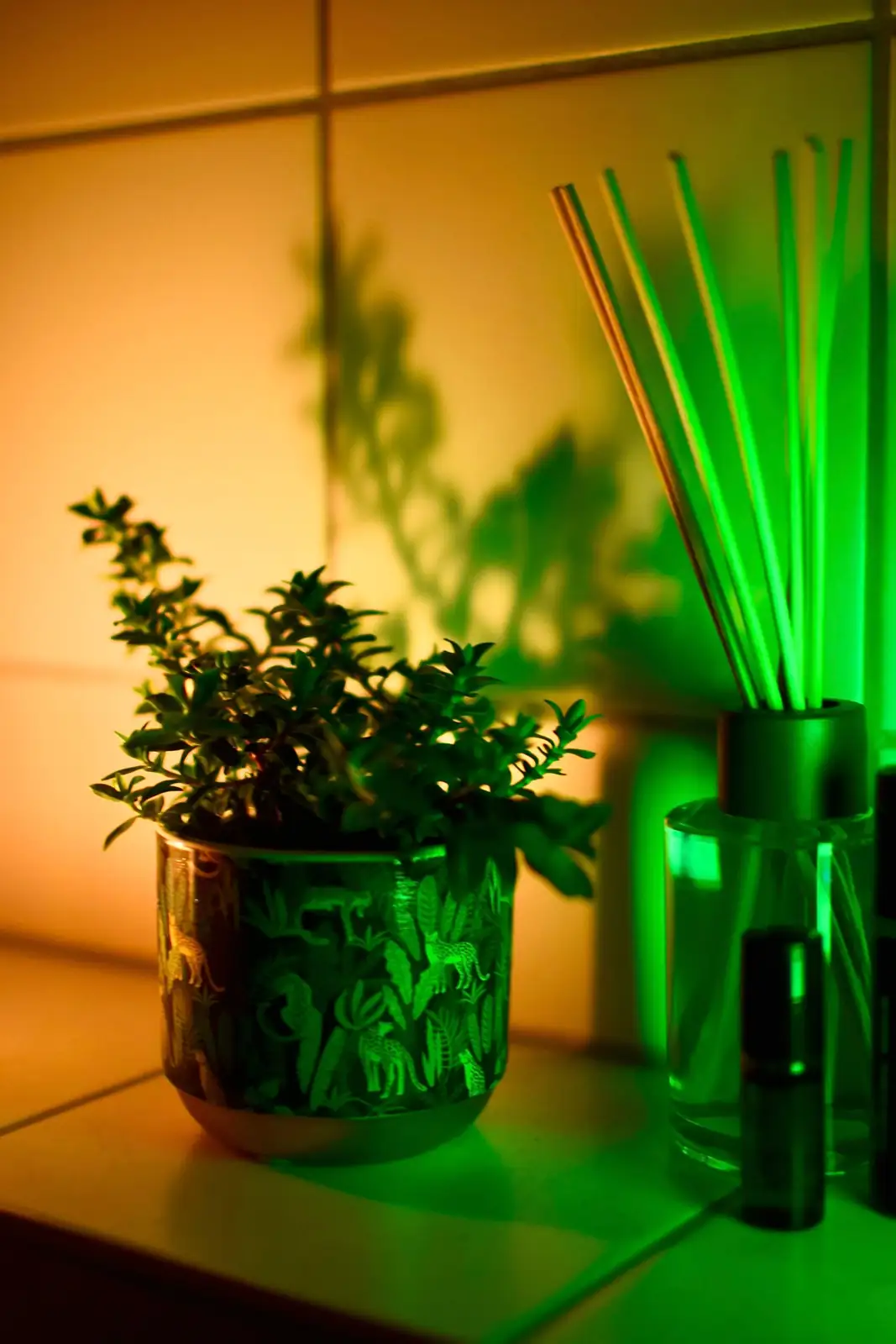
- Indoors: a filtered‑light windowsill, desk, or a bright bathroom that offers steam‑boosted humidity.
- Outdoors in mild, frost‑free climates (USDA 9–11): sheltered shade—a wall corner, shaded rock pocket, or near a pond edge.
Seasonal rhythm
- Spring–summer: active growth—steady moisture, good humidity, light feeding.
- Autumn: ease up on fertilizer and water a touch less (but never let it dry out).
- Winter: warmth and humidity are the beauty keepers.
Propagation and tinkering
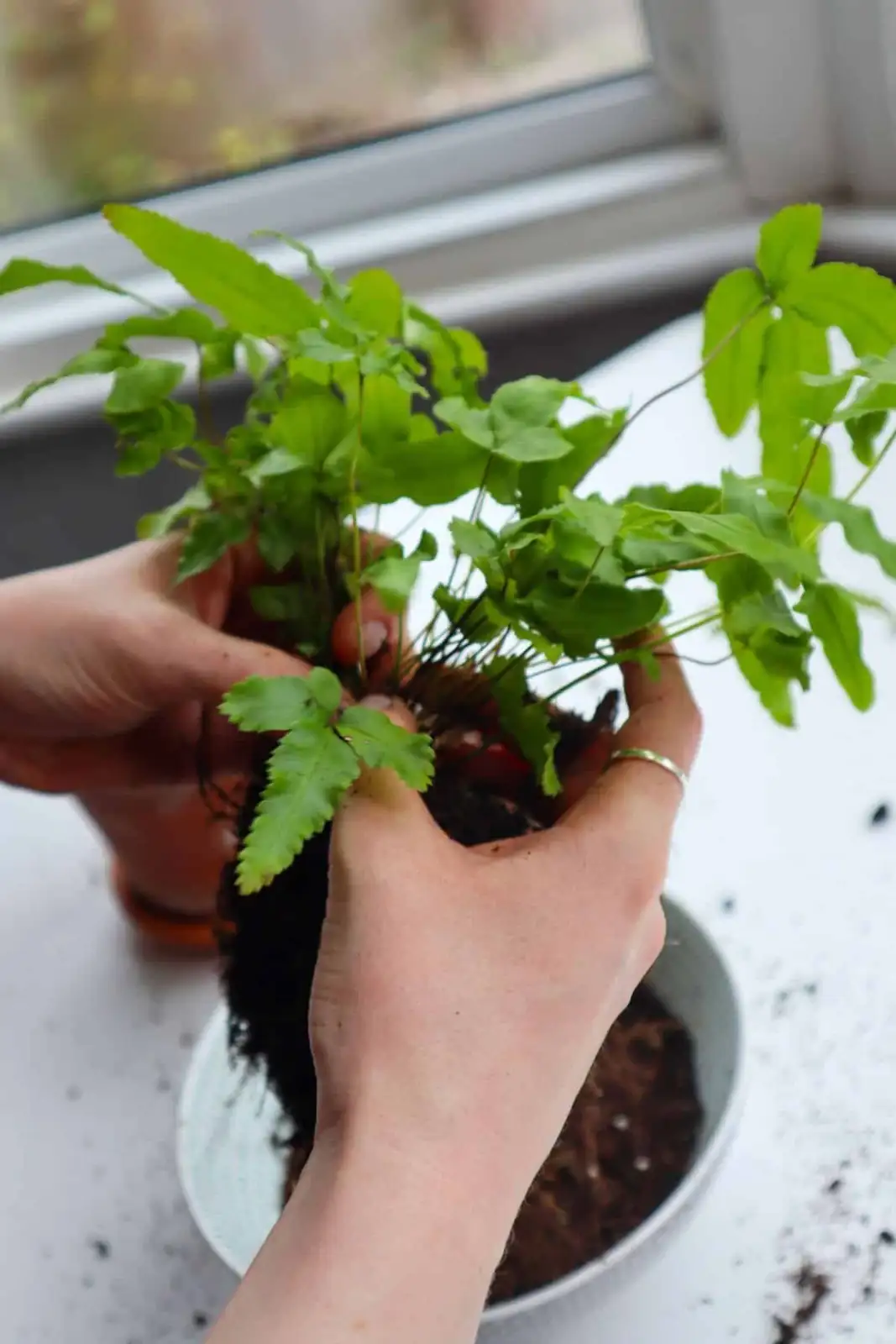
Division (the easy road)
- Best during repotting in spring.
- Gently tease apart a well‑established clump, ensuring each division has a healthy piece of crown/rhizome and roots. Pot separately and keep evenly moist.
From spores (for the patient and curious)
- Collect mature sori (look for brown, powdery lines), sow on sterile, moist medium, and cover to keep humidity high.
- Provide gentle light and stable warmth; expect months rather than weeks. It’s rewarding, but slow and technical.
Health and safety
Pests and problems
- Watch for scale, mealybugs, and spider mites—especially in dry air. Fungus gnats can pop up if the mix stays soggy.
- Prevention: good airflow, evenly moist (not drenched) mix, and a periodic lukewarm shower to rinse dust.
- Treatments: insecticidal soap or horticultural oil, repeated per label.
Toxicity
- Generally considered non‑toxic to people and pets. Still, nibbling can cause mild tummy upset—keep out of reach of curious chewers.
Buying smarter
- Choose plants with firm, rich‑green fronds and minimal tip browning.
- Peek into the crown for signs of new fronds.
- Inspect the undersides for scale or mealybugs before you bring it home.
FAQs
Why are the frond tips turning brown?
Likely low humidity, inconsistent watering, or too much direct sun. Aim for 50%+ humidity, keep the mix evenly moist, and shift to bright, indirect light.
Does it flower?
No—ferns don’t flower. Chinese brake fern reproduces by spores that form in neat lines on the undersides of mature fronds.
Can it handle a chilly window?
Avoid cold drafts and icy glass. Keep it above about 10°C (50°F); extended periods below ~5°C (41°F) can halt growth and damage foliage.
Symbolism and “flower language”
Ferns like Pteris cretica are often linked with freshness, resilience, and a calm, restorative green presence indoors. In Western “language of flowers” traditions (a Victorian pastime that assigned meanings to plants) and in East Asian decorative arts, ferns came to symbolize sincerity, humility, and life in the shade—quiet strength rather than showy display. Unlike blossoms that broadcast color and scent, the fern’s beauty is structural and enduring, which is why it’s often read as a sign of steady renewal and peaceful air rather than romance or drama.
Quick fun facts
- The Chinese name 凤尾蕨 literally means “phoenix‑tail fern,” a perfect nod to those streaming fronds.
- Instead of seeds, this species makes spores in tidy linear sori—tiny conveyor belts of future ferns tucked under the leaf edges.
- Many nursery plants are cultivated selections bred for elegant frond shapes and indoor adaptability—ideal for bright, humid rooms.
- Genus trivia: Pteris belongs to a fern family famous for margin‑hugging sori; in many species the leaflet edge itself folds over to protect them—a built‑in spore shield.
Ready to grow your own “phoenix tail”? Keep it humid, keep it evenly moist, and let the fronds do their airborne dance.