


Picture a sun-warmed stone wall somewhere along the Mediterranean, a brush of ocean air, and a shimmer of green fronds tracing feathery arcs in the shade. That’s where Pteris cretica began its quiet story—before it won over windowsills and bathrooms across the world as the Chinese Brake Fern (凤尾蕨), named for fronds that splay like a phoenix’s tail.
Roots in the Old World: from Mediterranean coves to Western Asia
Pteris cretica’s natural beat is the calm between sun and shadow—nooks protected by rock, the edges of ponds, and sheltered corners where air is humid and light is bright but indirect. Native from the Mediterranean region to Western Asia, it thrives where winters rarely bite and summers don’t scorch. Those same preferences translate perfectly to modern homes: a bright sill, a bedside table, or a steamy bathroom where it can sip moisture from the air and stretch into a soft, green fountain.
What’s in a name? The riddle of “brake” (and a winged genus)
- Brake: An old Middle English word meaning “fern.” It’s closely related to “bracken,” and once served as a catch-all for ferny things. “Cretan Brake” and “Ribbon Fern” are common names you’ll still see on plant tags.
- Pteris: From the Greek pteron, meaning “wing” or “feather”—a nod to the birdlike grace of its fronds and to the broader fern lineage in the Pteridaceae.
Together they give us a picture: a winged, feathered fern, airy and elegant, with a long history in human language as well as in gardens.
From ravines to parlor chic: how a wild fern became an indoor favorite
Long before houseplants were trending, gardeners were taken with Pteris cretica’s handsome, arching fronds and compact habit. As horticulture advanced, nurseries selected and refined forms that held up beautifully indoors—plants with tidy clumps, handsome symmetry, and sometimes eye-catching variegation (such as silver-striped selections). Today, most plants sold are cultivated varieties chosen for graceful fronds and reliable performance rather than wild-collected specimens. That’s one reason the Chinese Brake Fern moved so seamlessly from sheltered shade outdoors into the soft light of living rooms and offices.
Meet the plant
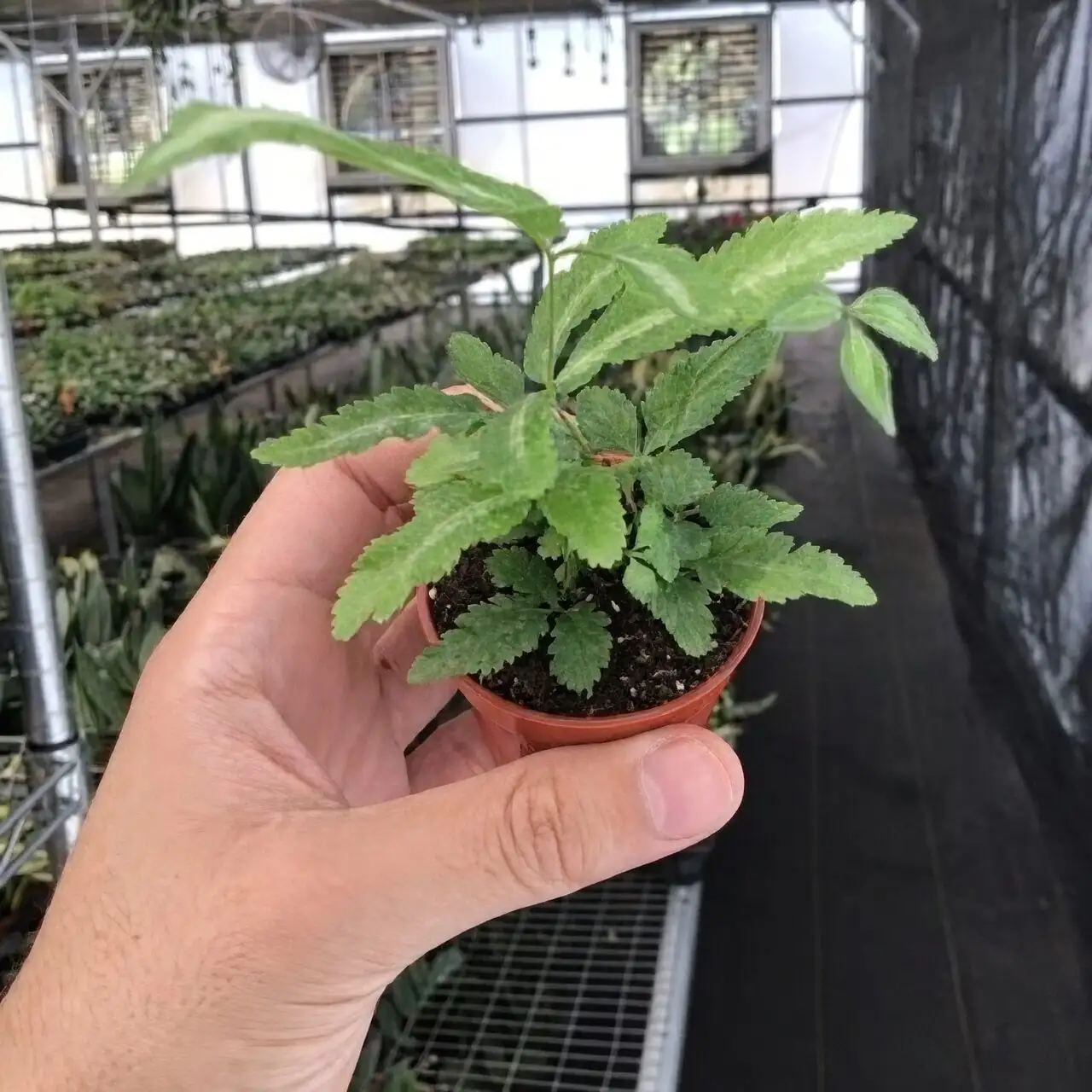
- Identity: Pteris cretica (Chinese Brake Fern; 凤尾蕨), family Pteridaceae
- Habit: Clump-forming evergreen (or semi-evergreen) with upright-to-arching fronds
- Size: Typically 30–60 cm (12–24 in) tall and wide in containers, depending on the cultivar and care
- Fronds: Feathered, with a distinctive tail-like outline; indoors, they stay green through winter if kept above about 10°C (50°F)
- Flowers: None—this is a fern
- Reproduction: By dust-fine spores, produced in neat lines (sori) beneath mature fronds
The sweet spot: light, warmth, and humidity

- Light: Partial shade to bright, indirect light. It tolerates lower light but avoid harsh direct sun, which can scorch the fronds.
- Temperature: Best at 12–22°C (54–72°F); ideal nights around 10–16°C (50–61°F). Keep above 10°C (50°F) for good winter looks. Growth slows dramatically below about 5°C (41°F), and cold can damage fronds.
- Humidity: Loves 50%+ relative humidity. A humidifier, pebble tray, or regular misting will keep tips lush—especially in heated rooms.
Potting and watering (the “evenly moist” mantra)
- Mix: Moisture-retentive yet free-draining—think peat-free potting mix blended with fine bark/orchid mix and perlite.
- Watering rhythm: When the top 1–2 cm (0.4–0.8 in) feels slightly dry, water thoroughly and let excess drain. Never let it go bone-dry, and don’t let the pot sit in water.
- Feeding: In spring and summer, feed lightly with a balanced houseplant fertilizer at 1/4–1/2 strength every 4–6 weeks. Too much fertilizer can scorch fronds.
Grooming, repotting, and propagation
- Pruning: Snip yellowing or damaged fronds at the base with clean scissors. Avoid cutting into the crown—new fronds emerge there.
- Repotting: Every 1–2 years in spring, or once roots fill the pot. Step up just one size (about 2–5 cm / 1–2 in wider) and refresh the mix to restore drainage and vigor.
- Propagation: Best by division of a mature clump during repotting. Spore propagation is possible but slower and more technical.
Indoors versus outdoors
- Indoors: A filtered-light windowsill, a desk with bright ambient light, or a bright bathroom make ideal settings.
- Outdoors (mild, frost-free climates): USDA Zones 9–11. Tuck it into sheltered shade—corner by a wall, a shaded rock garden pocket, or near a pond edge. Protect from freezing temperatures and strong midday sun.
What to look for when you buy
- Fronds: Firm, upright, and green with minimal brown tips
- Crown: Check for fresh new fiddleheads (coiled fronds) emerging
- Undersides: Inspect for scale and mealybugs before bringing the plant home
Troubleshooting: keep the fronds flawless
- Brown tips? Usually low humidity, inconsistent watering, or too much direct sun. Boost humidity, keep the soil evenly moist, and shift to bright, indirect light.
- Pests: Scale, mealybugs, and spider mites can move in when air is dry. Rinse foliage occasionally and maintain good airflow. Treat early with insecticidal soap or horticultural oil if needed.
- Overwet mix: Fungus gnats may appear if the soil stays soggy—improve drainage and let the top layer dry slightly between waterings.
Safety for homes with pets and kids
Generally considered non-toxic to people and pets. As with most foliage, nibbling can cause mild stomach upset—best kept out of reach of dedicated plant chewers.
A year with your Brake Fern: simple seasonal cues
- Spring–summer: Active growth. Keep evenly moist, maintain humidity, and fertilize lightly.
- Autumn: Ease up on feeding; water a touch less but never let the mix dry out.
- Winter: Keep above 10°C (50°F) for handsome foliage; extended periods below about 5°C (41°F) can halt growth and damage fronds.
Symbolism and the “flower language” of a flowerless plant
Ferns don’t flower, but that hasn’t stopped people from giving them meaning. In home and garden lore, Pteris cretica carries:
- Freshness and renewal: New fronds unfurl in tight curls and open into perfect green feathers.
- Resilience: It rebounds well from minor setbacks if humidity and moisture are right.
- Calm: Its soft, arching habit creates a serene, cooling presence indoors.
If you stumble across “flower language” (花语) for ferns, take it as poetic shorthand rather than a literal tradition—the plant’s symbolism grows from its evergreen poise and gentle texture, not from blooms.
Fun frond facts
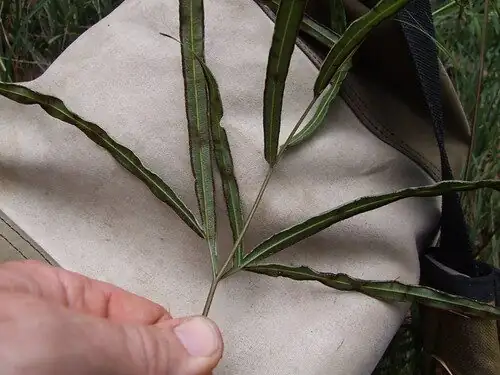
- The Chinese name 凤尾蕨 (“phoenix-tail fern”) poetically captures the frond silhouette.
- Instead of seeds and flowers, it scatters spores—like green dust—formed in elegant lines on the undersides of mature fronds.
- Many nursery offerings are cultivated selections refined for better indoor performance and especially attractive fronds—one reason this species feels like it was made for modern living.
From a breeze-cooled niche between stone and shade to the soft light of your home, Pteris cretica has always played the same role: a gentle, green counterpoint to life’s harsh edges. Give it bright, indirect light, steady moisture, and a little humidity, and it will repay you with the effortless grace that made “brake” a word worth keeping.