

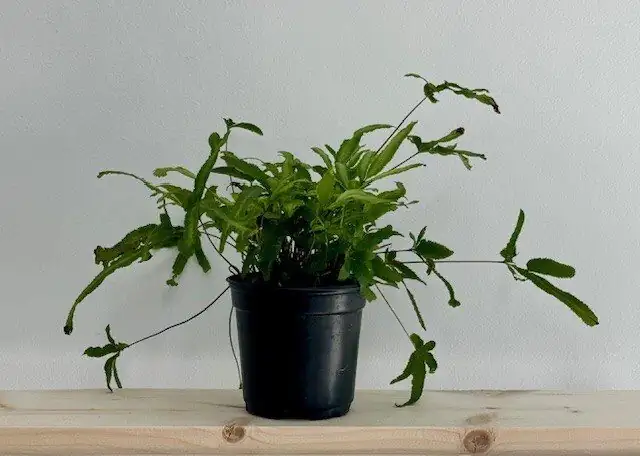
If your Chinese Brake Fern (Pteris cretica) suddenly looks crispy at the tips, peppered with specks, or seemingly haunted by teeny flies, don’t panic. This elegant “phoenix-tail” fern telegraphs its needs clearly once you know how to read the clues. Here’s a practical, step-by-step guide to diagnosing humidity vs. sun issues, defeating scale/mealybugs/spider mites, and fixing soggy mix and fungus gnats—without the fuss.
Meet your fern, fast
- Identity: Pteris cretica (aka Chinese Brake Fern, Cretan Brake, Ribbon Fern)
- Vibe: Likes bright, indirect light; shade-tolerant but avoid harsh sun
- Climate: Best at 12–22°C (54–72°F); keep above 10°C (50°F) in winter
- Humidity: Thrives at 50%+; warm, moist air = lush fronds
- Water: Evenly moist, never bone-dry or waterlogged
- Size: About 30–60 cm (12–24 in) tall and wide in containers
Quick diagnosis: what is your fern telling you?
Low humidity vs. sun scorch
- Low humidity (common in heated rooms)
- Tips and edges turn brown and crispy, starting uniformly on older fronds
- Fronds may curl inward; plant looks a bit “tired”
- Often coincides with static-dry indoor air and 35–45% RH
- Sun scorch (too much direct sun)
- Pale, bleached or tan patches with crisp edges on frond areas hit by sun
- Pattern aligns with window angle; one side of plant worse than the other
- Can appear suddenly after a move or pruning that exposed fronds
Watering woes
- Underwatering
- Fronds feel dry, lightweight; entire plant looks droopy, then crisps
- Potting mix pulls from pot sides; top feels dusty-dry
- Soggy mix / poor drainage
- Yellowing fronds, blackened bases, musty smell
- Fungus gnats hovering; soil surface looks greenish or slimy
- Pot feels heavy days after watering
Pests
- Mealybugs: Cottony tufts in frond joints and along midribs; sticky honeydew
- Scale: Dome-like brown/tan bumps that don’t wipe off easily
- Spider mites: Fine webbing, stippled/speckled fronds; thrive in dry air
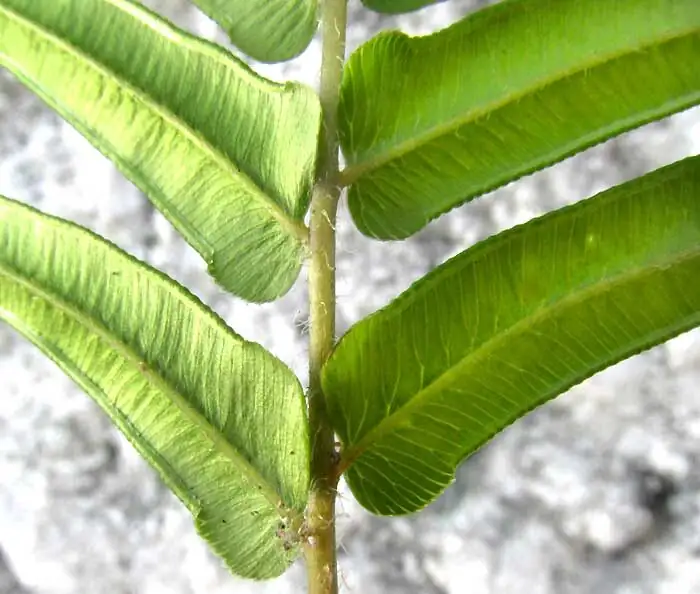
Pro tip: Don’t mistake spores for pests. Mature Pteris fronds produce neat lines of brown sori on their undersides. If the dots are in orderly rows, they’re spores—leave them be.
The fixes: simple, effective, fern-friendly
Rescue low humidity
- Aim for 50%+ RH:
- Run a small humidifier nearby
- Set a pebble tray with water beneath the pot (pot on the pebbles, not in water)
- Group plants or relocate to a bright bathroom
- Mist lightly to raise local humidity (helps, but is temporary)
- Keep away from heater vents and cold drafts
Reset from sun scorch

- Move to bright, indirect light; sheer-curtain a sunny window
- Rotate weekly for even growth
- Snip off badly scorched fronds at the base with clean scissors (avoid cutting into the crown)
Watering sweet spot and soggy-mix cure
- Potting mix: Moisture-retentive yet free-draining
- Blend a peat-free potting mix with fine bark or orchid mix + perlite
- Watering rhythm:
- Water when the top 1–2 cm (0.4–0.8 in) is slightly dry
- Water thoroughly; let excess drain—never let the pot sit in runoff
- If the mix is soggy:
- Slide the plant out, trim soft/black roots, repot into fresh airy mix
- Ensure a pot with drainage; empty cachepots promptly
Pest control made simple (and gentle)
Step 1: Isolate and inspect
- Move the plant away from others
- Check frond undersides, midribs, and the crown with a bright light
Step 2: Easy mechanical knockdown
- Lukewarm shower rinse (gentle pressure) to remove mites and mealybugs
- Dab visible mealybugs or soft scale with cotton swabs dipped in 70% isopropyl alcohol
- Prune heavily infested or deformed fronds at the base
Step 3: Low-impact sprays that work
- Insecticidal soap
- Great on soft-bodied pests (mealybugs, spider mites, young scale crawlers)
- Use a commercial product (potassium salts of fatty acids); avoid homemade dish-soap mixes
- Thoroughly wet pests, especially undersides of fronds; these sprays work on contact and leave little to no residue
- Many plants tolerate 1–2% soaps; some delicate plants can be sensitive—always spot-test a frond and wait 24–72 hours
- Avoid spraying in direct sun or high heat; if concerned, rinse the plant with plain water a few hours after treatment
- Horticultural oil (lightweight oils, including some plant-based oils)
- Smothers mites, mealybugs, and scale crawlers
- Apply per label, coating pests well; again, avoid hot, bright conditions during application
- Repeat any treatment every 7–10 days for 2–3 cycles to catch new hatchlings
When to escalate: If you’re battling armored scale or a heavy, recurring infestation, combine careful manual removal with repeated oil sprays. Dispose of pruned fronds in the trash, not compost.
Targeted tips by pest
- Mealybugs
- Look for cottony clusters at leaflet bases
- Alcohol swabs first, then follow with soap or oil spray, repeating weekly
- Scale
- Adults cling like glued bumps; gently scrape to confirm
- Focus sprays on the crawler stage (repeats are essential); prune worst fronds
- Spider mites
- Boost humidity to 50–60%, improve airflow, and give the fern a weekly lukewarm rinse
- Follow with soap or oil; keep the plant out of heat blasts
Fungus gnats and soggy soils: break the cycle
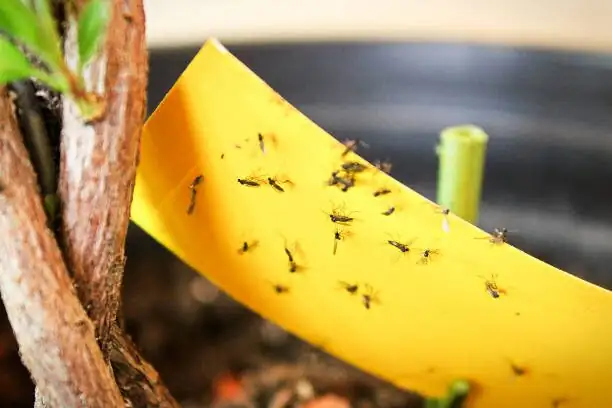
- Signs: Tiny black flies hovering; larvae feed in constantly wet potting mix
- Cultural fix first:
- Let the top 1–2 cm of mix dry between waterings (but don’t allow full drought)
- Improve drainage and repot if the mix compacts or smells sour
- Avoid standing water in cachepots; increase airflow around the pot
- Knock back the population:
- Yellow sticky traps to catch adults
- Biological controls for larvae:
- Bacillus thuringiensis israelensis (Bti) drenches per label
- Beneficial nematodes (Steinernema feltiae) watered into the soil
- A thin top-dress of coarse horticultural sand or LECA can make egg-laying less attractive
Keep your Pteris cretica pristine: a simple routine
- Weekly 60-second check:
- Peek under fronds for pests; wipe dust; rinse foliage occasionally
- Water: Keep evenly moist; never soggy, never bone-dry
- Light: Bright, indirect; protect from harsh midday sun
- Humidity: 50%+ with trays, grouping, or a humidifier
- Feeding: Spring–summer, feed lightly every 4–6 weeks at 1/4–1/2 strength; excess fertilizer can scorch fronds, so err on the gentle side
- Seasonal notes:
- Spring–summer: active growth—consistent moisture and light feeding
- Autumn: reduce feeding slightly; don’t let the mix dry out
- Winter: keep above 10°C (50°F); growth can stall below about 5°C (41°F)
Buying and placement pointers
- Choose plants with firm, green fronds and a perky crown pushing new growth
- Inspect undersides of fronds for scale and mealybugs before purchasing
- Indoors, place on a filtered-light sill, desk, or bright bathroom shelf
- Outdoors in mild, frost-free climates, tuck into sheltered shade: along a wall, between rocks, or near a pond edge
Safety and peace of mind
- Pteris cretica is generally considered non-toxic to people and pets, though nibbling can cause mild stomach upset
- Always follow label directions for any plant treatments and keep products out of reach of kids and pets
A quick word on “flower language”
Ferns don’t bloom—so any “flower language” assigned to them is symbolic rather than botanical. Across cultures, ferns often represent freshness, resilience, and serenity. Your Chinese Brake Fern leans into that meaning beautifully: evergreen grace, delicate but enduring, bringing a calm, green ambiance to bright shade.
With the right humidity, kind light, and a steady hand against pests, your phoenix-tail fern will live up to its name—renewing itself with elegant, arching fronds all year long.